
REVIEW · KENYA
6hrs of Birdwatching in Nairobi National park
Nairobi National Park offers a rare city-safari combination: within a short drive of central Nairobi, you can search for more than 520 bird species across dry forest, wetlands, dams, and open grassland. You may also see lions, rhinos, giraffes, zebras, buffalo, antelope, or even a cheetah while your guide keeps the main focus on birds.
I like the full six hours of birding, rather than a quick wildlife drive, and I like the personal bird list sent after the outing. Guides such as Diana, Benson, and Saidi have shown a sharp ear for faint calls and a good eye for small birds. The main consideration is cost: $450 per private group of up to seven, plus park entry fees, makes the trip best value when several people share it.
Key points to know before booking
- Four bird habitats in one outing: Search dry forest, dams and wetlands, open grassland, and picnic areas on foot.
- Private group of up to seven: You get a dedicated English-speaking guide and vehicle rather than joining a large safari.
- Strong guide support: Diana, Benson, and Saidi have each been praised for bird identification, spotting, calls, and explanations.
- Useful post-trip record: Your guide creates a species list for the day and sends it to you afterward.
- Birds plus classic wildlife: Recent outings have included 50 to 108 bird species, along with rhinos, lions, giraffes, and other animals.
- Budget for park fees: Non-resident entry costs $48 in low season or $60 in high season, paid separately from the tour.
Six hours where Nairobi meets the wild
Nairobi National Park is unusual because it gives you a serious safari setting without requiring a long transfer from the city. The trip begins with pickup at your Nairobi residence or hotel, followed by transport to the park in a private safari van.
The central appeal is focus. This is not simply a general game drive with occasional bird names added in. Your guide is there to listen for calls, scan branches, check wetland edges, and build a bird list as the day develops. If you are already a keen birder, the six-hour format gives you time to work several habitats. If you are new to birding, the guide can help you notice how much is happening beyond the larger animals.
The park is said to support more than 520 bird species. You will not see all of them in one morning, of course, but the habitat mix gives you a good reason to keep moving. Recent outings have produced roughly 50, 67, and even 108 species, with one birding pair recording 31 lifers, meaning birds they had never seen before.
A few more birding trips around the world worth a look
- Penguin Parade, & Wildlife Encounters Eco Tour from Melbourne
★ 5.0 · 3,774 reviews - Cape Town: Cape of Good Hope & Penguins Day Tour with Pickup
★ 4.7 · 3,362 reviews - Cape Point and Boulder’s Penguins Full Day Tour
★ 5.0 · 3,118 reviews
Early pickup and the first drive into the park
The day starts early, with pickup in Nairobi. An early start matters for birdwatching because it gives you more time in the park and puts you out during the most useful part of the morning. The exact start time depends on availability, so check it when booking.
Transport is provided in a private safari van with an open roof. That setup is practical for birding because you can look above the vehicle, scan trees and skies, and get a clearer view than you would through a closed side window. The van also keeps the outing comfortable when you need to cover ground between habitats.
The route information lists about one hour for the van transfer before six hours of sightseeing and wildlife viewing in Nairobi National Park. Pickup and drop-off are included, and you can choose the return drop-off location in Nairobi.
If you prefer a safari Landcruiser, that is available for an extra $80. The van should suit most people, especially if you want to keep the listed price down. The Landcruiser upgrade is worth considering if vehicle type is important to you, but it is not included in the base rate.
Dry forest birding and the value of a good spotter
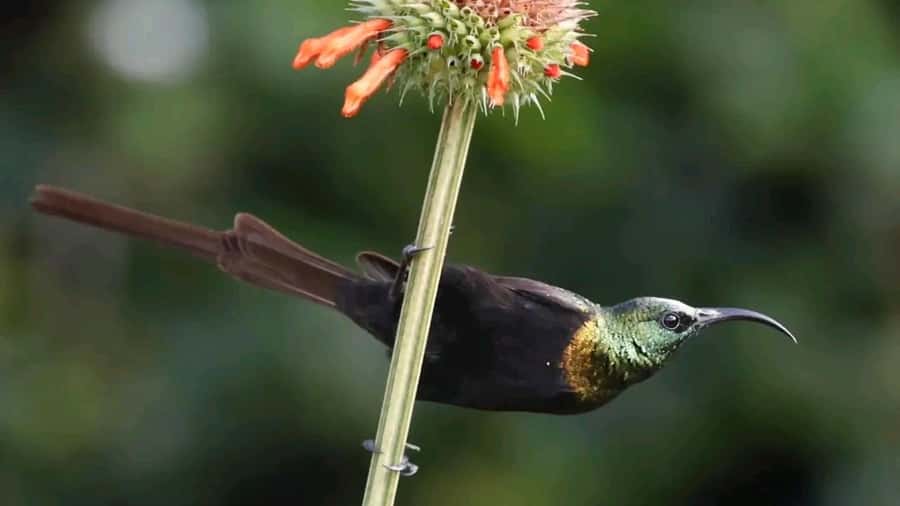
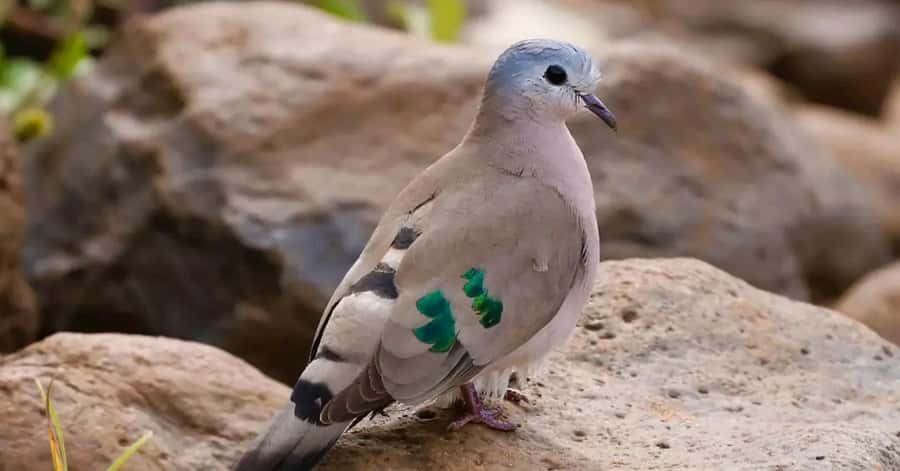
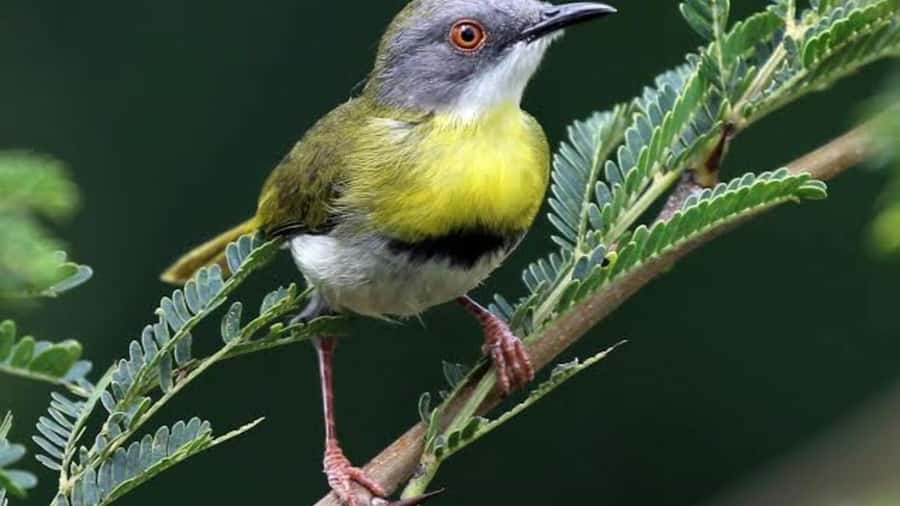
The first habitat is dry forest, where your attention shifts from the broad views of a game drive to branches, shade, and calls. The planned search includes birds from families such as Pycnonotidae, Turdidae, and Columbidae.
You do not need to know these family names before you arrive. They simply show the range of birds your guide will be watching for. In practical terms, this is the part of the outing where a sharp spotter makes a real difference. A small bird can stay hidden in foliage, while a call may be faint enough to miss from a moving vehicle.
Benson has been praised for spotting birds and identifying everything seen during an outing. Diana has also been singled out for hearing distant calls and finding tiny birds while driving. Those skills are valuable in dry forest, where visibility can be broken by trees and birds may reveal themselves before you see them.
Saidi uses bird information sheets, bird calls, and explanations to help identify what you find. That is particularly helpful if you are learning. You can connect the sound to the bird, see the identifying features, and ask questions while the sighting is fresh.
This habitat may not produce the dramatic views associated with a lion sighting. It rewards patience instead. You may spend several minutes working out where a call comes from, then get a brief but satisfying view. If that style of watching appeals to you, the forest section is one of the strongest reasons to choose a specialist birding outing.
Dams and wetlands bring a different bird list
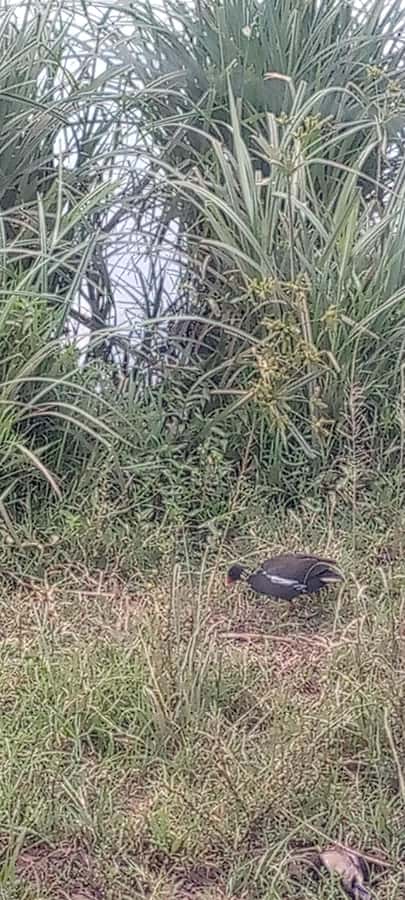
The trip then moves to dams and wetlands, where the bird mix changes. The planned families include Scolopacidae, Anatidae, and Ciconiidae, among others.
Wetland areas are useful because open water and muddy edges can make birds easier to spot than in forest. Waders, ducks, and storks may be spread across the waterline or feeding along the margins. The habitat also gives you a break from scanning dense branches.
Your guide will keep the group moving between locations rather than staying in one place for the full six hours. That variety is important in a park where bird activity can change from one section to the next. It also means you should bring a way to record sightings if you want your own notes in addition to the final list.
The bird list sent after the outing is a practical touch. It helps you remember the names, check which species were new to you, and continue learning after you return home. For a first birdwatching safari, that follow-up can be almost as useful as the time in the field.
Same hide, a different set of birds:
- Cape of Good Hope & Boulder Penguins Full-Day Tour from Cape Town
★ 5.0 · 2,347 reviews - From Melbourne: Penguin Parade, Koalas & Kangaroos
★ 4.5 · 1,932 reviews - Table Mountain, Penguins & Cape Point Small Group Tour Cape Town
★ 4.5 · 1,797 reviews - Cape Town Tour: Table Mountain, Penguins & Cape Point+Pickup
★ 4.7 · 1,671 reviews
Open grassland and the chance of larger wildlife
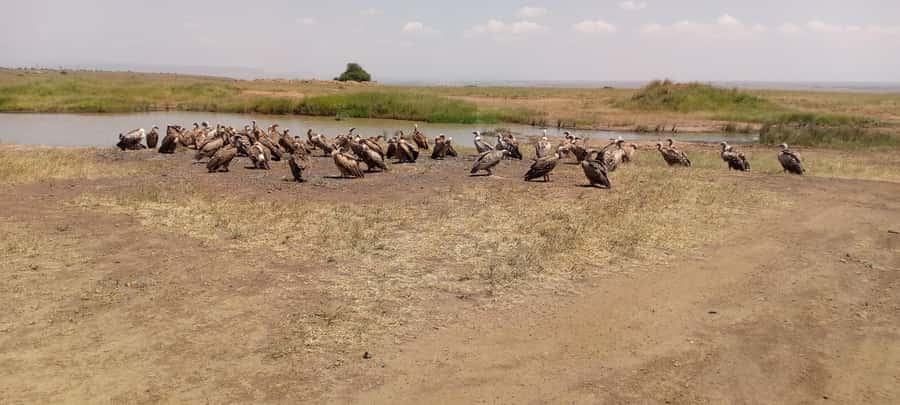
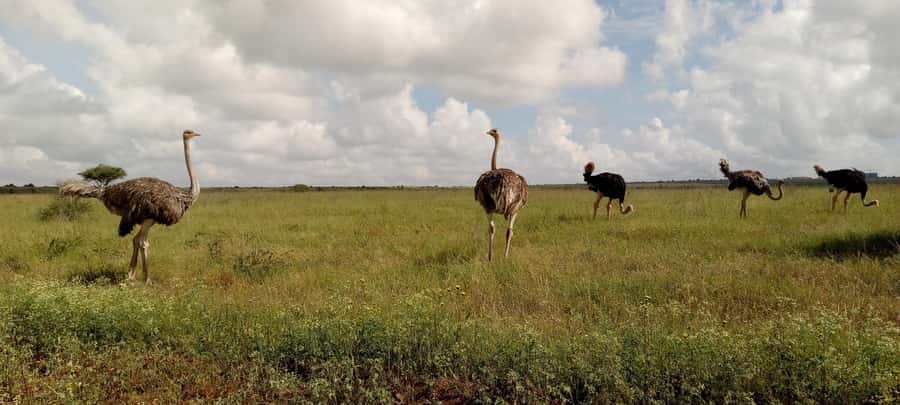
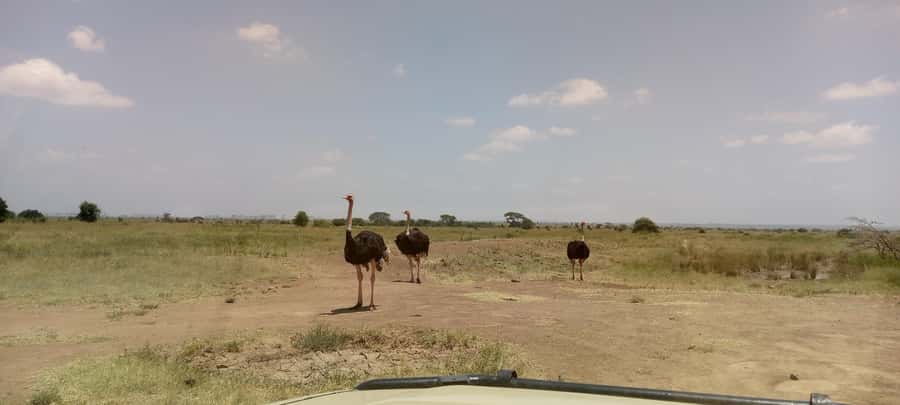
The grassland section gives the outing a wider view and a good chance to add both birds and mammals. The target bird families include Otididae, Struthionidae, Ardeidae, Motacillidae, Laniidae, and Fringillidae.
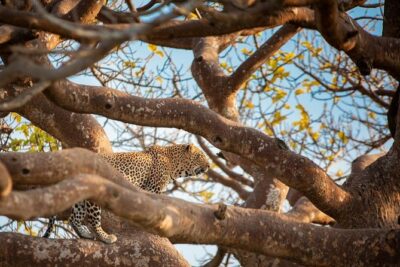
This is where the experience can feel most like a traditional safari. In addition to birds, previous outings have included lions, rhinos, giraffes, zebras, antelope, buffalo, and a cheetah. One outing produced both 67 bird species and 31 lifers, while another reached 108 total bird species and included several major mammals.
The wildlife is a bonus rather than the promise of the tour. The main subject is birds, so you should not book this expecting a guaranteed list of large animals. Still, Nairobi National Park gives you a good chance to enjoy both kinds of viewing in a single morning or day.
Grassland is also a useful place to watch behavior at a distance. Open ground makes it easier to see movement, flight, and interactions than in thicker cover. Your guide can help separate the birds from the general activity, which is useful when the scene includes grazing animals and several kinds of bird at once.
Short walks at picnic points
You will not remain inside the vehicle for all six hours. At designated picnic points, the group can get out, stretch, use the toilet, and look for birds on foot.
This is a modest but important part of the design. Six hours in a safari vehicle can become tiring, especially if you are carrying binoculars or a camera. Short breaks let you reset your attention and give you a different angle on the habitat.
You should follow your guide’s instructions carefully when leaving the vehicle. The supplied details identify designated picnic points, not free walking anywhere in the park. The outing remains a vehicle-based safari with brief stops, not a long hiking trip.
The walking breaks can also suit beginners. A new birder may find it easier to scan slowly while standing still rather than trying to follow a moving bird from a vehicle. Experienced birders will appreciate the chance to listen without engine noise for a short time.
What the guides add to the experience
The guide is the most important part of a birdwatching trip, and the feedback on this team is especially strong. Benson is noted for accurate identification and spotting. Diana is praised for enthusiasm, park knowledge, hearing faint calls, and finding small birds at a distance. Saidi is described as well equipped, able to play bird calls, show identification material, and answer questions.
You should ask for a bird-focused guide when confirming the booking. The experience is provided in English, and the group is private, so you can discuss the pace and ask for more time when a bird is difficult to identify.
A specialist guide also changes the way you see the park. Instead of waiting only for a large animal, you begin to notice movement in grass, a shape on a branch, or a call from somewhere behind the vehicle. That makes the safari more active and often more rewarding for people who enjoy careful observation.
The guide creates a bird list for the day and sends it to you after the session. That is more useful than a quick verbal list, since you can refer to it later and use it to compare your sightings with a field guide.
Cost, group size, and what you still pay
The private tour costs $450 per group of up to seven people. That is not a per-person price, so the value improves considerably when six or seven people share the vehicle. For one or two people, it is a fairly expensive half-day outing, though the private guide, transport, water, and focused six-hour format help explain the cost.
Park entry is not included. Non-residents pay $48 in low season or $60 in high season. Lunch, snacks, and other food are also separate, so you should plan for those costs before departure.
Drinking water is included. You should still bring any snacks you need, especially if you prefer to eat at a particular time. The information provided does not include a lunch stop or a supplied meal.
The tour includes pickup and drop-off, a private guide-driver, and a private safari van. Those inclusions matter because you do not need to arrange separate transport to the park, and you are not sharing the schedule with an unrelated group.
Who will enjoy this bird safari most
I would choose this outing if you want birds to receive real attention rather than serve as background to a standard game drive. It suits experienced birders, photographers who want time to wait for sightings, and curious beginners who would like help learning calls and identification.
It is also a good fit if you are staying in Nairobi and do not have time for a longer safari outside the city. The park setting gives you a chance to see birds and larger wildlife in one day without committing to an overnight trip.
Families and mixed-interest groups may also find the private format useful. Birders can focus on smaller species while others watch for lions, rhinos, giraffes, or zebras. The private setup makes it easier to adjust the pace than on a shared excursion.
This is less suitable if you want a quick, low-cost sightseeing drive or if you dislike spending time looking for small, easily missed animals. Six hours is a serious amount of time for birdwatching. It rewards attention more than passive viewing.
The experience is listed as wheelchair accessible, but the available details do not explain vehicle boarding or the exact conditions at picnic points. If those details matter to you, ask the provider before booking.
Practical things to bring
Bring your passport or ID card, as requested for the outing. Comfortable clothing and shoes are sensible for the vehicle and short walks, though no specific dress code is given.
Binoculars and a camera are not listed as included, so bring your own if you use them. A notebook or phone can help you record quick notes, but the guide’s final bird list will give you the official record of the day.
You should also bring snacks and arrange lunch if needed. Water is supplied, but food is not. Since the outing begins early and lasts six hours in the park, a small personal supply is practical.
The activity allows free cancellation up to 24 hours in advance for a full refund. You can also reserve now and pay later, which gives you some flexibility when your Nairobi plans are still changing.
Should you book this Nairobi birdwatching tour?
Book it if you want a private, bird-first safari with enough time to visit several habitats. The strongest reasons are the six-hour duration, the range of forest, wetland, and grassland areas, the experienced bird spotters, and the species list sent afterward.
The price makes the most sense for a group sharing the $450 cost. Add the non-resident park fee, food, and any Landcruiser upgrade before comparing it with other options.
For serious birders, Diana, Benson, or Saidi can add much more than a standard game-drive guide. For beginners, their use of calls, identification material, and clear explanations can turn a confusing morning into a useful introduction.
If your priority is the Big Five alone, choose a general wildlife safari instead. If you want to see Nairobi National Park through its birds, with larger animals appearing along the way, this is a strong and well-focused choice.
FAQ
How long does the birdwatching experience last?
The birdwatching session lasts six hours inside Nairobi National Park. The schedule also includes pickup and transport from Nairobi.
How much does the private tour cost?
The price is $450 per private group of up to seven people. Nairobi National Park entry fees are separate.
Are park entry fees included?
No. Non-resident park entry costs $48 during low season and $60 during high season.
What type of vehicle is used?
The standard vehicle is a safari van with an open roof. A safari Landcruiser can be requested for an additional $80.
Is food included?
Drinking water is included, but lunch and snacks are not. You should bring or arrange your own food.
What language does the guide speak?
The live guide speaks English.
Will I receive a list of the birds seen?
Yes. The guide creates a bird list for the day and sends it to you after the session.
Can I cancel the booking?
Yes. You can cancel up to 24 hours in advance for a full refund. The activity also offers reserve now and pay later booking.
Newest birding reviews around the world
- Bird Watching Tours in Samarkand★ 3.6 · 3 reviews
- Birdwatching in Guatapé with Around 400 Bird Species★ 5.0 · 2 reviews
- Cocora Valley: Route of the Hummingbirds + breakfast & lunch★ 4.9 · 6 reviews
- Best of Cape Private Tour Cape Point+Penguins+Table Mountain★ 5.0 · 2 reviews
- Barbados: Bird Watching Experience★ 5.0 · 2 reviews
- Birding Medellin with expert bird-watcher (Private)★ 5.0 · 17 reviews
- Big Island: Native Bird Watching & Hiking Tour★ 5.0 · 5 reviews
- Bird Creek: Chugach State Park ATV Nature Tour & Hike★ 5.0 · 2 reviews
Kenya Birdwatching Tours, side by side.
Nairobi park, steamark birds, Girraffe center & bomas
Read our review →
Haller Park Tour observing hippos, giraffes, birds, monkeys, crocs & others
Read our review →
Lake Victoria Boat Ride, Birds Watching and Hippo Watching.
Read our review →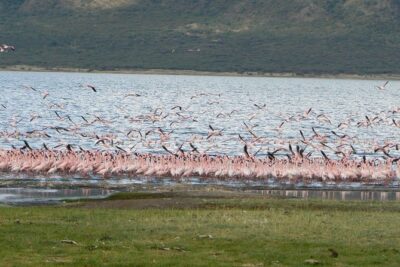
Escape to Lake Bogoria, Flamingo’s new home for an overnight safari
Read our review →Lists this trip turns up in