
REVIEW · INDIA
Munsiari Birding tour
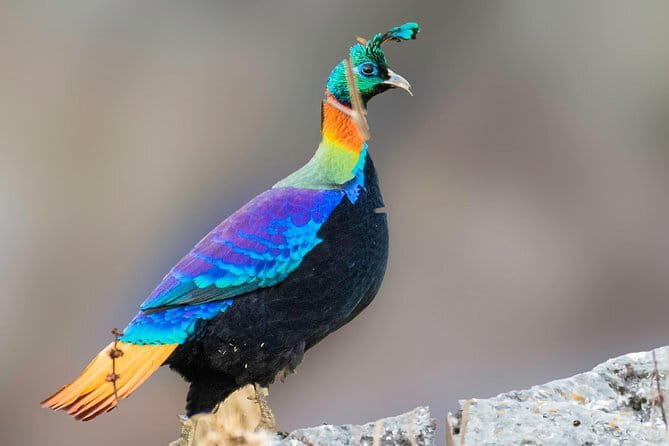
Munsiyari is a serious birding destination, not simply a pretty Himalayan stop. More than 300 species have been recorded here, and this six-day trip targets high-altitude birds such as Satyr Tragopan, Himalayan Monal, Cheer Pheasant, and Koklass Pheasant. You also get long forest sessions, village birding, and time for the views.
I like the careful route planning, from early forest starts to the afternoon stop at Nanda Devi Temple. I also like the personal feel: Sachin Pushkarna is named as the main organizer, and the private format lets your group focus on birds rather than keeping pace with strangers. The drawback is the long road journey from Kathgodam, plus several 5 a.m. starts and one uphill walk to Khaliya Top.
Key points at a glance
- More than 300 recorded bird species: The area is known for Himalayan birds, from pheasants and monals to finches, accentors, and laughing thrushes.
- A focused six-day route: You visit Betuli Dhar, Sarmoli, Khaliya Top, Madkote, Nanda Devi Temple, Betuli Bend, and College Road.
- A long first and final day: The trip begins with an approximately 250-kilometer drive from Kathgodam and ends with the return journey to the same meeting point.
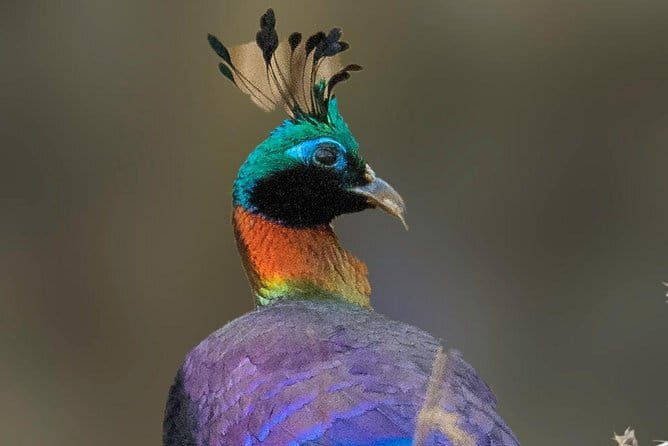
- Strong pheasant targets: The schedule gives special attention to Satyr Tragopan, Monal, Cheer Pheasant, and Koklass Pheasant.
- Private group format: Only your group participates, with group discounts and mobile ticketing available.
- Best for committed birders: Early mornings, changing elevations, forest scanning, and a short trek reward patience more than casual sightseeing.
Why Munsiyari works for a birding trip
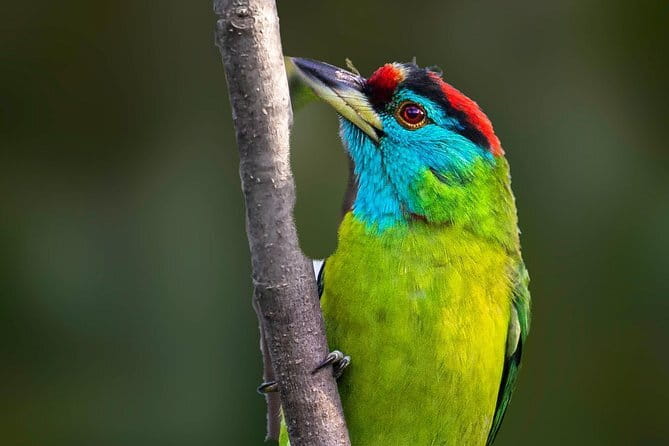
Munsiyari sits in Kumaon, Uttarakhand, close to the higher Himalayan ranges. That position gives the area several bird habitats within driving distance. You can look for high-altitude pheasants in forest, smaller birds near temple grounds and village roads, and lower-elevation species around Madkote.
The appeal is variety rather than one guaranteed sighting. A morning may focus on Monal and Koklass Pheasant, while an afternoon brings finches, goldfinches, accentors, or a Golden Bush Robin. The target list also includes Fire-fronted Serin, Spotted Laughing Thrush, Speckled Wood Pigeon, and several kinds of babbler and warbler.
I like that the program does not treat Munsiyari as one single birding site. You move between Betuli Dhar, Sarmoli, Khaliya Top, Madkote, and other local points. That matters because altitude, vegetation, water, and time of day all affect what you can find.
Still, birding is not a shopping list. Satyr Tragopan and Cheer Pheasant are targets, not promises. Weather, light, forest cover, and bird movement will shape each outing. You should book this with the right mindset: the area is excellent, but every sighting must be earned.
A few more birding trips around India worth a look
- Bharatpur Bird watching & Wildlife from Delhi
★ 5.0 · 18 reviews - Village Bike Tour & Birdwatching
★ 5.0 · 18 reviews - Chennai, Guided Birding And Birding Photo Trip With Spot Scope, 2 to 3 Hours
★ 5.0 · 16 reviews
The road from Kathgodam to Munsiyari
The journey begins early at Kathgodam station, in Haldwani, and covers about 250 kilometers. This is the first major practical point to consider. The route is scenic, but it is a long mountain transfer, so you will spend much of Day 1 on the road.
Breakfast is planned in Almora, with lunch at Chaukori. Birding stops break up the drive. At Kainchi Dham, the focus may include Brown Dipper and Crested Kingfisher. Chaukori is mentioned as a place to look for thrushes, giving you a useful introduction to Kumaon birding before reaching Munsiyari.
There is also a stop at Birthi Falls. The waterfall adds a welcome sightseeing pause, especially after hours in the vehicle. It is not the main birding event, but it gives the first day some variety.
You arrive in Munsiyari late in the day, check into the hotel, and have dinner. Do not expect a leisurely arrival with time for a full evening walk. The schedule is built around getting into position for the next morning.
Day 2: Betuli Dhar and Nanda Devi Temple
Day 2 begins at 5 a.m. You head to Betuli Dhar, at roughly 2,600 meters, to search for Monal, Cheer Pheasant, Koklass Pheasant, and finches. This is one of the most important mornings of the trip because the forest and roadside habitat suit several of the tour’s main targets.
The same area can also produce woodpeckers, tits, warblers, laughing thrushes, and wood pigeons. That mix is useful. If the pheasants stay out of sight, you still have plenty of smaller birds to scan for in the forest.
Birding continues until about 10 a.m., followed by breakfast in Munsiyari and a two-hour rest. I appreciate that pause. Early mountain birding is tiring, and the break keeps the trip from becoming six straight days of exhaustion.
After lunch, you visit Nanda Devi Temple for afternoon birding. The focus shifts to finches, accentors, Fire-fronted Serin, Eastern Goldfinch, and Golden Bush Robin. The change in target birds gives the day a good rhythm. Morning is for forest species; afternoon is for smaller high-altitude birds in a different setting.
Day 3: Sarmoli village and Betuli Bend
Sarmoli village provides a different type of birding. The morning search includes finches, Scimitar Babblers, Wren Babblers, Bar-throated Siva, yuhinas, and thrushes.
Village birding can be more open and varied than dense forest birding. You may get better chances to watch birds moving between trees, fields, and nearby cover, though the schedule does not promise a specific trail or habitat. The Sarmoli stop is especially useful if you enjoy studying mixed flocks instead of chasing only large, famous species.
After breakfast and lunch back in Munsiyari, the afternoon session moves to Betuli Bend. Here, the targets include grosbeaks, Steppe Eagle, and Bearded Vulture. These are very different birds from the morning’s babblers and yuhinas, which keeps the day from feeling repetitive.
The day also shows the broad ambition of the trip. It is not only about pheasants. You get chances at forest songbirds, mountain raptors, and high-country finches across several locations.
Same hide, a different set of birds:
- From Delhi: 5 Day Golden Triangle, Safari, & Bird Sanctuary
★ 4.4 · 15 reviews - Sultanpur The wonder of Birding from Delhi
★ 5.0 · 13 reviews - Kalapathar Sunrise, Birdwatching and Village Tour
★ 5.0 · 9 reviews - Birding & Bird Photography tour in Bangalore
★ 5.0 · 8 reviews
Day 4: The walk to Khaliya Top
Khaliya Top is the trip’s clearest test of fitness. The morning starts with a packed breakfast and an uphill walk of about an hour, aimed mainly at Satyr Tragopan. You need to be comfortable walking uphill while carrying your birding gear.
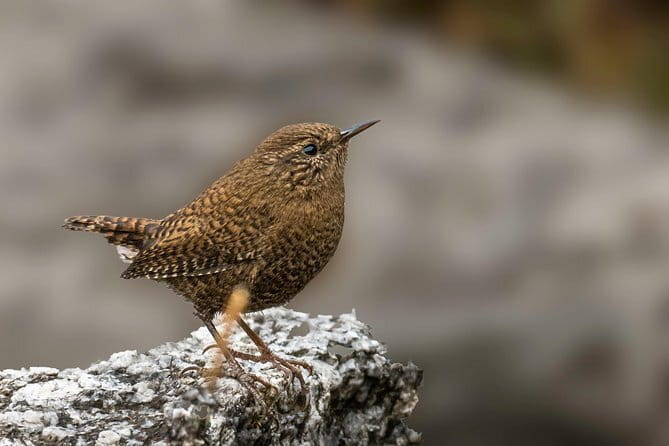
The effort is tied to habitat. The goal is not simply to reach a viewpoint. You are moving closer to the type of forest the tragopan prefers. The surrounding area may also produce Winter Wren, woodpeckers, babblers, Wren Babblers, and Spotted Laughing Thrush.
This is the day where patience matters most. A quiet approach, careful scanning, and time in the right habitat are more useful than rushing upward. If you want a relaxed sightseeing holiday with only occasional birding, this morning may feel demanding.
After returning to Munsiyari for lunch, you head back to Betuli Dhar in the afternoon. That second look at a productive forest area is sensible. Bird activity changes through the day, and a site that was quiet in the morning can offer a different result later.
Day 5: Madkote’s lower-altitude birds
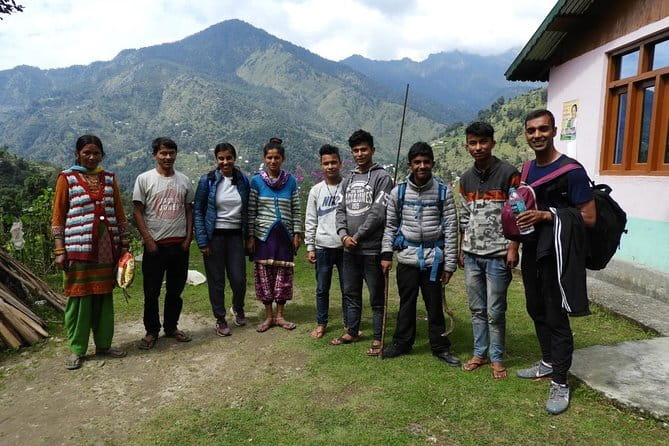
Day 5 begins with birding at Madkote until about 11 a.m. The lower elevation can bring a different set of species, especially during winter. Possible targets include Chestnut-headed Tesia, laughing thrushes, warblers, and Maroon Oriole.
This change in altitude is one of the strongest features of the itinerary. It prevents the trip from becoming a narrow search for only high mountain birds. You get a better sample of the region’s birdlife by moving between higher forest and lower areas near water.
Breakfast and lunch take place back at the resort, followed by an afternoon session on College Road. The purpose is to look for species missed earlier. That flexible final search is useful because it lets the guide respond to what has and has not appeared during the week.
It also makes Day 5 less dramatic than the Khaliya Top morning. That is not a fault. A quieter day with targeted searching can be exactly what you need near the end of a demanding birding schedule.
Day 6: Final photographs and the return to Kathgodam
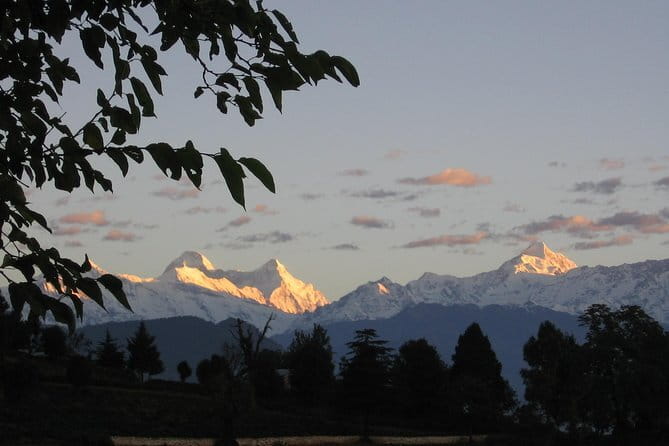
The final morning returns to Nanda Devi Temple. The focus is on more photographs of rosefinches, accentors, serins, and goldfinches. If photography matters to you, this gives you one last chance to improve on hurried earlier sightings.
After breakfast, you begin the journey back to Kathgodam. The stated duration for this final day is about 12 hours, and the activity ends at the original meeting point. The plan is to continue to an overnight train to Delhi, so you should think of this as a full travel day, not a relaxed checkout morning.
The return schedule is practical but tiring. If you have an onward train, confirm the timing before booking and allow room for road delays. The tour information gives the end point as Kathgodam, but it does not provide a detailed train booking or Delhi arrival time.
Guide support and the private format
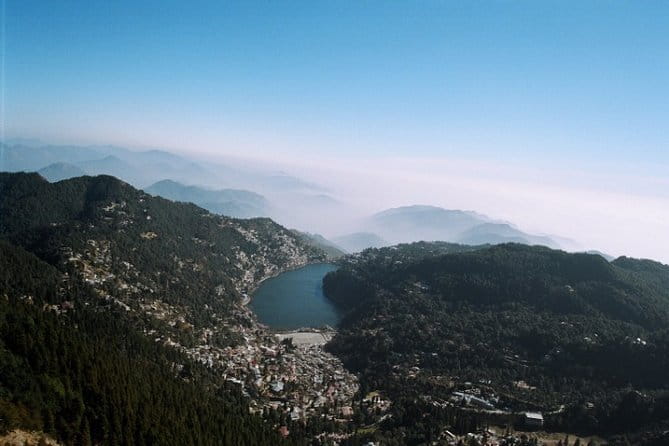
Sachin Pushkarna is closely associated with the arrangements, and the trip is presented as a private activity for your group only. That is valuable for birding. You can spend longer at a sighting, adjust the pace for photography, and avoid waiting for a large mixed-interest group.
The organizer’s past work is described as covering the pick-up and drop-off, vehicles, drivers, and birding arrangements. Personal attention is a repeated theme in the available comments, including praise for detailed planning and a calm, trustworthy approach. One unusual highlight was birding during snowfall, which gives you a sense of the weather conditions that can occur in the hills.
The private format does not mean the trip is luxurious or effortless. You still face early starts, mountain roads, variable weather, and a demanding transfer on the first and final days. Its main benefit is focus, not speed.
Is the $1,800.32 price good value?
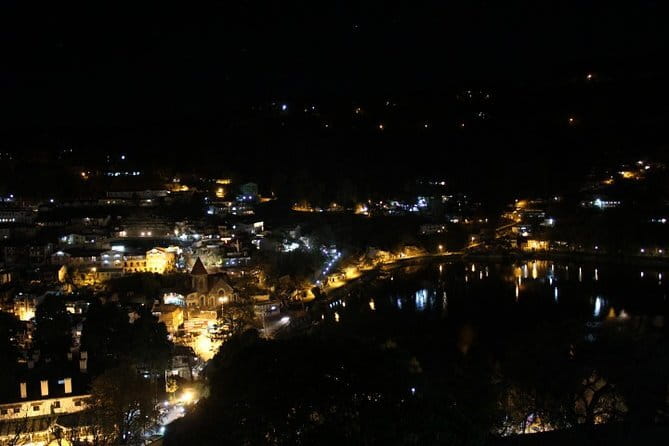
The listed price is $1,800.32 per person for about six days. That is a substantial amount, so value depends on what you want included and how seriously you take birding.
You are paying for a private, organized Himalayan program with a long-distance vehicle route, several local birding excursions, guide support, hotel stays, meals mentioned in the schedule, and coordination from Kathgodam back to Kathgodam. The program also uses local knowledge of Munsiyari’s birding spots, which is important when your targets are shy forest species.
The price makes more sense if you are traveling as a small private group, want help with the logistics, and care about species such as Satyr Tragopan, Monal, and Cheer Pheasant. Group discounts may improve the value if several people book together.
It is less attractive if you mainly want mountain scenery, a casual wildlife outing, or a flexible holiday with late mornings. The price does not guarantee rare sightings, and the supplied information does not spell out every inclusion, such as the exact hotel standard or whether all meals are covered. Ask for those details before paying.
Comfort, timing, and what to pack
The schedule is early and active. A 5 a.m. start appears on more than one day, and Khaliya Top includes about an hour of uphill walking. You should be ready for cool mountain conditions, uneven ground, and long periods of standing quietly with binoculars or a camera.
Pack warm layers, sturdy walking shoes, binoculars, spare batteries, and protection for camera equipment. The information confirms that snow and poor weather can occur, but it does not specify a detailed equipment list, so ask the operator about the season of your departure.
The tour is described as suitable for most participants, but that should not be confused with effortless access. Most people may manage the program, yet the early starts, road hours, altitude, and Khaliya Top walk will suit active birders best.
Mobile tickets are available, and confirmation is provided at booking. The meeting point is Kathgodam, Haldwani, Uttarakhand 263126, with the activity returning there at the end.
Cancellation and weather rules
You can receive a full refund if you cancel at least six full days before the start time. Cancellation two to six full days ahead brings a 50 percent refund, while cancellation less than two full days before departure is nonrefundable.
The cut-off follows local time. Changes are not accepted inside the stated deadlines. The experience also requires suitable weather and a minimum number of participants. If poor weather or low enrollment causes cancellation, you are offered another date or experience, or a full refund.
Who should book this Munsiyari tour?
I would choose this trip if you want a focused Himalayan birding week, especially if pheasants and high-altitude species are high on your list. It also suits photographers who value repeated chances at the same sites and private groups that want their own pace.
I would hesitate if you dislike long road journeys, early mornings, or uncertain wildlife sightings. The program is not built around leisurely village tourism, even though Sarmoli, Birthi Falls, and Munsiyari itself add cultural and scenic interest.
The strongest reason to book is the combination of local coverage and target species. The strongest reason to pause is the cost, paired with the physical and time demands. Ask for current dates, accommodation details, meal inclusions, group size, and transport specifications before making the final decision.
FAQ
Where does the Munsiyari birding tour start?
The tour starts at Kathgodam railway station in Haldwani, Uttarakhand, at the meeting point listed as Kathgodam, Haldwani, Uttarakhand 263126, India.
Where does the tour end?
The activity ends back at the Kathgodam meeting point. The final day includes the return journey from Munsiyari and is listed as lasting about 12 hours.
How long is the tour?
The program lasts approximately six days and includes five nights.
What birds does the tour target?
Main targets include Satyr Tragopan, Himalayan Monal, Cheer Pheasant, Koklass Pheasant, Speckled Wood Pigeon, finches, Spotted Laughing Thrush, Golden Bush Robin, and Fire-fronted Serin. Other possible birds include accentors, yuhinas, warblers, woodpeckers, babblers, Steppe Eagle, and Bearded Vulture.
Is the tour private?
Yes. It is a private activity, so only your group participates.
How much does the experience cost?
The listed price is $1,800.32 per person. Group discounts are available.
Is a trek included?
Yes. The trip includes an uphill walk of about one hour toward Khaliya Top, mainly to search for Satyr Tragopan.
Does the tour require early starts?
Yes. Day 2 begins at 5 a.m., and other mornings also start early for birding.
What happens if weather cancels the tour?
If poor weather causes cancellation, you are offered a different date or experience, or a full refund. A minimum number of participants is also required for the experience to operate.
Newest birding reviews around India
- Bird Sanctuary, Bharatpur & Taj Mahal, Agra Day Tour from Delhi★ 4.5 · 4 reviews
- Sultanpur Birding Escapade★ 5.0 · 2 reviews
- Sultanpur Bird Sanctuary Tour Near Delhi★ 5.0 · 3 reviews
- 2 Days Agra Tour From Delhi with Fatehpur Sikri & bird Sanctuary★ 5.0 · 2 reviews
- Bharatpur Birding adventure from Delhi★ 5.0 · 2 reviews
- Bird Watching at Nandur Madhyameshwar Wildlife Sanctuary Nashik★ 5.0 · 2 reviews
- Thattekad Guided Bird Walk.★ 5.0 · 5 reviews
- Village Walking Tour and Bird Watching★ 5.0 · 5 reviews
India Birdwatching Tours, side by side.
Chennai, Guided Birding And Birding Photo Trip With Spot Scope, 2 to 3 Hours
Read our review →
5 Day Golden Triangle, Safari, & Bird Sanctuary
Read our review →
Kalapathar Sunrise, Birdwatching and Village Tour
Read our review →

7 Day Golden Triangle Tour with Wildlife-Taj Mahal Tigers & Birds
Read our review →Lists this trip turns up in