
REVIEW · NORWAY
Skjervøy: Birds and Wildlife of Arctic Norway
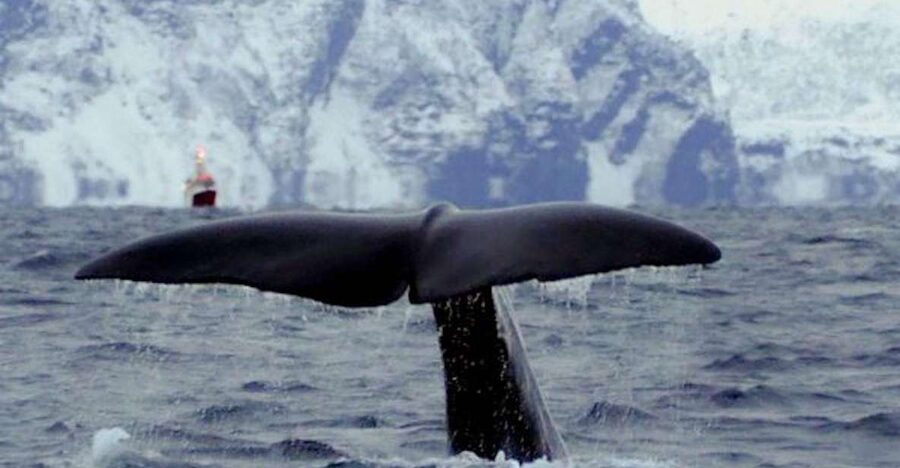
The best part of this Skjervøy outing is the chance to see Arctic wildlife in its own setting, not behind glass or on a fixed display. Your RIB moves through fjords where dolphins, porpoises, seabirds, eagles, seals and, at times, whales may appear. The wildlife is never guaranteed, but that uncertainty is part of the experience.
I like two things here. First, it is run by a local company, with a guide who can add Sami and Norwegian stories to the views. Second, the operator holds a Varde-quality certificate for whale watching, a Norwegian quality mark connected with safety and standards. The main drawback is simple: wildlife follows its own schedule, and the trip can be quiet on a day when weather or animals do not cooperate.
Key points to know
- White-beaked dolphins and harbor porpoises are common in the area throughout the year.
- Whales are seasonal and unpredictable, with more regular winter activity ending around late January.
- Spring and summer bring the broadest bird activity, including puffins, guillemots, razorbills and Arctic terns.
- Thermal suits, life jackets, mittens and goggles are supplied, but you still need warm clothing.
- The three-hour trip leaves from Skjervøy, not Tromsø, and transport to and from Tromsø is not included.
- A steady RIB and certified whale-watching operation make this a practical choice for a short, active wildlife outing.
Setting out from Skjervøy at 09:30
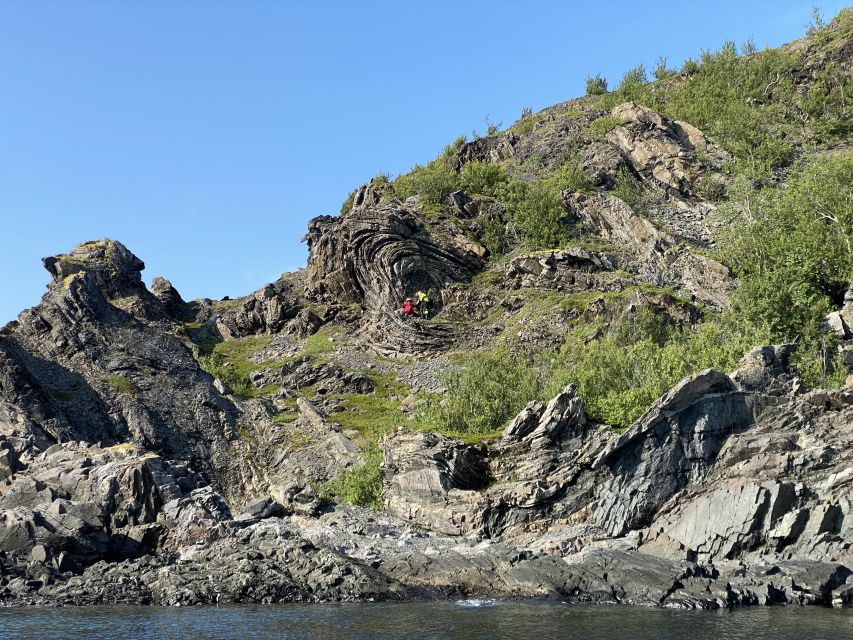
This is a compact three-hour cruise, scheduled from 09:30 to 12:30. You meet at the local activity provider’s base, identified by a red door, large windows and the company name. The trip returns to the same meeting point, so you do not need to arrange a separate pickup at the end.
The timing matters if you are building a day around it. You will be on the water in the morning, with the rest of the day free for another activity or for enjoying Skjervøy. But you must get to Skjervøy yourself. Transport back and forth from Tromsø is not part of the $165 price, so check your wider transport plan before booking.
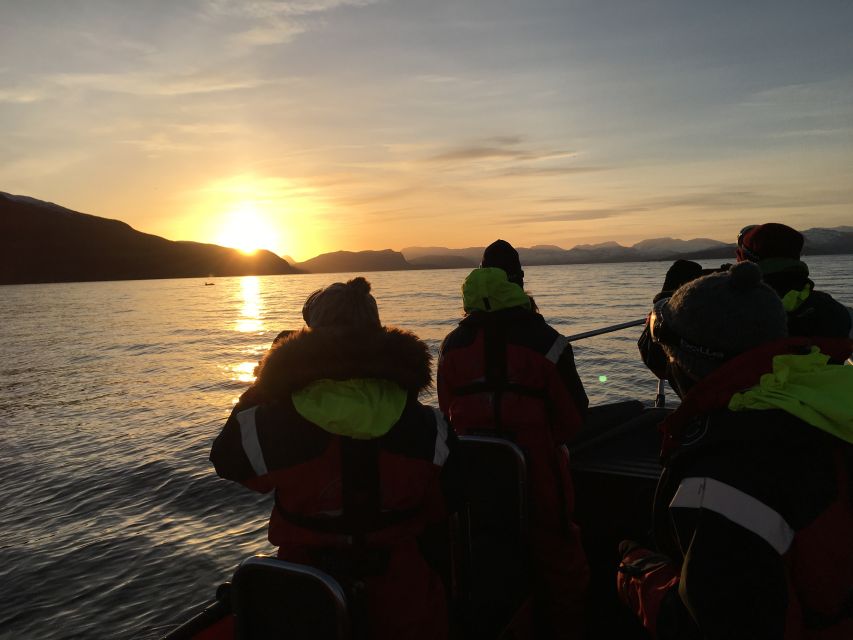
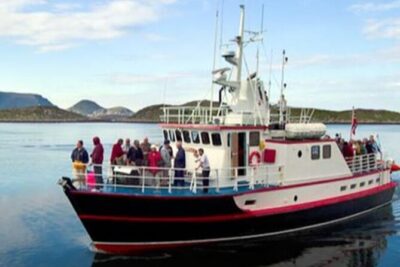
The company, Explore 70 Degrees, uses a RIB for the outing. This type of boat keeps the trip close to the water and gives you a more direct view than a large sightseeing vessel. It also means you should expect some exposure to wind, spray and movement, even with the supplied protective equipment.
A few more birding trips around the world worth a look
- Penguin Parade, & Wildlife Encounters Eco Tour from Melbourne
★ 5.0 · 3,774 reviews - Cape Town: Cape of Good Hope & Penguins Day Tour with Pickup
★ 4.7 · 3,362 reviews - Cape Point and Boulder’s Penguins Full Day Tour
★ 5.0 · 3,118 reviews
What the safety gear means in Arctic weather
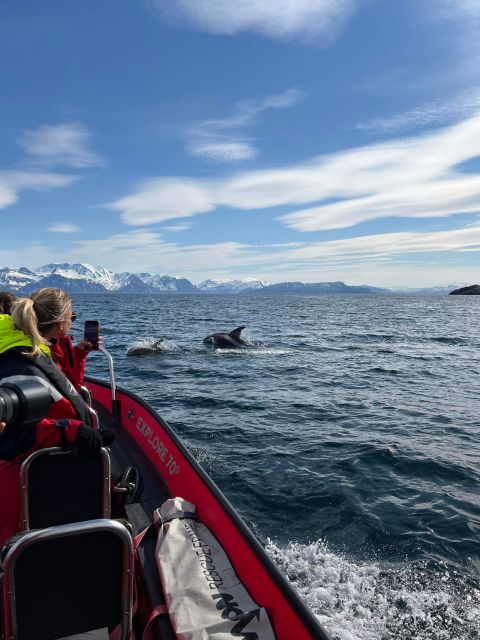
The operator provides thermal suits, life jackets, mittens and goggles. That is a useful package for a Norwegian fjord cruise, especially when cold air and boat speed make conditions feel sharper than they do on shore.
You should still wear warm clothing underneath. The supplied suit helps with wind and cold, but it does not turn the boat into a heated cabin. Warm layers, sensible socks and clothing you do not mind wearing outdoors are the right approach.
The Varde-quality certificate for whale watching is another reassuring detail. It signals that the operation meets Norwegian quality expectations for this type of activity. You still need to follow the guide’s instructions, stay sober and remain aware of the conditions around you. Alcohol and drugs are not allowed.
The activity is listed as wheelchair accessible, but it is not suitable for people with back problems. Those two details should be considered together. Accessibility can depend on the practical demands of getting into and sitting in a RIB, while the boat’s movement may be uncomfortable for anyone with a sensitive back. Ask the operator for specific boarding advice before you commit.
Searching the fjords for dolphins and porpoises
The main wildlife search centers on the water around Skjervøy. White-beaked dolphins and harbor porpoises are described as common in the area year-round, making them the most realistic animals to hope for on a standard departure.
White-beaked dolphins are lively, social animals, and a sighting can change the mood of the whole boat in seconds. Harbor porpoises are smaller and can be less showy, so you need to keep your eyes moving and listen for guidance from the person leading the trip.
The RIB helps here because your viewpoint is low and open. You can scan the surface in several directions, rather than looking through a window or over a high rail. On the other hand, an open boat requires patience. You may spend part of the outing simply watching empty water, distant shorelines and changing weather.
That is worth understanding before you pay $165. You are paying for access to a good wildlife area, a local crew, safety equipment and three hours on the fjord. You are not buying a guaranteed dolphin or whale sighting. Nature does not run on a timetable.
Seals, otters and the chance of a whale
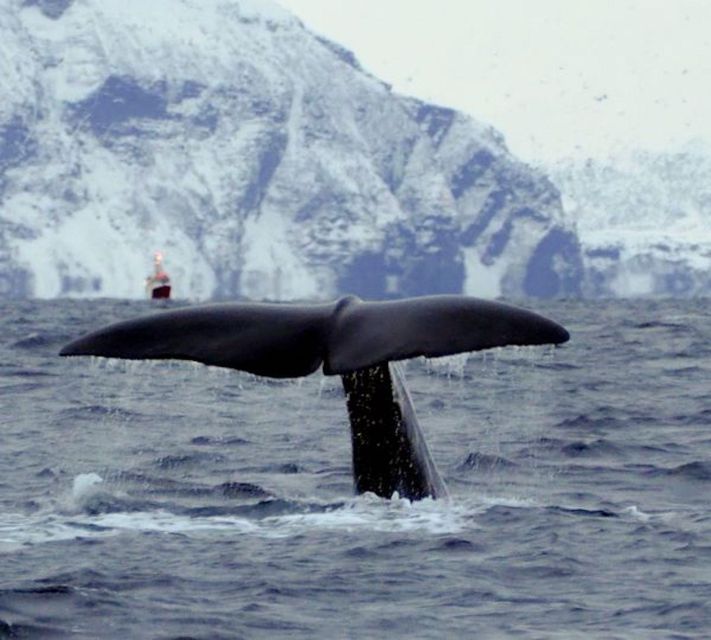
The crew also watches for seals and otters. These animals are less predictable, but they add variety to the search. The guide may also look toward land for moose and reindeer, which are commonly seen in the wider area.
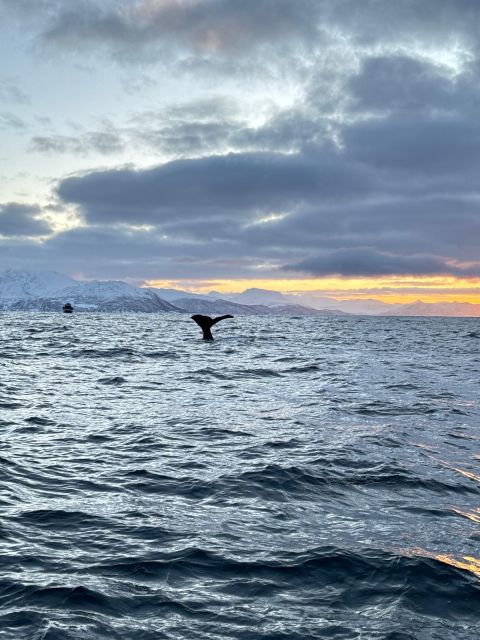
Whale sightings change with the season. The winter whales finish their feeding activity in the fjords around Skjervøy toward the end of January. After that, whales and other cetaceans can still appear from time to time, including young humpback whales and animals passing through the fjord system.
That seasonal note is important. If whale watching is your main reason for booking, check the date carefully and keep your expectations flexible. The trip is broader than a dedicated winter whale chase. It is a general wildlife outing, with dolphins, porpoises, birds, land animals and occasional whales all part of the possible mix.
A four-out-of-five rating from one piece of feedback praised the boat trip and the journey to Skjervøy, but also pointed out the hard truth of this activity: luck and weather matter. On that outing, the boat found a narrow window between two snow showers, yet the wildlife did not appear. That is a useful warning, not a flaw in the operator. You can have fine conditions and still see no major animals.
Same hide, a different set of birds:
- Cape of Good Hope & Boulder Penguins Full-Day Tour from Cape Town
★ 5.0 · 2,347 reviews - From Melbourne: Penguin Parade, Koalas & Kangaroos
★ 4.5 · 1,932 reviews - Table Mountain, Penguins & Cape Point Small Group Tour Cape Town
★ 4.5 · 1,797 reviews - Cape Town Tour: Table Mountain, Penguins & Cape Point+Pickup
★ 4.7 · 1,671 reviews
Eagles, seabirds and the best season for birdlife
Birdwatching gives this cruise a second focus. Eagles and cormorants are among the more dramatic species to watch, particularly when they take flight over the water or settle along the rocky shore.
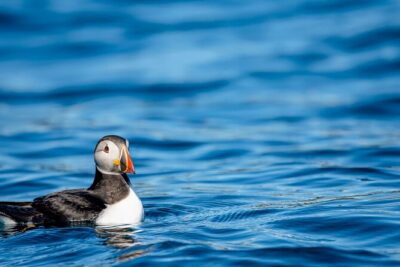
The possible list is broad. You might see puffins, guillemots, razorbills, little auks, Arctic terns, eider ducks and long-tailed ducks. The activity notes that spring and summer bring especially impressive birdlife, so those seasons may suit you best if birds are your priority.
Puffins and auks are a particular draw for many people, but the experience is not built around one guaranteed colony or viewing point. You are cruising through the fjord system and watching for movement across the water, on the rocks and in the air. That makes the outing varied, though it also means sightings can be brief or distant.
A pair of binoculars could be useful if you have room to bring them, but the supplied equipment list does not include binoculars. The operator does provide goggles, which are more about protection from wind and spray than birdwatching. Keep your eyes open even when the boat slows. A quiet patch of water may be as interesting as a dramatic flight overhead.
Stories of Sami and Norwegian life
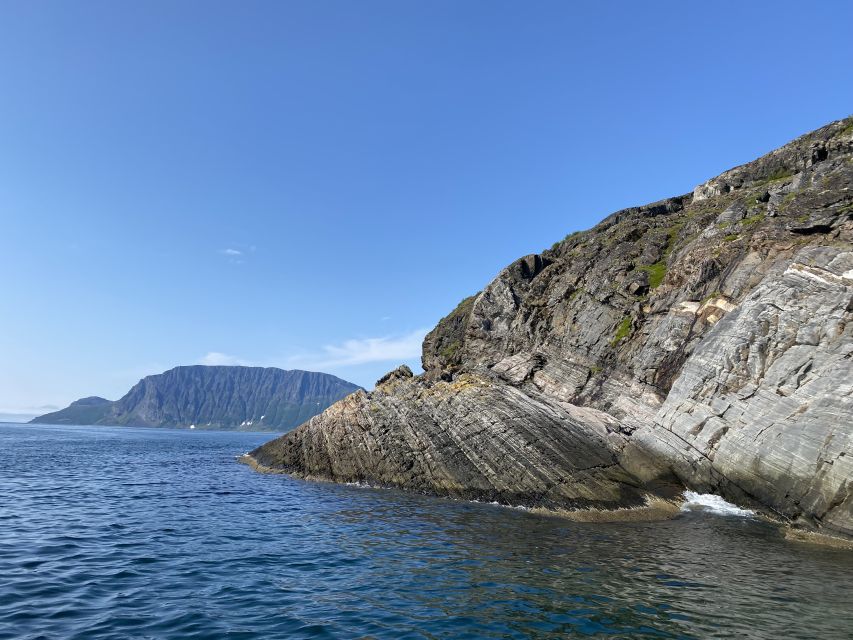
This cruise is not only about spotting animals. The local guide also introduces the area through Sami and Norwegian culture and history. That adds a human layer to the fjord views and helps explain how generations of people have lived around these waters.
The company places value on storytelling and on personal attention from its staff. Since no individual guide names are provided, you should expect a local English-speaking guide rather than a named specialist assigned in advance. The guide’s role is to keep the outing safe, help you search for animals and connect the sea with the people who have used it over time.
This cultural element is especially useful if you are seeing the region for the first time. Wildlife can make a short trip memorable, but local stories give the scenery more meaning. You are not simply passing cliffs and islands. You are hearing about a place shaped by Sami and Norwegian communities, fishing, travel and changing seasons.
The experience is conducted in English. The guide is described as educated and professional, with English and Norwegian language skills. If you want a detailed specialist lecture on a particular bird or a long historical talk, this may not be that kind of tour. The storytelling is woven into an active boat trip.
How the $165 price measures up
At $165 per person, this is not a cheap way to spend a morning. The value depends on what you want from your Arctic visit.
The price includes a three-hour guided RIB cruise, thermal protection, a life jacket, mittens and goggles. You also receive local guiding and the benefit of a company that has Norwegian Varde quality certification for whale watching. Those inclusions matter in Skjervøy, where hiring suitable cold-weather equipment separately would be inconvenient.
The price does not include food, drinks or transport to and from Tromsø. If you are staying in Tromsø and hoping for a simple hotel pickup, budget extra time and money for reaching Skjervøy. The trip is better value if you are already based in Skjervøy or have independent transport arranged.
I would consider it good value for someone who wants a small, active wildlife outing and accepts that sightings are never promised. I would be more cautious if your only goal is to see whales. In that case, the season, recent wildlife conditions and the operator’s advice should guide your decision more than the advertised animal list.
Who will enjoy this three-hour cruise
This suits adults, older children and anyone who likes being outdoors in changing weather. Children under six cannot join, and the operator specifically excludes people with back problems.
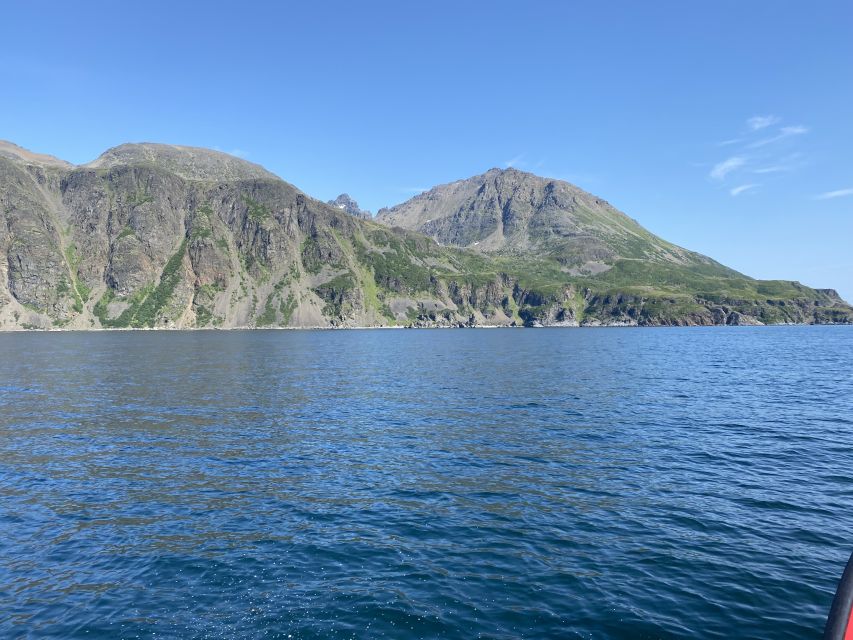
You will probably enjoy it most if you can stay patient during quiet stretches. The trip may give you dolphins, porpoises, birds and an eagle in quick succession, or it may offer a more peaceful morning of fjord scenery and searching. Both outcomes are possible.
The short duration is a strength. Three hours is long enough to reach good viewing areas without taking over your entire day. It is also short enough for people who want a taste of Arctic wildlife rather than a full-day expedition.
The RIB makes this a more active choice than a large, sheltered sightseeing boat. If you dislike cold, wind or boat movement, think carefully before booking. If you like fresh air, open views and the chance of a sudden animal sighting, the format should suit you.
Weather, luck and the right expectations
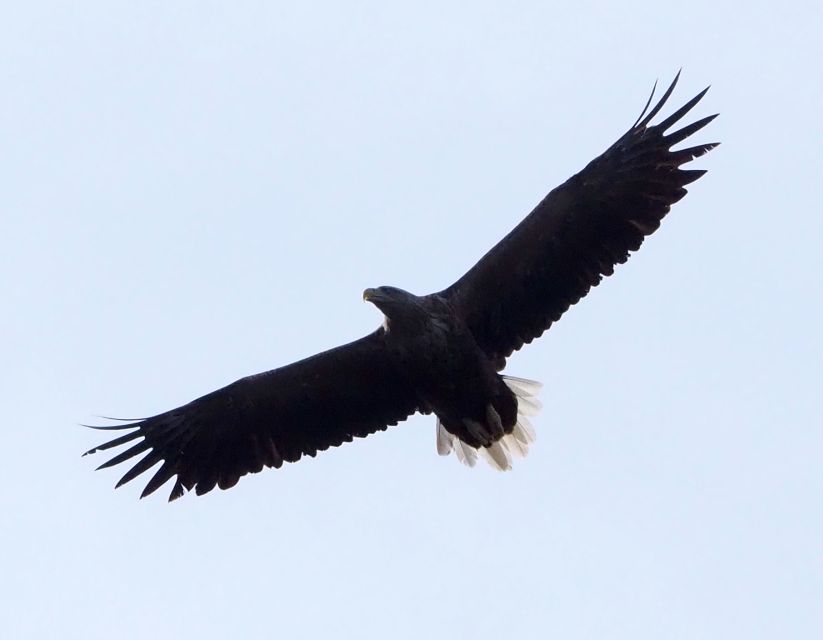
Weather affects every part of this outing. Snow showers, wind and visibility can change quickly in Arctic Norway. One outing found a fortunate break between two snow showers, but that did not lead to a wildlife sighting.
That combination is a good way to think about the trip. You need both workable conditions and cooperative animals. A guide can search sensible areas, read the water and keep you safe, but no operator can control where a dolphin surfaces or when a whale passes through.
Bring warm clothing and prepare for a morning that may feel more like an outdoor expedition than a casual boat ride. If conditions are poor, the view can still be striking, but the wildlife search may be harder and less comfortable.
The company offers free cancellation up to 24 hours before departure, with a full refund under that policy. You can also reserve now and pay later, which helps if your wider Arctic plans are still shifting.
My call on Explore 70 Degrees
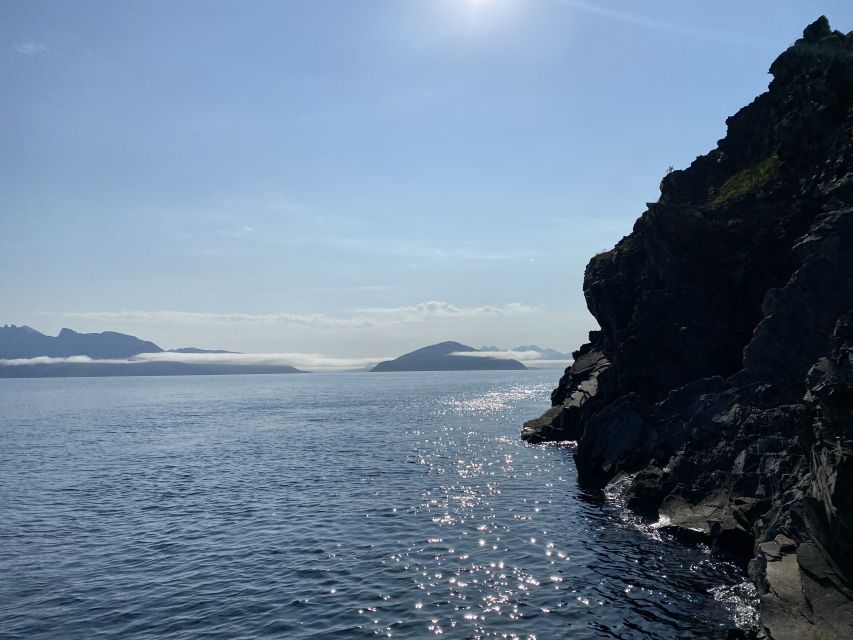
I would book this trip if you are already in Skjervøy, want a concise wildlife outing and enjoy the idea of looking for several types of animals rather than chasing one guaranteed sighting. The local stories, certified whale-watching standards and supplied cold-weather gear add real value.
I would pause if you are coming from Tromsø solely for a certain whale encounter. Transport is not included, the wildlife is seasonal and even good weather may produce no major sighting.
For the best chance of a rewarding morning, choose a time of year that matches your interests. Spring and summer favor birdlife. Winter offers stronger whale interest, while dolphins and harbor porpoises may be seen throughout the year. Book it as a genuine search through Arctic waters, not as a promise from nature, and the experience makes sense.
FAQ
Where does the Skjervøy wildlife cruise start?
Meet at the activity provider’s location in Skjervøy. Look for the red door, large windows and the provider’s name. The trip ends back at the same meeting point.
How long does the activity last?
The cruise lasts three hours, from 09:30 to 12:30.
What animals might I see?
You might see white-beaked dolphins, harbor porpoises, seals, otters, whales, moose, reindeer, eagles, cormorants, puffins, guillemots, razorbills, little auks, Arctic terns, eider ducks and long-tailed ducks.
Are whales guaranteed?
No. Whale sightings vary by season and conditions. Winter whale activity around Skjervøy ends around late January, though whales and other cetaceans may still pass through the fjords afterward.
What is included in the price?
The price includes the RIB trip, thermal suits, life jackets, mittens, goggles and an educated local guide who speaks English and Norwegian.
Is transport from Tromsø included?
No. Transport back and forth to Tromsø is not included.
What should I bring?
Bring warm clothing. The operator supplies thermal suits, life jackets, mittens and goggles.
Is the activity suitable for children?
Children under six are not permitted to join.
Can I cancel the booking?
You can cancel up to 24 hours in advance for a full refund. Reserve now and pay later is also available.
Newest birding reviews around the world
- Walvis Bay Shore Excursion: Flamingos, Dune 7, Swakopmund★ 5.0 · 3 reviews
- Vila Franca do Campo: Marine Life & Bird Watching & Islet Tour★ 4.4 · 9 reviews
- York: Entry to York bird of prey centre★ 5.0 · 7 reviews
- VIP falconry taster session★ 5.0 · 2 reviews
- Ushuaia: Gable Island and Penguin Colony with Lunch★ 4.8 · 2 reviews
- Vestmannaeyjar: Puffin, Island, and Volcano Boat Tour★ 4.4 · 7 reviews
- Visit to Madeira Bird Island★ 4.6 · 22 reviews
- USHUAIA | Navigation: Sea Lions, Birds and Lighthouse★ 3.3 · 4 reviews
Norway Birdwatching Tours, side by side.
Bleik: Whale Watching by Speedboat with Puffins and Muffins
Read our review →
Whale safari with Puffins and Muffins (Andøy, Vesterålen)
Read our review →Lists this trip turns up in