
REVIEW · AUSTRALIA
From Adelaide: Ultimate SA Birding & Nature Discovery Tour
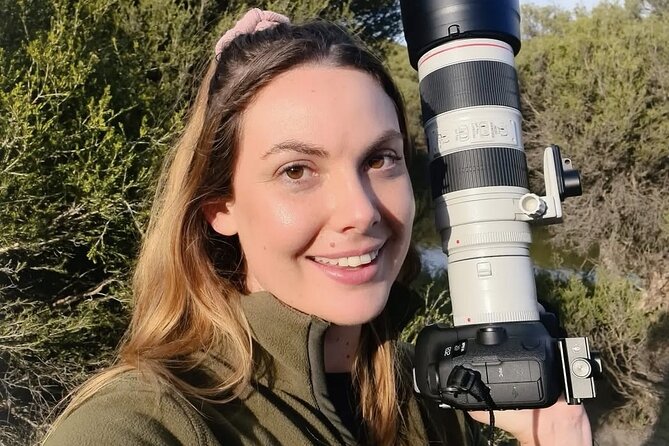
The best part of this full-day outing is that it treats bird photography as a skill you can learn in the field, not a hunt for one lucky snapshot. Amanda Vallance of Avian Adventures Australia guides you from Adelaide through wetlands, coastal habitats, Granite Island, and the Murray Mouth, giving practical help as birds move, fly, and disappear.
I like the small maximum group of 11, which gives Amanda room to help with individual cameras. I also like the clear progression from camera basics to focus tracking, composition, lighting, and image review. The main drawback is the long 10-hour day, with several short stops and a fair amount of time in the vehicle.
Key points to know before booking
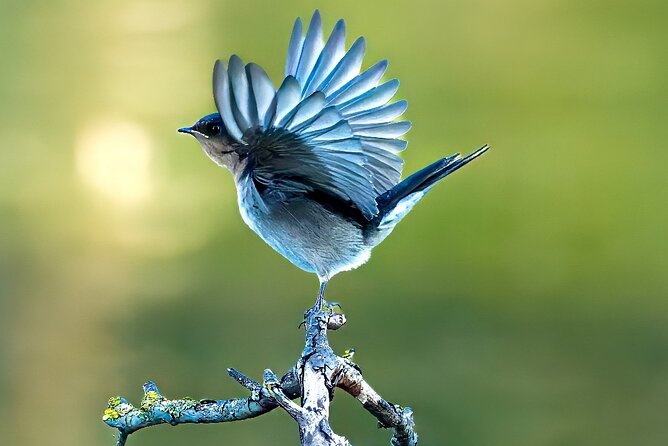
- Amanda Vallance leads the photography coaching: You get help with camera modes, exposure, focus, lighting, composition, fieldcraft, and ethical practice.
- The route covers several bird habitats: You visit Laratinga Wetlands, Mount Compass Wetlands, Victor Harbor, Granite Island, and the Murray Mouth.
- The group is capped at 11 people: That matters when you need personal advice with an older or unfamiliar camera.
- You photograph in changing conditions: Morning reflections, moving seabirds, rugged coastal rocks, and late-day light all call for different settings.
- The tour includes practical extras: An air-conditioned vehicle, water, binoculars, and a birdwatching guide or ornithological guide are provided.
- The day begins early and ends around 5:30 pm: Start time is 7:30 am, and a moderate level of fitness is needed.
Why this Adelaide birding day is different
Many nature outings take you to a scenic place, point out a few animals, and send you home with a camera full of hopeful guesses. This one puts photography at the center. You are not simply asked to follow a guide and watch for birds. Amanda explains how to set up your camera, choose a focus mode, track movement, handle changing light, and compose a frame before you press the shutter.
That approach suits a wide range of ability levels. If you are new to bird photography, you can work through camera modes and exposure basics without needing to know the technical language in advance. If you already shoot wildlife, you can ask for help with tracking, anticipation, lighting, or image selection.
The personal element is important. Feedback about Amanda consistently highlights her patience, her ability to explain settings on older cameras, and her skill at scanning the bush for birds. That makes this more useful than a standard sightseeing bus tour, especially if your camera has been sitting in a cupboard because its controls feel confusing.
The route also gives you variety. Wetlands reward patience and careful framing. Victor Harbor brings birds in motion and open sea views. Granite Island adds a short walk over the historic causeway and around rugged rock formations. The Murray Mouth provides a final chance to work with softer late-day light.
A few more birding trips around Australia worth a look
- Penguin Parade, & Wildlife Encounters Eco Tour from Melbourne
★ 5.0 · 3,774 reviews - From Melbourne: Penguin Parade, Koalas & Kangaroos
★ 4.5 · 1,932 reviews - From Melbourne: Phillip Island Penguin Parade & Koalas Tour
★ 4.7 · 1,408 reviews
A 7:30 am start through the Mount Lofty Ranges
You meet in Adelaide’s CBD at 7:30 am and travel in an air-conditioned vehicle toward the Mount Lofty Ranges. The drive is part of the lesson. Amanda uses the journey to introduce camera modes, exposure, and the kinds of conditions you will face during the day.
This opening is useful because it lets you sort out basic questions before you reach the first birds. You can think about shutter speed, aperture, and focus before the morning action begins. The supplied binoculars also give you a way to scan the area before lifting your camera.
The vehicle makes the day easier than managing several regional stops on your own. You can keep your equipment with you, move between habitats without worrying about directions, and use driving time to rest or ask questions. The trade-off is simple: this is a long day, not a gentle half-day outing.
Laratinga Wetlands: reflections and morning activity
The first major stop is Laratinga Wetlands, where you spend about 1 hour and 30 minutes among ponds and wetland vegetation. The morning light is the star here. Calm water can reflect birds and surrounding shapes, while softer early light gives you a more forgiving setting for exposure and color.
Amanda works with composition at this stop. You learn to consider where the bird sits in the frame, how much room to leave in front of a moving subject, and how reflections can add interest rather than simply filling empty space. This is a strong place to begin because the setting gives you time to watch before trying to photograph.
The main lesson is patience. Birds do not pose on command, so you need to observe their movement and prepare before the moment arrives. The wetland also gives beginners a manageable introduction to wildlife photography, since you can practice on birds at rest before dealing with fast-moving seabirds later.
Bring comfortable clothing and be ready to spend time standing or walking. Admission is included, and binoculars are supplied, so you can switch between watching and photographing without relying only on your camera’s lens.
Mount Compass Wetlands: learning to follow movement
After Laratinga, you travel about 40 minutes south through farmland and low wetlands toward Mount Compass. The drive offers a change of scenery and a chance to look for raptors overhead. Amanda turns the focus toward movement, tracking, and anticipation.
This is where photography becomes less about a perfect setting and more about preparation. A bird in flight may be visible for only a few seconds. You need to choose a focus mode, keep the subject in the frame, and respond quickly when it changes direction. Amanda explains how to follow movement and how to anticipate what a bird may do next.
You spend about 1 hour and 30 minutes here. That gives you enough time to try a technique, review the result, and adjust. Personal feedback matters most at this point. A small change in focus selection or shutter speed can make a real difference, and Amanda can help you understand why an image worked or missed.
The setting is less predictable than a pond with still reflections. That is part of its value, but it can also frustrate beginners. You may come away with some imperfect frames. Treat those as practice rather than failure, since the goal is to build a repeatable method for photographing movement.
Same hide, a different set of birds:
- From Melbourne: Phillip Island Penguin Parade Eco Tour
★ 4.8 · 1,211 reviews - From Melbourne: Puffing Billy and Penguin Parade Combo Tour
★ 4.5 · 1,184 reviews - Penguin Parade: General Viewing Ticket
★ 4.2 · 1,069 reviews - Phillip Island Penguins & Wildlife Day Tour from Melbourne
★ 5.0 · 867 reviews
Port Elliot Bakery: a useful break, not just lunch
The stop at Port Elliot Bakery lasts about 1 hour and 15 minutes. The bakery is known for pies and vanilla slices, giving the day a distinctly South Australian pause between inland wetlands and the coast.
This is also the point where you review your morning photographs with Amanda. That makes the break more than a meal stop. You can look at what worked, identify problems with focus or exposure, and carry those lessons into the afternoon.
There is conflicting information about lunch in the supplied details. One section says lunch and a bottle of water are provided, while another says lunch is not included. I would confirm the lunch arrangement before booking, and I would still carry some personal snacks in case you prefer something specific.
The relaxed pace here is welcome. Ten hours of concentrating on small moving subjects can be tiring, and a sit-down break helps you reset before the coastal section. It also gives you a chance to compare morning conditions with what you may face by the sea.
Victor Harbor: gulls, terns, and open coastal views
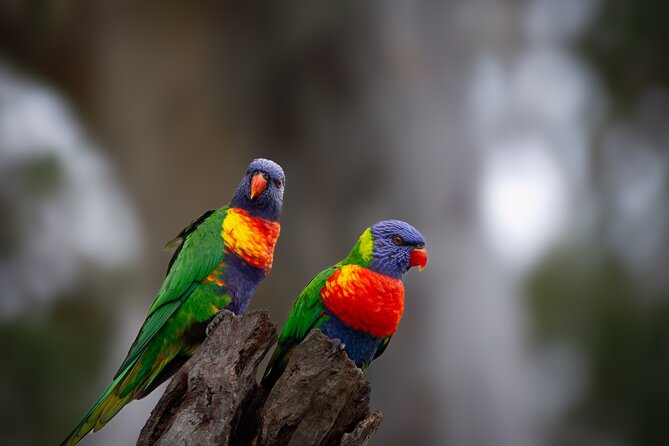
Victor Harbor brings a sharp change in subject and setting. You have about 1 hour and 30 minutes to photograph seabirds from the shore or along the causeway. Gulls and terns move across the open water, making this a good place to apply the focus-tracking skills introduced at Mount Compass.
The coast asks different things of your camera. Birds may be against bright water or open sky, and the light can be harder than it was at the wetlands. Amanda can help you think through exposure and positioning instead of relying on the camera’s automatic choices.
The causeway is a memorable part of the stop. It gives you a direct route toward Granite Island and creates changing views of the water, shore, and birds in flight. You do not have to make every minute about photography. The coastal scenery itself gives the afternoon some breathing room.
There is also a practical limit here. Seabirds can move quickly, and open coastal conditions may be challenging for someone still learning to keep a subject in focus. That is exactly why the earlier instruction matters. You will have a better chance of getting useful frames if you prepare before the bird enters the viewfinder.
Granite Island and Nature’s Eye: a short walk with strong subjects
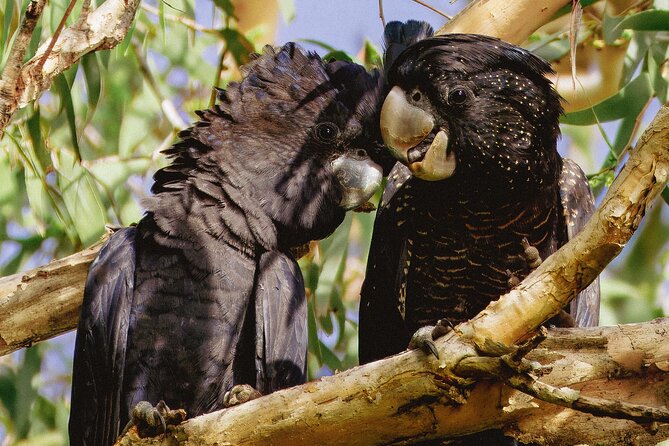
From Victor Harbor, you can cross the historic causeway to Granite Island. The island is rugged and windswept, with large granite boulders, ocean views, and wildlife along the route. The listed time on Granite Island is about 30 minutes, so expect a short visit rather than a long island walk.
Nature’s Eye is one of the memorable stops. This natural rock pool, surrounded by granite, looks like a large eye facing the sea. It sits along the Kaiki Walk and offers a distinctive subject when you want to put the birds aside for a moment and work on rock, water, shape, and framing.
The walk adds a modest physical demand. You should be comfortable walking on the causeway and along the island route, and the tour advises a moderate level of fitness. The short time means you may need to choose your priorities. You can focus on birds, coastal forms, or both, but you may not have time to explore every part of the island.
This section is valuable because it prevents the day from becoming repetitive. You move from wetland reflections to flying seabirds, then to natural textures and broad coastal views. That variety keeps your camera work fresh.
Murray Mouth Lookout: finishing in softer light
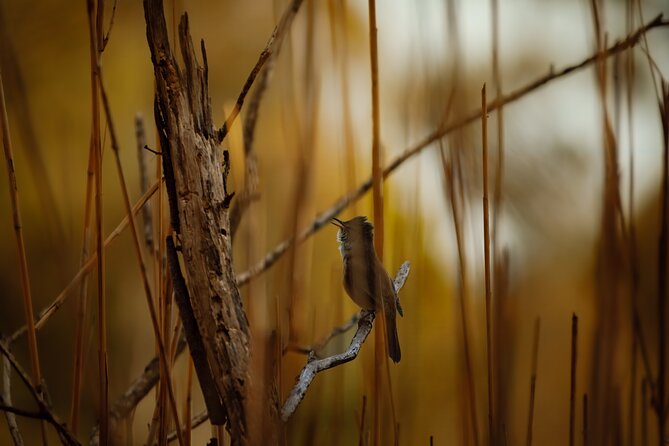
The final outdoor stop is Murray Mouth Lookout, where the River Murray meets the sea. You spend about 15 minutes here, aiming to photograph birds in golden light. The stop is brief, but the timing gives you a final chance to apply the day’s lessons in a different atmosphere.
Regular birds recorded in this region include Australian Pelican, Caspian Tern, Whiskered Tern, and Great Egret. Bird sightings can change, so the list should not be treated as a promise that every species will appear during your visit.
A short final stop can work well after a full day. You are not being asked to complete another long walk or lesson. Instead, you have a focused chance to make a few final images and notice how light changes the mood of a photograph.
The journey back: reviewing images while the lessons are fresh
The return trip to Adelaide takes about an hour and includes an informal discussion of image review, white-balance correction, and post-processing. This may be the most useful part for people who often take photos but rarely know what to do with them afterward.
White balance can change how natural a bird’s feathers and the surrounding light appear. Basic image review can also show patterns in your mistakes. You might notice that your subject is consistently soft, your exposure is too bright, or your composition leaves too little room in front of a moving bird.
Amanda’s advice is particularly useful because it comes after a full day of practice. You are not learning editing in the abstract. You can connect the discussion to photographs you made at Laratinga, Mount Compass, Victor Harbor, Granite Island, or the Murray Mouth.
The group is due back in Adelaide around 5:30 pm. Plan your evening accordingly. After 10 hours on the road, outdoors, and concentrating on birds, you may prefer a quiet dinner rather than another scheduled activity.
What the $85.35 price represents
At $85.35 per person, this is a strong value if you want instruction as well as transport. The price covers a 10-hour route, several habitats, guided photography coaching, binoculars, a birdwatching or ornithological guide, an air-conditioned vehicle, and a bottle of water.
The value comes less from any single stop than from the combination. A private day trip to wetlands and Victor Harbor would involve transport, planning, fuel, and the challenge of knowing where to look. Here, Amanda connects the places to specific photography skills and gives you feedback along the way.
The small group helps justify the price. With a maximum of 11 people, you are not guaranteed constant one-to-one attention, but you have a reasonable chance to ask questions and show Amanda your camera or images.
Check the lunch detail before paying. The information provided is inconsistent, so do not assume the meal is included without confirmation. Free cancellation is available if you cancel at least 24 hours before the start time. Cancellations or changes inside that window are not accepted for a refund.
Who will get the most from this day
I would recommend this outing to beginners who want a friendly way to understand wildlife photography. It also suits photographers with experience in other subjects who need help with moving birds, exposure, or field technique.
The day is a good match for you if:
- You want hands-on help rather than a simple sightseeing trip.
- You are happy to spend much of the day moving between several natural areas.
- You can manage moderate walking and a long 10-hour schedule.
- You want to photograph both wetlands and the coast.
- You use an older camera and would value patient help with its settings.
- You enjoy learning by trying, checking, and adjusting.
I would be more cautious if you want a slow, single-location birdwatching session, a long walk on Granite Island, or a guaranteed list of rare species. This is a broad regional circuit with photography instruction, not a specialist expedition focused on one bird or one habitat.
Should you book this bird photography tour?
Book it if you want to return from Adelaide with more than a collection of random bird shots. Amanda Vallance gives you a practical framework for camera settings, composition, movement, light, and ethical wildlife photography, then lets you test those ideas across wetlands, farmland, coast, and estuary.
The strongest reasons to go are Amanda’s patient instruction, the small group, the range of habitats, and the chance to review your own images before the day ends. The main cautions are the early start, long duration, moderate physical demands, short Granite Island visit, and unclear lunch arrangement.
If you confirm lunch in advance and arrive ready for a full day, this is a well-priced way to combine South Australian nature with real photography coaching.
FAQ
What time does the tour start?
The tour starts at 7:30 am.
How long does the experience last?
The full experience lasts approximately 10 hours, with arrival back in Adelaide around 5:30 pm.
Where does the tour begin?
You meet in Adelaide’s CBD.
Is pickup available?
Pickup is offered, and the tour uses an air-conditioned vehicle.
What equipment and supplies are included?
A bottle of water, binoculars, and a birdwatching guide or ornithological guide are included.
Is lunch included?
The supplied details conflict on this point. One section says lunch is provided, while another says lunch is not included, so confirm the arrangement before booking.
How many people can join the tour?
The maximum group size is 11 travelers.
Can I cancel for a full refund?
Yes. You can cancel for a full refund up to 24 hours before the experience start time. Cancellations or changes made less than 24 hours before the start are not accepted for a refund.
Newest birding reviews around Australia
- Puffing Billy Steam Train and Penguins Wildlife Tour★ 5.0 · 26 reviews
- Puffing Billy Train and Phillip Island Penguin Parade Day Tour★ 4.0 · 17 reviews
- Wilson’s Promontory & Phillip Island – ‘Prom & Penguins’ Tour★ 5.0 · 5 reviews
- Private custom Penguin Tour with Premium Penguin Tickets★ 5.0 · 18 reviews
- [Private Tour] “Penguin Parade” Phillip Island Tour.★ 5.0 · 4 reviews
- Private Phillip Island Penguin Parade Tour★ 5.0 · 2 reviews
- Melbourne Penguin Tour & Wildlife kangaroos koala Emu Tasi Devil★ 5.0 · 12 reviews
- Phillip Island Wildlife Cruise and Penguin Tour from Melbourne★ 5.0 · 30 reviews
Australia Birdwatching Tours, side by side.
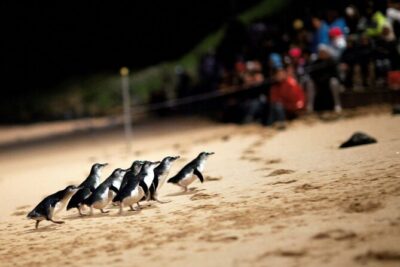
Penguin Parade, & Wildlife Encounters Eco Tour from Melbourne
Read our review →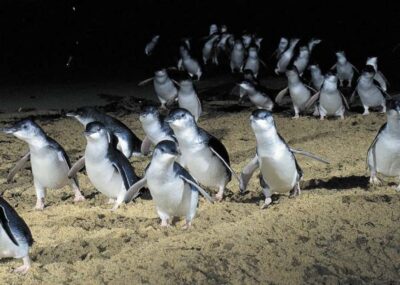
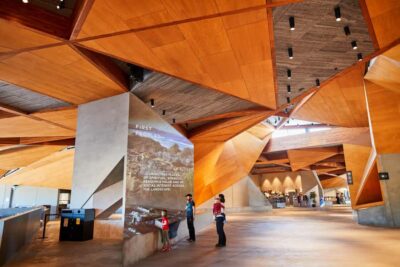
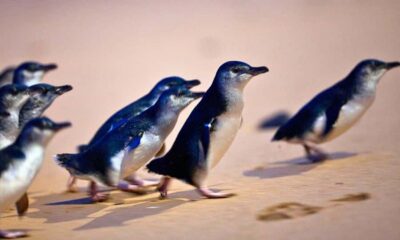
Phillip Island Penguins & Wildlife Day Tour from Melbourne
Read our review →
Phillip Island Penguin and Koala Highlights Day-Trip from Melbourne
Read our review →Lists this trip turns up in