
REVIEW · SRI LANKA
Bundala National Park Safari – Birding Paradise Tour
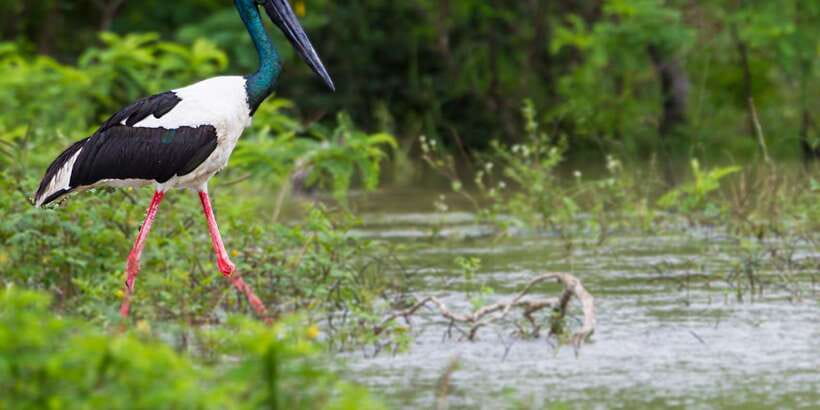
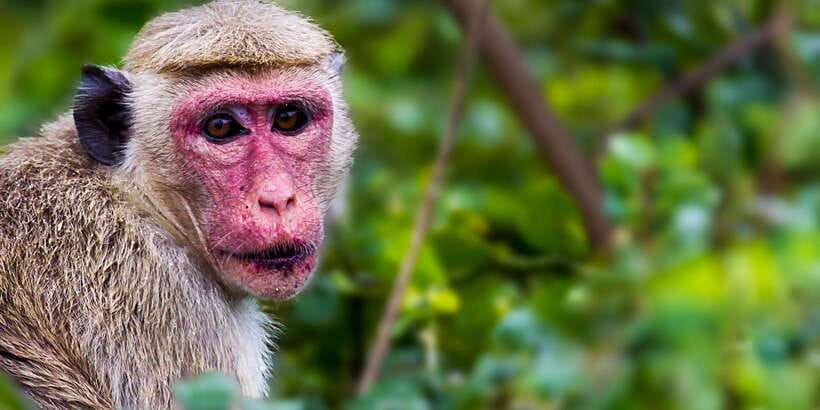
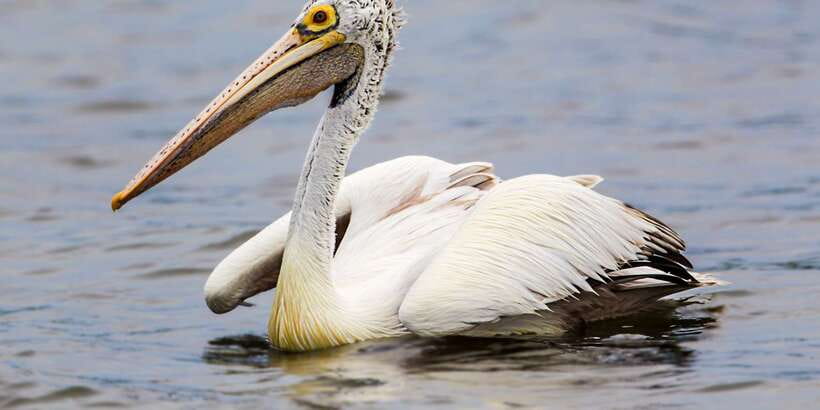
Bundala’s great draw is its wetland birdlife. This is a park of brackish lagoons, marshes, thorny scrub, and sand dunes, with room for local birds and up to 10,000 migrants between September and March. You may also find deer, buffalo, wild boar, crocodiles, turtles, and monkeys along the way.
I like the small jeep, which holds no more than six people, and the choice of a morning or evening drive. I also like the careful pace: guide Hishan was praised for driving slowly and identifying birds as he went. The main catch is that the park fee is not included, and one booking led to confusion over the amount charged.
Key points to know before you book
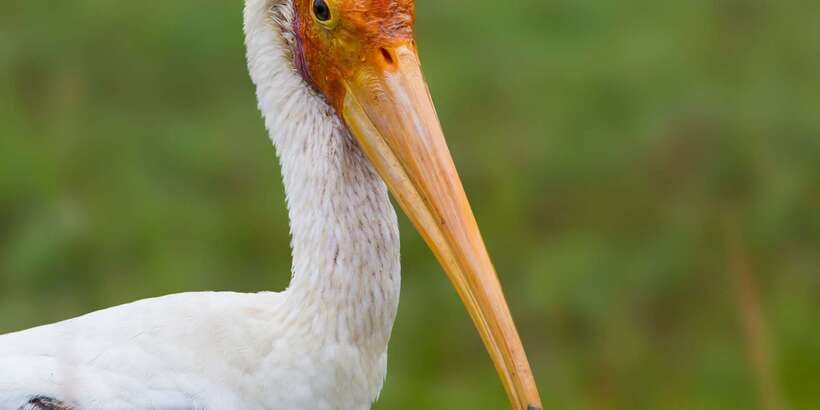
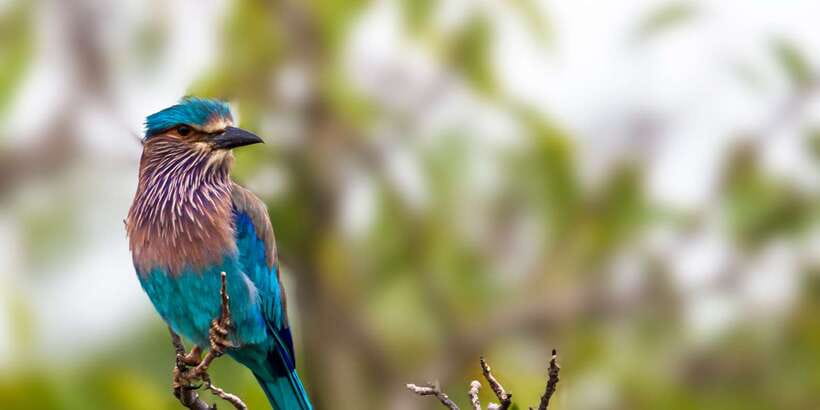
- Birding is the main event: Bundala is home to about 200 bird species, with major migratory activity from September through March.
- Three hours is a useful sampler: You get a focused safari without giving up an entire day.
- Morning or evening timing matters: The golden hours offer softer light for photographs and better conditions for watching animals.
- The jeep seats up to six: This keeps the price reasonable, though a full vehicle gives you less room for camera gear.
- Pickup is limited to certain areas: Hotel pickup is included in Tissamaharama and Weerawila, or you can meet at the park gate.
- Check the entrance fee carefully: The safari price is separate from admission, so confirm the current charge before setting out.
Bundala’s lagoons are the real attraction
Bundala National Park is not a single wall of forest. It is a patchwork of thorn scrub, swampy marshes, brackish lagoons, golden sand dunes, and tropical vegetation. That mix is exactly why the park can support such a wide range of wildlife.
For you, this means the drive is not only about chasing large animals. One minute you may be scanning open water for birds. The next, the jeep may slow beside scrub where a mongoose or spotted deer could appear. The park’s changing habitats keep the three hours moving.
The lagoons deserve special attention. Brackish water, where salt and fresh water meet, supports fish, reptiles, and waterbirds. You might find crocodiles near the water, rare turtles in suitable areas, and birds feeding along the edges. The setting also gives you wide views and reflections that are useful for photography.
Bundala is 251 kilometers from Colombo, in Sri Lanka’s southern province. That distance makes it more practical as part of a southern Sri Lanka route than as a quick outing from the capital. If you are based in Tissamaharama or Weerawila, however, the park fits neatly into a short morning or evening plan.
A few more birding trips around Sri Lanka worth a look
- Kalametiya Sanctuary: Bird Watching by Private Boat Tour
★ 4.9 · 18 reviews - Muthurajawela Bird Watching Tour From Colombo & Negombo
★ 5.0 · 18 reviews - Exclusive: Muthurajawela Bird Watching Tour with Transfers
★ 4.5 · 18 reviews
A three-hour safari, from hotel pickup to park gate
You can meet the guide at your hotel in the Tissamaharama or Weerawila area, or arrange to meet at the Bundala National Park gate. Pickup outside those areas is possible for an added charge, so ask about the cost before booking if your hotel is elsewhere.
The safari lasts three hours. That is long enough to visit several habitats and stop for wildlife, but short enough to combine with another activity the same day. I see this length as a good choice for a first visit, families with limited patience, or anyone fitting Bundala between hotel check-out and an evening plan.
You choose a morning or evening departure, subject to availability. The golden hours are useful for two reasons: the light is gentler for photographs, and the heat is less harsh than in the middle of the day. The schedule does not guarantee animal sightings, of course, but it gives you sensible conditions for watching and photographing them.
You ride in a safari jeep with a driver and English-speaking guide. The vehicle holds a maximum of six passengers. A shared jeep keeps the cost at $43 per person, though six people with large cameras and bags could make the ride feel snug. If photography is your priority, ask how many people are booked into the jeep before you go.
What you might see among the scrub and marshes
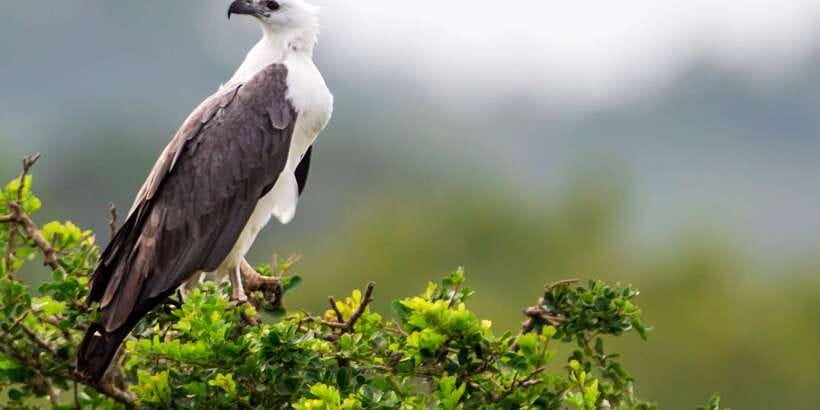
Bundala is listed as home to 32 species of mammals and about 200 bird species. Those numbers tell you about the park’s range, not a guaranteed checklist. Wildlife moves freely, and your results will depend on timing, weather, habitat, and the sharp eyes of the person driving.
The mammal list includes:
- Spotted deer
- Wild boar
- Porcupine
- Mongoose
- Wild buffalo
- Monkeys
- Jackals
- Fishing cats
- Rusty-spotted cats
The endemic jackal is a particularly interesting possibility. Cats are much harder to spot, so treat fishing cats and rusty-spotted cats as lucky finds rather than expected stops. Wild buffalo and spotted deer are more realistic targets, while porcupines may be difficult to see during a short daylight safari.
Crocodiles and turtles add another layer to the wetland setting. You might see crocodiles near a lagoon or water channel, but there is no promise of a close view. The same applies to turtles. Keep your eyes moving and let the guide scan the margins of the water.
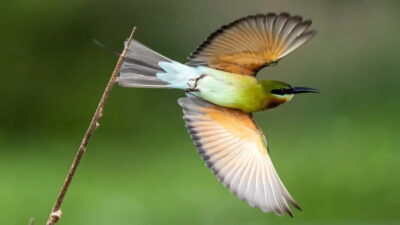
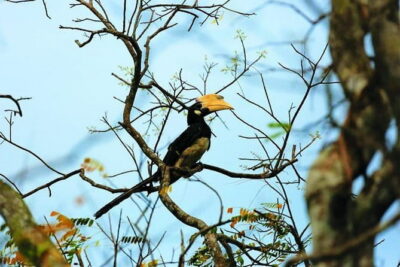
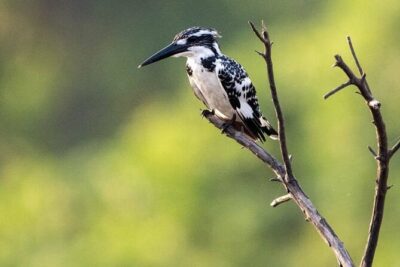
Birds are the strongest reason to choose Bundala over a safari focused mainly on large mammals. The park attracts migratory birds from September through March, with numbers reaching as high as 10,000. Local species remain important outside that period, but the migration season gives birdwatchers an extra reason to visit.
Birding works best when the jeep slows down
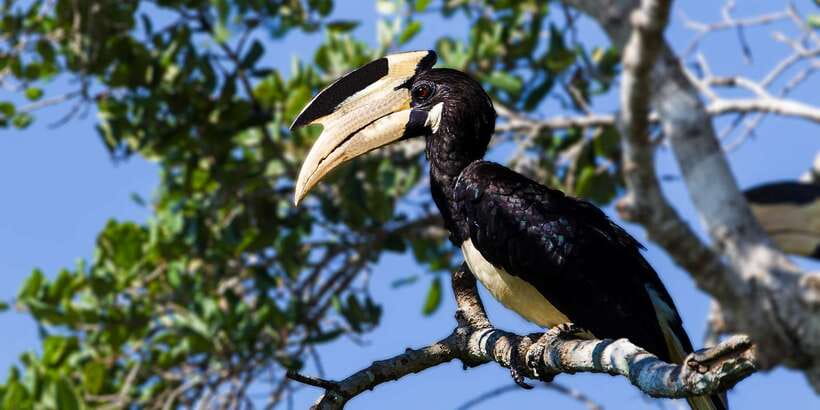
This is not a safari where speed helps. A careful driver can make a real difference, especially when birds are small, distant, or partly hidden in vegetation. Hishan, one of the guides associated with the tour, was praised for driving slowly through the park and identifying birds along the way.
That detail matters. A driver who spots wildlife but rushes past it gives you little time to focus binoculars or a camera. A slower pace lets you watch behavior, compare species, and enjoy the setting instead of collecting rushed glimpses.
Another strong point is the guide’s ability to work while driving through difficult ground. Muddy surfaces can make the route bumpy and slow. Gerald, who took a safari with this operator, found that the driver managed the conditions while locating birds and other animals, including elephants, buffalo, monkeys, and lizards. The driver also offered information about animal habitats and allowed time to enjoy the sightings.
The word driver is important here. The service promises a live English-speaking guide, but one safari included a driver rather than a separate tracker. That does not mean you will get poor wildlife viewing. It does mean the guiding style may depend on one person managing the jeep, spotting animals, and explaining what you see.
If your main goal is serious bird identification, tell the operator that when booking. If your goal is a pleasant wetland safari with a good chance of varied wildlife, the arrangement should suit you well.
Same hide, a different set of birds:
- Bundala National Park Birds Watching Safari Tour
★ 5.0 · 15 reviews - Kalametiya Bird Sanctuary Catamaran Bird Watching Tour
★ 5.0 · 9 reviews - Bird Watching Tours in Sinharaja Rain Forest
★ 5.0 · 8 reviews - Muthurajawela Bird Watching Tour from Negombo / Colombo
★ 4.5 · 7 reviews
Morning or evening: choosing the better light
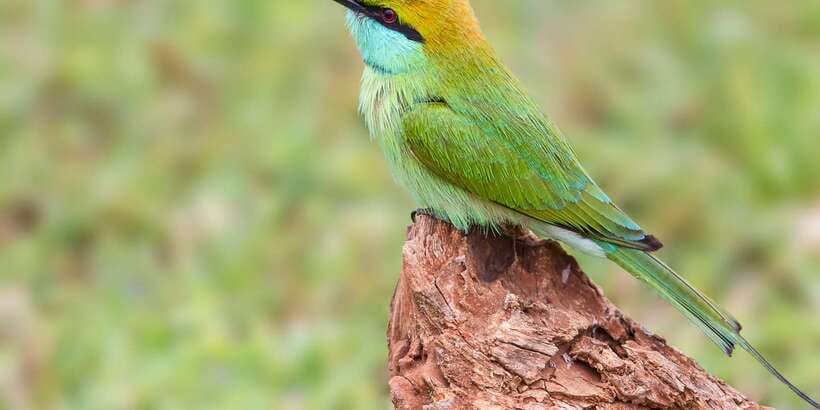
The morning safari gives you an early start and the chance to watch the park wake up. The evening option brings softer late-day light and may fit better if you are arriving from another activity. Both are described as three-hour trips, so your choice is mostly about your schedule and preferred light.
For photography, the golden hours are the clear advantage. Warm light can bring out the color of birds, grasses, sand, and water without the hard glare of midday. It also gives the park a calmer look in photographs.
Do not book the evening drive expecting a sunset show or a guaranteed list of nocturnal animals. The available information supports a golden-hour safari, not a dedicated night drive. Likewise, the morning trip is not advertised as a special predator tour. Choose the time that works for your route, then let the wildlife set the pace.
From September to March, migratory birds should be a central part of your decision. Outside those months, Bundala still offers local bird species, mammals, reptiles, and varied plant life. If birding is your priority, the migration season gives you the strongest reason to schedule the park.
How the $43 price really works
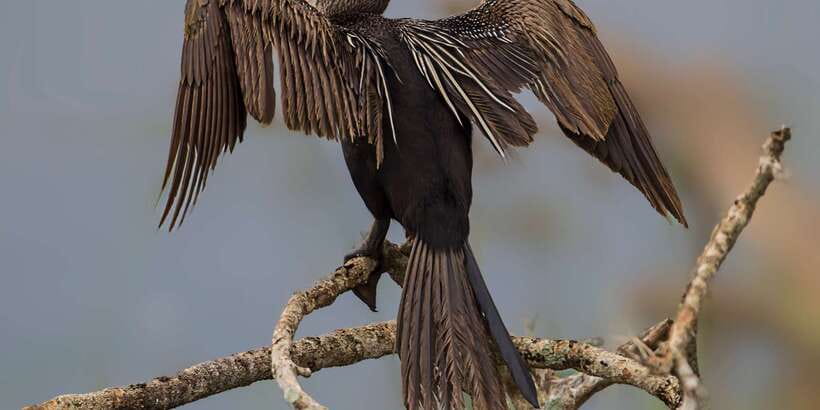
At $43 per person, the price covers the safari jeep and the listed pickup service in Tissamaharama or Weerawila. For a three-hour drive with a small group of no more than six, that can be fair value, especially if you are staying nearby and do not need a private transfer.
The advertised price does not include the national park entrance fee, food, or drinks. This is the most important budget detail. Your true cost is the booking price plus admission, and any extra pickup charge if your hotel lies outside the included areas.
There was also a problem with entrance-fee communication on one booking. A guide requested 11,000 LKR per person, while the customer found that entering with the guide cost 6,500 LKR per person. Fees can change, but the gap is large enough to justify a direct question before departure.
Ask for these details in writing:
- The current park entrance fee per person
- Any jeep or service charge collected at the gate
- Whether the quoted amount includes taxes or other park costs
- The extra pickup price outside Tissamaharama and Weerawila
Bring your own food and drinks if needed, since they are not included. The provided information does not describe refreshments during the drive, so do not assume they will be supplied.
When park closures change the plan
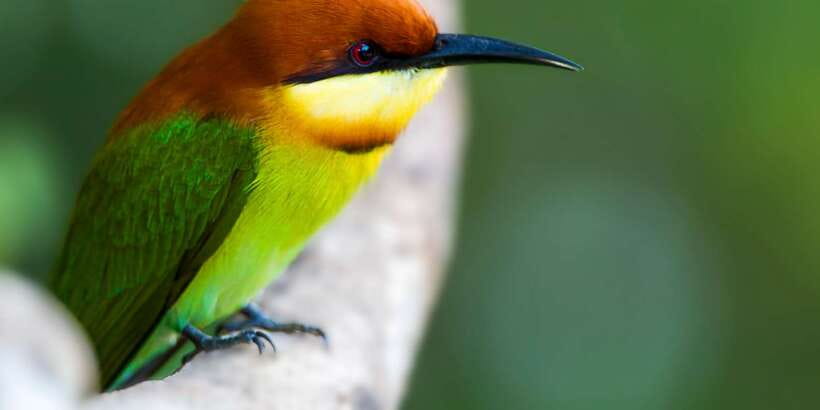
Wildlife tourism depends on weather and park conditions. On one December safari, Bundala had closed after a cyclone three days earlier, so the group was taken to Udawalawe National Park instead.
This is worth keeping in mind before you treat Bundala as a fixed guarantee. A closure may protect visitors and the park, but it can change the habitat, animal list, and feel of the day. Udawalawe is not the same place as Bundala, and a switch may be disappointing if wetlands and migratory birds are your main reason for booking.
At the same time, a well-handled change can save you from losing the whole morning. If weather threatens your plans, ask what happens if Bundala closes, which replacement park would be used, and whether the price or entrance fee changes. The available experience shows that the operator has made a park change when conditions required it, but it does not state a standard replacement policy.
Who will get the most from this safari
I would choose this tour if you are staying around Tissamaharama or Weerawila and want a short wildlife outing without committing to a full day. It also suits visitors who care more about birds and wetland habitats than a guaranteed elephant sighting.
Photographers will like the morning or evening timing, the varied habitats, and the chance to work in softer light. Serious birdwatchers should confirm the guide’s birding focus and ask about group size, since six people sharing a jeep can affect sight lines and camera space.
Families may appreciate the three-hour duration. It is long enough to feel like a proper safari, yet not so long that everyone must spend most of the day in a vehicle. Couples and small groups should also find the shared jeep practical, especially when the vehicle is not full.
You may want another option if you need a private jeep, a specialist bird guide, or a firm promise of a particular species. This tour is built around a driver-guide arrangement and shared transport, not a private naturalist-led expedition.
Practical booking advice for a smoother outing
Confirm your pickup point carefully. Included hotel pickup covers the Tissamaharama and Weerawila areas, while other locations cost extra. Meeting at the Bundala gate may be simpler if you already have transport.
Ask which guide will lead your safari. Hishan has shown strong ability to drive carefully, identify birds, and explain what he sees, but guide assignments can vary. The service is offered in English, so state any particular interest in birds, mammals, or photography before the trip.
Wear practical clothing and bring anything you need for three hours outside. Food and drinks are not included. Binoculars and a camera are useful for birds, though the tour information does not state that equipment is provided.
The booking terms are flexible: you can cancel up to 24 hours ahead for a full refund, and you can reserve now and pay later. That helps if your southern Sri Lanka route is still changing. It does not remove the need to check park conditions, pickup charges, and entrance fees.
Should you book Bundala Birding Paradise Tour?
Book it if you want a short, bird-focused safari with varied wetlands, flexible morning or evening timing, and a shared jeep based near Tissamaharama or Weerawila. The strongest parts are the habitat variety, the migration season, and the careful wildlife spotting reported with Hishan and other drivers.
Go in with realistic expectations. The three-hour trip cannot cover every corner of the park, a driver may not be a separate tracker, and the entrance fee is extra. Confirm that fee before you leave, especially after the reported 11,000 LKR versus 6,500 LKR confusion.
For a reasonably priced introduction to Bundala, I would book it, particularly from September through March. For a private, specialist birding trip with guaranteed vehicle space and detailed species work, ask more questions first or seek a more specialized arrangement.
FAQ
Where does the safari take place?
The safari takes place in Bundala National Park in southern Sri Lanka. The park includes thorny scrub, marshes, brackish lagoons, golden sand dunes, and tropical vegetation.
How long is the safari?
The safari lasts three hours.
Is hotel pickup included?
Pickup is included from hotels in the Tissamaharama and Weerawila areas. You can also meet the operator at the Bundala National Park gate.
Is pickup available outside Tissamaharama and Weerawila?
Yes, pickup outside those areas is available for an additional charge.
How many people can share one jeep?
Each safari jeep holds a maximum of six passengers.
Is the park entrance fee included in the price?
No. The $43 price does not include the Bundala National Park entrance fee.
Are food and drinks included?
No. Food and drinks are not included.
What animals might I see?
Possible sightings include wild boar, porcupine, spotted deer, mongoose, wild buffalo, monkeys, jackals, fishing cats, rusty-spotted cats, crocodiles, and turtles. The tour information also notes that elephants, lizards, and other animals may be seen.
When are migratory birds present?
Migratory birds are present from September through March. Bundala can attract up to 10,000 migratory birds during that period.
Is the tour available in English?
Yes. The tour includes a live English-speaking guide.
Can I cancel the booking?
You can cancel up to 24 hours in advance for a full refund. The reserve-now, pay-later option is also available.
Newest birding reviews around Sri Lanka
- Bundala Birding Paradise – All Inclusive Tour★ 4.0 · 5 reviews
- Muthurajawela Bird Watching Tour from Negombo / Colombo★ 4.5 · 7 reviews
- Negombo Lagoon & Muthurjawela Bird Watching Boat Tour★ 3.5 · 7 reviews
- Bundala Birds Safari by Jeeps★ 5.0 · 5 reviews
- Bundala National Park Birds Watching Safari Tour★ 5.0 · 15 reviews
- Bird Watching Tours in Sinharaja Rain Forest★ 5.0 · 8 reviews
- Kalametiya Bird Sanctuary Catamaran Bird Watching Tour★ 5.0 · 9 reviews
- Kalametiya Sanctuary Birdwatching Boat Ride★ 4.5 · 2 reviews
Sri Lanka Birdwatching Tours, side by side.
Kalametiya Sanctuary: Bird Watching by Private Boat Tour
Read our review →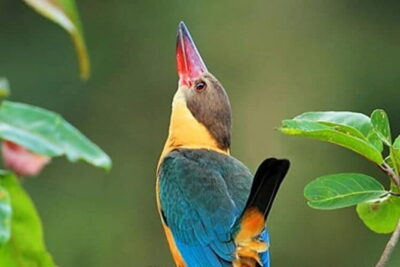
Muthurajawela Bird Watching Tour From Colombo & Negombo
Read our review →
Exclusive: Muthurajawela Bird Watching Tour with Transfers
Read our review →
Bundala National Park Birds Watching Safari Tour
Read our review →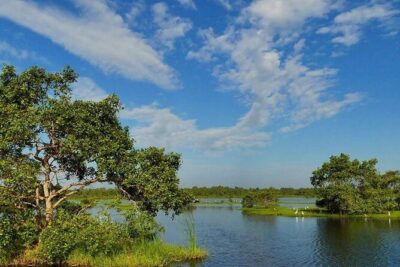
Kalametiya Bird Sanctuary Catamaran Bird Watching Tour
Read our review →
Negombo Lagoon & Muthurjawela Bird Watching Boat Tour
Read our review →Lists this trip turns up in