
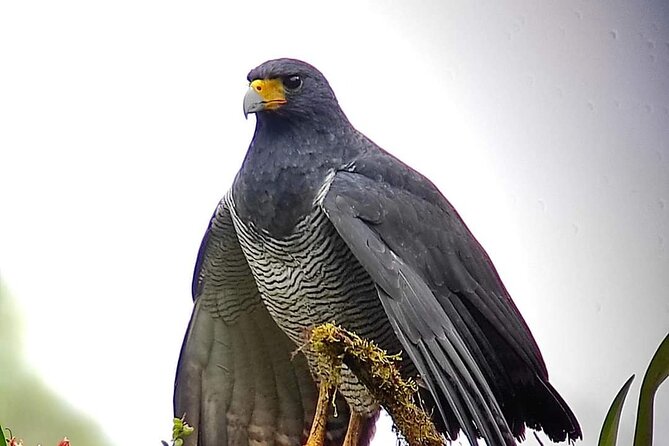
REVIEW · ECUADOR
Guided Birding Photography Experience
Mindo is one of the world’s great birding places, and this early-morning private outing puts you in the forest when birds are active. A guide such as Irman Arias can spot birds you would likely miss, recognize their calls, and help position a scope for viewing and phone photography. I like the private transport and the chance to visit more than one birding spot, rather than spending the morning beside a crowded roadside. I also like the small-group format, which lets you set the pace and say which birds matter most to you.
The main caution is in the name: this is guided birdwatching with opportunities for photography, not a dedicated professional photo workshop. You may need to take your own pictures through the scope, and birds follow their own schedule. If toucans, quetzals, or a particular hummingbird are your priority, tell the guide early and ask how much time you can spend at each stop.
Key points at a glance
- 6 a.m. start: The early hour gives you the best chance of active birds and good morning light.
- Up to five people: This is a private activity, so your party does not share the main tour with a large group.
- Irman Arias and local bird guides: Irman is noted for finding birds by sight and call, and for helping beginners and serious birders alike.
- Viewing platforms and forest walks: Expect a mix of stationary observation and walking through Mindo’s cloud forest.
- Strong bird list potential: Toucans, tanagers, parrots, hummingbirds, barranquero birds, and possibly quetzals are all within reach.
- $180 per group: Split among five people, the cost is $36 each for about four hours, including private transport.
Why Mindo works so well for bird photography
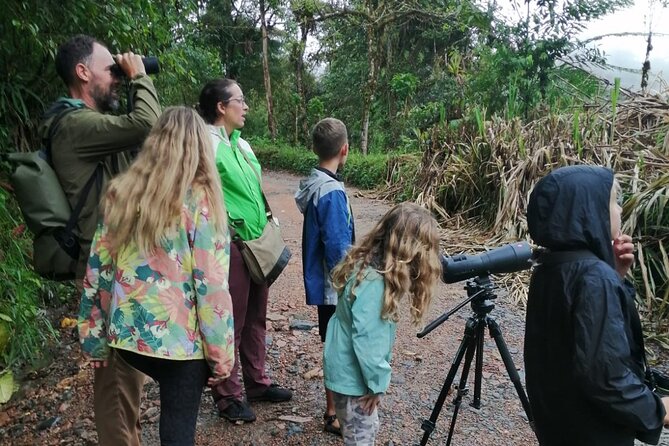
Mindo sits in Ecuador’s Andean Chocó, a place famous for its striking birdlife and thick cloud forest. You are not coming here for one guaranteed sighting. You are coming for variety: colorful toucans, tiny hummingbirds, tanagers, parrots, and other forest birds may all appear within the same morning.
That variety changes the feel of the outing. Even if a quetzal stays hidden, you can still leave with a long list of species and plenty to look at. One outing produced 48 bird species, including 14 kinds of hummingbird, though your own list will depend on weather, season, guide, and luck.
Photography adds another layer. Birds move quickly, light shifts under the forest canopy, and the best view may last only a few seconds. The guide helps by finding the bird and setting up a scope, but you still need to work the camera or phone yourself. That makes this a good fit if you enjoy the hunt and do not expect a hands-off photo session.
More Bird Photography Tours in the world:
- Jaco Birdwatching and Photography with Sergio
★ 5.0 · 65 reviews - Birding & Photography Day Trip to Doñana from Seville
★ 5.0 · 61 reviews - Skadar Lake National Park: Birdwatching & Photography Tour
★ 4.8 · 39 reviews
The 6 a.m. start sets the tone
You begin at 6 a.m., usually with pickup from your accommodation in Mindo. That may sound painfully early, but birding rewards the morning. The forest is cooler, the light is fresh, and many birds are feeding or calling.
If you are coming from Quito, allow extra planning. One account describes leaving Quito around 5:30 a.m. and taking about an hour and a half to reach Mindo before the birding began. The advertised activity starts in Mindo, so confirm the pickup and transport arrangement if you are not already staying in town.
Private transport is more important here than it may first appear. Some roads around Mindo are rough, with potholes and dirt sections leading toward remote birding areas. A local driver familiar with the roads can save time and reduce stress, especially when you are carrying a camera, binoculars, or a spotting scope.
Your first stop may be a private viewing platform
A common first stop is a private property with viewing platforms above a forested ravine. This is one of the strongest parts of the outing for photography because you can settle in, scan the trees, and wait for birds to approach.
These platforms are linked with feeding areas, which can bring birds into clearer view. Toucans, tanagers, and hummingbirds are among the possibilities. One especially useful feature is the chance to look through a powerful telescope and, with patience, take pictures or video through it using a phone.
The setting also gives you a broad view over the forest rather than only a close-up look at branches. That makes the first stop feel less hurried and gives you time to learn how the equipment works.
There is one practical limitation. If several guides bring groups to the same platform, it may not feel completely private at that exact point, even though your booked activity is private. A small cluster of people can gather at a popular feeding location. Your guide can still tailor the outing, but do not expect every viewing platform to be empty.
Forest walks add variety, but require patience
After stationary viewing, you may walk along forest paths in search of other species. This is where your guide’s ear and eye become especially valuable. Irman Arias is known for identifying calls and sometimes imitating them to draw a bird closer.
A walk can produce birds that do not visit feeding platforms, including forest species and different hummingbirds. It also gives you a better sense of Mindo itself: wet paths, dense vegetation, changing light, and the constant sound of birds around you.
The tradeoff is that walking does not guarantee better photographs. You may hear a bird without seeing it, catch a brief glimpse high in the trees, or spend time following a call that leads nowhere. That is normal birding, not a flaw in the tour, but it matters if you want a predictable sequence of close-up shots.
Your guide may also end the platform visit sooner than you would choose. One account describes leaving while more toucans appeared later. The useful lesson is simple: if a particular bird is your main goal, say so clearly. Ask to stay longer at a productive platform if time allows.
More Guided Tours in the world:
- Puffin Cruise with Expert Tour Guide from Reykjavik
★ 4.5 · 636 reviews - 2 Hours Guided Whale and Bird Boat Tour in Bay Bulls
★ 5.0 · 557 reviews - Guided Evening Penguin Viewing Otago Peninsula, Dunedin, New Zealand
★ 5.0 · 471 reviews - Húsavík: Whale-Watching Cruise and Puffins Guided Tour
★ 4.6 · 444 reviews
What you may see in four hours
The advertised bird list is broad, but no guide can promise a particular species. Mindo offers chances to see several kinds of toucan, tanagers, parrots, hummingbirds, and other cloud forest birds.
Hummingbirds are a major attraction. Mindo is known for many local species, and one morning produced 14 types. Their speed makes them difficult subjects for a phone, but a scope gives you a steady way to study colors and markings before you attempt a picture.
Toucans are often the stars of the morning. They are large enough to see clearly and distinctive enough to identify without much trouble, though they may sit high in the canopy or appear only briefly. If you want toucans in particular, mention that when you meet the guide instead of assuming the standard route will focus on them.
Tanagers can provide some of the most colorful sightings, while parrots may arrive noisily and leave just as fast. Barranquero birds and other forest species add variety to the list.
Quetzals are possible but not assured. A guide may hear or locate one, yet dense foliage can keep it out of view. One outing followed the call of a golden-crowned quetzal without seeing it, while another produced both a male and female. That is a fair picture of birding in Mindo: strong chances, no guarantees.
The Andean cock-of-the-rock needs a separate plan
The Andean cock-of-the-rock is one of Mindo’s most famous birds, but you should not assume it is part of this standard four-hour experience. Seeing it at a lek generally requires a separate location and an even earlier departure.
A separate outing may begin around 5 a.m. At the lek, several males may gather and display while waiting for a female. The sighting can be excellent, but the timing matters, and mating behavior will vary with the season. One group saw six males but no female, which is still a memorable encounter but not the full courtship scene you might imagine.
If the cock-of-the-rock is high on your wish list, ask about adding or booking that experience separately. It is better to know this before the morning begins than to spend four hours expecting a stop that may not be included.
How the photography setup really works
The photography help is useful, but keep your expectations realistic. The guide finds the bird and sets up the telescope. You may then photograph or record through the scope with your phone or camera.
That setup can produce excellent proof of what you saw, especially with large birds sitting still. It is less simple than carrying a long camera lens. A phone must be held carefully against the eyepiece, and even a small movement can blur the image or lose the bird.
The scope used on one outing was described as older and somewhat unsteady. It worked well for viewing, but phone photography took extra fiddling. Other people helped with some pictures, yet the basic point remains: the guide may tell you when the light and bird position are good, but you may need to handle the actual shot.
If photography is your main purpose, bring a charged phone, clear storage, and patience. A compact camera or binoculars may help you enjoy the view while you wait for a picture. The experience works best when you treat the photos as a bonus, not as a guaranteed portfolio session.
The guide makes the biggest difference
A good bird guide changes what you see. Irman Arias is repeatedly singled out for his ability to spot birds, recognize songs, and communicate in English. His bird calls are strong enough to fool a bird-identification app, which gives you an idea of how useful his ear can be in the forest.
He is also described as patient and willing to adjust the experience. When a hoped-for quetzal did not appear, he arranged additional time later at no extra charge. That kind of flexibility matters because birding plans can unravel for reasons no one controls.
You should still ask questions. Guide styles differ. Some guides identify each bird but offer short explanations unless you ask for more. If you want details about behavior, habitat, feeding, or identification marks, say so.
Julia Patiño is another guide associated with birding around Mindo, and private drivers such as Paul have been praised for handling rough roads carefully. Confirm your guide’s name when booking, since the exact person may vary.
Is $180 good value?
The price is $180 per group of up to five people. For a full group, that works out to $36 per person for about four hours, with a private guide and transport. That is a strong value if your group is already staying in Mindo and shares the cost.
For two people, it is $90 each. For one person, the price feels less modest, but private guiding can still make sense if birding is a central reason for visiting Mindo. You are paying for local route choices, transport to birding sites, help finding birds, and access to places you might not reach easily on your own.
The value is strongest for mixed-interest groups. A serious birder gets an expert eye and a chance to build a long species list. A beginner gets help identifying birds and using the scope. A photographer gets more chances to position for a clear view, even if the photo work remains largely their responsibility.
Weather and timing matter for photos
Mindo can be cloudy and rainy, especially in some months. Rain does not stop the birds, but it can make photography harder, with dim light and wet equipment. One account from November reported frequent cloud and rain and suggested that a drier summer period might give photographers better light.
That is not a promise that summer will be perfect. Weather in a cloud forest can change quickly. Still, if clean, well-exposed images matter more to you than simply seeing birds, ask about seasonal conditions before booking.
Bring clothing and equipment suited to a damp morning. The supplied details do not specify a gear list, so do not assume rain protection or camera accessories are included. The safest approach is to keep your own phone and camera protected and ready for changing conditions.
Who should book this experience?
I would choose this outing if you want a private introduction to Mindo’s birdlife without arranging a guide, driver, and route on your own. It is especially well suited to couples, families, and small groups of up to five who want to share the cost.
It also works for experienced birders building a life list. Irman’s call recognition and ability to locate birds can save you hours of searching. Beginners should not feel out of place, since the guide can provide binoculars on some outings and explain what you are seeing.
I would hesitate if your only goal is polished wildlife photography. The title may suggest a structured photography lesson, but the experience is better understood as guided birdwatching with scope-based photo opportunities. You will need to take charge of the camera and accept that birds may not sit where you want them.
Confirmation is provided at booking, and most people can participate. You can cancel for a full refund up to 24 hours before the local start time. Changes or cancellations inside that window are not accepted for a refund.
Should you book the Mindo birding tour?
Book it if you want an early start, private transport, a local bird guide, and a serious chance to see far more than you would on your own. The combination of viewing platforms and forest walks gives you a good four-hour introduction, and the $180 group price is fair when shared by several people.
Before you go, tell the guide your priorities. Say if toucans, hummingbirds, quetzals, or simple bird identification matter most. If cock-of-the-rock is essential, ask for the separate early-morning lek outing.
For most visitors who want to see Mindo through its birds, this is a sensible choice. Just book it for the birding, the local guidance, and the memorable sightings. Treat the photographs as something you work for, not something the tour can promise.
FAQ
What time does the birding experience start?
The experience starts at 6 a.m. This early departure is intended to place you in the forest during the active morning period.
How long does the experience last?
The advertised duration is approximately four hours.
How many people can join the private tour?
The price covers one private group of up to five people. Only your group participates in the private activity.
What birds might I see?
Possible sightings include toucans, tanagers, parrots, hummingbirds, barranqueros, quetzals, and other birds found around Mindo. Sightings depend on conditions, season, and bird behavior.
Is the Andean cock-of-the-rock included?
It should not be assumed to be included in the standard four-hour outing. Seeing the cock-of-the-rock generally requires a separate experience at a particular location and an earlier start, sometimes around 5 a.m.
Can I cancel for a full refund?
Yes. You can cancel at least 24 hours before the local start time for a full refund. Cancellations or changes made less than 24 hours before the start are not refunded or accepted.
Newest birding reviews around the world
- Birdwatching in Guatapé with Around 400 Bird Species★ 5.0 · 2 reviews
- Cocora Valley: Route of the Hummingbirds + breakfast & lunch★ 4.9 · 6 reviews
- Bird Watching Tours in Samarkand★ 3.6 · 3 reviews
- Best of Cape Private Tour Cape Point+Penguins+Table Mountain★ 5.0 · 2 reviews
- Barbados: Bird Watching Experience★ 5.0 · 2 reviews
- Birding Medellin with expert bird-watcher (Private)★ 5.0 · 17 reviews
- Big Island: Native Bird Watching & Hiking Tour★ 5.0 · 5 reviews
- Bird Creek: Chugach State Park ATV Nature Tour & Hike★ 5.0 · 2 reviews
Bird Photography Tours, side by side.
Birding & Photography Day Trip to Doñana from Seville
Read our review →
Skadar Lake National Park: Birdwatching & Photography Tour
Read our review →
Lists this trip turns up in