
REVIEW · CHILE
King Penguin Nature Reserve – Tierra del Fuego Island
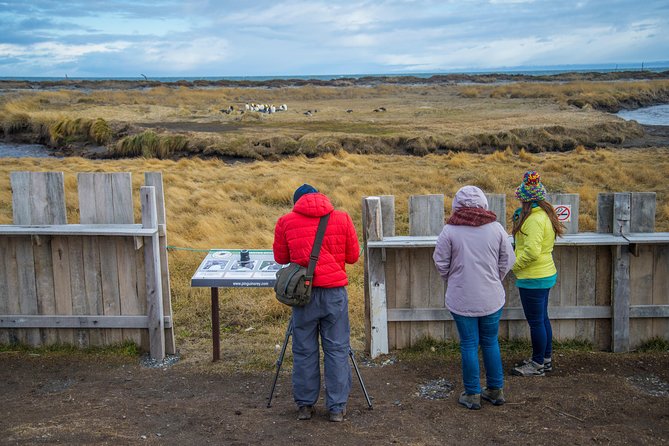
The King Penguin Nature Reserve is the reason to take this long, demanding day from Punta Arenas. You cross the Strait of Magellan, drive across Tierra del Fuego, and reach Chile’s only king penguin colony, where the birds gather on a beach about 15 meters from the viewing area. The penguins are protected, so you do not walk among them, but scopes and a good zoom lens can bring their behavior into clear view.
I like two things here: the trip gives you much more than a quick penguin stop, and the ferry crossings and open Patagonian scenery make the journey feel like a real expedition. Guides such as Atma, José, Juan, and Gabriel have been praised for making the long ride interesting, with stories about local history, geology, wildlife, and life in Tierra del Fuego. The main drawback is simple: this is a very long day, often 13 to 16 hours, with many hours in a vehicle and possible delays.
Key points to know before booking
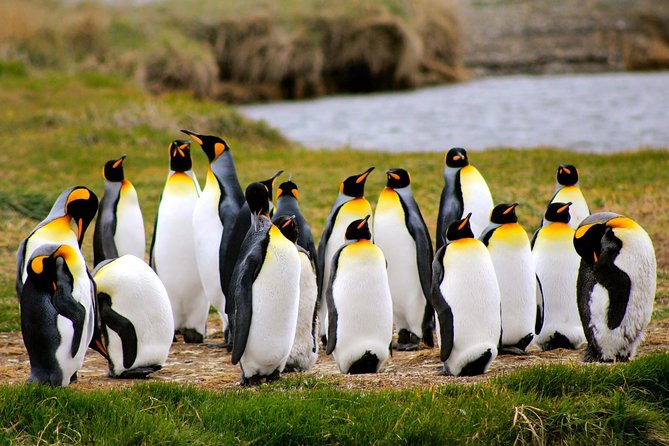
- The penguins are the clear highlight: You get about one hour at the reserve, with a protected viewing area roughly 15 meters from the beach.
- Expect a 14-hour day: The route covers about 700 kilometers by road and includes ferry travel, waiting time, and several short stops.
- Two ferry crossings shape the schedule: Wind, port traffic, and sailing times can delay your return, occasionally requiring an overnight stay on Tierra del Fuego.
- Lunch is not included: Meals cost extra, and the lunch stop may be in Cerro Sombrero or Porvenir, depending on the confirmed reserve schedule.
- Bring binoculars, warm layers, and extra socks: The reserve can be cold and very windy, and the birds may look distant without optical help.
- The price deserves comparison: The listed cost is $148.50 per person, while direct local booking has sometimes been quoted at around CLP 80,000, or roughly $86, before any exchange-rate changes.
Why the king penguins are worth the long ride
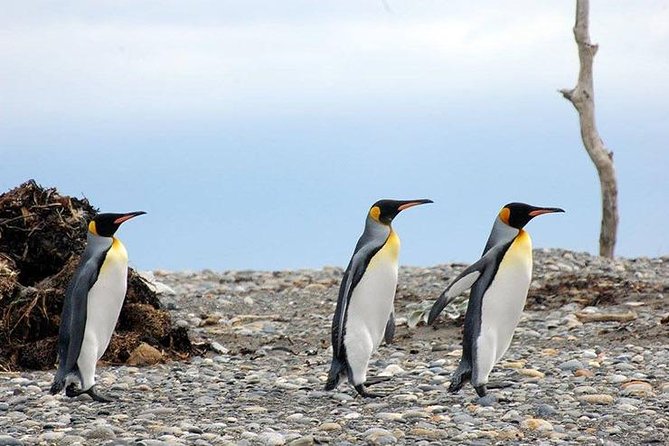
King penguins are the prize here. You are not visiting a small indoor exhibit or a beach crowded with people and birds. You are watching a protected colony in its natural setting, with the penguins standing, calling, preening, and tending to their young on the shore.
The reserve’s own guide gives a short talk about the species, its behavior, and the work needed to protect it. Several guides at the park are biologists or conservation staff, and this part of the day is often more informative than the commentary on the road. You may see chicks, eggs, or birds molting, depending on the season and the colony’s activity.
The viewing area is about 15 meters from the beach. That is close enough for a good look, but not necessarily close enough for sharp phone photographs. I would bring binoculars, and a camera with a zoom lens helps. The reserve also provides scopes, which make it easier to study the birds without disturbing them.
You get about one hour at the reserve. That may sound short, but it is a sensible amount of time for watching a colony from one fixed viewpoint. You are not walking a long trail, and the wind can make standing outside uncomfortable. The hour gives you time to look, take photographs, listen to the park guide, and watch for changes in the group.
More Penguin Tours in the world:
- Penguin Parade, & Wildlife Encounters Eco Tour from Melbourne
★ 5.0 · 3,774 reviews - Cape Town: Cape of Good Hope & Penguins Day Tour with Pickup
★ 4.7 · 3,362 reviews - Cape Point and Boulder’s Penguins Full Day Tour
★ 5.0 · 3,118 reviews
The 5:00 a.m. start and the long road south
The tour begins around 5:00 a.m., though pickup times can shift because of the ferry and the day’s confirmed reservation at the reserve. One booking issue resulted in a pickup closer to 7:15 a.m., so you should confirm the exact time with the operator the night before.
The vehicle is air-conditioned, and the group is limited to a maximum of 15 people. Some departures use a larger van, but the small-group format generally makes the long ride more manageable. You will still spend many hours seated, so this is not a good choice if you dislike full-day road trips.
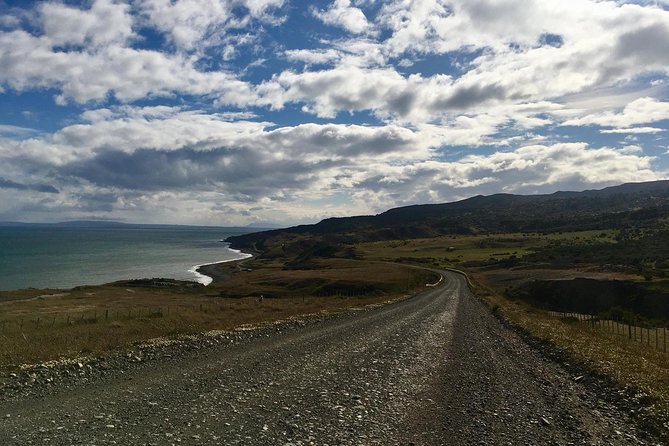
The route crosses broad Patagonian country. Several people enjoyed seeing guanacos, rheas, flamingos, birds, seals, dolphins, and even a Magellanic penguin during the journey. Wildlife sightings are never guaranteed, but the open country gives you a fair chance to notice animals beside the road or near the water.
The scenery is not constantly dramatic. Much of the drive passes through wide, spare stretches of pampa, and some passengers find the repeated views monotonous. I would treat the road as part of the trip, not as a series of nonstop attractions. Bring a book, music, or downloaded entertainment, but keep looking outside when the guide points out wildlife.
Estancia San Gregorio, an early taste of regional history
The first listed stop is Estancia San Gregorio, where you spend about 30 minutes. This old ranch is tied to the early development of the region, especially sheep farming and the movement of people and goods across southern Patagonia.
It is a short stop, so do not expect a full museum visit. Its value is in giving the journey a human story before you spend hours crossing open country. A good guide can explain how ranching shaped the region and why these large estates mattered.
The quality of the explanation depends heavily on the guide assigned to your group. Guides such as Gabriel and Atma have been praised for sharing useful details about local history, geology, animals, and the origin of the name Patagonia. Other departures have had less effective commentary, including problems with English, faulty microphones, or stops that were not clearly explained.
That difference matters on a road trip. If you understand the background, the old ranches and remote settlements become part of a larger story. Without it, some stops can feel like places where the van simply pauses to fill time.
Cerro Sombrero and the uncertain middle of the itinerary
Cerro Sombrero is the second planned stop, with up to two hours available depending on the timing. This settlement grew around regional oil and gas activity and has a distinctive place in Tierra del Fuego’s modern history.
The itinerary may include lunch here, or lunch may take place in Porvenir. You are told the final plan the day before because the operator must wait for the reserve’s admission schedule. This uncertainty is practical, not just administrative. The ferry crossings, reserve booking time, and return route all affect where the group can eat and how long it can stay.
Cerro Sombrero can be interesting if you want to understand the working side of Tierra del Fuego. It is not a polished tourist attraction, and some buildings and infrastructure look worn or abandoned. That is precisely what some people find revealing, while others find the stop dull and underexplained.
You may get time to walk around, stretch your legs, and see the settlement. You may also encounter a stop that feels too long, especially if your main goal is the penguin reserve. Some departures have included extra pauses at old buildings, an abandoned sheep facility, or local institutions. The usefulness of these stops depends on how well the guide explains them.
More Bird Sanctuaries and Parks in the world:
- Maleny Botanic Gardens Bird Aviary Experience Ticket
★ 4.5 · 579 reviews - Puerto Iguazu: Iguaza Falls Brazilian Side & Bird Park Tour
★ 4.0 · 260 reviews - Niagara Falls, Canada: Bird Kingdom Entry Ticket
★ 4.3 · 243 reviews - Bali Bird Park Admission Ticket
★ 4.5 · 202 reviews
Ferry crossings across the Strait of Magellan
The ferry rides break up the road journey and add a real sense of place. The route uses roundtrip ferry tickets, so you do not need to arrange those separately. Crossing the Strait of Magellan is one of the memorable parts of the day, especially when dolphins or other marine life appear near the boat.
The crossing is also the tour’s biggest source of risk. Strong wind can delay or cancel a sailing, and waiting vehicles can create long queues. On one departure, a weather delay pushed the return by about three hours. Another passenger had to spend a night on the island after the ferry was canceled.
You should not schedule an important flight, cruise departure, or paid activity for the following morning. A delayed return can turn a planned 14-hour outing into a much later arrival, and a canceled sailing may require an overnight stay. This is not a flaw unique to one operator. It is the nature of a remote route that depends on weather and marine operations.
The ferry itself may be comfortable, but you can spend a significant amount of time waiting for the crossing or the reserve appointment. Bring snacks, water, and warm clothing. One useful improvement would be a thermos of hot water during cold waits, but you should not assume that this will be provided.
One hour at Parque Pingüino Rey
At Parque Pingüino Rey, the park’s own staff take over for the key part of the visit. You receive a short talk about king penguin behavior and conservation before heading to the viewing point.
The reserve is carefully managed. You remain at a respectful distance, and the birds are not fed or handled for photographs. That restraint is part of what makes the visit worthwhile. You are seeing a wild colony under protection, not a staged animal encounter.
The hour passes quickly if the penguins are active. Look for birds standing apart from the group, adults tending young, courtship behavior, preening, and molting. The viewing conditions can change from day to day, and the birds may be farther from the beach than expected. That is why binoculars matter.
The reserve ticket is not included in the tour price. The listed cost is CLP 17,000 per person, so add it to your budget. You may also want to carry Chilean pesos for lunch and small purchases, since prices and payment options on the route are not always explained clearly.
Lunch, food, and what to pack
Lunch is not included. Depending on the day’s timing, you may eat in Cerro Sombrero or Porvenir, and the group may have limited choice because of the remote route and ferry schedule.
A typical meal described on the route included soup followed by beef ribs, chicken, or fish with rice or potatoes and vegetables. Vegetarian food has also been available. The meal can be authentic and satisfying, but the cost is not always low. One dinner-sized lunch for two with drinks came to about CLP 34,000, while another account put an individual meal near CLP 12,000.
The timing can be awkward. One departure did not stop for a proper meal until late afternoon, close to 5:00 p.m. Do not rely entirely on the planned lunch. Pack sandwiches, fruit, granola bars, and water, especially if you tend to eat early.
Also pack:
- Warm layers, including a windproof outer layer
- Extra socks
- Sunscreen
- Binoculars
- A camera with a zoom lens
- Small snacks for ferry waits
- Chilean pesos for the reserve ticket and meals
The wind at the penguin viewpoint can be sharp even when Punta Arenas feels comfortable. You want to be watching the colony, not wishing you had brought another sweater.
Guide quality makes a real difference
The company provides a bilingual guide, and many departures have received warm praise for friendly, amusing, and well-organized staff. Atma made a point of repeating information in English for a passenger who did not understand Spanish. José helped with photographs through the scope, while Juan and Gabriel were praised for explaining local history and wildlife.
That said, guide quality is not completely consistent. Some departures have had English explanations that were hard to follow, unclear instructions, or faulty audio equipment. In a bilingual group, the guide may need to repeat every point in Spanish and English, which takes time and can make the commentary feel uneven.
I would ask for clear information at each stop: how long you have, where to meet, when food is available, and what the next ferry connection requires. If the guide does not explain a stop, ask. The best guides turn a long transfer into a lesson about the island. The weakest leave you wondering why you are standing outside an abandoned building.
Is the $148.50 price good value?
At $148.50 per person, the tour is not cheap. The price includes the bilingual guide, air-conditioned transport, and roundtrip ferry tickets, but not the CLP 17,000 reserve admission or meals.
For a remote destination, the transport cost is understandable. You are covering a huge distance, crossing by ferry, using a small group vehicle, and relying on an operator to coordinate a timed wildlife visit. If you value convenience and do not want to manage ferries, road conditions, and the reserve schedule yourself, the price can be fair.
Direct local booking has sometimes been quoted around CLP 80,000 per person, or about $86 at the exchange rate cited in the supplied information. Online booking may cost more because of commissions. I would compare the final price carefully, including cancellation terms, reserve admission, and what transport is included.
The value also depends on your attitude toward the journey. If you want one quick penguin sighting, the long drive may feel expensive and exhausting. If you want a full Tierra del Fuego day with ferries, remote settlements, wildlife, and the reserve, the price makes more sense.
Who should book this experience?
I would recommend it to you if seeing king penguins is a top priority and you have a spare full day in Punta Arenas. It suits people who enjoy remote roads, ferry travel, wildlife watching, and hearing about local history along the way.
It also works well for visitors who do not want to rent a car or coordinate the crossings alone. The driver handles the long route, the guide keeps the group moving, and the reserve booking is arranged in advance.
I would think twice if you have limited time in Patagonia, a tight flight schedule, or little patience for long drives. It is also not recommended for children under four or for women over 27 weeks pregnant. A moderate level of fitness is required, mostly because of the long day, ferry movement, cold, and repeated stops.
The tour is limited to 15 people, but the small group does not change the basic geography. You will still spend much of the day in a vehicle.
Should you book the King Penguin Reserve tour?
Book it if you want to see king penguins in Chile and accept that the penguins come with a long road journey. The reserve is well run, the colony is special, and the ferry crossings and wildlife sightings give the day more substance than a simple transfer.
Before paying, confirm the pickup time, the reserve admission fee, the lunch plan, and the likely ferry schedule. Pack food and warm clothing, and leave the next morning free in case wind or port delays interfere with the return.
I would not choose this trip for a relaxed sightseeing day. I would choose it for a rare wildlife experience that requires patience, flexibility, and a willingness to spend most of the day getting there.
FAQ
How long is the King Penguin Nature Reserve tour?
The advertised duration is about 14 hours. Actual timing can vary, with some departures lasting 13 hours and others reaching 16 hours because of ferry delays, waiting time, and weather.
What time does the tour start?
The stated start time is 5:00 a.m. Pickup can change based on ferry arrangements and the reserve’s confirmed admission schedule, so confirm the exact time with the operator the day before.
Is the reserve admission included?
No. The reserve ticket costs CLP 17,000 per person and is paid separately.
Are meals included?
No. Lunch is not included. Depending on the schedule, the group may eat in Cerro Sombrero or Porvenir, and you should bring snacks and water.
How far away are the penguins?
The viewing point is about 15 meters from the beach where the king penguins gather. Binoculars or a zoom camera are useful, and the reserve provides scopes for closer viewing.
Can the ferry be delayed or canceled?
Yes. Wind, weather, and port traffic can delay the ferry. A cancellation may require an overnight stay on Tierra del Fuego, so avoid scheduling an important activity immediately after the tour.
Can I cancel for a refund?
You can cancel at least 24 hours before the start time for a full refund. Cancellations or changes made less than 24 hours before departure are not refunded. If poor weather or insufficient bookings cancel the experience, you are offered another date or a full refund.
Newest birding reviews around the world
- Cocora Valley: Route of the Hummingbirds + breakfast & lunch★ 4.9 · 6 reviews
- Bird Watching Tours in Samarkand★ 3.6 · 3 reviews
- Birdwatching in Guatapé with Around 400 Bird Species★ 5.0 · 2 reviews
- Best of Cape Private Tour Cape Point+Penguins+Table Mountain★ 5.0 · 2 reviews
- Barbados: Bird Watching Experience★ 5.0 · 2 reviews
- Birding Medellin with expert bird-watcher (Private)★ 5.0 · 17 reviews
- Big Island: Native Bird Watching & Hiking Tour★ 5.0 · 5 reviews
- Bird Creek: Chugach State Park ATV Nature Tour & Hike★ 5.0 · 2 reviews
Penguin Tours, side by side.
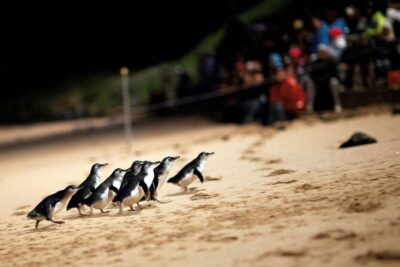
Penguin Parade, & Wildlife Encounters Eco Tour from Melbourne
Read our review →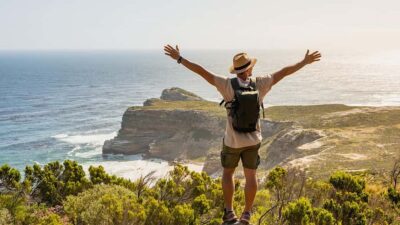
Cape of Good Hope & Penguins Day Tour with Pickup
Read our review →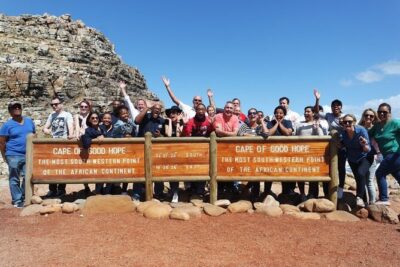
Cape Point and Boulder’s Penguins Full Day Tour
Read our review →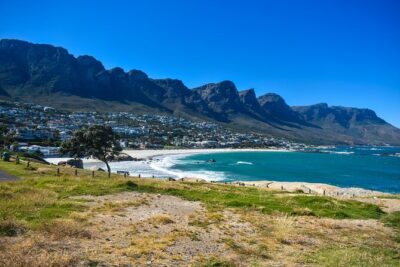
Cape of Good Hope & Boulder Penguins Full-Day Tour from Cape Town
Read our review →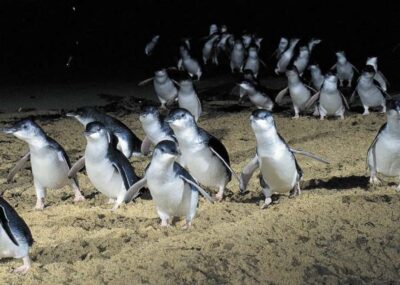
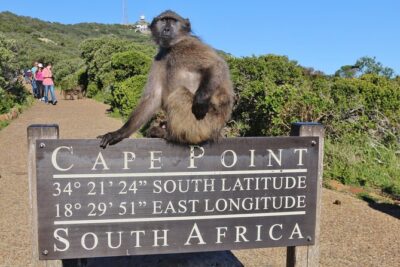
Table Mountain, Penguins & Cape Point Small Group Tour Cape Town
Read our review →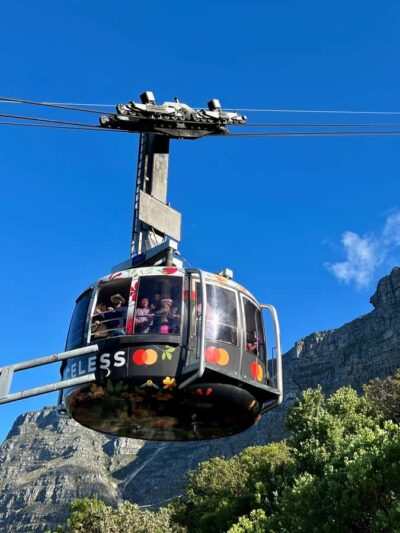
Cape Town Tour: Table Mountain, Penguins & Cape Point+Pickup
Read our review →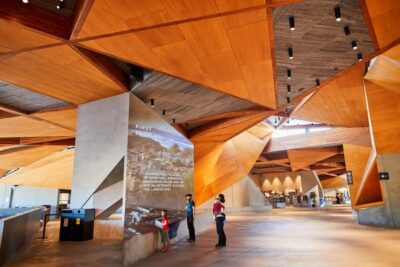
Lists this trip turns up in