REVIEW · PORTUGAL
Lisbon: Tagus Estuary Nature Reserve Birdwatching Boat Tour
The most surprising thing about this tour is how quickly Lisbon gives way to open water, mudflats, islands, and bird-filled channels. From Parque das Nações, Carlos Cera takes you toward the Tagus Estuary Nature Reserve, where the city becomes a distant backdrop and the main show is feeding, flying, and hunting birds.
I like the small group limit of 10, and I like that binoculars, fuel, insurance, and life vests are included. Carlos is especially good at reading the tide and finding birds without rushing the boat. The main drawback is simple: nature sets the schedule, so sightings vary with weather, season, tide, and fog.
Key points at a glance
- A major wetland beside Lisbon: The Tagus Estuary covers about 32 square kilometers, with a protected reserve of roughly 14,000 hectares.
- A serious birding destination: About 200 bird species have been identified, and winter counts can reach 120,000 birds.
- Carlos Cera leads the trip: He combines bird identification with explanations of habitats, migration, tides, and Lisbon’s waterfront.
- Small boat, small group: Up to 10 participants makes it easier to hear the guide and share good viewing angles.
- Strongest bird season: Winter brings the largest numbers, while spring and summer can still produce excellent sightings.
- Bring layers: Wind, sun, spray, and changing weather can make the boat feel cooler than the city.
Why this estuary trip feels far from Lisbon
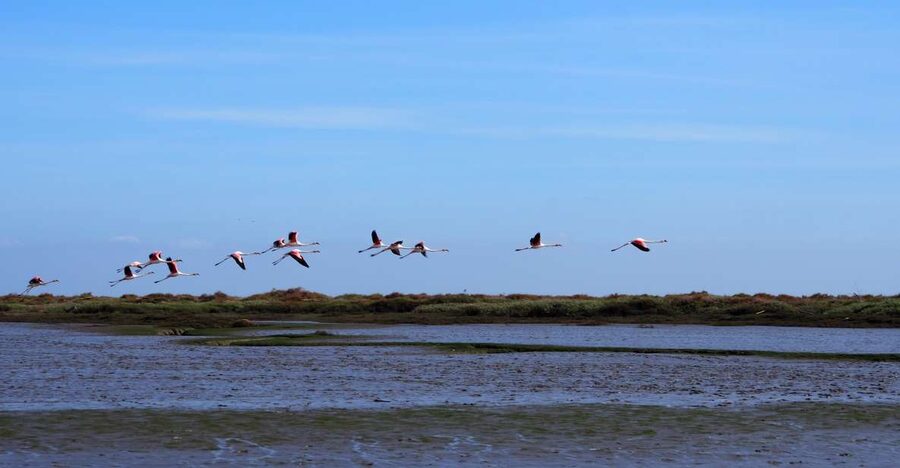
The Tagus is not just a river beside the city. As it widens toward the Atlantic, it forms broad tidal flats and shallow channels that give wading birds places to feed. The reserve begins only a short distance from Lisbon, yet the feeling changes quickly from urban waterfront to open wetland.
That contrast is the heart of the outing. You get city views, bridges, and modern waterfront architecture at the start, then spend most of the three hours watching birds in a quieter setting. It is a good choice if you want a break from museums, tiled streets, and steep walks without leaving the Lisbon area.
The scale is impressive. The estuary is described as the largest in western Europe, and its reserve covers around 14,000 hectares. Some 200 species have been recorded here. Winter counts can reach about 120,000 birds, which helps explain why the colder months are often the best time for sheer numbers.
You may see flamingos, avocets, spoonbills, glossy ibises, black-winged stilts, herons, egrets, ospreys, marsh harriers, and terns. One count in 2024 recorded 12,000 flamingos in the estuary. That does not mean every boat sees a wall of pink birds, but it shows the importance of this wetland.
More Birdwatching Boat Trips in Portugal
- 2-hour Bird Watching Guided Boat Trip in Ria Formosa from Faro Algarve
★ 4.5 · 75 reviews - Faro: Ria Formosa Eco Birdwatching Boat Tour
★ 4.6 · 73 reviews - From Faro: 2-Hour Guided Bird Watching Boat Trip
★ 4.6 · 71 reviews
Meeting at Parque das Nações
The meeting point is beside the Onda Luso-Americana artwork, at the Onda Luso-Americana departure point. This is in the Parque das Nações area, the modern waterfront district on Lisbon’s eastern side.
You should allow time to find the artwork and get settled before departure. One useful advantage is access by metro, making this a practical outing without a taxi or private car. Hotel pickup and drop-off are not included, so you make your own way to the marina.
The tour begins with about 15 minutes at Marina Parque das Nações for a safety briefing. Everyone wears a life vest, and the boat trip is subject to weather and water conditions. That may sound routine, but it matters on an open-water outing where wind and fog can change conditions quickly.
The boat is small and suited to a group of no more than 10. That size works well for birdwatching. You have a better chance of hearing Carlos, asking questions, and getting a clear look when he points toward a distant bird. The trade-off is that space is limited, so pack lightly and keep large bags to a minimum.
The first half hour: city views and orientation
The opening cruise passes through Parque das Nações, with about 30 minutes set aside for sightseeing, photographs, and an introduction to the waterfront. This gives you time to adjust to the boat and see Lisbon from a low, water-level angle.
The area is known for its modern architecture and broad riverfront. You may spend part of this opening section looking back at the city rather than at birds. That is not wasted time. It gives Carlos a chance to explain the route and helps you understand how close the reserve is to the urban center.
Next comes the Bairro dos Pescadores area. The boat continues with guided sightseeing and photo opportunities. The exact wildlife here can change, but this portion helps connect the working waterfront and fishing traditions with the wider estuary.
Do not expect a nonstop birding session from the first minute. The cruise has a gradual rhythm. You leave the marina, pass the city, and then move into quieter channels where wildlife becomes the focus.
Two and a half hours inside the reserve
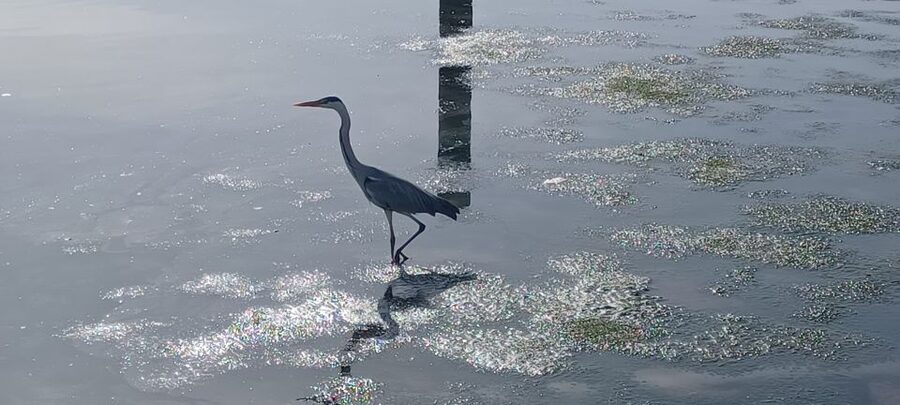
The main part of the experience is the roughly 2.5 hours spent in the Tagus Estuary Nature Reserve. This is where Carlos uses his local knowledge to look for birds along mudflats, islands, and shallow channels.
Tides matter here. When mudflats are exposed, birds often gather to feed. One particularly useful tip is to check the tide before booking if you have flexibility. A low tide can bring feeding birds closer to the areas visited by the boat, though Carlos can adjust the route and timing to make the best of conditions.
You will not simply cruise past a list of species. Carlos points out birds, explains their names and migration status, and discusses how they use the estuary. He also carries bird references, and binoculars are provided for participants. You can bring your own camera and binoculars if you have them.
Past sightings have included more than 20 species on some trips, and more than 30 during especially productive outings. Possible birds include flocks of avocets and spoonbills, purple herons, glossy ibises, little and cattle egrets, black-winged stilts, little terns, marsh harriers, and ospreys.
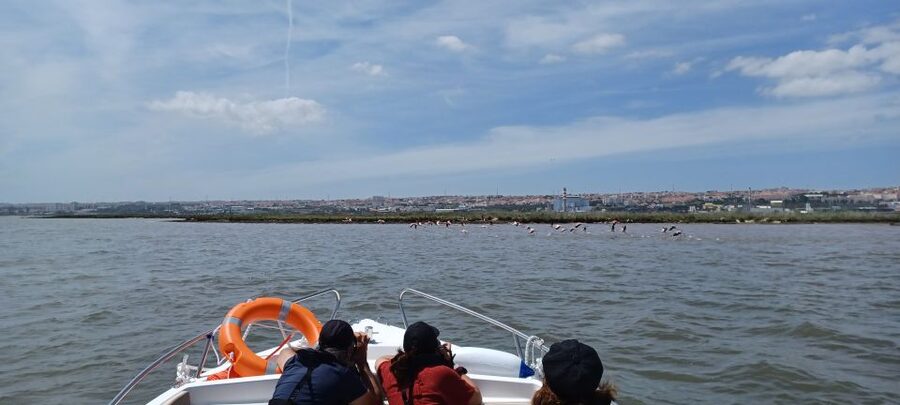
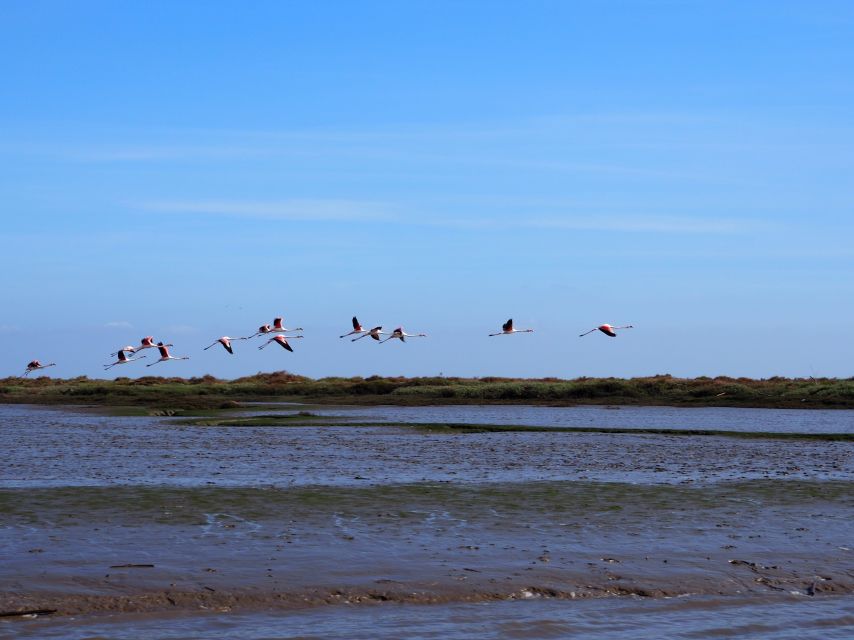
Flamingos are among the most memorable possibilities, particularly when they rise together or cross the estuary in flight. Large groups of black ibises have also appeared during migration. These are wonderful sightings, but they are not guaranteed. The honest way to approach this tour is to expect a good look at wetland habitat and let the exact bird list be a bonus.
Carlos also makes an effort to keep a respectful distance from wildlife. That improves the experience in two ways. You get better behavior to watch, and the boat does not turn the outing into a chase. For photographers, patience is more useful than speed.
More Wetland and Lagoon Birding in Portugal
- Faro: Eco-Friendly Ria Formosa Bird Watching in Solar Boat
★ 4.7 · 359 reviews - Faro: Ria Formosa Natural Park Segway Tour & Birdwatching
★ 4.9 · 180 reviews - Ria Formosa Natural Park Birdwatching Segway Tour from Faro
★ 5.0 · 164 reviews - Birdwatching in Ria Formosa – Eco Boat Tour from Faro
★ 5.0 · 57 reviews
Mouchao da Povoa and the return past the bridge
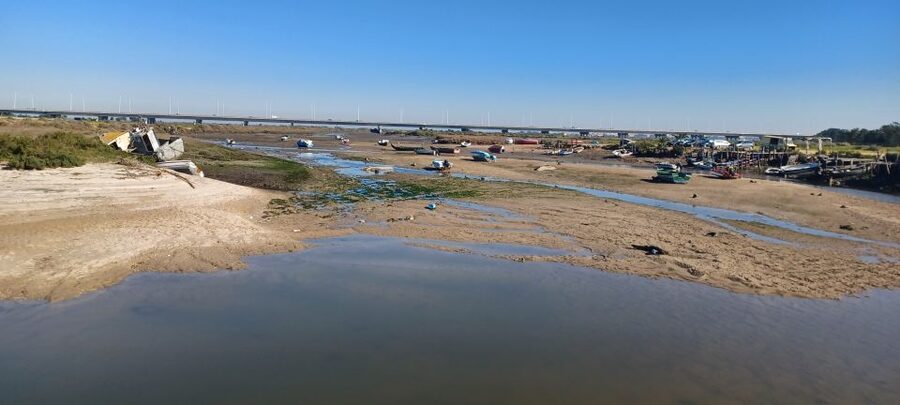
The route continues toward Mouchao da Povoa, an island and wetland area passed by boat. This section offers more chances for wildlife viewing, scenic photographs, and observations of birds using the channels and exposed flats.
You may find this part especially peaceful. The boat can pause or move slowly while Carlos searches for birds. The pace is not built around checking off a fixed number of attractions. It is shaped by what is happening on the water that day.
The return includes a pass beneath or near the Vasco da Gama Bridge, one of the major visual markers of Lisbon’s eastern waterfront. It is a useful final contrast: after watching birds in broad open wetlands, you return toward one of the city’s great pieces of infrastructure.
The trip ends back at Onda Luso-Americana. The full outing lasts about three hours, though the actual balance between city views, cruising, and birdwatching depends on conditions.
What makes Carlos Cera such an important part of it
The boat and reserve matter, but Carlos shapes the experience. He is described as friendly, passionate about the estuary, and very good at identifying birds and understanding where they are likely to be.
That skill is useful even if you already know birds. Carlos can explain behavior, habitat, and migration rather than simply calling out names. If you are new to birdwatching, he helps you notice details such as leg shape, flight pattern, feeding behavior, or the way a bird moves through the shallows.
He also adjusts to the group. People with different levels of birding experience can take part without needing to prepare in advance. You can ask basic questions, or focus on photography and species identification if you already have a longer life list.
The multilingual setup is another practical advantage. Tours are offered in Portuguese, English, and Spanish, with French also listed among the languages available for the activity. Confirm the language you need when booking, especially if it is important for your group.
Best season, tide, and weather
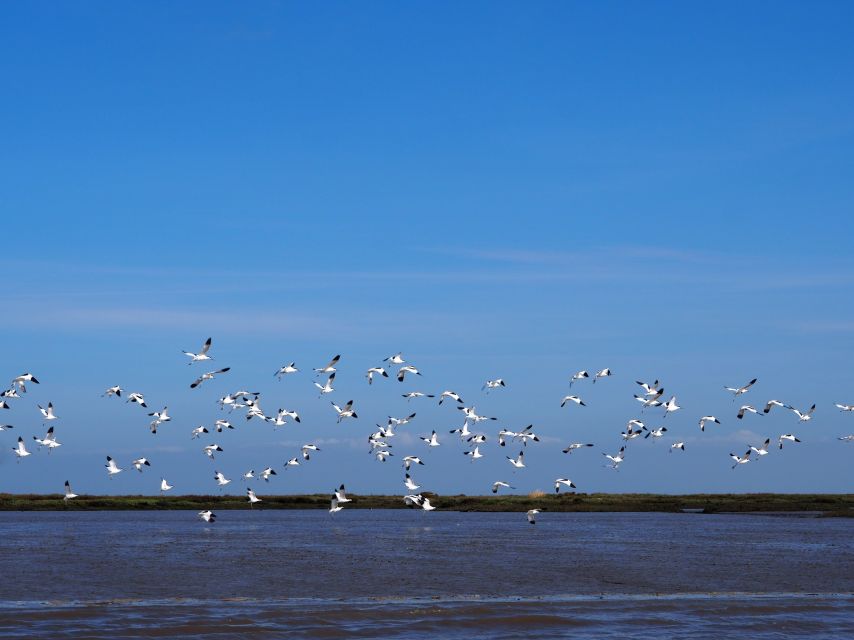
Winter is the strongest choice if your main goal is bird numbers. The reserve regularly hosts around 120,000 wintering birds, and cooler months bring many migratory species. Sightings may include large groups of waders, spoonbills, avocets, ibises, and birds of prey.
Spring can be rewarding, but breeding activity changes the mix. You may see fewer winter visitors while still finding herons, stilts, and other resident or returning species. Summer is not the peak period for numbers, yet a July outing produced black-winged stilts, purple herons, spoonbills, glossy ibises, egrets, little terns, and marsh harriers.
Autumn migration can be excellent. October outings have produced flamingos, ospreys, marsh harriers, ibises, spoonbills, and more than 20 or 30 species in a single trip. If you want a good balance of pleasant weather and active migration, autumn deserves serious consideration.
Tide is just as important as the calendar. Exposed mudflats can attract feeding birds, so check the tide before selecting a date if the booking system gives you that choice. Still, you cannot control everything. Foggy mornings and sudden weather changes can lead to a last-minute cancellation.
Tours may be cancelled for safety if the weather or water conditions are poor. You should receive contact within 24 hours when cancellation is expected, though fog can occasionally cause a late change. If the trip cannot be rescheduled, the policy provides a full refund.
Is $58 a fair price?
At $58 per person, this is not the cheapest way to spend three hours in Lisbon, but the price includes several items that add real value. Fuel, insurance, binoculars, and life vests are included, and the small group keeps the experience more personal than a large sightseeing cruise.
You are also paying for Carlos’s ability to find birds and interpret the reserve. Without a guide, you might see birds but miss the difference between an osprey and another raptor, or fail to notice a spoonbill feeding in the distance. The value is strongest for anyone who wants more than a scenic boat ride.
The price is less compelling if you only want a quick view of Lisbon from the water. This is a nature trip first. The city scenery is part of the route, but the main reason to book is the reserve and its birdlife.
Food and drinks are not included. You can bring a picnic if you want one, though the three-hour format means many people will simply eat before or after the cruise. Wear comfortable shoes and bring sunglasses, a camera, biodegradable sunscreen, a jacket, and clothing suited to the forecast.
Who should book this boat trip?
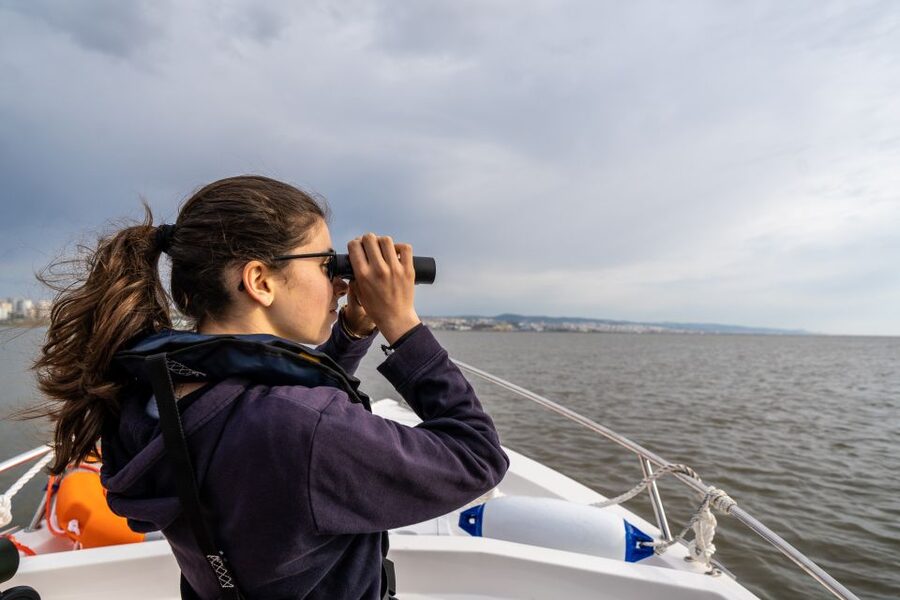
I would recommend it most strongly to birders, photographers, families who enjoy wildlife, and anyone who wants a quieter change of pace from central Lisbon. It works for beginners because Carlos explains what you are seeing, and it works for experienced birders because the estuary can produce a varied list.
It is also a good family option. The small boat and outdoor setting give children something to watch without requiring a long walk. Still, young children should be comfortable sitting in a boat and following safety instructions.
You should think twice if you need a guaranteed list of species, dislike wind or changing weather, or want a fast-paced sightseeing ride. Nature does not provide a script. Even a quiet day can still offer fine views of the estuary, bridges, city, and open water, but the number of birds may be lower outside the main migration periods.
Should you book the Tagus Estuary birdwatching tour?
Yes, if you want to see a side of Lisbon that most city itineraries miss. The combination of a small boat, a serious wetland, and Carlos Cera’s close attention to bird behavior gives the trip real substance.
Book in winter or during migration if bird numbers are your priority, and check the tide when possible. Bring layers and a camera, expect conditions to shape the route, and treat rare sightings as luck rather than a promise. For $58, this is a strong choice for nature lovers who value a calm, well-guided outing close to the city.
FAQ
How long does the Tagus Estuary boat tour last?
The tour lasts three hours, including the cruise from Parque das Nações, time in the Tagus Estuary Nature Reserve, and the return to Onda Luso-Americana.
Where does the tour start?
The meeting point is next to the Onda Luso-Americana artwork, at Onda Luso-Americana near Parque das Nações.
How many people can join the boat tour?
The tour is limited to 10 participants, making it a small-group experience.
Are binoculars provided?
Yes. Binoculars are included, along with fuel, insurance, and life vests.
Which languages are available?
The activity information lists Portuguese, English, and Spanish. French is also listed among the languages in which tours may be conducted.
What birds might I see?
Possible sightings include flamingos, spoonbills, avocets, herons, ibises, egrets, black-winged stilts, terns, ospreys, and marsh harriers. The exact species and number depend on season, tide, weather, and location.
What happens if bad weather cancels the tour?
Boat trips are subject to weather and water conditions. If the tour is cancelled and cannot be rescheduled, you receive a full refund. You can also cancel up to 24 hours ahead for a full refund.
More Bird Sanctuaries and Parks in Portugal
- Boat Tour – Bird Observation in the Tejo Nature Reserve
★ 5.0 · 34 reviews - Maleny Botanic Gardens Bird Aviary Experience Ticket
★ 4.5 · 579 reviews - Puerto Iguazu: Iguaza Falls Brazilian Side & Bird Park Tour
★ 4.0 · 260 reviews - Niagara Falls, Canada: Bird Kingdom Entry Ticket
★ 4.3 · 243 reviews
Newest birding reviews around Portugal
- Azores: Marine Birdwatching & Islet Biologist Guided Tour★ 4.9 · 19 reviews
- Laid-back birdwatching week★ 5.0 · 4 reviews
- Birdwatching day in the Ria Formosa Natural Park★ 5.0 · 3 reviews
- Boat Tour – Bird Observation in the Tejo Nature Reserve★ 5.0 · 34 reviews
- Lisbon : Birdwatching Boat Tour – Tagus Estuary★ 5.0 · 20 reviews
- Birdwatching Boat Tour in the Tagus Estuary★ 5.0 · 3 reviews
- Half-day birdwatching at the Abicada marshed★ 5.0 · 8 reviews
- Afternoon birdwatching at Lagoa dos Salgados★ 5.0 · 5 reviews
Bird Sanctuary & Park Visits, side by side.

Maleny Botanic Gardens Bird Aviary Experience Ticket
Read our review →
Niagara Falls, Canada: Bird Kingdom Entry Ticket
Read our review →


Montego Bay: Marijuana Farm and Bird Sanctuary Tour
Read our review →