
REVIEW · AUSTRALIA
Margaret River: Birds of Prey Encounter and Forest Walk
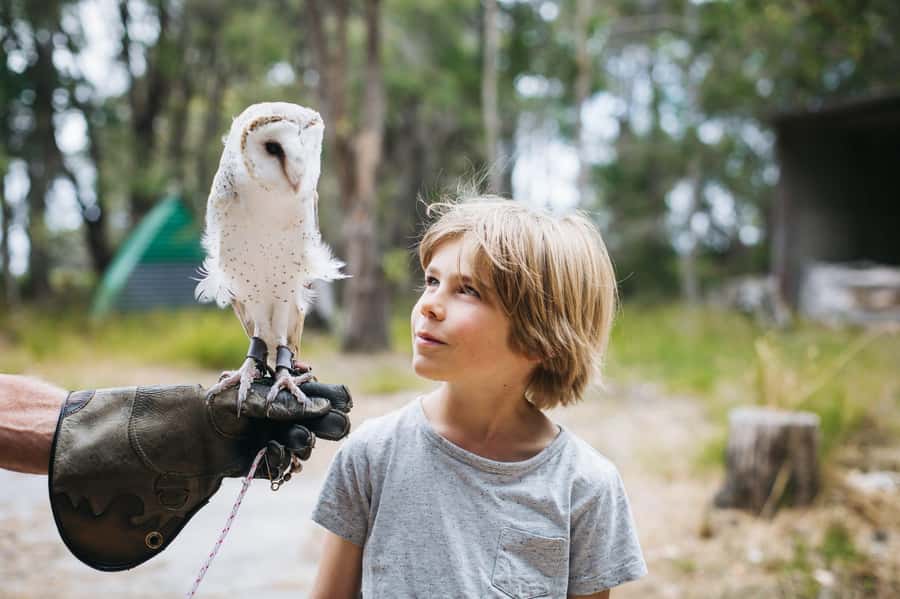
The most memorable part of this Margaret River outing is the moment a bird of prey flies low over the audience. At Capes Raptor Centre, you may see an owl at close range, watch a kite take food from the air, and learn why these birds need human care. The encounter is led in English and lasts about 90 minutes when combined with the walk.
I like the mix of hands-on bird presentation and quiet forest stroll, since you get both a focused show and time to move at your own pace. I also like the clear conservation purpose, from caring for injured and orphaned birds to explaining dangers such as poisoned rodents. The main consideration is that the display may feature only a small number of flying birds, and some older enclosures could feel more rustic than polished.
Key points to know
- Low flying birds make the presentation memorable: A kite may catch food from the air, while other birds feed from a handler’s hand.
- The 1km walk adds real value: You can meet more birds in their enclosures before or after the main encounter.
- The centre cares for displaced raptors: Eagles, hawks, falcons, and owls are part of its rehabilitation and education work.
- Guides keep the tone friendly and informative: Rob, Rachel, Robert, Anne-Marie, Tara, and Cherie have all led sessions noted for clear explanations and warm presentation.
- The $17 price is modest: For a 90-minute visit with a flying display and forest walk, it is an easy addition to a Margaret River day.
- Plan for a simple wildlife centre: The setting is rustic, and the focus is on the birds rather than polished visitor facilities.
Meeting Margaret River’s rescued raptors
Capes Raptor Centre sits 5 kilometres south of Margaret River Townsite, making it a straightforward short drive from town if you have your own transport. The centre is one of Australia’s larger sanctuaries for birds of prey, with a clear focus on rehabilitation, public education, and care for birds that cannot simply be returned to the wild.
You are not coming here for a large zoo with dozens of unrelated animals. The experience stays focused on raptors: eagles, hawks, falcons, kites, and owls. That narrow focus works well because the presentation can explain how these birds hunt, fly, see, feed, and respond to the dangers created by people.
The sanctuary cares for injured, orphaned, and displaced birds. That gives the visit a useful purpose beyond taking photographs. You see the birds, but you also learn why some need permanent care and how everyday actions can harm them.
The setting is described as rustic rather than glossy. I would treat that as part of the character, but keep your expectations sensible. The bird care and educational work are the main attractions. Some enclosures may feel ready for updating, even though the aviaries have been described as clean and easy to view.
More Birds of Prey and Falconry in Australia:
- Colorado Springs Hands-On Falconry Class and Demonstration
★ 5.0 · 293 reviews - Morning Falconry & Nature Desert Safari with Transfers from Dubai
★ 5.0 · 254 reviews - Interactive Educational Course on Birds of Prey
★ 5.0 · 230 reviews
What happens during the bird of prey encounter
The twice-daily Bird of Prey Encounter is the centrepiece. Check the available starting time when booking, since the presentation runs at set times rather than on a continuous schedule.
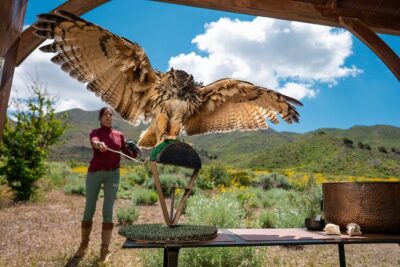
The exact birds in the session can vary, but the encounter may include owls and flying birds such as kites. The emphasis is on seeing natural abilities at close range while a presenter explains the birds’ traits and behaviour.
The flying demonstration gives the experience its lift. A bird may pass over the audience, catch food from the air, or take food from a handler’s hand. Bonnie, one of the birds mentioned by name, has flown over the heads of children during a presentation, creating the kind of sudden, exciting moment that makes this more than a static enclosure visit.
Kevin the kite has also become a memorable character in the centre’s presentations. A kite feeding demonstration can be especially useful because you see how a bird uses speed, timing, and precise movement instead of simply hearing about those skills.
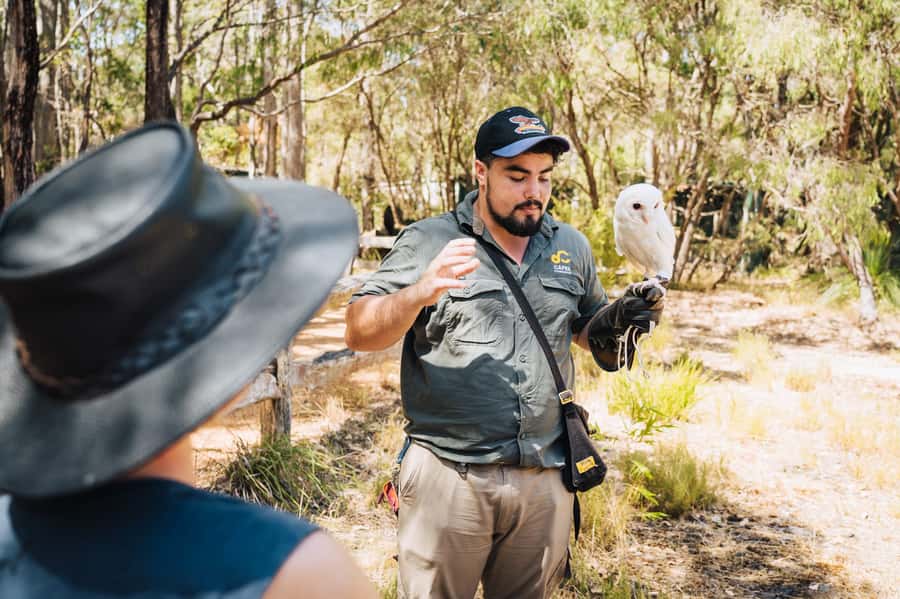
The owl portion is quieter and more intimate. You can get a close look at an owl while the presenter explains features that are easy to miss at a distance. Anne-Marie’s discussion of barn owls and kites has been singled out for its useful detail, and the centre’s presenters have included Rob, Rachel, Robert, Tara, and Cherie.
Do not expect a theatrical show built around a long list of species. One fair criticism is that a display may include only two types of flying birds. The strength comes from the explanations and the close access, not from a constant parade of animals.
The presentation works particularly well for families. Children can watch a bird move overhead, then connect that moment with the explanation of how and why it flies. Adults are likely to appreciate the practical conservation message, especially if you enjoy wildlife experiences that explain human impact rather than only displaying animals.
The conservation lessons are more than decoration
One of the most useful parts of the encounter is the direct discussion of threats to birds of prey. A presentation may explain how poisoned rodents can harm raptors when they eat a dead animal contaminated by rat poison.
The warning about RATSAK and poison remaining in dead rodents is disturbing, but worth hearing. It turns a broad conservation message into a specific household issue. You leave with a clearer idea of how products used around homes and farms can affect animals higher up the food chain.
The centre’s staff also explain the value of rehabilitation. An injured bird may need care because it cannot hunt, fly, or protect itself properly. An orphaned or displaced bird may have no safe way to survive alone. The sanctuary gives these birds a place to recover or remain under care when release is not possible.
That message adds weight to the $17 admission. You are not paying only for a short performance. Your fee also supports a place built around birds that need protection, care, and public understanding.
The education is handled in a relaxed way. Presenters have been praised for keeping the audience interested without making the talk feel like a formal lecture. Rob, in particular, has been noted for combining humour with clear information. That balance matters when you are visiting with children or with family members who do not usually seek out wildlife centres.
Walking the 1km forest route
The self-guided walk can happen before or after the bird presentation. That flexibility is useful because you can fit the route around the fixed show time instead of rushing through it.
The walk covers 1 kilometre through native forest and takes you past more of the centre’s resident birds. It is a chance to slow down after the energy of the flying demonstration and look at birds that may be shy, still, or less suited to a public presentation.
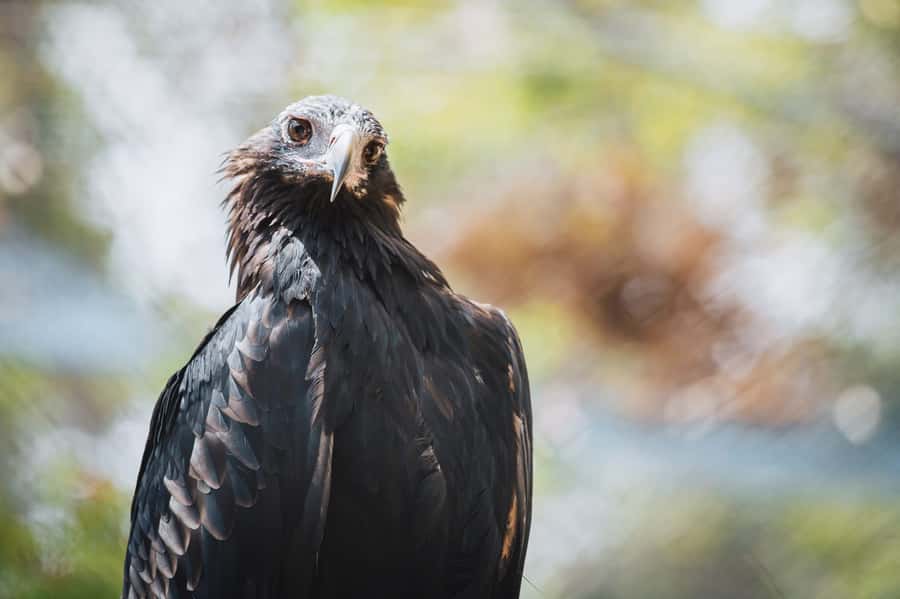
You will meet an array of powerful and elusive raptors along the route. The walk is not simply a path between the car park and the show area. It gives you a fuller picture of the centre’s work and introduces birds that may not appear in the flight display.
I would allow enough time to stop at the enclosures rather than treating the walk as a quick loop. The route is self-guided, so you control the pace. That makes it easier to read signs, watch a bird for a while, or pause for photographs.
The forest setting also changes the mood of the visit. The show is social and directed, with everyone looking toward the presenter. The walk is quieter, and you can pay attention to small details in the birds’ behaviour and surroundings.
Some people may find the enclosures less modern than expected. An older comment called for updates to certain bird areas, while other visitors found the aviaries clean and the centre easy to navigate. The fair reading is that the centre puts its resources into bird care and new structures, but it is not a highly polished commercial attraction.
A few more birding trips around Australia worth a look
- Penguin Parade, & Wildlife Encounters Eco Tour from Melbourne
★ 5.0 · 3,774 reviews - From Melbourne: Penguin Parade, Koalas & Kangaroos
★ 4.5 · 1,932 reviews - From Melbourne: Phillip Island Penguin Parade & Koalas Tour
★ 4.7 · 1,408 reviews - From Melbourne: Phillip Island Penguin Parade Eco Tour
★ 4.8 · 1,211 reviews
Close encounters and photography
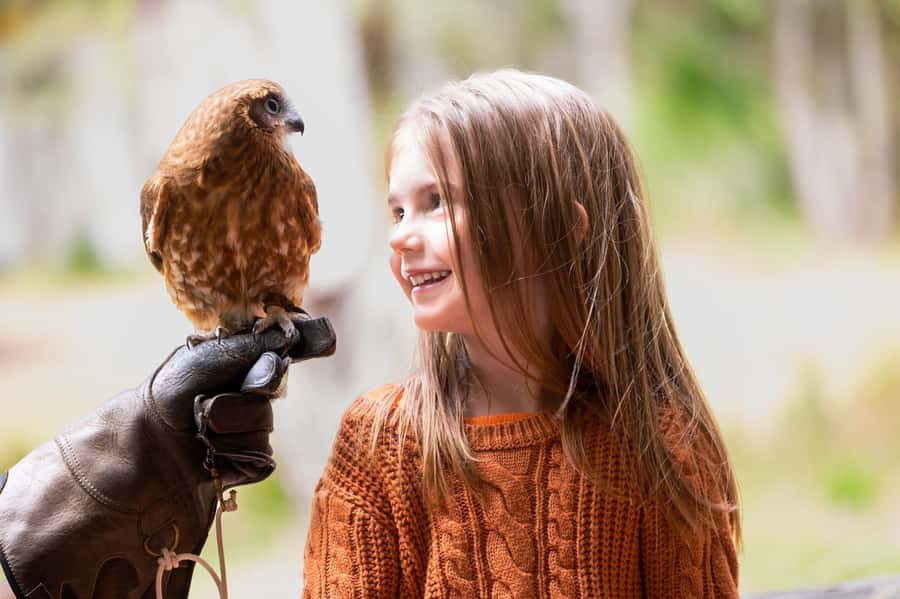
The experience includes the chance to get close to a bird of prey and have your photograph taken with one. That is a strong feature for families, since it gives children a clear memory of the visit beyond the general impression of walking around an aviary.
The phrase close encounter should not be read as unlimited handling. The birds are living animals, and the encounter is managed by staff. The exact bird and format can vary, so approach it as a supervised photo opportunity rather than a promise that every visitor will hold a bird.
The owl encounter is one of the most appealing parts for many people. Owls can be difficult to spot in the wild, and seeing one at close range lets you notice its shape and features in a way that a distant sighting rarely allows.
The flying portion offers a different kind of contact. Instead of looking at a bird perched nearby, you watch it move through open space. A bird passing above the audience provides a better sense of wingspan, control, and speed than a still photograph.
Bring a camera if you want a record of the visit, but keep your attention on the presentation too. The most useful information arrives while the handler is explaining the bird, not only during the photograph.
Is $17 good value?
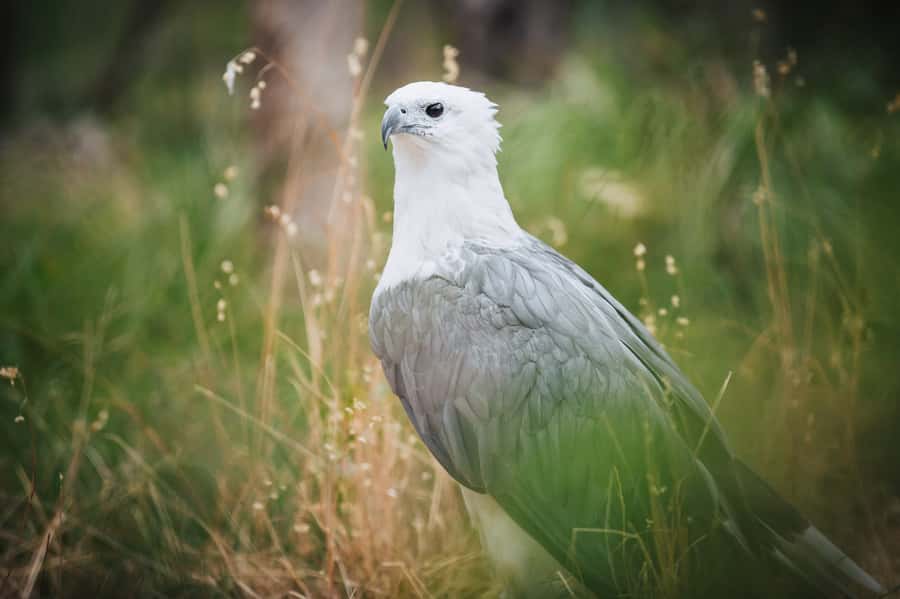
At $17 per person, this is one of the easier Margaret River activities to justify. You get a 90-minute visit, a guided bird of prey presentation, a 1km self-guided forest walk, close views of rescued birds, and a photo opportunity.
The price is especially fair if you already plan to spend time around Margaret River and have a car. The centre is only 5 kilometres south of the townsite, so it can fit into a morning or afternoon without taking over your day.
The value is less about the number of attractions and more about the quality of the central encounter. If you want a big wildlife park with many species, this will feel limited. If you want an affordable, focused visit built around Australian raptors and conservation, the price works well.
Food and drink are not included, and the experience does not provide transportation. Plan to get there independently and arrange refreshments elsewhere. The visit itself is short enough to pair with other Margaret River stops.
The ability to reserve now and pay later can help if your plans are still changing. Free cancellation is available up to 24 hours before the activity for a full refund. Wheelchair access is also listed, which may make the centre suitable for more visitors, though the available information does not describe every surface or section of the forest route.
Who will enjoy this visit most?
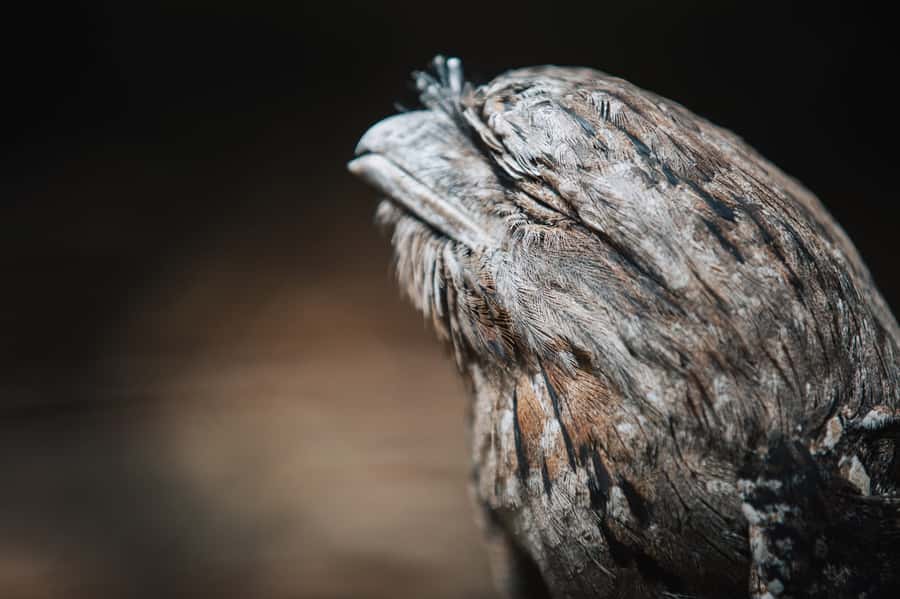
I would recommend Capes Raptor Centre to families, bird lovers, and anyone who wants a short wildlife activity with a clear educational purpose. Children get movement, close views, and the excitement of a bird flying above them. Adults get practical information about raptor behaviour and conservation.
It also suits people who are not expert birdwatchers. You do not need prior knowledge to enjoy the encounter. The presenters explain what you are seeing, and the flying demonstrations make the birds easy to appreciate even if you cannot identify a hawk from a kite.
The centre is a good choice for a rainy-day alternative only if conditions still allow the forest walk and presentations to run as planned. The supplied information does not specify weather arrangements, so check availability if conditions are poor.
You may want to skip it if your main goal is a large-scale animal attraction, a long guided hike, or a full day of activities. The entire experience lasts about 90 minutes, and the flight display may involve only a small number of bird types.
For photographers, the appeal is the combination of close portraits and movement. For conservation-minded visitors, the discussions about poison, injury, and rehabilitation may be the strongest reason to go.
Practical timing and visit tips
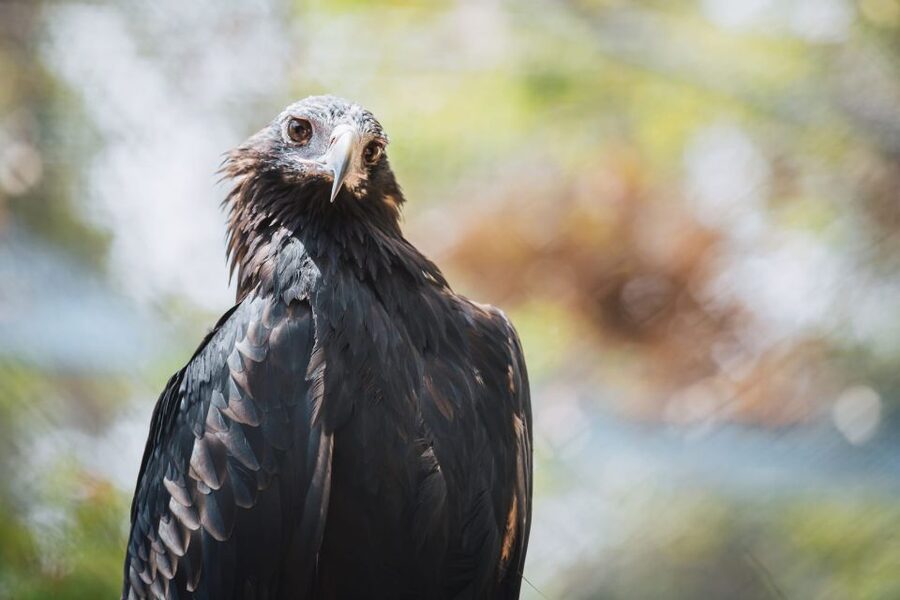
The encounter is offered twice daily, with the exact starting times shown when you check availability. Since the forest walk can take place before or after the show, you have some control over the order.
If you want the least rushed visit, arrive ready to use both parts of the experience. Start with the forest route if the presentation is later, or walk through the sanctuary afterward while the information from the show is still fresh.
The centre is 5 kilometres south of Margaret River Townsite. Transportation is not included, so you need to arrange your own way there.
The host and presentation language is English. The $17 admission does not include food or drinks, so plan those separately.
Wear something comfortable for the 1km route and allow time for stops. The path is self-guided, which means you can move at your own speed rather than keeping up with a group.
Should you book the Capes Raptor Centre visit?
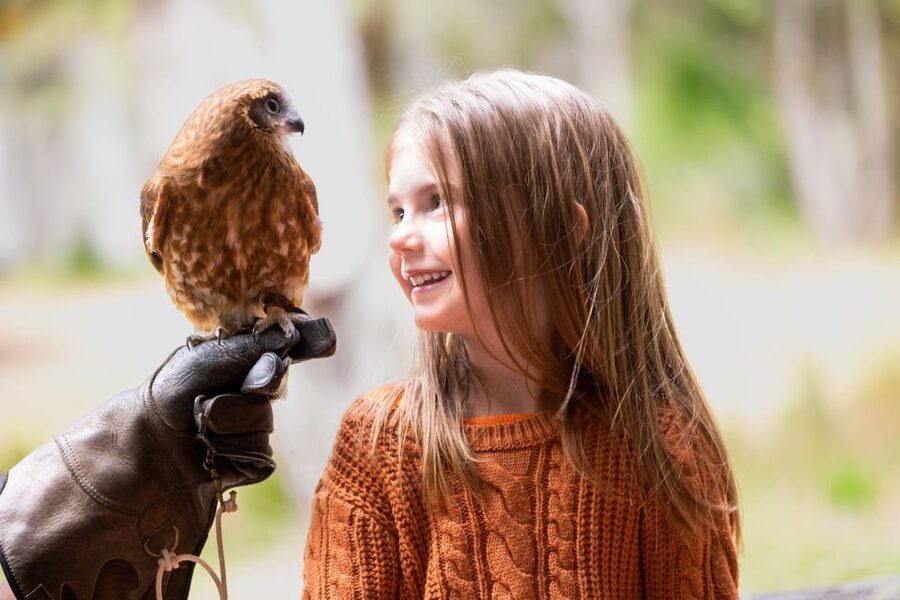
Book it if you want an affordable, focused wildlife stop near Margaret River, especially if you enjoy owls, kites, and other birds of prey. The strongest reasons are the close encounter, the low flying demonstration, the clear conservation message, and the extra 1km forest walk.
Go with realistic expectations. This is a working raptor sanctuary with a rustic feel, not a polished theme park. The flying display may feature only a couple of bird types, and some enclosures may look ready for improvement.
For $17, I think the visit offers very good value. You get enough time to see the centre properly, the staff bring warmth and useful information to the presentation, and your admission supports care for injured, orphaned, and displaced birds. If that sounds like the kind of Margaret River stop you want, add it to your day.
FAQ
Where is Capes Raptor Centre?
Capes Raptor Centre is 5 kilometres south of the Margaret River Townsite in Western Australia.
How long does the experience last?
The experience lasts approximately 90 minutes, including the Bird of Prey Encounter and the 1km self-guided forest walk.
What does the admission price include?
The $17 admission includes the twice-daily Bird of Prey Encounter and the 1km self-guided forest walk through the centre.
Can I take the forest walk before the bird presentation?
Yes. The forest walk can take place before or after the Bird of Prey Encounter.
Is transportation included?
No. Transportation is not included, so you need to arrange your own way to the centre.
Is the activity wheelchair accessible?
Yes, the activity is listed as wheelchair accessible.
Newest birding reviews around Australia
- Melbourne Puffing Billy Train and Penguin Parade Day Tour Escape★ 3.0 · 4 reviews
- From Phillip Island: Wine and Wildlife Tour with Penguin Parade★ 5.0 · 34 reviews
- Melbourne: Puffing Billy Train and Penguin Island Day Tour★ 4.3 · 40 reviews
- From Perth: Rockingham Seal & Penguin Islands Sea Kayak Tour★ 4.5 · 42 reviews
- Kuranda Wildlife Experience: Koalas, Birds & Butterflies★ 4.1 · 42 reviews
- Phillip Island Penguin Parade Afternoon Tour from Melbourne★ 4.7 · 47 reviews
- Phillip Island: Golden Hour Penguin Express Tour w/ Island Pickup★ 5.0 · 54 reviews
- Seal Island and Penguin Island or Point Peron Sea Kayak Tour★ 5.0 · 62 reviews
Birds of Prey & Falconry, side by side.
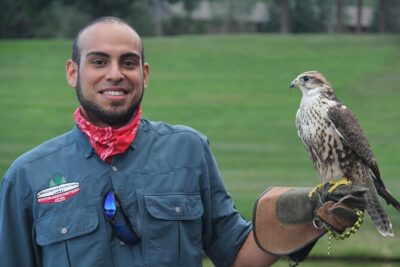
Colorado Springs Hands-On Falconry Class and Demonstration
Read our review →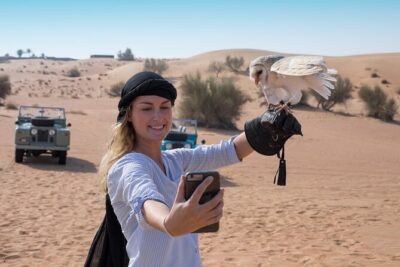
Morning Falconry & Nature Desert Safari with Transfers from Dubai
Read our review →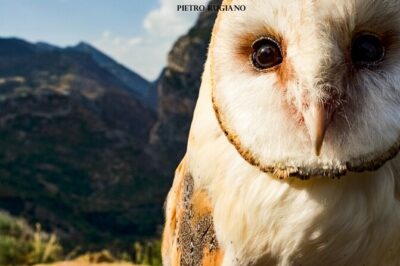
Interactive Educational Course on Birds of Prey
Read our review →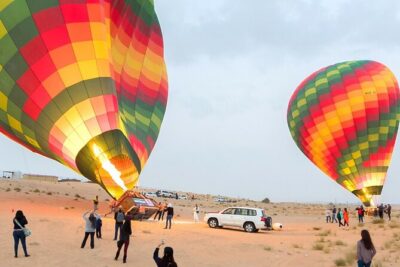
Dubai Hot Air Balloon Ride with Breakfast, Falconry & Camel Ride
Read our review →
Small-Group Tour: Falcon 2—Dubai Falconry Safari
Read our review →Lists this trip turns up in