
REVIEW · COSTA RICA
Tamarindo Birdwatching Crocodiles and Monkey Tour
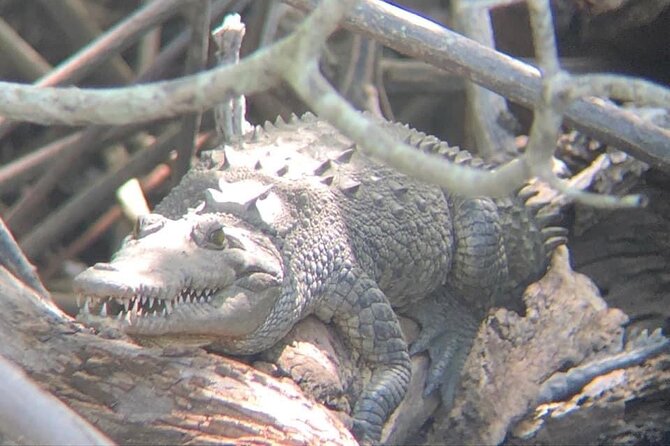
Tamarindo’s best wildlife surprise lies beyond the beach. This two-hour boat trip carries you into the mangrove channels of Las Baulas National Marine Park, where American crocodiles, howler monkeys, herons, iguanas, and land crabs live in the wild. Guides such as Juan Carlos, Moises, and Luis know where to look and how to explain what you’re seeing.
I like the quiet backwater setting, far from Tamarindo’s shops and beach traffic. I also like the guides’ strong grasp of the ecosystem. Juan Carlos, in particular, has been praised for spotting tiny bats, hard-to-see birds, and wildlife tucked deep in the trees. Fresh pineapple, bottled water, and snacks add a pleasant touch.
The main catch is that nature makes no promises. One outing may bring crocodiles, monkeys, an osprey catching a fish, and a dozen bird species. Another may produce only a few herons and a shy baby crocodile. A short walk may also be needed to find monkeys, and a late departure can cut into the two-hour schedule.
Key points to know before you go
- Crocodiles are seen in their natural setting: Sightings can be close, but the animals are wild and may hide in muddy water or mangrove shade.
- Juan Carlos is a standout guide: He is praised for sharp eyesight, clear explanations, fluent English, and a strong grasp of local plants and wildlife.
- The boat explores several waterways: Moving through different branches of the estuary improves your chances of finding birds and animals.
- Monkeys may require a short walk: If howler monkeys are not near the riverbank, the guide may suggest a small land excursion.
- Free parking is available: You meet at the Tamarindo park station, where on-site parking is described as safe and free.
- Wildlife luck matters: The setting is excellent, but sightings change with water conditions, season, animal behavior, and timing.
Tamarindo’s quieter side begins at the mangroves
The tour meets at 9:30 a.m. at Discover Tamarindo Travel Agency, located at the entrance to Tamarindo near the national park station. The boat portion takes place in Las Baulas National Marine Park, one of Costa Rica’s large mangrove wetland areas.
This is a useful choice if you want a nature outing without giving up half a day. The advertised duration is about two hours, and the tour ends back at the meeting point. Free parking at the park station makes the starting point easier if you have a rental car.
The group can include up to 20 people. That is not a private trip, but it is still a manageable size for a small boat-based nature experience. In quieter periods, the group may be much smaller. One particularly good account describes an off-season outing that became almost a personal tour, with the guide taking the group deeper into the mangrove channels.
Bring a calm attitude about timing. One departure was delayed nearly 30 minutes while the boat waited for late arrivals. The group returned around 11:30 a.m. after leaving at 9:55. That sort of delay is not the norm described for the experience, but it shows why you should avoid scheduling an important activity immediately afterward.
A few more birding trips around Costa Rica worth a look
- Birdwatching Tour at Mistico Park
★ 4.5 · 79 reviews - Monteverde Birdwatching Experience
★ 5.0 · 68 reviews - Jaco Birdwatching and Photography with Sergio
★ 5.0 · 65 reviews
A boat ride through several mangrove channels
The boat does not simply run in a straight line and turn around. The route moves through different parts of the estuary and smaller waterways, giving the guide more chances to spot animals. The mangrove forest can look quiet at first, but the guide’s trained eye brings out details you might miss from the deck.
You may see the roots and branches of several mangrove types, along with land crabs climbing or clinging to trees. Iguanas may sit in exposed places, while raccoons, bats, and birds blend into the vegetation. The water can be muddy, especially at certain times, but that does not necessarily end the wildlife search.
The boat ride itself is gentle and relaxing. If your previous day involved a long excursion, this makes a good slower morning. You get time on the water, shade from the mangroves, and explanations about how the wetland supports wildlife and protects the coast.
The guide’s role matters more here than fancy equipment. A boat can carry you into the right habitat, but it cannot point out a camouflaged bat or a bird hidden among branches. Juan Carlos has been especially praised for seeing small animals from a considerable distance. Moises is also singled out for explaining the plants and the ecological role of the mangroves.
What you might see among the branches
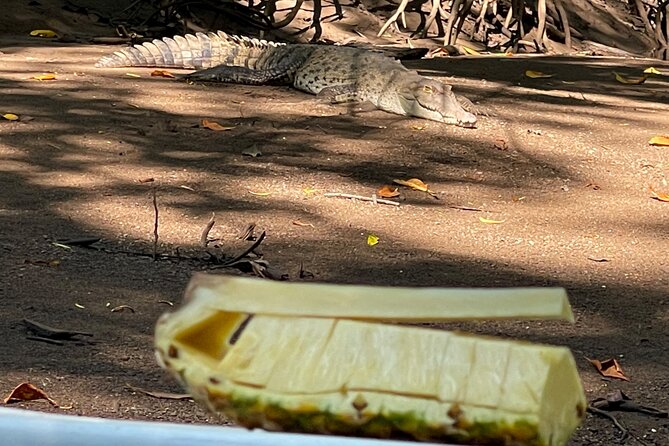
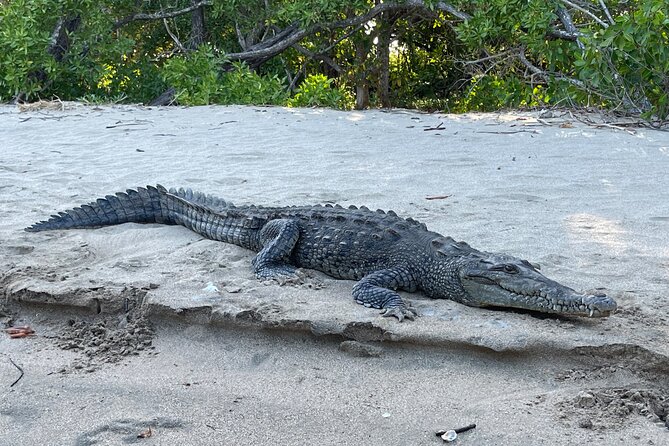
The wildlife list is broad, but it should be treated as a possibility list, not a promise. Crocodiles are among the main reasons to book the tour. Several outings produced two or three crocodiles, and one group saw two animals fighting. Other groups saw only part of a baby crocodile hiding in the mangroves.
That contrast is important. You may get a memorable close look at a crocodile, but the animal may also remain still, distant, or mostly hidden. The guide will search, but responsible wildlife watching means accepting that the animals control the schedule.
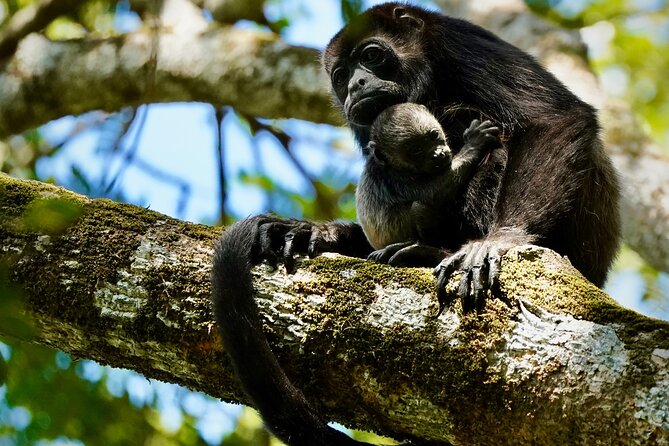
Howler monkeys are another major attraction. Groups have seen troops of three or more, sometimes near the riverbank. At other times, the monkeys were sleeping, silent, or away from the water. If they are not close to the boat, the guide may offer a small walk to look for them. That option is not always part of the easy boat portion, so ask about the walking conditions if you have mobility concerns or young children.
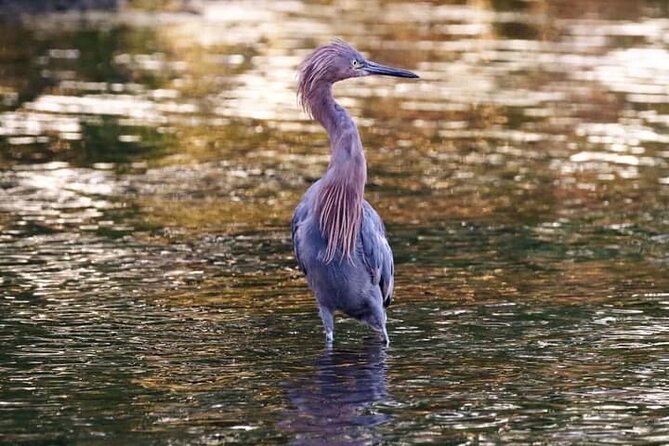
Birdwatchers have a particularly good reason to consider this trip. Sightings have included herons, ospreys, black hawks, Muscovy ducks, reddish egrets, plumbeous kites, and a juvenile long-tailed manakin. One group watched an osprey plunge for a fish and carry it back toward the boat, an unusually dramatic moment for a short estuary trip.
You might also see raccoons, bats, iguanas, insects, land crabs, and a large stingray. The guide may point out medicinal plants and explain the different mangrove species. That botanical detail adds value if your interest goes beyond taking pictures of crocodiles.
The guides make the difference
The strongest part of this experience is the local guiding. Juan Carlos receives the most consistent praise for his humor, professionalism, English, passion for the area, and ability to find animals before anyone else notices them. He also adjusts his attention to the group. If one person is focused on birds while others want monkeys, he may scan for both.
Moises is another strong name to look for. He is described as an excellent guide who explains the plants and animals while stressing the importance of mangroves. Luis is also praised for a friendly manner and unusually sharp eyesight when finding birds and small creatures in the trees.
The experience is not tied to one guide every day, so you should not assume a particular person will lead your boat. Other guides have also been described as friendly and well informed. Still, the quality can vary. One outing was weakened by a guide named Christian Jr., whose angry comments about local prices and tourism made the trip uncomfortable. Another guide handled the wildlife well but spent too much time stressing dangers and later suggested a hike that had not been clearly explained beforehand.
That is a minority concern, but it is worth knowing. A nature guide should help you understand the place without turning the trip into a lecture or an argument. The best guides here appear to do exactly that, connecting animals, plants, conservation, and local life in a clear and engaging way.
Same hide, a different set of birds:
- Night Walk Experience at Natura Eco Park, (frogs snakes mammals insects birds)
★ 4.5 · 57 reviews - ATV Zipline Tour from Tamarindo or Flamingo
★ 4.5 · 55 reviews - 3 Hour ATV Secluded Beach Tour from Tamarindo, Flamingo, Conchal & Grande
★ 4.5 · 54 reviews - Flamingo Beach Full-Day Package Rental
★ 4.5 · 53 reviews
Why the mangrove setting matters
This is not just a short boat ride with animals added as decoration. Mangroves provide shelter and feeding areas for fish, birds, reptiles, and mammals. They also connect coastal wetlands with the wider marine environment.
The guides explain that mangrove wetlands are linked to the area’s Blue Zone identity. The point is not simply to count species. You are seeing a working wetland, one that supports local wildlife and helps protect the coast.
That context gives the outing more weight than a quick sightseeing cruise. You can watch a crocodile resting in the water, then learn how the surrounding habitat supports it. You can see crabs in the trees and understand that the mangroves are not empty mudflats, but a living system with many levels of activity.
The tour also takes you away from Tamarindo’s main tourist strip. You do not need to travel far to see a very different side of the area. For me, that contrast is one of the best reasons to book it.
Snacks, comfort, and what to bring
Bottled water and snacks are provided. Fresh pineapple is repeatedly praised, and it sounds like one of the small pleasures that helps make the trip feel local rather than packaged. You do not need to plan the morning around finding food immediately afterward.
Wear comfortable clothes and shoes that can handle a possible short walk. The boat ride itself is easy, but the monkey search may involve leaving the riverside if the animals are not nearby. The supplied information does not give a detailed accessibility rating, so anyone with mobility concerns should ask the operator about the walking portion before departure.
Service animals are allowed, and the meeting point is near public transportation. Most people can participate. The maximum group size is 20, so this is not designed as a private wildlife charter.
A camera with a useful zoom will help with birds and animals in the trees. Do not expect every sighting to happen at close range. The most satisfying moments may be the ones where the guide finds something almost invisible, then gives you time to locate it yourself.
Is $50 a fair price?
At $50 per person, the tour offers fair value for a two-hour wildlife outing that includes a guide, boat trip, bottled water, snacks, and admission. Free parking is another practical benefit if you are driving yourself.
The value depends heavily on what you want. If you need guaranteed close views of crocodiles and monkeys, no wildlife tour can honestly promise that. You might see several crocodiles, a troop of howler monkeys, many birds, and other animals. You might also have a quieter morning with fewer sightings.
The price makes more sense if you value interpretation as much as the animal count. A good guide can turn a muddy channel and a wall of green branches into a lesson about birds, reptiles, plants, and conservation. Juan Carlos and Moises appear particularly strong in this role.
I would compare this favorably with a longer, more expensive excursion if you have only a morning free in Tamarindo. It is also a good add-on for someone who has already spent time on the beach and wants a change of pace without a long transfer.
Who should book this Tamarindo estuary tour?
I would recommend it to you if you enjoy nature, quiet boat rides, birdwatching, photography, or local ecology. It suits couples, families, solo visitors, and small groups. The short duration also works well for people who want an activity before lunch.
Birdwatchers should consider asking if an earlier departure is possible, since one account wished for more morning time focused on birds. The listed start time is 9:30 a.m., so you should not assume an early birdwatching schedule.
Families should understand that the boat ride is easy, but a monkey search may involve walking. Young children may enjoy the crocodiles and monkeys, though patience helps when animals are hidden or inactive.
I would not choose this as your only wildlife experience if you need guaranteed sightings or a tightly controlled schedule. Wildlife can be sparse, the water can be muddy, and late arrivals can shorten the outing. You should also leave room in your schedule after the tour.
Free cancellation is available up to 24 hours before the start time for a full refund. Poor weather or an insufficient minimum group can also lead to a rescheduled trip or full refund.
Should you book it?
Book this tour if you want a convenient, reasonably priced look at Tamarindo’s mangrove world, especially if you value a strong naturalist guide. The best outings appear to deliver far more than a simple boat ride, with crocodiles, monkeys, birds, bats, crabs, plants, and thoughtful explanations about the wetland.
Go in with realistic expectations. You are entering a wild habitat, not a zoo. If you can accept that some mornings produce more animals than others, this is one of the better short nature outings in the Tamarindo area. Ask about the guide, confirm the meeting point, arrive early, and keep the rest of your morning flexible.
FAQ
Where does the tour start?
You meet at Discover Tamarindo Travel Agency at the entrance to Tamarindo, near the Tamarindo National Park station in Guanacaste Province.
What time does the tour begin?
The scheduled start time is 9:30 a.m.
How long does the tour last?
The experience lasts approximately two hours and ends back at the meeting point.
What animals might I see?
Possible sightings include American crocodiles, howler monkeys, iguanas, land crabs, raccoons, bats, stingrays, and many bird species.
Are snacks and drinks included?
Yes. Bottled water and snacks are provided. Fresh pineapple has also been served on the tour.
Is parking available?
Yes. Safe, free parking is available onsite at the Tamarindo park station.
How many people can join the tour?
The maximum group size is 20 people.
Are service animals allowed?
Yes. Service animals are allowed, and the meeting point is near public transportation.
Can I cancel for a refund?
You can cancel at least 24 hours before the start time for a full refund. Cancellations or changes made less than 24 hours before the start time are not accepted for a refund. If poor weather or an insufficient minimum group cancels the tour, you are offered another date or a full refund.
Newest birding reviews around Costa Rica
- ATV Tamarindo to Playa Flamingo★ 4.5 · 32 reviews
- All Inclusive Beach Parties & Events on Flamingo Beach/Penca Beach/Concha Beach★ 5.0 · 44 reviews
- Slothies and Birds Sightseeing★ 5.0 · 44 reviews
- Birdwatching Tour: unlock the wonder, whether beginner or advanced★ 5.0 · 51 reviews
- Resplendent Quetzal-Tucans- Tropical Birdwatching Tour Monteverde★ 5.0 · 51 reviews
- Private Snorkeling Tour by boat in Flamingo Beach★ 5.0 · 51 reviews
- Flamingo Beach Full-Day Package Rental★ 4.5 · 53 reviews
- Monteverde Wildlife Walk & Hummingbird Encounter★ 5.0 · 52 reviews
Costa Rica Birdwatching Tours, side by side.
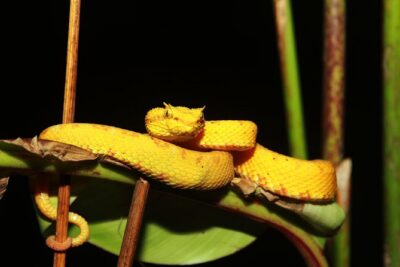
Night Walk Experience at Natura Eco Park, (frogs snakes mammals insects birds)
Read our review →
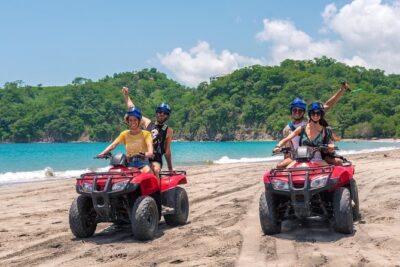
3 Hour ATV Secluded Beach Tour from Tamarindo, Flamingo, Conchal & Grande
Read our review →
Monteverde Wildlife Walk & Hummingbird Encounter
Read our review →Lists this trip turns up in