
REVIEW · SOUTH AFRICA
Whale, Dolphin & Penguin Island Cruise
Algoa Bay offers the rare chance to see whales, dolphins, and African penguins on one sea outing. This four-hour cruise leaves Port Elizabeth at 8am, keeps the group to 20 people, and uses a twin-engine catamaran that lets you watch wildlife without rushing from one sighting to the next.
I like the small scale and the conservation focus. The crew, including Jake on some departures, explains animal behavior and the pressure on local species. I also like that the company supports tree planting to offset the cruise’s carbon footprint.
The main catch is simple: wildlife is wild. You may see dolphins all year, but whale and penguin sightings vary with season, weather, and food supply. Rough seas can also make the boat ride uncomfortable for some people.
The highlights that matter most
- St. Croix Island: Look for endangered African penguins from the water, with the best chance of seeing chicks from March to May.
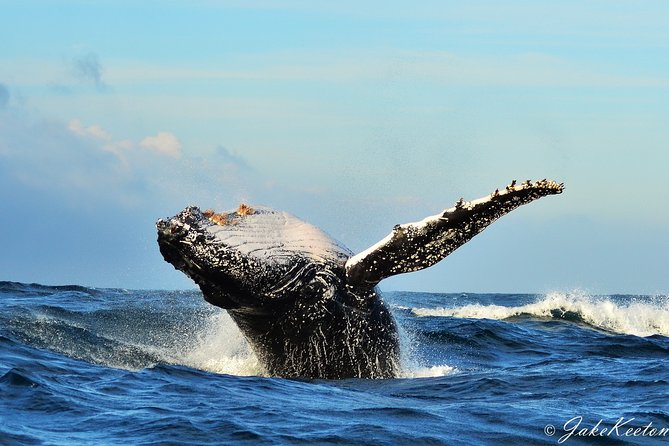
- Whales from June to early December: Humpback whales pass through Algoa Bay, while southern right whales are usually closer to shore from July through September.
- Dolphins year-round: Indo-Pacific bottlenose dolphins may ride the bow wave, while huge groups of common dolphins can appear farther offshore.
- A maximum of 20 people: A smaller boat means better sight lines and more room to ask the crew questions.
- A slower, wildlife-first pace: The skipper can spend time with an animal sighting instead of treating the cruise like a quick checklist.
- A serious conservation message: The crew discusses endangered species, fishing pressure, and the work of protecting the bay.
Setting out from Port Elizabeth at 8am
You meet at the Nelson Mandela Bay Yacht Club, at Dom Pedro Jetty in Port Elizabeth Harbour, now also known as Gqeberha. The boat returns to this same point after roughly four hours, so the outing fits neatly into a morning of sightseeing.
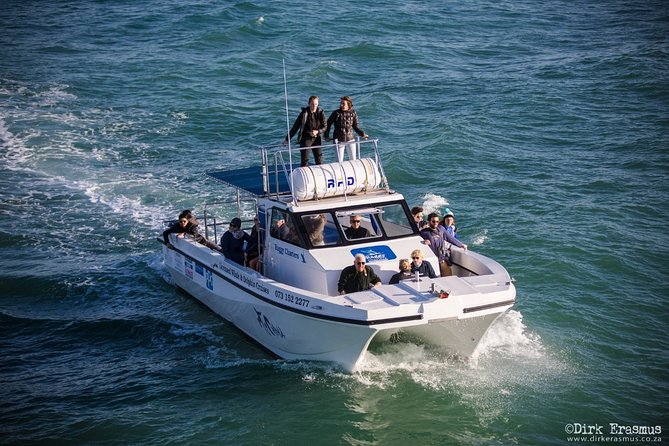
A short safety briefing comes first. Then you head into Algoa Bay aboard a twin-engine catamaran. The twin engines matter less as a sightseeing feature than as a practical one: this is a proper offshore wildlife trip, not a short harbor ride. Conditions can change, and the crew needs a boat suited to open water.
The group limit is 20 people. That is a useful middle ground. You get the stability and viewing space of a catamaran, but not the crowded feel of a large excursion boat. The smaller group also gives you a fair chance to hear explanations from the crew and ask about animals you see.
The boat has a mobile ticket system, and confirmation is sent at booking. Public transportation is available near the meeting point. Plan to arrive with enough time to find the yacht club and jetty before the 8am departure.
More Penguin Tours in South Africa
- Cape Town: Cape of Good Hope & Penguins Day Tour with Pickup
★ 4.7 · 3,362 reviews - Cape Point and Boulder’s Penguins Full Day Tour
★ 5.0 · 3,118 reviews - Cape of Good Hope & Boulder Penguins Full-Day Tour from Cape Town
★ 5.0 · 2,347 reviews
Humpback whales and southern right whales in Algoa Bay
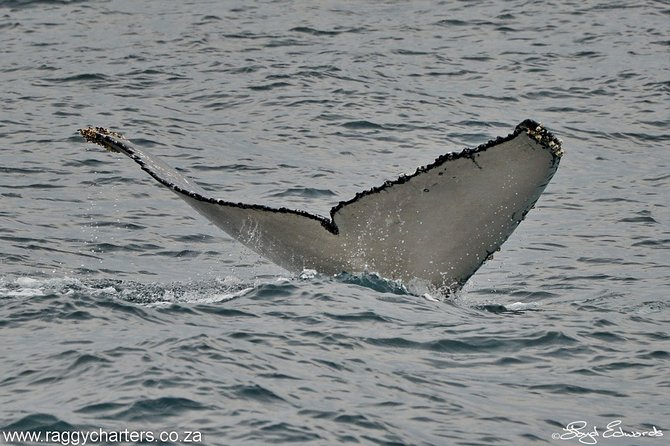
Whale sightings depend heavily on the calendar. Humpback whales begin appearing in Algoa Bay around June, when they move along the South African coast toward breeding areas farther up Africa’s east coast. They can be seen through early December.
The return journey begins around October, and females may travel with calves. That can be a particularly memorable sight, though no crew can promise a mother and young whale on a given morning.
Southern right whales are generally seen closer to shore from July through September. If whales are your main reason for booking, those seasonal windows are important. A trip in June, July, August, September, October, November, or early December offers the best general chance for whale activity, but the exact encounter still depends on nature.
I appreciate that the cruise does not frame wildlife watching as a guaranteed performance. The crew searches, explains, and gives you time to watch, but the bay sets the schedule. You should book this as a chance to see marine life, not as a fixed list of animals.
The open-water setting also changes how you experience the whales. You are not looking through glass or watching a staged display. A whale may appear at a distance, surface beside the boat, or vanish before the camera is ready. Bring patience and keep your eyes moving.
Dolphins that may race beside the bow
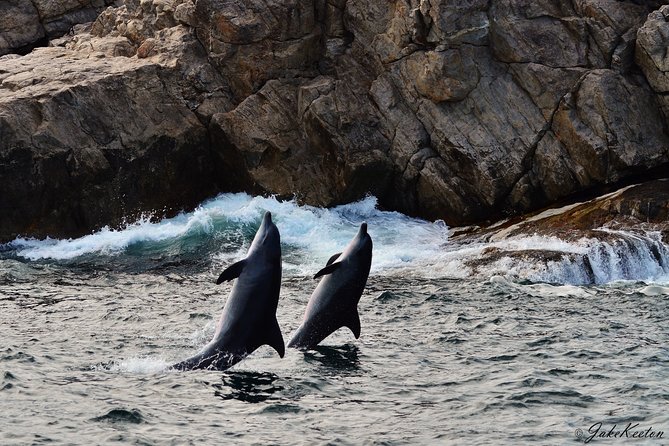
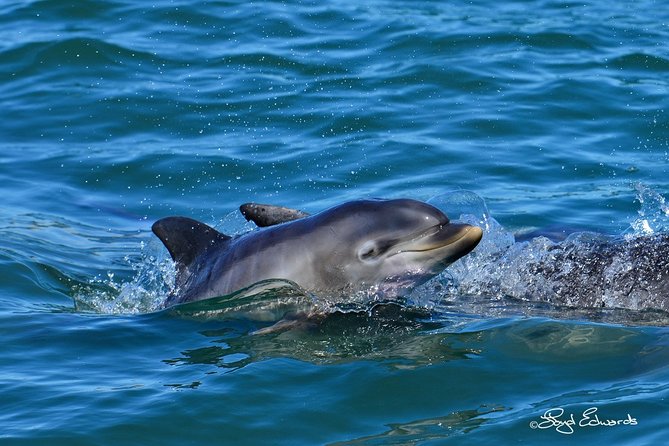
Indo-Pacific bottlenose dolphins are the most frequently seen dolphins in the bay. They live there throughout the year, often in groups ranging from 10 to 400. Many stay in shallow water near beaches or around St. Croix Island.
These dolphins may approach the catamaran and ride the bow wave. This is one of the more interactive moments of the cruise, since the animals can come close enough for clear photographs. The boat’s slower pace helps here. The crew can adjust its position without turning the sighting into a frantic chase.
Common dolphins offer a different spectacle. They are often found farther offshore, especially around the Bird Island groups, and may gather in groups of 1,000 to 2,000. They follow large baitfish shoals and can move at remarkable speed.
Algoa Bay also has humpback dolphins, although they are less predictable to find. The variety matters because dolphin watching is not just about seeing one familiar species. Body shape, group size, swimming style, and habitat can all change from one sighting to the next.
You might also see dolphins in difficult weather. One outing described in the supplied material took place in heavy rain but still produced dolphin and penguin sightings. That does not make poor weather ideal, but it shows why the crew’s local experience and boat handling matter.
St. Croix Island and its threatened penguins
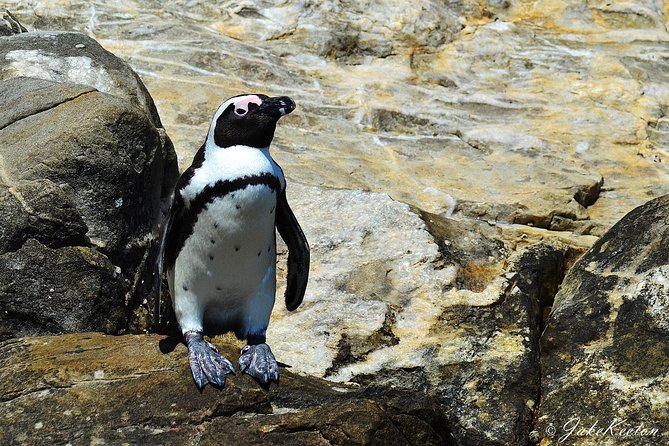
St. Croix Island is the emotional center of the trip. It is home to African penguins, a species under serious pressure, and has historically supported the largest breeding colony of its kind in Africa.
The boat does not land on the island. Instead, you view the penguins from the sea. That distance protects the colony and keeps the encounter low impact, but it also means your view can depend on the boat’s position, light, wave movement, and how active the birds are.
March through May is the peak breeding period. You may be able to see chicks from the water then. At other times, you might see adults on the island, penguins swimming near the boat, or birds hunting for fish.
The colony has declined sharply, with a reported loss of 70 percent over 10 years. Fishing pressure is part of the problem, since penguins depend on small fish that are also important to commercial fisheries. That context gives the sighting more weight. You are not simply taking a picture of a charming bird. You are seeing a species whose future depends on changes in fishing, food supply, habitat protection, and careful management.
The St. Croix Island group and Bird Island group are part of Addo Elephant National Park. Rangers patrol the islands, adding another layer of protection. The crew’s conservation talk helps you understand why the boat keeps a respectful distance and why a smaller, slower outing can be preferable to a noisier wildlife approach.
The number of penguins can vary. Do not book expecting a wall of birds on every visit. The island has suffered major losses, and wildlife numbers change. A good morning might bring penguins on the rocks, birds swimming and feeding, or chicks during the breeding season. It might also produce a more modest sighting.
Same hide, a different set of birds:
- Table Mountain, Penguins & Cape Point Small Group Tour Cape Town
★ 4.5 · 1,797 reviews - Cape Town Tour: Table Mountain, Penguins & Cape Point+Pickup
★ 4.7 · 1,671 reviews - Cape Town: Table Mountain, Cape Point, & Penguins Group Tour
★ 4.9 · 1,063 reviews - Cape of Good Hope & Penguins Small Group Tour from Cape Town
★ 5.0 · 1,054 reviews
Seals, seabirds, and unexpected sightings
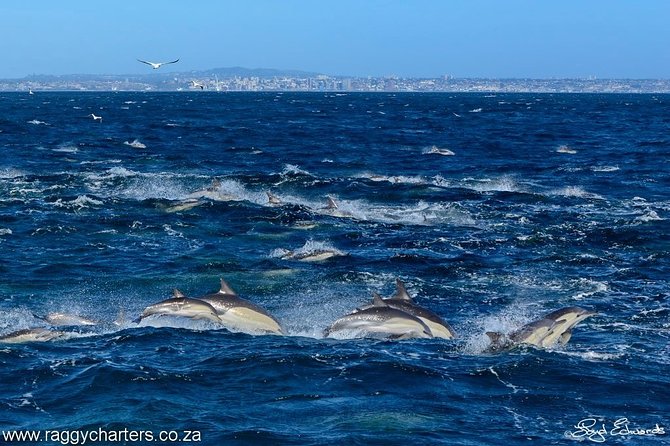
The main targets are whales, dolphins, and penguins, but Algoa Bay supports many other species. You may spot Cape fur seals, Bryde’s whales, minke whales, sharks, Cape gannets, white-breasted cormorants, Cape cormorants, African black oystercatchers, terns, petrels, skuas, shearwaters, and albatrosses.
That list reflects the bay’s changing habitats. Shallow water near islands suits bottlenose dolphins and penguins. Farther offshore, baitfish attract larger dolphin groups and seabirds. Seals may rest near islands or appear while feeding.
Some sightings are brief. A shark’s fin, a fast-moving bird, or a distant whale may be all you get. The crew’s explanations help you make sense of these quick encounters instead of dismissing them as random movement.
There have also been especially lucky trips with two whales, seals, dolphins, penguins, and even a hammerhead shark. You should treat that as a fortunate combination, not a standard promise. The value of the cruise comes from the chance to see a range of marine life and learn how the species share the bay.
Why the crew makes a difference
A wildlife cruise rises or falls with the people on board. Here, the crew handles both roles: they operate the boat and interpret the ecosystem.
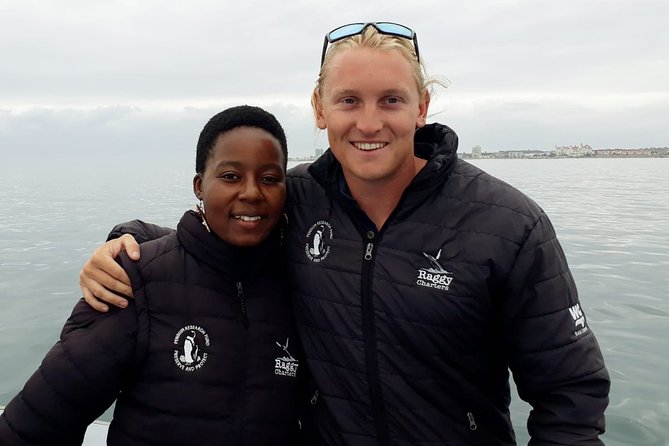
Jake has been singled out for explaining local wildlife and conservation in a way that makes the trip feel like an outdoor lesson rather than a simple boat ride. Other crew members are described as attentive, safety-conscious, and willing to answer questions. The skipper also has to position the boat so people on board can see, especially in choppy conditions.
That last point matters. A small boat gives you a closer sense of the sea, but it can also move more in rough water. The crew’s calm handling helps, yet you should still consider your own comfort and fitness before booking.
The information is strongest when it connects an animal to the wider ecosystem. Penguins depend on fish. Dolphins follow baitfish. Whales move through the bay on seasonal routes. Seabirds reveal what is happening below the surface. Those links turn a four-hour ride into something more useful than a string of sightings.
A slower cruise with a lighter footprint
The experience runs once a day and is designed around a relaxed pace. That is a real benefit if you prefer time to watch animal behavior instead of rushing toward the next location.
The company also supports a tree-planting campaign to balance the cruise’s carbon footprint. No wildlife boat is impact-free, so I would treat this as a positive effort rather than a reason to ignore the basic effects of a marine excursion. The strongest sustainable choice is still respectful boat handling, sensible distance from animals, and support for conservation work.
The island visit is a good example of that approach. You see the penguins from the boat, not by walking through the colony. The crew can explain why this matters, especially for a breeding population that has declined so heavily.
Is the $185 price fair?
At $185.19 per person, this is not the cheapest way to spend a morning in Port Elizabeth. You are paying for a four-hour marine trip, a small group, a specialized boat, an experienced crew, and the chance to search a wide bay for several species.
The price makes more sense if you value personal attention and conservation information. A group capped at 20 people gives you better access to the crew than a large boat would. The once-daily schedule also suggests a focused outing rather than a high-volume operation.
One useful comparison comes from the cruise-excursion question. Booking directly with the operator has been reported as less expensive than joining a cruise ship excursion, even when the same boats are used. If you are visiting Port Elizabeth independently, compare the direct price with any ship-arranged option before paying a premium for convenience.
Still, value depends on your expectations. You may see dolphins close to the boat, penguins around St. Croix Island, and a whale in excellent conditions. You may also spend much of the morning searching in changing weather. The cost pays for the search and the crew’s expertise, not a guaranteed wildlife show.
Who should book this cruise?
I would recommend it to anyone who wants a serious wildlife outing and can accept uncertainty. It suits photographers, families, bird watchers, conservation-minded visitors, and people who want more context than a quick sightseeing ride provides.
It also works well for families because there is no stated age restriction and life jackets are available for all ages. Children who can stay attentive on a four-hour boat trip may enjoy the dolphins and penguins, though parents should consider sea conditions and their child’s comfort.
People with disabilities can join if they can board with assistance from family and crew. The operator asks everyone to make their own decision based on health and fitness.
I would be more cautious if you dislike open-water movement, need guaranteed animal sightings, or have only a narrow schedule. The trip requires good weather and a minimum number of bookings. If poor weather cancels it, you can choose another date or receive a full refund.
Free cancellation is available up to 24 hours before departure. Cancellations or changes made inside that window are not refunded or accepted, so keep the local 8am start time in mind.
My call: book it for the bay, not a checklist
Book this cruise if you want to spend four patient hours learning how Algoa Bay works. The strongest reasons are the small group, the conservation-minded crew, the chance to see bottlenose dolphins close to the boat, and the seasonal possibility of whales and penguin chicks.
Do not book it as a guaranteed whale encounter. For the best odds of seeing the widest range of animals, consider the whale season from June to early December, the southern right whale period from July to September, or the penguin breeding peak from March to May. Even then, nature makes the final decision.
FAQ
Where does the cruise start?
It starts at Nelson Mandela Bay Yacht Club, Dom Pedro Jetty, Port Elizabeth Harbour, Gqeberha Central, Gqeberha, 6001, South Africa.
What time does the cruise depart?
The meeting and departure time is 8:00am.
How long does the experience last?
The cruise lasts approximately four hours and returns to the same meeting point.
What animals might I see?
You may see humpback whales, southern right whales, bottlenose dolphins, common dolphins, humpback dolphins, African penguins, Cape fur seals, sharks, seabirds, cormorants, and other pelagic birds.
When is whale season?
Humpback whales can be seen in Algoa Bay from June to early December. Southern right whales are usually seen close to shore from July through September.
When is the best time to see penguin chicks?
African penguin breeding activity reaches its peak between March and May, when you may be able to see chicks from the boat.
How many people can join the cruise?
The maximum group size is 20 people.
Can I cancel for a refund?
You can cancel at least 24 hours before the start time for a full refund. If poor weather or an insufficient number of bookings cancels the cruise, you are offered another date or experience, or a full refund.
More Dolphin Watching in South Africa
- Marco Island 2 hour Dolphin, Birding and Shelling tour
★ 5.0 · 503 reviews - Dolphin – Whale – Turtle – Bird Watching
★ 5.0 · 350 reviews - 2 Hour Dolphin, Birding and Shelling Tour
★ 5.0 · 247 reviews - Marco Island: 2-Hour Dolphin, Birding, and Shelling Tour
★ 4.8 · 212 reviews
More Whale Watching in South Africa
- Húsavík: Original Big Whale Safari & Puffins by Speedboat
★ 4.7 · 1,221 reviews - Húsavík: Big Whales and Puffin Island Speedboat Tour
★ 4.8 · 979 reviews - Newfoundland Puffin and Whale Watch Cruise
★ 5.0 · 837 reviews - 2 Hours Guided Whale and Bird Boat Tour in Bay Bulls
★ 5.0 · 557 reviews
Newest birding reviews around South Africa
- Private Tour: Table Mountain, Penguin Colony & Cape of Good Hope incl. Park Fees★ 4.5 · 39 reviews
- Cape of Good Hope Private Tour to Cape Point & Penguins From Cape Town★ 5.0 · 39 reviews
- Table Mountain, Cape Point & Penguin Beach ENTRANCE INCLUDED★ 4.7 · 39 reviews
- Cape Town: Table Mountain, Penguins & Cape Point Group Tour★ 4.8 · 42 reviews
- Top 10 Super Tour: Table Mountain, Penguins & Cape of Good Hope Small Group Trip★ 4.5 · 43 reviews
- Cape Point Penguin Tour★ 5.0 · 43 reviews
- Cape of Good Hope & Penguins Boulder’s Beach in Private Car★ 5.0 · 48 reviews
- Cape Of Good Hope Instagram Small Group Tour with Penguins★ 5.0 · 49 reviews
Penguin Tours, side by side.
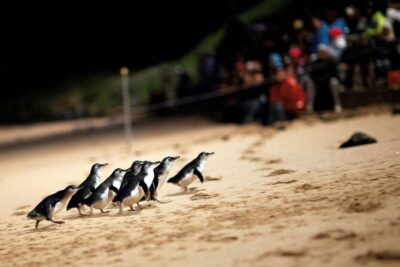
Penguin Parade, & Wildlife Encounters Eco Tour from Melbourne
Read our review →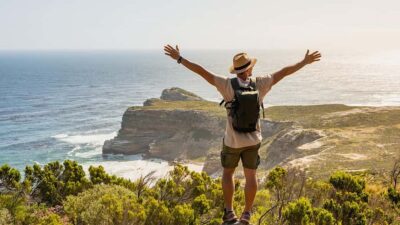
Cape of Good Hope & Penguins Day Tour with Pickup
Read our review →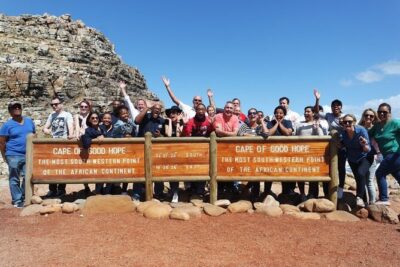
Cape Point and Boulder’s Penguins Full Day Tour
Read our review →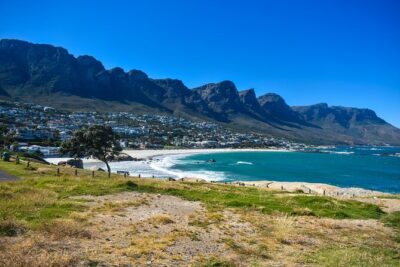
Cape of Good Hope & Boulder Penguins Full-Day Tour from Cape Town
Read our review →
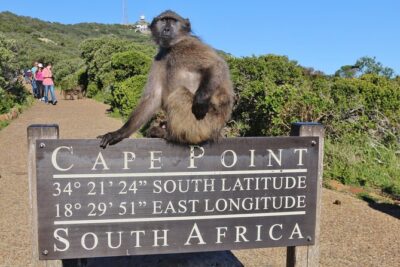
Table Mountain, Penguins & Cape Point Small Group Tour Cape Town
Read our review →
Cape Town Tour: Table Mountain, Penguins & Cape Point+Pickup
Read our review →
Lists this trip turns up in