
REVIEW · ITALY
Lio Piccolo: Flamingos & Birdwatching Bike Tour in the Lagoon
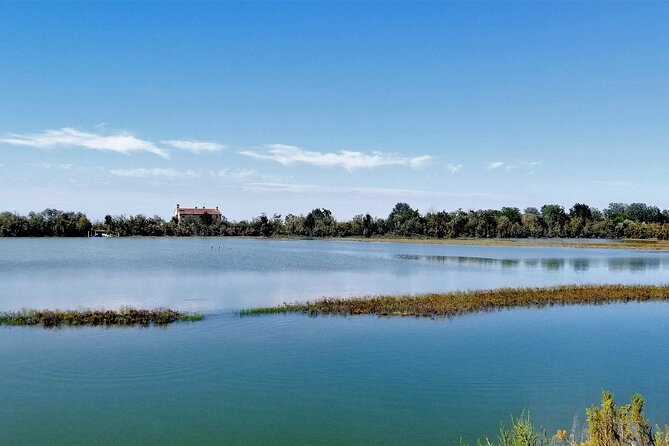
The best reason to book this outing is simple: flamingos in the Venetian Lagoon. You leave Venice by water bus, collect a bike at Treporti, and pedal through salt marshes, fishing valleys, canals, mudflats, and small farm plots toward Lio Piccolo. It is a surprising change from Venice’s stone lanes and crowded squares.
I like the small-group format, capped at 10 people, and the chance to see much more than flamingos. The lagoon supports about 300 bird species, including herons, ducks, waders, cormorants, and shorebirds. I also like the choice of city bike, tandem, or e-bike, since the ride can suit different energy levels.
The main catch is the cost and the slightly confusing bike information. The tour is listed at $203.07 per person, while the itinerary also says the bike costs about €20, and the included section says bike rental is covered. Confirm exactly what your payment includes before booking. You will also need to buy the water bus ticket separately.
Key points to know before you book
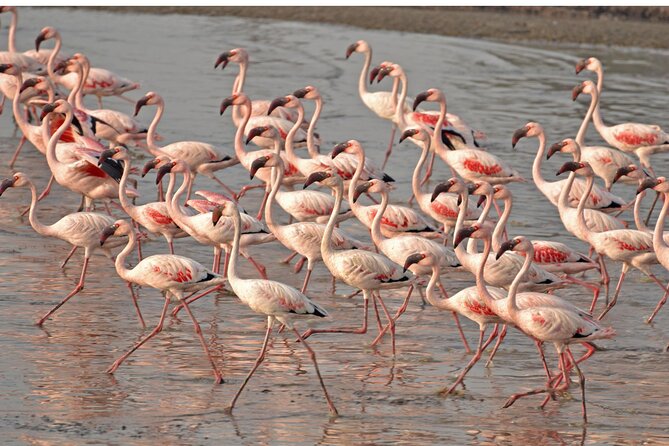
- Flamingos are the star sighting: More than 8,000 flamingos winter in the lagoon, with some remaining all year.
- The route starts with a water bus: Meet at Fondamente Nove and travel north through the lagoon to Treporti.
- Birdwatching goes well beyond flamingos: Look for ducks, herons, ibises, cormorants, waders, terns, and other marsh birds.
- You can choose your ride: City bikes, tandems, and e-bikes are available, with the bike choice arranged in advance.
- The group remains small: The maximum is 10 people, though the tour is promoted as having as few as eight.
- Bring your own binoculars if you have them: One especially productive outing recorded many species even outside the best season.
Leaving Venice by water for Treporti
Your morning begins at Fondamente Nove, a useful departure point on Venice’s northern edge. From there, you take a water bus through the northern lagoon toward Treporti, passing several islands along the way.
This transfer is not just a way to reach the cycling route. It gives you an early look at how Venice works as a water city. The built-up center gradually gives way to open water, low marshes, islands, and distant shorelines. The ride takes about 15 minutes according to the scheduled itinerary, although your full transfer time depends on the water bus service and meeting arrangements.
The water bus ticket is not included. A daily pass is available for about €9.50 per person, and the operator advises asking about the correct ticket. I would sort this out before the tour day so you are not trying to work out fares at the dock.
Fondamente Nove is easy to reach by public transportation, and the tour is offered in English. The meeting point matters because the excursion is not a central Venice walking tour. Allow enough time to reach the dock without rushing.
More Flamingo Tours in Italy:
- Trapani: Salt Pans Sunset Tour and Flamingo Way
★ 4.4 · 252 reviews - Cagliari: Bike Tour in the Flamingo Oasis
★ 4.7 · 141 reviews - Cagliari E-Bike Tour: Gulf, Canals & Flamingos at Molentargius
★ 5.0 · 79 reviews
Choosing between a city bike, tandem, and e-bike
At Treporti, the bikes are waiting. You choose among a standard city bike, a tandem, or an e-bike, depending on availability and what you arranged when booking.
A city bike should suit riders who are comfortable with a relaxed half-day ride. A tandem can make the outing more social, though it works best when both riders are happy with the same pace and handling. An e-bike is the practical choice if you want to save energy for birdwatching rather than spend it pushing through the full route.
The supplied details contain two different statements about cost. Bike rental appears under included features, but the Treporti stop says the bike costs around €20 and that it is booked and ready for you. Treat this as something to verify in writing. The difference can affect the real value of the experience, especially when the listed tour price is already $203.07.
The tour lasts about five hours. That includes the water transfer, bike selection, riding, nature interpretation, and birdwatching stops. The schedule lists several short stops, but you should think of the outing as a continuous ride through the lagoon rather than a series of formal attractions.
Lio Piccolo and the lagoon’s flamingos
Lio Piccolo is the main reason to make the trip. The area sits among shallow waters, marshes, fishing valleys, and low strips of land at the northern edge of the Venetian Lagoon. It feels far removed from Venice’s monumental core, even though it is part of the same lagoon system.
Flamingos began settling in this part of the lagoon more than a decade ago. The population can exceed 8,000 in winter, and some birds remain for the full year. They feed in shallow, muddy water by filtering food through their unusual bills.
Your guide will point out where to look, but bird sightings are never guaranteed at a precise spot. Birds move with the tides, weather, season, and feeding conditions. You may see a few flamingos at a distance, or a larger group creating the pink-and-white scene people hope for. Bring binoculars if you own them. They make a real difference across open water and mudflats.
The birds can be relatively confident in this setting, particularly around the valli da pesca, traditional fishing areas that combine shallow water and managed wetlands. That does not mean you should expect close contact. The appeal is watching them behave in a natural setting, not approaching them.
A bird list that goes far beyond flamingos
The lagoon supports around 300 bird species, tied to its unusual mix of tidal flats, freshwater channels, marshes, and coastal waters. This gives the ride more staying power than a single-species excursion.
You might see mallards, teals, pintails, wigeons, and shovelers among the ducks. Herons, egrets, gulls, terns, ibises, cormorants, and several kinds of waders also use the area. Shorebirds gather on exposed mud and shallow edges, while larger birds may stand in the marsh or move between fishing valleys.
One productive outing recorded black-winged stilts, green and common sandpipers, curlews, grey plovers, ibises, squacco herons, little egrets, grey herons, common terns, red-backed shrikes, avocets, and flamingos. That list gives you a sense of the range, but it also shows why binoculars are useful. Many of these birds may be visible only as shapes or movements without magnification.
The seasonal picture is interesting. Some flamingos once moved between Tunisia, France, and Sardinia, but thousands now remain in the Venetian Lagoon for longer periods. Cormorants also reach the lagoon from northern European countries such as Poland, Sweden, and Denmark. Your guide can add meaning to these sightings by explaining how migration, tides, and food sources connect this quiet corner of Italy with a much wider region.
More Wetland and Lagoon Birding in Italy:
- Faro: Eco-Friendly Ria Formosa Bird Watching in Solar Boat
★ 4.7 · 359 reviews - Faro: Ria Formosa Natural Park Segway Tour & Birdwatching
★ 4.9 · 180 reviews - Ria Formosa Natural Park Birdwatching Segway Tour from Faro
★ 5.0 · 164 reviews - Two-Hour Everglades Dolphin, Manatee and Birding Boat Tour
★ 4.5 · 151 reviews
Cycling through salt marshes, dunes, and farm plots
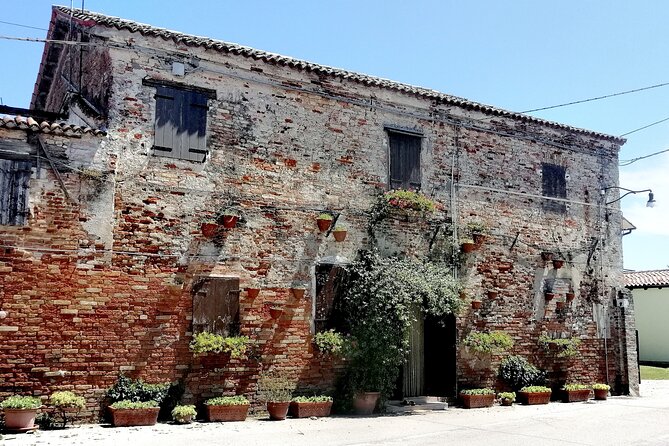
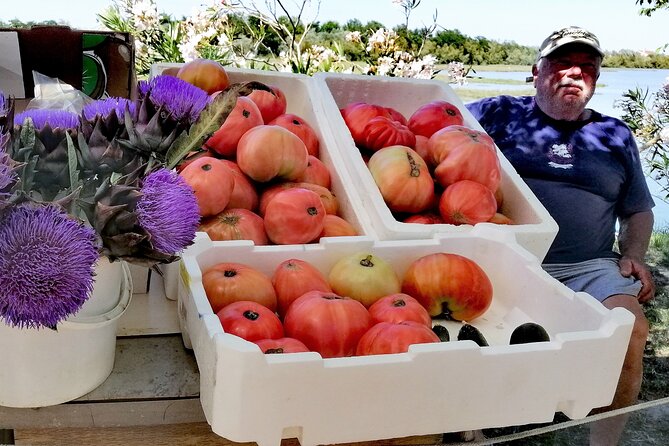
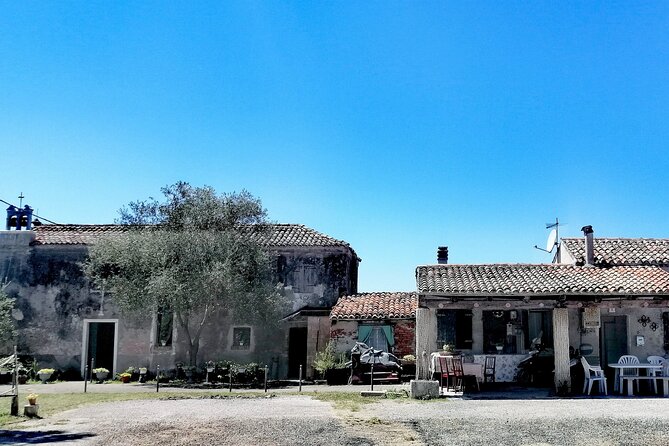
The route around Via delle Mesole opens into a mixture of scenery that is easy to miss from a vaporetto. You pass sand dunes, vegetable patches, canals, sandbanks, mudflats, and salt marshes. The Adriatic and lagoon waters shape the area, while Venice’s skyline may appear in the distance.
That mixture is part of the tour’s value. You are not simply cycling from one birding point to another. You are seeing the land, fresh water, and salt water meet in a place where farming, fishing, tides, and wildlife share the same narrow territory.
The route also offers a quieter view of Venice. The famous city is still present, but here it becomes part of the background rather than the main event. You trade church domes and crowded lanes for open water, low vegetation, and the occasional bird rising from a channel.
The itinerary describes several stops of about 15 minutes, along with a longer 30-minute flamingo stop. These times suggest a moderate pace with regular pauses. Still, the tour is not designed as a hard exercise session or a full-day naturalist expedition. You get a taste of the lagoon’s wildlife and ecology within a manageable half-day.
What the nature guide adds
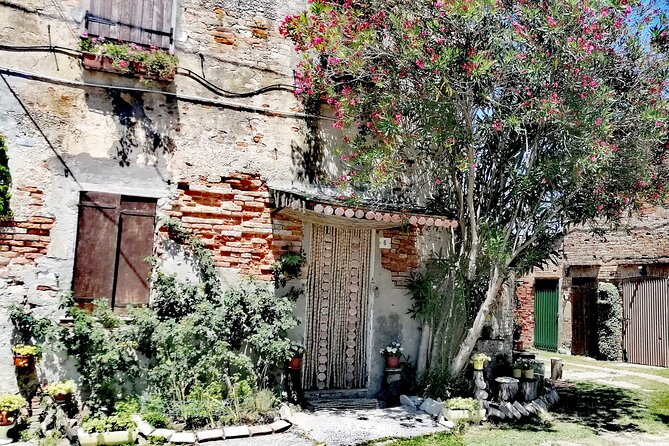
A guide is important here because the scenery can look simple at first glance. Without help, you may see water, reeds, and distant birds without understanding how the pieces fit together.
The nature and interpretive guide explains the history and natural features of the area as you ride. That can include the role of tides, the difference between marsh and mudflat, the purpose of fishing valleys, and the reasons so many bird species use this part of the lagoon.
I especially value the interpretation at stops such as Al Notturno, where the tour focuses on the connection between land, fresh water, and salt water. The guide gives the ride a sense of place rather than leaving you to pedal and hope for a sighting.
The experience provider is deTourist Venice, led by Valerio Coppo. No individual guide name is specified for every departure, so you should not book expecting a particular person unless the operator confirms it. The important point is that the excursion includes both a tour leader and a nature guide.
How the small group changes the experience
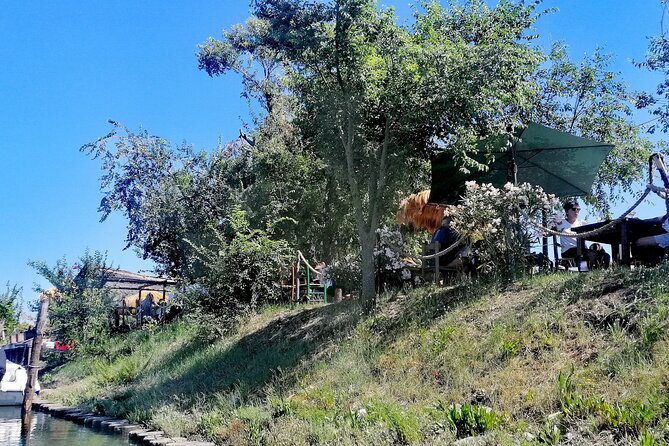
The maximum group size is 10, with the tour described in some places as capped at eight. Either way, this is much smaller than a standard city sightseeing group.
A small group helps in several ways. The guide can stop without creating a long line of cyclists, explain a bird sighting without shouting, and adjust the pace more easily. It also makes a tandem or e-bike conversation simpler, since you are not surrounded by a large crowd.
Small groups do not guarantee silence or close bird sightings. Bikes still make some noise, and the lagoon is an open environment where wildlife decides the distance. But a limited group is a good fit for birdwatching, where patience and low noise matter.
The tour is offered in English. Most people can participate, and public transportation is nearby. The supplied information does not give a detailed accessibility statement, route surface description, or elevation profile, so ask the operator if you have concerns about cycling comfort or mobility.
Is $203.07 a fair price?
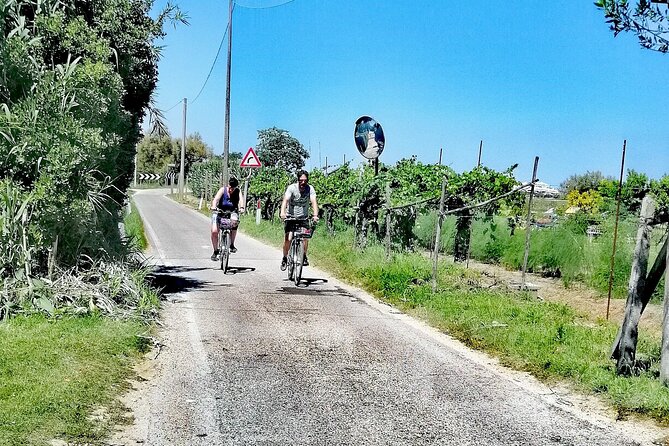
At $203.07 per person, this is not a cheap way to spend half a day outside Venice. The price can make sense if you value a small group, guided interpretation, arranged bike rental, and access to a part of the lagoon that is awkward to explore independently.
The value is weaker if you already have a bike, know the northern lagoon well, or mainly want a quick look at flamingos. You would still need to arrange transportation, understand the route, and know where to look for birds. The guide reduces that planning burden.
Remember to add the water bus fare of about €9.50 for a daily pass. Also clarify the bike charge, since the information gives both an included-bike statement and an approximately €20 rental note. Gratuities are not included and remain optional.
The tour is booked an average of 122 days ahead, which suggests that dates can fill well in advance. That matters most in spring, summer, and other periods when visitors want outdoor activities. If your dates are fixed, reserve early and confirm the practical details before paying.
The best season and what to bring
Bird sightings vary with season, tides, weather, and the birds’ movements. The tour description emphasizes winter flamingo numbers, but flamingos can remain throughout the year. The outing can still produce a strong bird list outside peak conditions.
One outing outside the best birding season produced many species, including stilts, sandpipers, curlews, plovers, ibises, herons, terns, shrikes, avocets, and flamingos. That is encouraging, but it should not be read as a promise for every departure.
Bring binoculars if possible. A previous outing benefited from having one, and open lagoon distances can make birds hard to identify with the naked eye. You will also want water and clothing suited to changing outdoor conditions. The tour requires good weather, so poor conditions can lead to a new date or a full refund.
Who should book this lagoon bike tour?
I would choose this outing if you have already seen Venice’s major sights and want a quieter, more natural side of the city. It suits birdwatchers, photographers, couples who like active outings, and anyone curious about how the lagoon functions beyond the historic center.
It is also a good choice for people who like variety. You get a water journey, cycling, wildlife, rural scenery, and an English-language nature explanation in one half-day.
I would hesitate if you dislike bikes, need a fully detailed accessibility plan, or want guaranteed close views of flamingos. The tour depends on weather and wildlife behavior. It is also less attractive if the final price does not clearly include the bike and transport costs.
Should you book the Lio Piccolo tour?
Book it if flamingos, marsh birds, and open lagoon scenery sound more appealing than another morning in Venice’s crowded center. The mix of a water bus, a small guided group, and cycling through Lio Piccolo gives you a genuine look at the wetlands around Venice.
Before booking, confirm the bike fee, the exact group size, and the water bus arrangements. Bring binoculars, allow for changing weather, and treat the flamingos as a possible sighting rather than a guarantee. With those expectations, this is a strong choice for seeing Venice from a quieter and more surprising angle.
FAQ
Where does the tour begin?
The tour begins at Fondamente Nove in Venice. From there, you take a water bus through the northern lagoon to Treporti.
How long does the experience last?
The tour lasts approximately five hours, including the water bus transfer, bike selection, cycling, birdwatching, and guided interpretation.
Is the water bus ticket included?
No. The water bus ticket is not included. Daily passes are available for about €9.50 per person, and you should ask the operator which ticket is needed.
What types of bikes are available?
You can choose a city bike, tandem, or e-bike. The itinerary says the bike will be booked and ready at Treporti, with a cost of around €20. The included section also lists bike rental, so confirm the exact charge before booking.
How many people can join the tour?
The activity has a maximum of 10 participants. It is also described as being capped at eight people for a small-group experience.
Is the tour offered in English?
Yes. The tour is offered in English and includes a tour leader plus a nature and interpretive guide.
What happens if the weather is poor?
The experience requires good weather. If it is canceled because of poor conditions, you will be offered another date or a full refund. Free cancellation is available if you cancel at least 24 hours before the start time.
More Cycling Tours in Italy
- Cagliari E-Bike Tour: Canals & Flamingos at Molentargius
★ 4.8 · 60 reviews - Austin: 1.5-Hour Lady Bird Lake Bike Tour
★ 4.9 · 19 reviews - Village Bike Tour & Birdwatching
★ 5.0 · 18 reviews
Newest birding reviews around Italy
- Falconry experience in Tuscany★ 5.0 · 24 reviews
- Vendicari – Sicily’s best coast nature reserve ( Birdwatching & Archeology )★ 5.0 · 8 reviews
- Birdwatching at Saline Maria Stella in Trapani★ 5.0 · 3 reviews
- Vendicari private visit 3 hours The Bird Hotel.★ 5.0 · 2 reviews
- Combo: Cagliari Old Town and the Oasis of Flamingos★ 5.0 · 22 reviews
- Matera: Handmade Clay Bird Workshop★ 5.0 · 4 reviews
- Experience with birds of prey in Tuscany★ 5.0 · 4 reviews
- Cagliari: EcoSafari Flamingos Tour in Molentargius Park★ 4.5 · 17 reviews
Flamingo Tours, side by side.

Skip the Line: Flamingo Gardens Admission Ticket in Fort Lauderdale
Read our review →

Wayne Newton: Up Close and Personal at the Flamingo Las Vegas
Read our review →
RuPaul’s Drag Race LIVE! at the Flamingo Las Vegas
Read our review →
Lists this trip turns up in