
REVIEW · PORTUGAL
Azores: Marine Birdwatching & Islet Biologist Guided Tour
The best part of this Azores birdwatching tour is the boat itself. The small Zodiac RIB can approach coastal colonies closely, while shore-based lookouts guide the skipper by VHF radio. That gives you a better chance to watch birds behaving naturally instead of simply ticking species off a list.
I like the small group of up to 10 people, which leaves room for questions and quiet time beside the colonies. I also like the practical science: guides explain migration, breeding behavior, and how field images and data support local research. The main drawback is the ride. A RIB can be lively on the water, and this trip is not suitable for children under four, pregnant women, people with back problems, or wheelchair users.
Key points
- A close look at Vila Franca do Campo Islet: Cruise around an important seabird site just off São Miguel’s southern coast.
- Small boat, small group: The 12-person Zodiac carries no more than 10 participants, giving you a clear view and more chances to ask questions.
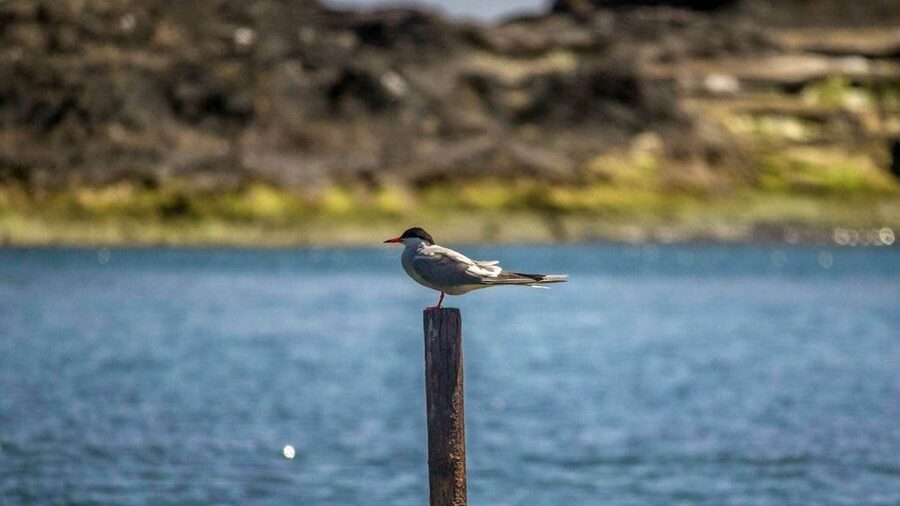
- Strong birding focus: Expect Cory’s Shearwaters, terns, Yellow-legged Gulls, petrels, storm-petrels, and shorebirds, with rarer sightings possible.
- Biology, not just sightseeing: Guides cover migration routes, nesting behavior, and local field research.
- Dolphins can appear: Recent trips have included groups of bottlenose dolphins, though no wildlife sighting is guaranteed.
- Best seasons for variety: Spring and autumn bring migrants and vagrants, while marine birds can be seen throughout the year.
Why this three-hour trip is different
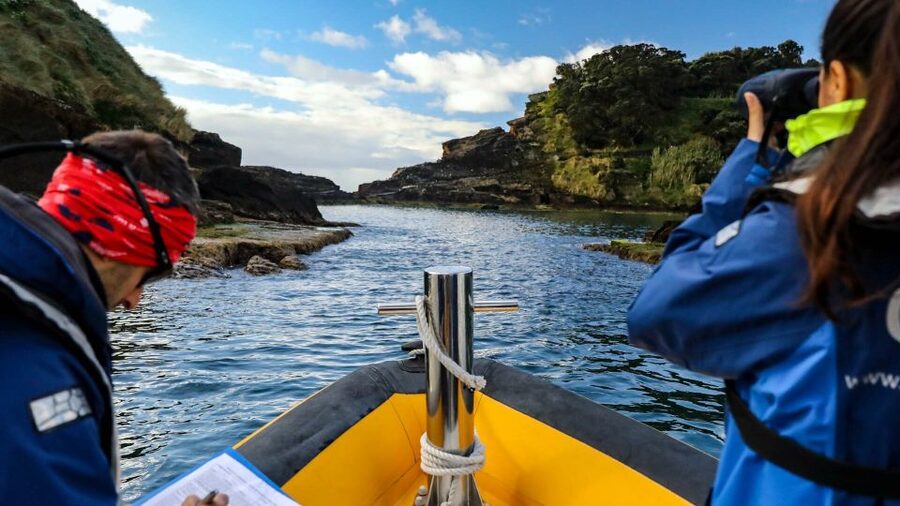
Many boat outings around São Miguel focus on whales and dolphins. This one gives marine birds the main stage. You cruise the coast, circle the waters around the Islet of Vila Franca do Campo, and watch birds feeding, resting, nesting, or tending young.
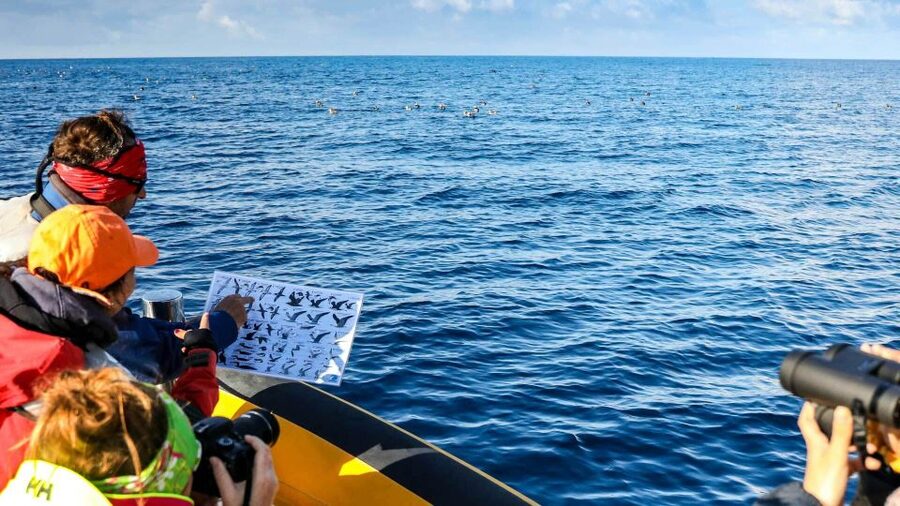
That focus matters because seabirds are easy to miss from land. A Cory’s Shearwater may skim low over the water, while a storm-petrel can appear as a small flicker near the waves. From the RIB, you can use the supplied Opticron 8×42 binoculars and get help identifying what you see.
The trip is run by Azores Whale Watching TERRA AZUL, with an experienced skipper and a wildlife guide. Alexandra, one of the bird specialists connected with the experience, has been praised for explaining species clearly and answering questions in detail. Guide assignments can change, but the format remains science-led rather than being a simple scenic cruise.
More Guided Tours in Portugal:
- 2-hour Bird Watching Guided Boat Trip in Ria Formosa from Faro Algarve
★ 4.5 · 75 reviews - From Faro: 2-Hour Guided Bird Watching Boat Trip
★ 4.6 · 71 reviews - Puffin Cruise with Expert Tour Guide from Reykjavik
★ 4.5 · 636 reviews
Leaving Vila Franca do Campo Marina
The meeting point is at the marina in Vila Franca do Campo, at GPS coordinates 37.715780, -25.429745. If you are driving from Ponta Delgada, follow the coast east toward Vila Franca do Campo, then descend toward sea level and the marina. Free parking is available near the base and the yellow boats.
The town is about 30 minutes from Ponta Delgada by car. Some booking options may include pickup or drop-off arrangements, but you should check the exact option you select. The listed return points are the Terra Azul base and Ponta Delgada.
Arrive ready for a short safety briefing. You will learn how to sit and move safely in the Zodiac RIB, then put on an impermeable suit and life vest. The boat is built for 12 people, but the tour limits the group to 10 participants, a useful difference when everyone is trying to see the same bird.
The RIB ride and the view from the water
The RIB is the right tool for this trip because it can move close to the rocky coast and smaller islets. It also gives you an open view in every direction. There is no large cabin blocking the horizon, and the low seating position makes the sea feel immediate.
That openness comes with a tradeoff. You are exposed to wind, spray, and motion. Wear warm clothing even on a mild day, and bring sunscreen because the water reflects sunlight. The impermeable suit and life vest are supplied, but your own layers still matter.
Light food is allowed onboard, and you should bring water and snacks. Personal water is not included. Keep your camera secure, since the boat and sea conditions can make handling loose items awkward.
The sea journey lasts about 2 hours and 45 minutes, with roughly 30 minutes devoted to the islet portion and surrounding wildlife viewing. Exact timing can shift with sea and weather conditions. The crew may change the route or cancel in extreme weather, which is sensible for a small boat operating in open water.
Learning the birds before you meet them
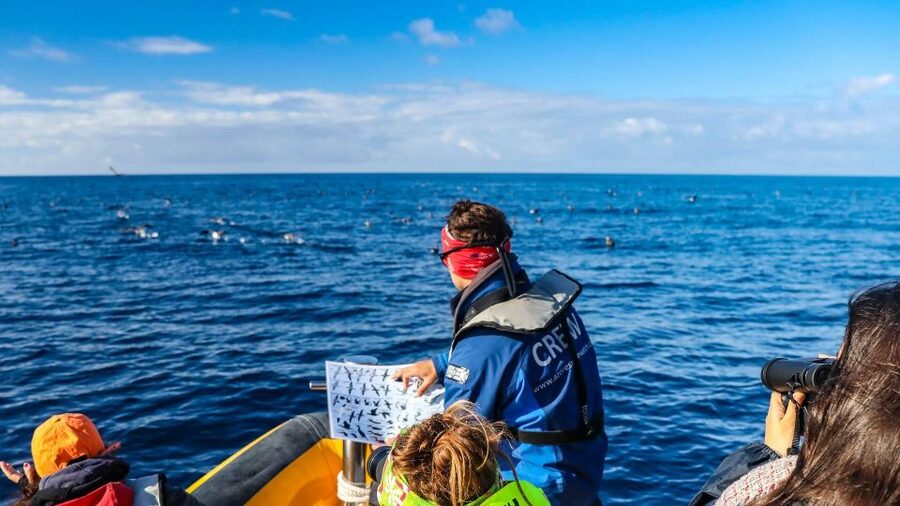
The guide begins with an introduction to the birds you may see. You will hear about migration routes, breeding cycles, feeding habits, and the way different species use the Azores.
That preparation improves the whole experience. It is one thing to see a gull on a rock. It is another to understand why a colony gathers there, which birds are nesting, and how a migrant uses the islands as a stopover. The team also explains field photography and data collection, giving you a clear link between a pleasant boat trip and ongoing local research.
English is the main language, but the team also works in French, Dutch, Italian, Spanish, Portuguese, and German. The crew is multinational and will try to help with other preferred languages. If bird names and explanations matter to you, English is the safest choice for catching every detail.
A few more birding trips around Portugal worth a look
- Faro: Eco-Friendly Ria Formosa Bird Watching in Solar Boat
★ 4.7 · 359 reviews - Dolphin – Whale – Turtle – Bird Watching
★ 5.0 · 350 reviews - Faro: Ria Formosa Natural Park Segway Tour & Birdwatching
★ 4.9 · 180 reviews - Ria Formosa Natural Park Birdwatching Segway Tour from Faro
★ 5.0 · 164 reviews
The seabirds around Vila Franca do Campo Islet
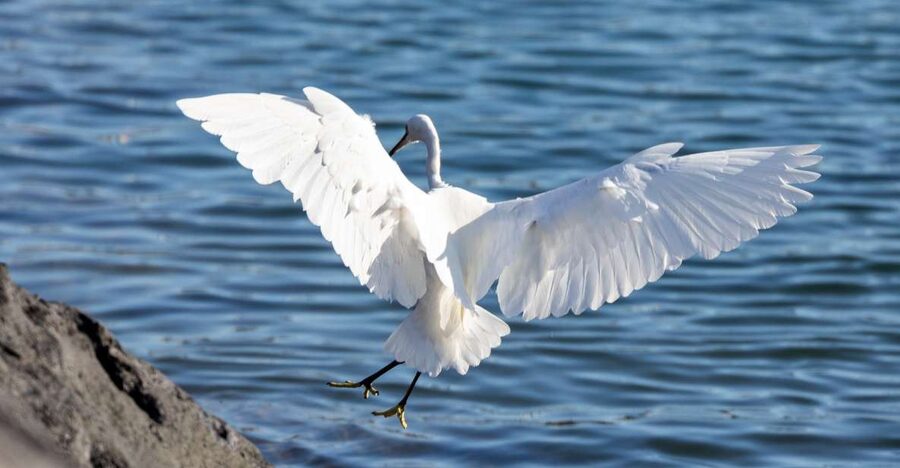
The islet is the central wildlife stop. It is an off-coast nature reserve with known seabird colonies, and the boat approaches from the water while inland lookouts communicate with the crew by VHF radio.
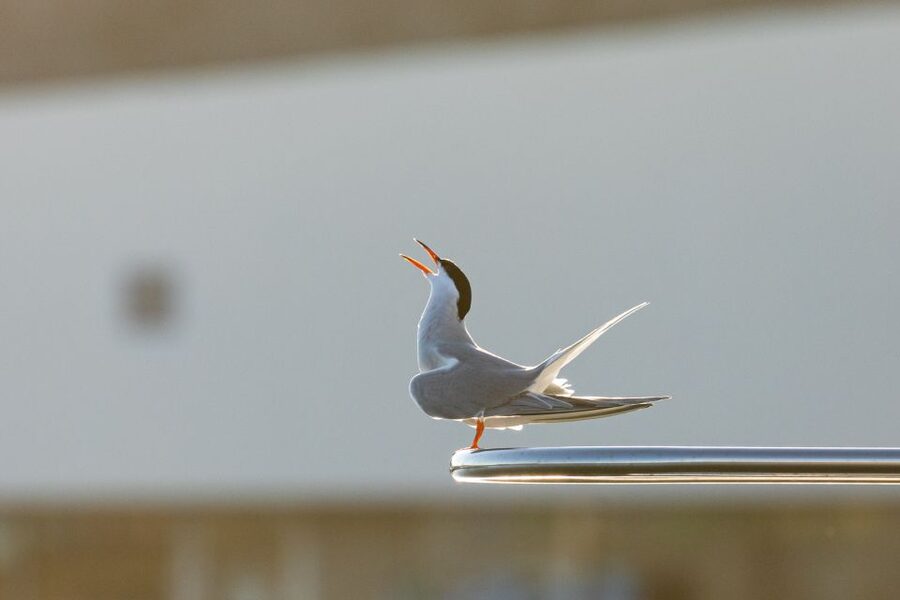
This system helps the skipper keep a careful distance and avoid startling the birds. You may watch colonies of Cory’s Shearwaters, Barolo Shearwaters, Common Terns, Roseate Terns, Yellow-legged Gulls, Bulwer’s Petrels, Wilson’s Storm-petrels, and Madeiran Storm-petrels.
Some of these birds are far easier to identify with binoculars and a guide. Roseate Terns, for example, can be mixed among Common Terns, while storm-petrels are small and quick near the sea surface. A guide can point out behavior and flight patterns that you would likely miss on your own.
Spring and autumn are the strongest periods for variety because migrants and occasional vagrants pass through. You can still see marine birds all year, but seasonal timing affects what is present. On a lucky day, the list may include Bridled or Sooty Terns, Great Shearwaters, Leach’s Storm-petrels, Manx and Sooty Shearwaters, Northern Gannets, Arctic Skuas, Pomarine Skuas, or Great Skuas.
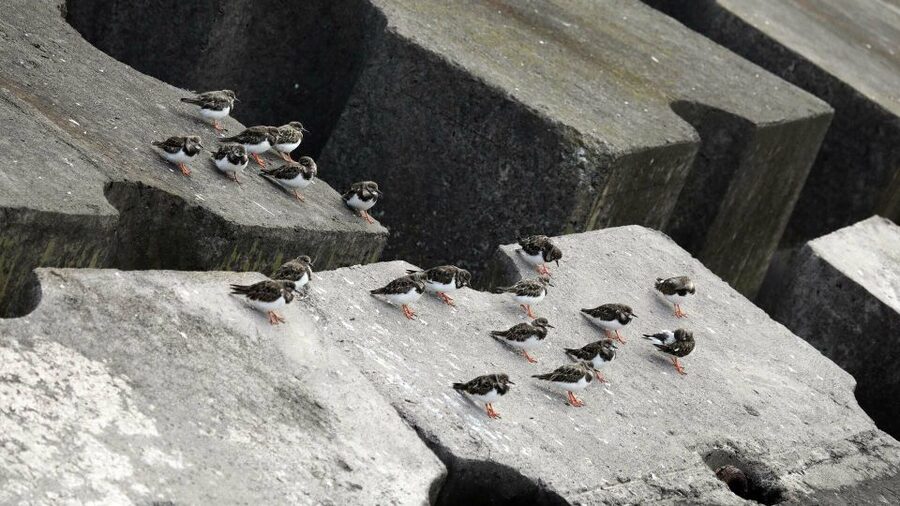
The tour also keeps an eye on shorebirds. Possible sightings include turnstones, sanderlings, little egrets, wagtails, whimbrels, canaries, and buzzards. The supplied information uses a broad species list, not a promise. Treat it as a guide to what can occur, not a checklist you are owed.
Dolphins and other marine wildlife
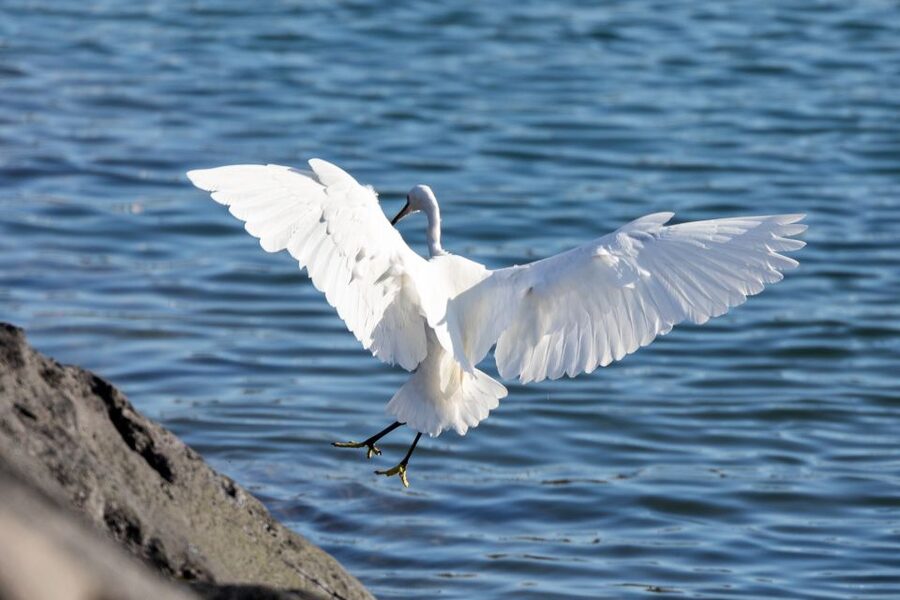
Birdwatching does not mean you will see only birds. Bottlenose dolphins have appeared as a welcome extra on recent trips, including one large group. The boat crew watches the water as well as the rocks, so keep your eyes moving.
Still, this is not a dolphin guarantee or a general wildlife lottery. Nature sets the schedule. The guide can improve your chances by knowing the area and reading conditions, but no operator can promise a certain species.
That uncertainty is part of the appeal for serious birders. You may see a familiar gull, an uncommon migrant, or a dolphin group that changes the mood of the whole boat. You may also have a quieter outing focused on a smaller number of species. The crew’s job is to help you notice what is actually there.
A stop that keeps its focus on the coast
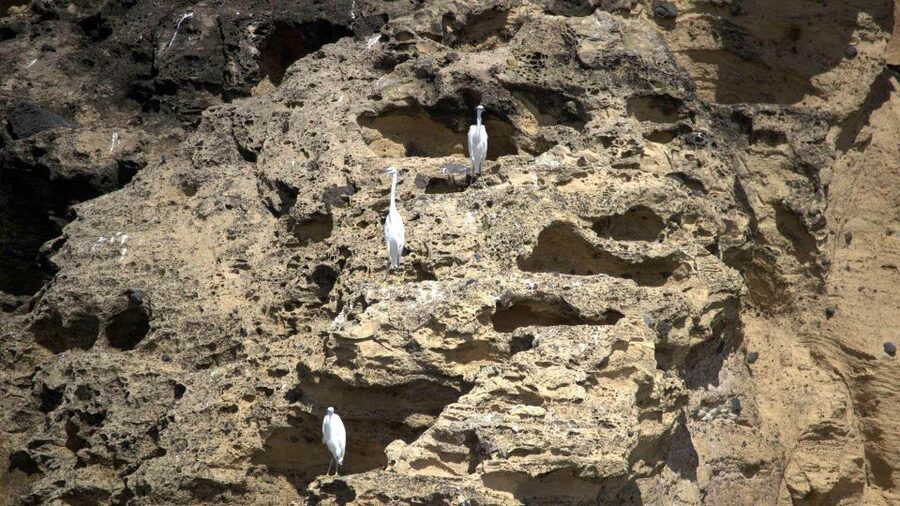
The listed itinerary includes time around the Islet of Vila Franca do Campo for photographs, scenery, and wildlife viewing. The boat passes the islet rather than offering a land visit, so do not expect a walk ashore or a museum stop.
After the boat returns to Marina de Vila Franca do Campo, there is about 15 minutes of free time for shopping or a quick look around. This is a modest add-on, not a major part of the tour. If you want a long visit in town, plan separate time before or after the boat trip.
The drive sections through Ponta Delgada and São Miguel are scenic transfers or pass-by portions, not guided sightseeing stops. The real content is on the water.
What the $68 price really covers
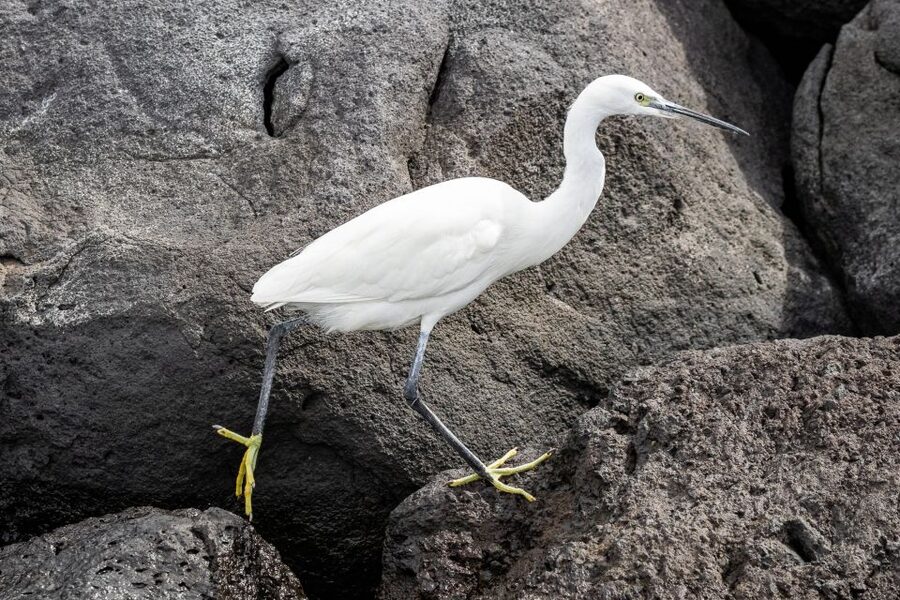
At $68 per person, the tour offers solid value if you want a focused marine wildlife outing rather than a general boat ride. The price includes the guide, skipper, Zodiac RIB, binoculars, impermeable suit, life vest, and insurance.
The binoculars are especially useful. Good optics can cost more than the tour itself, and you avoid bringing delicate equipment on a moving boat. The guide is also part of the value. Without help, several shearwaters, terns, and storm-petrels can blur into small dark shapes.
The small group improves that calculation. A maximum of 10 participants means less crowding and better access to the guide. On one particularly quiet trip, only one other couple joined the outing, allowing plenty of questions and calm observation. Group size can vary, but the limit remains helpful.
Bring your own water, snacks, camera, warm clothes, sunscreen, and binoculars if you prefer your own pair. Since personal water is not supplied, that is the one item you should not forget.
Who will enjoy this most
I would choose this tour if you like birds, marine biology, photography, or small boats. You do not need to be an expert birder. The guide introduces the species and explains what to watch for, so beginners can follow along.
It also suits visitors who want a quieter alternative to a standard sightseeing cruise. The pace includes pauses for observation, questions, and photography rather than nonstop movement.
You should think twice if you dislike boat motion or need easy physical access. The tour is not suitable for wheelchair users, pregnant women, people with back problems, or children under four. The RIB format is part of the attraction, but it is also the main physical limitation.
If you are visiting in spring or autumn, the chance of seeing a wider mix of migrants may make the trip especially appealing. Summer can still produce good birding and dolphins, as recorded on trips in July and August. The timing is helpful, but it cannot control the wildlife.
Practical ways to get more from the trip
Wear warm layers under the provided suit. The ocean can feel cool even when Vila Franca do Campo is sunny, and wind exposure increases once the boat leaves the marina.
Bring a camera with a secure strap and keep expectations realistic. A fast-moving bird is difficult to photograph from a RIB, while the islet, cliffs, and wider sea views are easier subjects. Use your eyes first, then take pictures.
Ask questions early. Guides such as Alexandra can explain why a bird is present, how it migrates, and what behavior you are seeing. The more specific your question, the more useful the answer is likely to be.
Finally, give the crew room to work. When the skipper is following VHF directions and maintaining a respectful distance, a quiet boat helps protect the colony and improves your own view.
Should you book this Azores birdwatching tour?
Book it if you want a small-group, biology-focused trip around São Miguel and are comfortable on a fast open boat. The combination of binoculars, field explanations, protected islet views, and a real chance of dolphins makes $68 a fair price.
Skip it if you need a gentle, fully accessible cruise or want guaranteed sightings. Nature decides the species list, and the itinerary can change in extreme weather. For bird lovers and curious visitors who enjoy learning as they watch, this is one of the more focused ways to see the marine side of the Azores.
FAQ
Where does the tour depart?
The meeting point is at the TERRA AZUL base at Marina de Vila Franca do Campo, GPS 37.715780, -25.429745.
How long does the experience last?
The total duration is about three hours. The marine portion lasts roughly 2 hours and 45 minutes, with about 30 minutes around the Islet of Vila Franca do Campo.
How far is Vila Franca do Campo from Ponta Delgada?
The scenic drive from Ponta Delgada takes about 30 minutes by car.
What boat is used?
You travel in a Zodiac RIB boat designed for 12 people. The tour limits participation to 10 people.
Are binoculars included?
Yes. Opticron 8×42 binoculars are included, though you may bring your own pair as well.
What birds might I see?
Possible sightings include Cory’s Shearwaters, Barolo Shearwaters, Common and Roseate Terns, Yellow-legged Gulls, Bulwer’s Petrels, Wilson’s and Madeiran Storm-petrels, and several shorebirds.
Can I see dolphins?
Dolphins are possible but not guaranteed. Bottlenose dolphins have been seen on some trips.
What languages are available?
The listed languages are English, French, Dutch, Italian, Spanish, Portuguese, and German. English is the official tour language.
What should I bring?
Bring warm clothing, water, snacks, sunscreen, a camera, and binoculars if you want your own pair. Light food is permitted onboard.
Can children and people with mobility concerns join?
Children under four, pregnant women, people with back problems, and wheelchair users cannot join this activity.
Newest birding reviews around Portugal
- Half-day birdwatching at the Abicada marshed★ 5.0 · 8 reviews
- Afternoon birdwatching at Lagoa dos Salgados★ 5.0 · 5 reviews
- Laid-back birdwatching week★ 5.0 · 4 reviews
- Birdwatching day in the Ria Formosa Natural Park★ 5.0 · 3 reviews
- Boat Tour – Bird Observation in the Tejo Nature Reserve★ 5.0 · 34 reviews
- Lisbon : Birdwatching Boat Tour – Tagus Estuary★ 5.0 · 20 reviews
- Birdwatching Boat Tour in the Tagus Estuary★ 5.0 · 3 reviews
- Birdwatching in Ria Formosa – Eco Boat Tour from Faro★ 5.0 · 57 reviews
Portugal Birdwatching Tours, side by side.
Eco-Friendly Ria Formosa Bird Watching in Solar Boat
Read our review →
Ria Formosa Natural Park Segway Tour & Birdwatching
Read our review →
Ria Formosa Natural Park Birdwatching Segway Tour from Faro
Read our review →
Tagus Estuary Nature Reserve Birdwatching Boat Tour
Read our review →
2-hour Bird Watching Guided Boat Trip in Ria Formosa from Faro Algarve
Read our review →
Lists this trip turns up in