
REVIEW · PORTUGAL
Birdwatching day in the Monchique hills
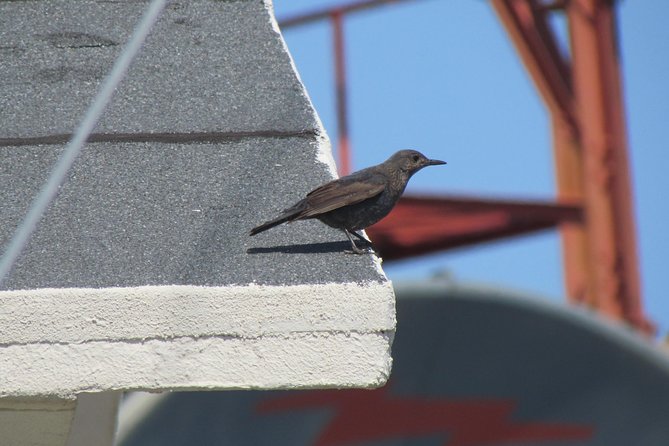
The best reason to choose this outing is simple: it takes you away from Lagos and the coast to look for woodland birds around Foia, where you can find species that do not usually appear on the shore. I like the early start and the small group limit, which give you a better chance to hear and spot birds without a crowd around you.
I also like that biologist Guillaume brings more than bird identification to the day. The program includes local plants and some area history, and the afternoon stop in Caldas de Monchique adds a village visit to the morning birding. The main drawback is the early 7:00 am departure and the fact that the day depends on good weather. Binoculars are not automatically included, though borrowing a pair may be possible.
Key points to know before booking
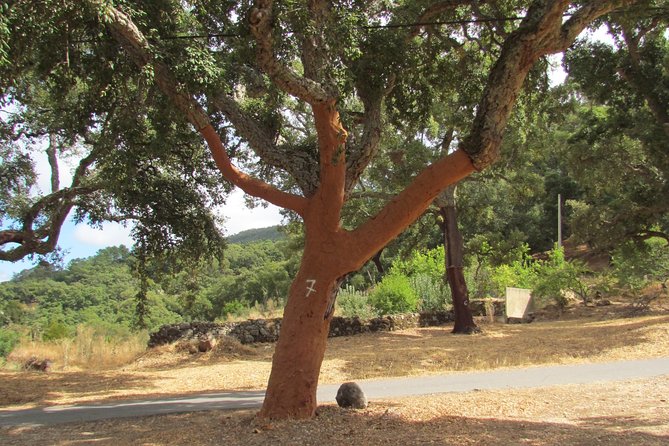
- Foia is the morning focus: You begin near the highest point in the Monchique hills, looking for woodland species.
- Guillaume leads the outing: He is a biologist who speaks French, English, Portuguese, and some Spanish.
- A telescope is included: This is useful for distant birds, while binoculars may need to be borrowed or arranged.
- The group is capped at eight people: That suits birdwatchers who want time with the guide rather than a large coach-style excursion.
- Caldas de Monchique fills the afternoon: You have time for lunch and a look around the village.
- The tour lasts about five to seven hours: The stated itinerary is planned as a seven-hour day, beginning at 7:00 am.
Why the Monchique hills are worth a morning
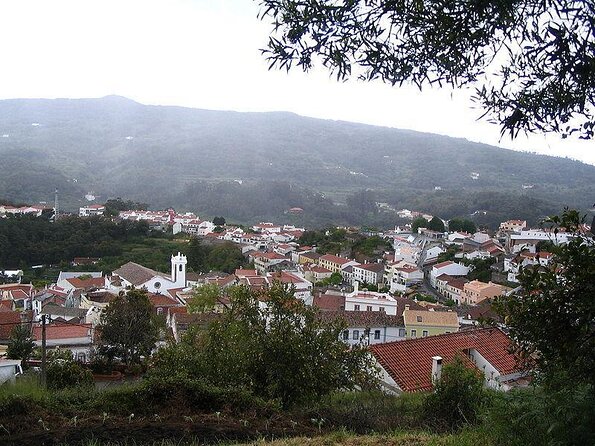
Lagos is known for cliffs, beaches, and sea views. This trip shows you a different side of the Algarve. The Monchique hills offer woodland habitat, so your bird list can differ from what you might see along the coast.
That change of habitat is the real point of the day. You are not simply looking for more birds in another place. You are going to a setting where the trees and hills can bring different species, sounds, and viewing conditions.
The morning begins around Foia, the highest point in the hills. The available information does not promise a fixed list of birds, and that is normal for wildlife watching. Your sightings will depend on weather, season, patience, and luck. Still, the setting gives the guide a strong starting point for searching among woodland birds.
This is best approached as a field outing, not a show with guaranteed appearances. You may spend time listening, scanning, and waiting for movement. The telescope helps when a bird settles at a distance, but it cannot make wildlife appear on schedule.
A few more birding trips around Portugal worth a look
- Faro: Eco-Friendly Ria Formosa Bird Watching in Solar Boat
★ 4.7 · 359 reviews - Dolphin – Whale – Turtle – Bird Watching
★ 5.0 · 350 reviews - Faro: Ria Formosa Natural Park Segway Tour & Birdwatching
★ 4.9 · 180 reviews
Starting from Lagos at 7:00 am
You meet at A ROCHA LifeCruzinha, Apartado 41, 8500-132, Portugal. The activity starts at 7:00 am and ends back at the same meeting point.
That early hour matters. Bird activity is often a morning business, and a 7:00 am departure gives you a better chance to be out in the hills while the day is still young. It also means you should plan your evening in Lagos with a reasonably early night in mind.
Private transportation is included, which keeps the day practical. You do not need to arrange your own drive into the hills or work out where to stop. It also makes the outing easier for anyone who wants to focus on birds rather than roads and parking.
The maximum group size is eight. That is a useful limit for this kind of activity. A small group can move more quietly, share the telescope more easily, and stay closer to Guillaume when he is explaining a call or pointing out a bird.
The meeting point is also the return point. You should allow roughly five to seven hours for the full activity, with the day’s plan described as a seven-hour outing.
Searching near Foia with Guillaume
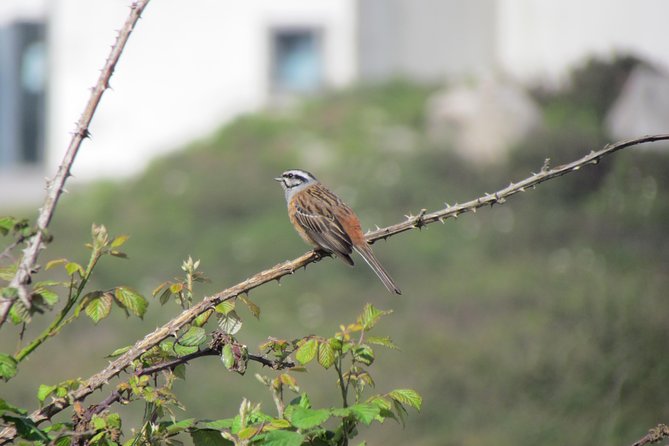
The first part of the day centers on Foia. You will search the hills for woodland birds with Guillaume, a biologist and multilingual guide. He speaks fluent French, English, and Portuguese, along with some Spanish, so language should be less of a barrier for many people joining the outing.
The strongest praise for this experience concerns Guillaume’s guiding style. He is described as professional and relaxed, which is a valuable combination for birdwatching. A guide who knows the subject but keeps the mood calm can help you enjoy the search even when a bird refuses to cooperate.
You can expect the focus to be on spotting and identifying birds, but the day is not limited to names and checklists. The guide also covers local plants and some interesting history. That gives you more context for the setting and helps connect the birds to the place where they live.
One particularly useful detail comes from a full day that produced 36 bird species. That number is not a promise for your own visit, but it shows what can be possible when the guide uses several locations and conditions work in your favor. The most important word here is varied. Moving between suitable spots can give you more chances than staying beside one viewpoint.
A telescope is included. For bird photography or distant sightings, that can be a major help. You will still want to ask about binoculars before the day, since borrowing them may be possible but they are not listed as a standard inclusion.
What Foia offers, and what it cannot promise
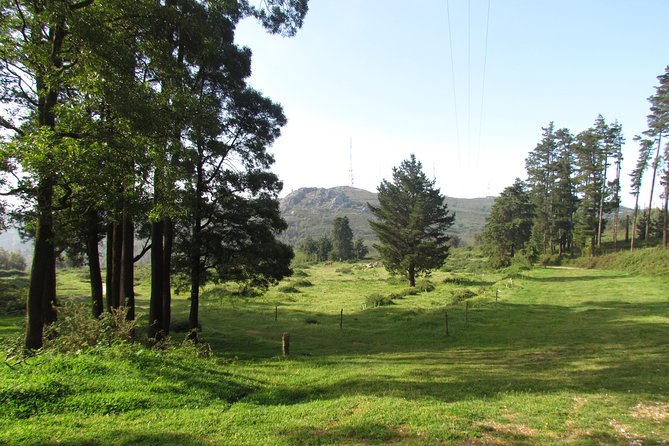
Foia gives the morning a clear purpose. You are going to the high part of the Monchique hills to search for species associated with woodland rather than the coastline.
The exact experience will change with conditions. Birds may be easy to hear but hard to see. A clear view may last only a moment. On another day, you might get a longer look at a bird through the telescope. A good guide improves your chances, but wildlife always gets the final word.
That uncertainty is part of the appeal for experienced birders. You can concentrate on species, calls, and photographs, and make the most of the telescope. If you are new to birdwatching, Guillaume’s help with identification and local ecology can give the morning structure.
This also suits non-birders better than many specialist outings. The scenery, plants, and guide’s background add variety, so you do not need to arrive with a long life list. Still, you should be comfortable with a morning built around observation. If you need constant movement or a packed schedule, the quiet pace may feel slow.
Same hide, a different set of birds:
- Ria Formosa Natural Park Birdwatching Segway Tour from Faro
★ 5.0 · 164 reviews - Lisbon: Tagus Estuary Nature Reserve Birdwatching Boat Tour
★ 4.9 · 117 reviews - 2-hour Bird Watching Guided Boat Trip in Ria Formosa from Faro Algarve
★ 4.5 · 75 reviews - Faro: Ria Formosa Eco Birdwatching Boat Tour
★ 4.6 · 73 reviews
Lunch and an afternoon in Caldas de Monchique
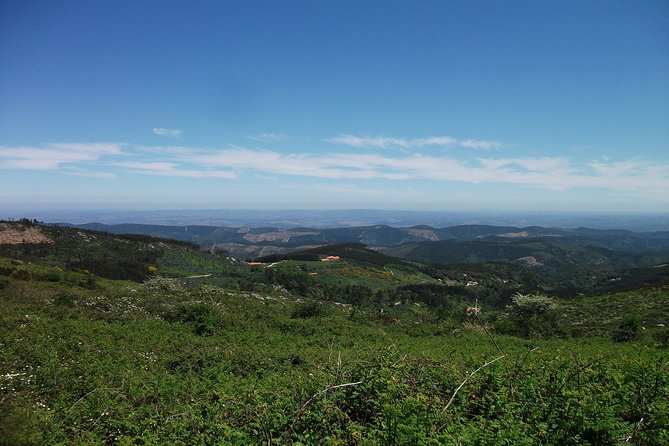
After the morning around Foia, the itinerary moves to Caldas de Monchique for lunch and an afternoon look around the village. This changes the rhythm of the outing at just the right point.
The birding portion asks you to focus on small movements and distant views. Caldas de Monchique gives you a chance to pause, eat, and take in a settled village environment. It also means the day is not only for dedicated birders who want every minute spent with a telescope.
Lunch is not listed as included, so you should plan to pay for your own meal. Alcoholic drinks are specifically excluded as well. The practical lesson is to budget for food and any drinks separately from the tour price.
The village visit is useful for companions with mixed interests. One person can enjoy the birding, while another can appreciate the village and the wider setting. The supplied details do not specify a restaurant or a fixed lunch menu, so you should not book this expecting a particular meal.
The itinerary gives Caldas de Monchique an afternoon role rather than treating it as a quick photo stop. That should make the day feel less rushed, provided the birding portion does not run long.
The guide, the telescope, and what to bring
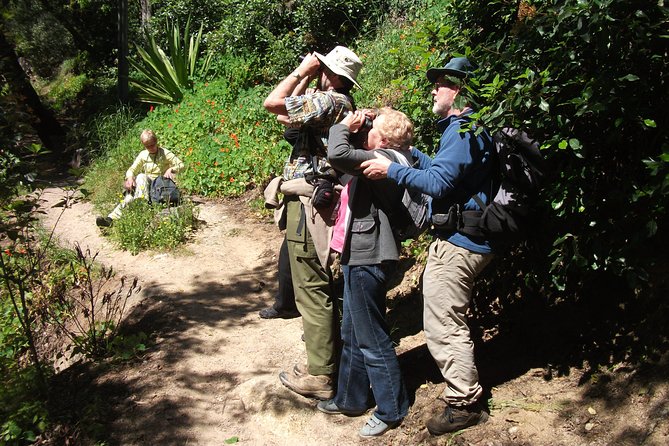
Guillaume is the central part of the experience. His biology background supports the birding, plant, and history content, while his language skills help keep explanations clear for an international group.
The telescope is included in the $86.90 price. That matters because a scope can give the group access to distant birds that would otherwise be little more than a speck. Since there is only one telescope, you may need to share it, but the eight-person maximum keeps that practical.
Binoculars are a separate issue. They are not included as a regular feature, though a loan may be possible. I would contact A Rocha Life before booking if you do not own a pair. You should not assume that a loan is guaranteed.
You may also want to bring:
- Comfortable clothing for an early outdoor outing
- Water and any personal snacks
- Money for lunch and drinks
- A camera if bird photography is your aim
- Your own binoculars if you have them
The tour details do not specify a clothing list, walking distance, or the level of physical effort. You can ask the provider for current conditions before you go, especially if mobility or stamina is a concern. Most people can participate, and service animals are allowed.
Is $86.90 good value?
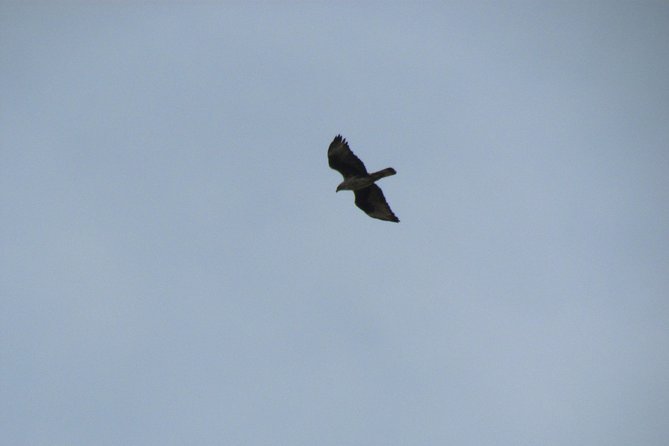
At $86.90 per person, this is not the cheapest way to spend a morning in the Algarve. The price makes more sense when you look at what is bundled together: private transportation from Lagos, a specialist guide, a telescope, a small group capped at eight, and a full outing into the hills.
You are also paying for access to a habitat that is not right outside central Lagos. If you would otherwise need to rent a car, plan the route, find suitable birding places, and bring your own equipment, the guided format saves effort.
The value is strongest for three types of people. First, birders who want a local expert and a better chance of finding woodland species. Second, photographers who can use the telescope and private transport to reach varied locations. Third, couples or small groups who want a nature day with a village visit, rather than a full day at the beach.
The value is weaker if you already know the Monchique hills well, have your own transport and optics, and prefer to explore without a guide. It is also less attractive if you dislike early starts or are mainly interested in coastal birds.
The previous outing that produced 36 species shows the potential of the format, but you should not treat that figure as a guarantee. Your value comes from the guide’s skill, the setting, the small group, and the quality of the day’s conditions.
Who should book this birdwatching day?
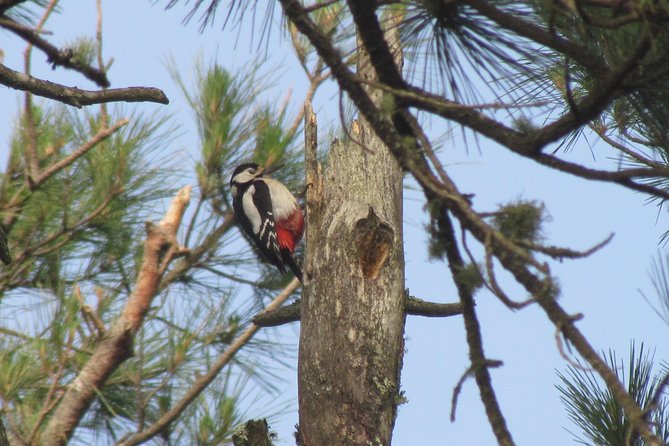
I would recommend it to anyone who wants a focused nature outing from Lagos without renting a car. It is especially suitable for beginners who want help identifying birds and for experienced birders who want a local guide to choose varied spots.
It also works for a mixed-interest party. The morning is centered on birds, while plants, local history, lunch, and Caldas de Monchique give the day more range. A non-birding companion may not be interested in every sighting, but the program is not limited to technical bird study.
You should think twice if you need a guaranteed list of species, dislike waiting quietly, or want a late start. You should also check the equipment question in advance if binoculars are important to you.
The weather rule deserves attention. This experience requires good weather, and poor conditions can lead to a new date or a full refund. You can cancel for a full refund if you do so at least 24 hours before the start time. Changes or cancellations inside that window are not accepted for a refund.
My take: a strong choice for a small nature day
I like this outing because it gives you a clear contrast with the Algarve coast. You begin early, head into the Monchique hills, search for woodland birds near Foia, then slow down with lunch and a village visit in Caldas de Monchique.
The strongest features are Guillaume’s relaxed expertise, the small group, the included telescope, and the chance to see birds in a different habitat. The main cautions are the early departure, uncertain wildlife sightings, extra cost for lunch, and the need to arrange binoculars if you do not have your own.
Book it if you want a guided, small-group nature day with real birding content and enough variety to suit a companion. Skip it if you want a casual sightseeing trip with no waiting, or if the coastal side of the Algarve is your only priority.
FAQ
Where does the birdwatching day begin?
The tour begins at A ROCHA LifeCruzinha, Apartado 41, 8500-132, Portugal. The start time is 7:00 am.
Where does the experience end?
The activity ends back at the meeting point in Lagos.
How long does the tour last?
The experience lasts approximately five to seven hours. The planned itinerary is described as a seven-hour day.
Is transportation included?
Yes. Private transportation is included in the price.
Are binoculars provided?
Binoculars are not listed as included, but borrowing a pair may be possible. The tour does include use of a telescope.
Can I cancel for a refund?
Yes. You can receive a full refund if you cancel at least 24 hours before the local start time. If poor weather causes the provider to cancel the activity, you will be offered another date or a full refund.
Newest birding reviews around Portugal
- Vila Franca do Campo: Marine Life & Bird Watching & Islet Tour★ 4.4 · 9 reviews
- Visit to Madeira Bird Island★ 4.6 · 22 reviews
- Azores Marine Birdwatching Expedition w/ Biologist Guide★ 4.5 · 19 reviews
- Birdwatching Private Tour at Fascinating Salgados Lagoon★ 5.0 · 6 reviews
- Private Birdwatching from Porto★ 5.0 · 33 reviews
- Birdwatching day around Sagres★ 5.0 · 3 reviews
- Bird Watching in Albufeira Lagoon★ 5.0 · 2 reviews
- Birdwatching at Ria de Alvor★ 5.0 · 2 reviews
Lagos Birdwatching Tours, side by side.
Birdwatching day in the Ria Formosa Natural Park
Read our review →
Lists this trip turns up in