
REVIEW · PORTUGAL
Birdwatching Solar Boat Tour Aveiro Lagon
Aveiro Lagoon is at its best away from the town’s pretty canals. On this small-group solar boat tour, you move through the salty wetlands with almost no engine noise, so the guide can speak normally and you can hear the birds and water around you. The setting feels calm, open, and pleasantly removed from urban Aveiro.
I like two things right away: the quiet electric boat, which creates less disturbance for wildlife, and the way the trip links birdwatching with the old salt industry. You also get binoculars, sparkling wine, water, juice, and local sweets, a thoughtful touch on a short outing.
One point to keep in mind is that birdwatching is not always the main event. The tour can lean heavily toward the history and culture of salt production, and sightings depend on the season, tide, and time of day. If you want a dedicated bird survey, check your expectations before booking.
Key points to know before you go
- The boat is solar-powered and quiet, making it easier to hear the guide and watch birds without engine noise.
- Cais do Sal is the starting point, directly opposite the Ecomuseum Marinha da Troncalhada.
- Salt-marsh history is a major part of the tour, not just a side note to the wildlife.
- Autumn and winter at low tide are the strongest conditions for seeing birds feeding in the lagoon mud.
- The group is limited to 10 people, which helps keep the boat comfortable and the guiding personal.
- Drinks and regional sweets are included, along with binoculars, but bird sightings cannot be guaranteed.
A quiet way to meet Aveiro Lagoon
Aveiro is famous for its urban canals and colorful boats, but the lagoon beyond the town offers a different experience. The salty Ria de Aveiro is a large wetland in northern Portugal, shaped by water, mud, salt, and changing tides.
This trip takes you into that quieter setting from Cais do Sal. The departure point is in front of the Ecomuseu Marinha da Troncalhada, so it is tied directly to Aveiro’s salt-making past rather than being just another sightseeing cruise.
The solar boat matters here. A noisy motor can make conversation difficult and send birds away before you have a chance to look closely. With a silent or near-silent vessel, you have a better chance of hearing the guide and noticing the natural sounds around you.
I also like that the boat has minimal impact on the ecosystem. That does not turn the ride into a scientific expedition, but it makes the outing feel better suited to a wetland. You are moving through a sensitive area without bringing the usual mechanical racket.
More Birdwatching Boat Trips in Portugal
- Lisbon: Tagus Estuary Nature Reserve Birdwatching Boat Tour
★ 4.9 · 117 reviews - 2-hour Bird Watching Guided Boat Trip in Ria Formosa from Faro Algarve
★ 4.5 · 75 reviews - Faro: Ria Formosa Eco Birdwatching Boat Tour
★ 4.6 · 73 reviews
From Cais do Sal to the salt marshes
The tour begins at Cais do Sal, a practical and meaningful meeting point. Look for the quay opposite the Ecomuseum Marinha da Troncalhada. The location places you close to the salt pans and the cultural story that shapes much of the experience.
After boarding, the guide introduces the lagoon and the salt-marsh area. Portuguese, English, and Spanish are available, so you should select the language that suits you when booking. The group limit is 10 people, a useful size for a guide-led boat trip. You should have a better view than on a large cruise boat, and it is easier to hear explanations from the middle or back of the vessel.
The advertised duration is 90 minutes, with some information giving a possible range of 90 to 120 minutes. The route returns to Cais do Sal, so you do not need to arrange transport at another landing point. Allow a little flexibility around the stated time if your day is tightly planned.
Birdwatching depends on tide and season
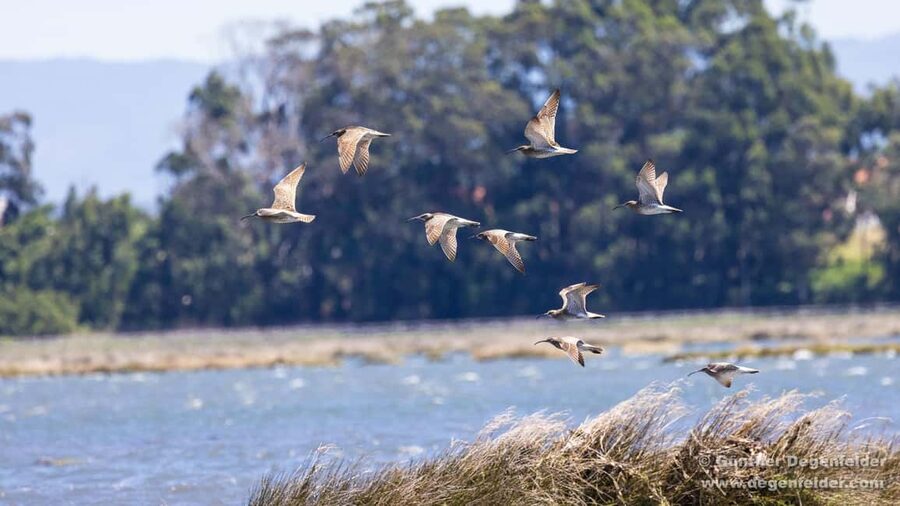
The birdlife is the main reason to book, but the conditions matter. At low tide, mud flats appear and birds feed in those exposed areas. That makes low tide the most useful time of day for birdwatching on the lagoon.
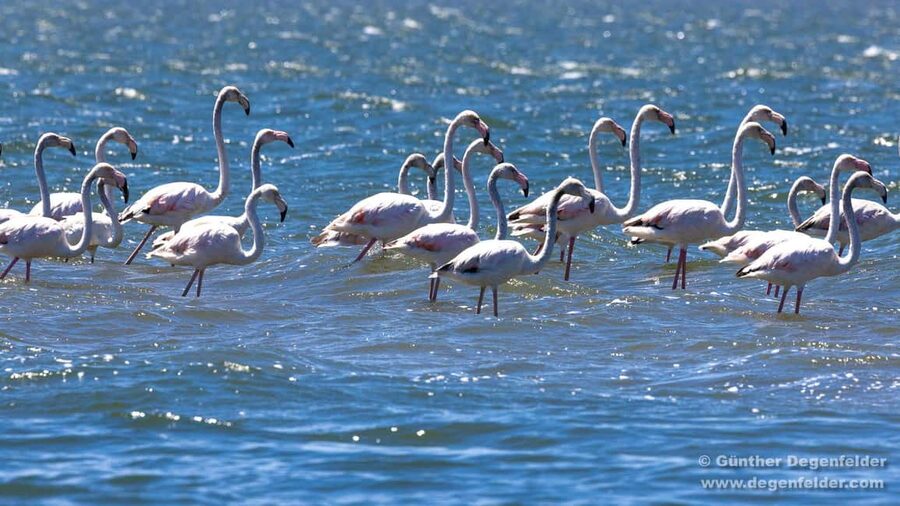
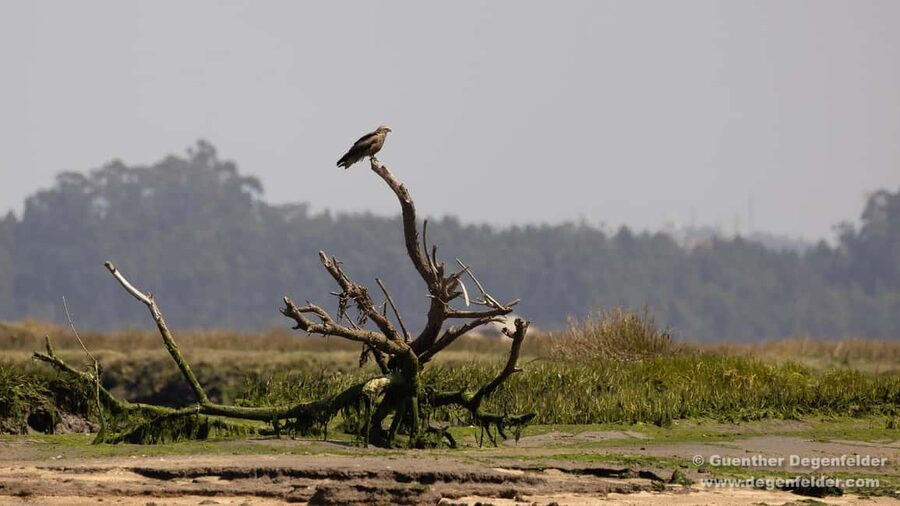
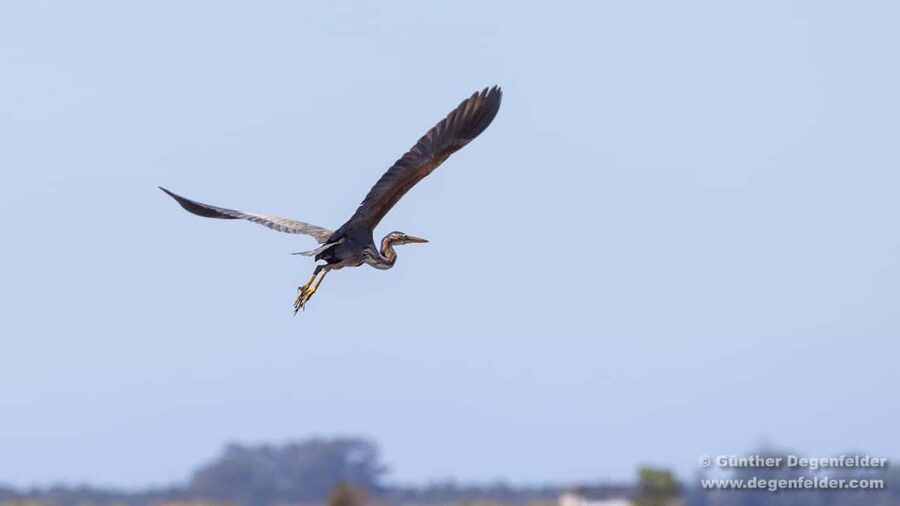
Autumn and winter are generally the strongest seasons for water birds. That does not mean other months are empty. A September outing produced sightings of numerous birds, including flamingos and a fishing eagle, but you should treat those sightings as possibilities rather than promises.
The lagoon’s appeal is partly its unpredictability. One trip may bring flamingos close to the boat, while another may offer fewer birds and more attention to salt production. Bring patience. This is not a fast-moving checklist tour where every minute is packed with sightings.
Binoculars are included, which saves you from bringing specialist equipment. You will still want to pay attention to the guide’s directions, since the best bird may be easy to miss against the wide wetland and mud. The quiet boat gives you a better chance to watch without rushing.
Salt production gives the tour its local character
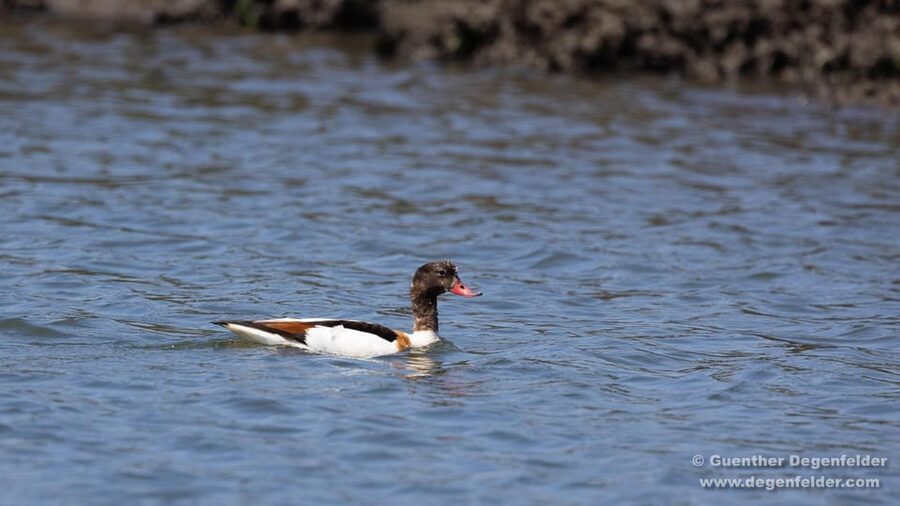
The salt marshes are not just background scenery. As salt production declined, the salty Ria de Aveiro became an important wetland for water birds. That change gives the guide a clear story to tell: an area shaped by human work gradually became a key place for wildlife.
This is where the tour may differ from what you expect from the word birdwatching. The history and culture of the salt industry can take up a large share of the guiding. I see that as a strength if you want context, but it may disappoint you if you are hoping for constant bird identification.
The Ecomuseum near the meeting point helps frame the subject, even though the boat trip itself is the main activity. You are not simply looking at water and birds. You are seeing a working cultural area that has changed as salt marshes were abandoned.
The best guides make this connection clear without turning the outing into a lecture. The available feedback points to strong communication and useful historical explanation, including extra background about salt production. No guide names are provided, but the experience is offered in three languages.
Same hide, a different set of birds:
- Faro: Eco-Friendly Ria Formosa Bird Watching in Solar Boat
★ 4.7 · 359 reviews - Dolphin – Whale – Turtle – Bird Watching
★ 5.0 · 350 reviews - Faro: Ria Formosa Natural Park Segway Tour & Birdwatching
★ 4.9 · 180 reviews - Ria Formosa Natural Park Birdwatching Segway Tour from Faro
★ 5.0 · 164 reviews
What happens during the 90-minute ride
The route is simple and easy to follow.
You meet at Cais do Sal, board the solar boat, and move out into the lagoon. The guide explains the salty area of Aveiro, the salt-making tradition, and the wetland’s role for birds. Along the way, you use the supplied binoculars to look for water birds in the channels and mud.
The trip includes wildlife viewing and a self-guided element, meaning the boat ride leaves room for you to watch at your own pace rather than following a packed series of shore stops. There is no separate transfer between locations and no long walk built into the activity.
At some point, the crew serves sparkling wine, water, juice, and sweets from the region. That snack service adds a relaxed Portuguese touch, though it also confirms that this is part sightseeing cruise, part cultural outing, and part light refreshment break.
The route ends back at Cais do Sal. Because the activity stays on the boat, comfortable shoes are still sensible, but you do not need special hiking gear. Wear comfortable clothes and be ready for changing conditions on open water.
What the price of $50 really buys you
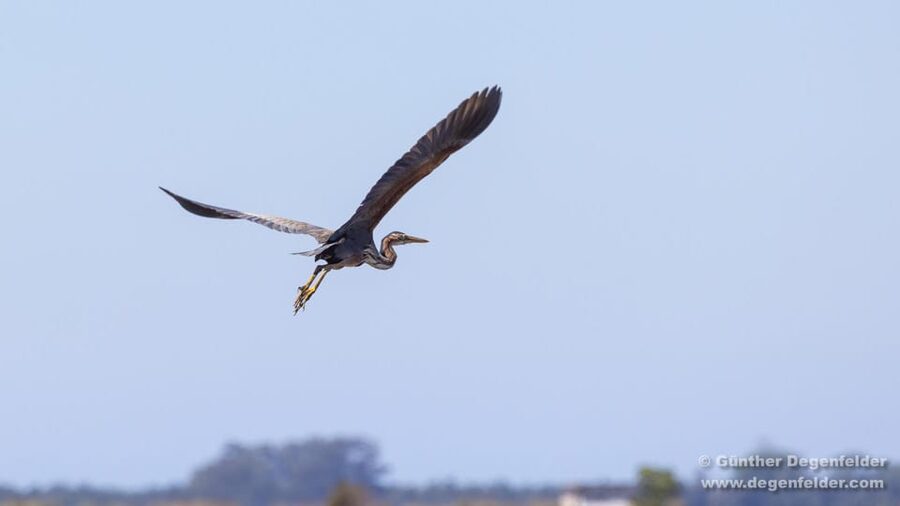
At $50 per person, this is not the cheapest way to spend 90 minutes in Aveiro. The value comes from the combination of a small group, a solar-powered boat, a multilingual guide, binoculars, and refreshments.
A standard boat ride may give you canals and architecture. This experience takes you into the lagoon’s salt-marsh setting, where the focus is nature and local industry. You are paying for a quieter vessel and a more specific setting, not simply a short ride on the water.
The included drinks and sweets are pleasant but should not be the main reason to book. They work best as a bonus during a calm outing. The real question is whether you want birdwatching plus salt-marsh culture. If you do, the price is easier to justify.
The small group also matters. With a maximum of 10 people, you are less likely to feel packed into a sightseeing boat. A smaller group can also make it easier to ask questions in English, Spanish, or Portuguese.
The best time to schedule your outing
If birdwatching is your priority, aim for low tide. That is when birds feed on the exposed mud of the Ria de Aveiro. Autumn and winter are typically the strongest seasons for water birds, so these months offer the best odds.
The exact departure times vary, and you need to check availability for the day you want. If your schedule allows, choose the time based on the tide rather than simply fitting the tour into an empty morning or afternoon.
September can still produce good sightings, including flamingos, so do not assume that only winter is worthwhile. Still, no season guarantees a particular bird. The lagoon is a natural place, not a wildlife exhibit.
You should also think about what kind of day you want. At low tide, the feeding activity may be better, but the exposed mud can look less conventionally pretty than a full, reflective waterway. That is a fair trade for a better chance to see birds.
Who will enjoy this boat trip most
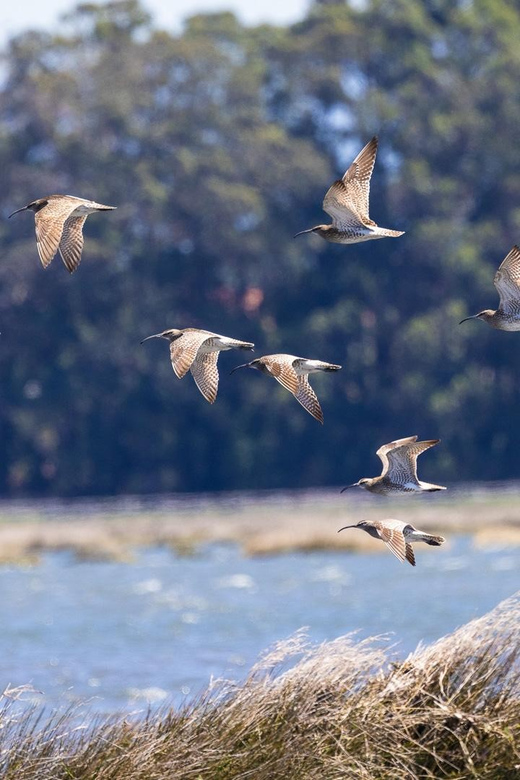
I would choose this tour for people who want a gentle nature outing with cultural background. It suits couples, small groups, older visitors, and anyone who prefers a quiet boat to a loud motor cruise.
It is also a good fit for families with older children who can sit quietly and watch for wildlife. The activity does not allow unaccompanied minors, so children must be with a responsible adult. The boat is wheelchair accessible, which makes it a practical choice for many visitors.
Birdwatchers should book if they are comfortable with uncertain sightings and enjoy learning about the place as much as naming birds. The included binoculars help, but this is not presented as an advanced specialist outing with a fixed species list.
You may want a different activity if you mainly want Aveiro’s urban canals, colorful architecture, or a lively city ride. This tour goes in the opposite direction. Its appeal is the quiet salt water and open wetland.
Practical details that make a difference
Wear comfortable shoes and comfortable clothing. The supplied information does not specify special waterproof gear, so keep your clothing practical for a boat ride and changing conditions.
Smoking is not allowed in the vehicle. Bikes, fireworks, explosive substances, fire-making, and diving are also prohibited. These rules are straightforward, but they matter on a small vessel in a sensitive wetland.
The tour accepts Portuguese, English, and Spanish guiding. It is wheelchair accessible, and the small group is limited to 10 participants. You can cancel up to 24 hours before departure for a full refund, and the reserve-now, pay-later option lets you keep your plans flexible.
One caution deserves attention: a scheduled outing was reported as not going ahead, which caused serious disappointment. That appears to be an isolated problem rather than the normal experience, but I would still confirm the departure details before setting your whole day around the boat.
My verdict: book it for quiet water and context
Book this tour if you want to see the less urban side of Aveiro, value a quiet solar boat, and enjoy learning how salt production shaped the lagoon. The small group, included binoculars, multilingual guiding, and local refreshments make the $50 price reasonable for the right kind of visitor.
Do not book it expecting nonstop bird identification. The guide may spend as much time on salt-marsh history and culture as on wildlife, and sightings depend on tide and season.
For the best chance of seeing birds, choose an autumn or winter departure at low tide. For the most relaxed experience, arrive ready to watch slowly, listen carefully, and accept that the lagoon sets the pace.
FAQ
Where does the Birdwatching Solar Boat Tour begin?
It begins at Cais do Sal, located opposite the Ecomuseum Marinha da Troncalhada.
How long does the tour last?
The stated duration is 90 minutes. The activity information also gives a possible duration of 90 to 120 minutes.
What languages are available?
The live guide is available in Portuguese, English, and Spanish.
Is the boat wheelchair accessible?
Yes, the activity is listed as wheelchair accessible.
What is included in the price?
The tour includes binoculars, sparkling wine, water, juice, and regional sweets.
When is the best time for birdwatching?
Autumn and winter are generally the best seasons, while low tide is usually the best time of day because birds feed on the exposed mud.
Can I cancel for a full refund?
Yes. You can cancel up to 24 hours in advance for a full refund.
Newest birding reviews around Portugal
- Vila Franca do Campo: Marine Life & Bird Watching & Islet Tour★ 4.4 · 9 reviews
- Visit to Madeira Bird Island★ 4.6 · 22 reviews
- Azores Marine Birdwatching Expedition w/ Biologist Guide★ 4.5 · 19 reviews
- Birdwatching Private Tour at Fascinating Salgados Lagoon★ 5.0 · 6 reviews
- Private Birdwatching from Porto★ 5.0 · 33 reviews
- Birdwatching day around Sagres★ 5.0 · 3 reviews
- Bird Watching in Albufeira Lagoon★ 5.0 · 2 reviews
- Birdwatching at Ria de Alvor★ 5.0 · 2 reviews
Birdwatching Boat Trips, side by side.
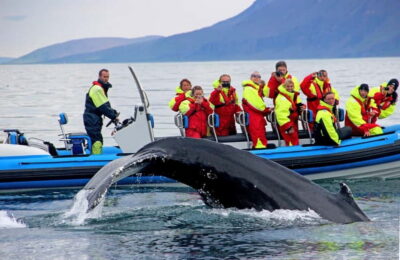
Original Big Whale Safari & Puffins by Speedboat
Read our review →
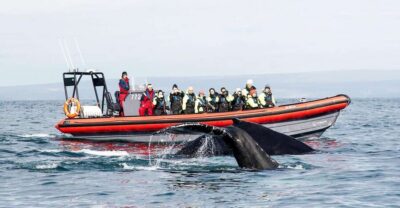
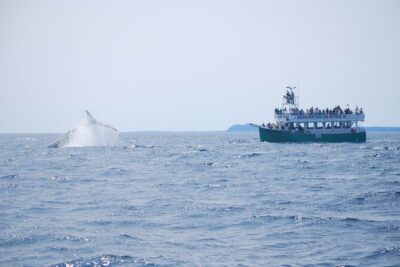
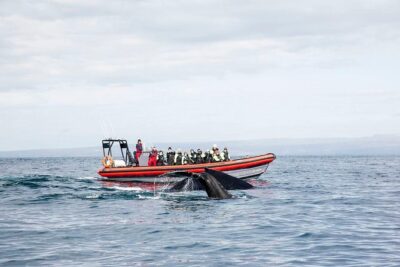
Big Whales & Puffins RIB boat tour from Húsavík
Read our review →
2 Hour Award-Winning Whale and Seabird Boat Tour from St. John’s
Read our review →
Lists this trip turns up in