
REVIEW · MEXICO
Cabo birding | Bird watching at bird sanctuary
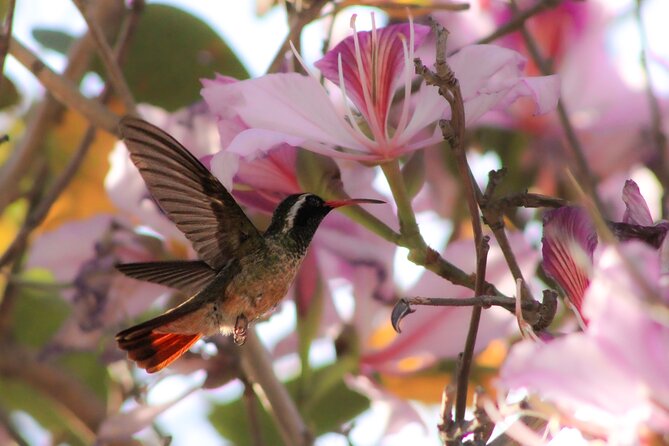
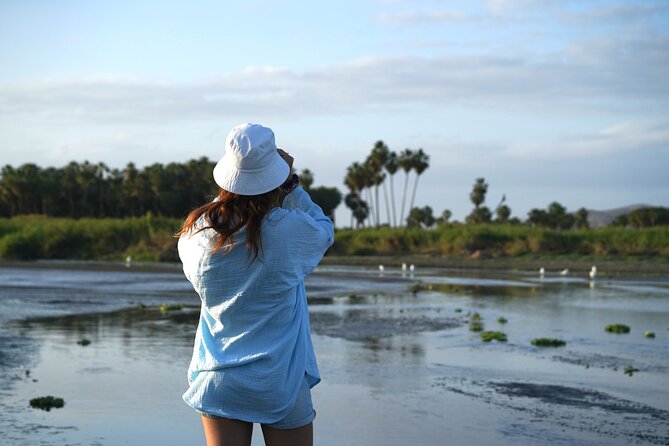
San José del Cabo’s estuary sits close to town, yet it can feel like a place most visitors pass without seeing. This relaxed birding walk brings you into that overlooked habitat, where you may spot local birds, migrants, and seabirds while learning to identify them by both sight and call.
I like the small group of six, which gives the guide room to answer questions and point out birds without turning the outing into a crowd. I also like the citizen-science angle: your observations help record what is present in the sanctuary, so the activity has a purpose beyond taking photos.
The main consideration is transport. Private transportation is not included, so you need to reach Blvd. Antonio Mijares 1092 in San José del Cabo on your own. The tour is also best for people who enjoy a patient nature outing rather than a fast-moving sightseeing trip.
Key points at a glance
- The estuary is close to central San José del Cabo but easy to overlook, making this a useful way to see a quieter side of town.
- Guide Dario supplies the birding kit, including binoculars and a field guide, so you do not need to arrive as an expert.
- You may look for local birds, migratory species, and seabirds in one compact natural setting.
- Sight and sound both matter, with instruction on recognizing birds by their appearance and calls.
- The group is capped at six people, a real advantage when birds are small, quick, or partly hidden.
- Photos, snacks, water, and bug repellent are included, while transportation is not.
Why San José del Cabo’s estuary is worth your time
The first surprise is how much nature can sit beside a developed resort area. The meeting point is at Blvd. Antonio Mijares 1092, at Campo de Golf Fonatur, yet the activity focuses on San José’s Estuary and Bird Sanctuary. You are not heading far into the countryside for a full-day expedition. You are looking more closely at a habitat near town.
That makes the outing a good fit for a short Cabo stay. You can spend about two and a half hours outdoors, then return to the same meeting point with much of the day still open. I like this shape for a vacation morning or afternoon because it adds something local without taking over your schedule.
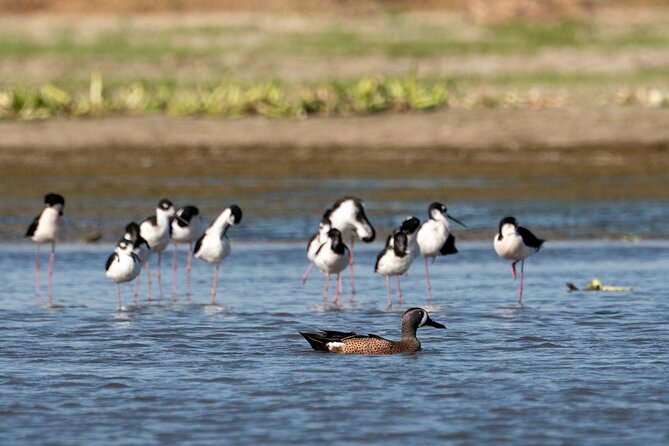
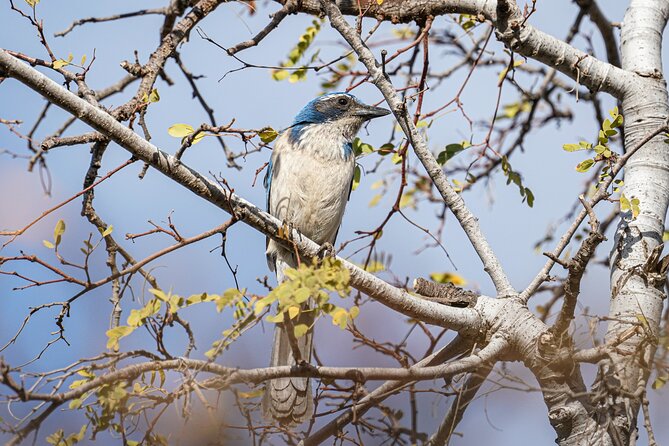
An estuary is also a useful place for birdwatching because it can bring different kinds of birds together. The experience is designed around local birds, migratory species, and seabirds. The exact sightings will change, but the range gives you more than one type of bird to watch for.
You should also set your expectations correctly. This is not a guaranteed checklist tour with a promise of rare species. Birds move, hide, and call from cover. The reward is learning how to notice them in a habitat that might otherwise look like ordinary scrub or wetland.
More Bird Sanctuaries and Parks in Mexico:
- Celestun Nature Reserve Flamingo Tour-Boat to Flamingo Paradise from Merida
★ 5.0 · 4 reviews - Maleny Botanic Gardens Bird Aviary Experience Ticket
★ 4.5 · 579 reviews - Puerto Iguazu: Iguaza Falls Brazilian Side & Bird Park Tour
★ 4.0 · 260 reviews
A relaxed two-and-a-half-hour birding walk
The activity lasts approximately 2 hours and 30 minutes, with admission to the sanctuary included. That is long enough to slow down, scan carefully, and listen for calls, but short enough for people who are new to birdwatching.
The relaxed pace matters. Birding is rarely about marching from one attraction to the next. You may need to pause, look again, and let your eyes adjust. A good guide can help you understand where to look and what details matter, such as shape, movement, color, or sound.
The outing is offered in English. Guide Dario is named as the person leading the experience, and the equipment provided means you can arrive without building your own birding kit. Binoculars are especially useful here. A bird that seems like a dark speck at first may reveal a clear shape or pattern once you have a closer view.
The field guide adds another layer. Instead of simply hearing a bird’s name and moving on, you can compare what you see with the printed information. That is helpful if you are curious but not yet comfortable with bird identification.
What you may see at the bird sanctuary
The sanctuary is the only scheduled stop, but it offers several ways to experience the area. You may watch birds in the habitat itself, listen for calls, and look toward the coast for seabirds. The focus is not just on spotting a bird, but on understanding how to recognize it.
Local birds give you a sense of the area’s year-round wildlife. Migratory birds add a seasonal element. Their presence can vary, so the experience is partly shaped by timing and conditions. Seabirds bring a different kind of viewing, especially if you enjoy comparing birds found near water with those using the estuary.
I appreciate that the tour includes calls as well as appearances. Many birds are easier to hear than see. A guide who can draw your attention to a call gives you a skill you can use later, even when the bird remains out of sight.
The setting can also reward patience. One especially useful part of the outing is learning to look past what seems obvious. The sanctuary may be close to roads, buildings, and golf-course facilities, but the birdlife is not always apparent at first glance. Dario’s role is to help you notice what is there.
Dario’s guidance and the value of a six-person group
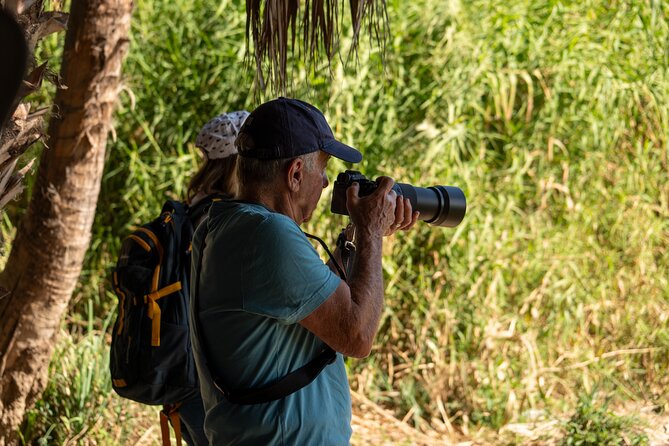
The group maximum is six people. That is one of the strongest practical features of this experience. A small group makes it easier to share binoculars, follow a bird’s direction, and ask questions without interrupting the entire outing.
It also helps with the basic problem of birdwatching: everyone needs to look at the same small subject at roughly the same time. In a large group, a bird can vanish before the guide reaches everyone. With six people, the activity has a better chance of staying personal and organized.
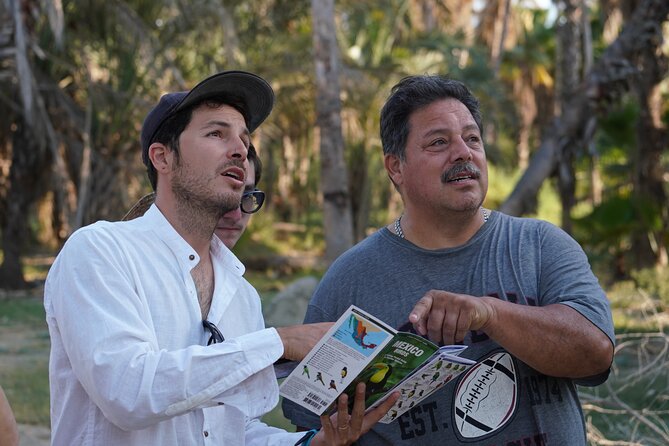
Dario provides the birding supplies and leads the identification work. His friendly, attentive approach is important here because beginners may hesitate to ask simple questions. You do not need to arrive knowing bird names or reading a field guide with confidence.
If you already bird regularly, you may appreciate the chance to record observations and add local context to your knowledge. If you are simply curious, the format should feel approachable rather than technical. The tour is built for both levels.
A few more birding trips around Mexico worth a look
- Sian Ka’an & Birdwatching Tours By Eddy
★ 5.0 · 120 reviews - Birdwatching in Sian Ka´an Muyil from Tulum – Shared Group Tour
★ 5.0 · 117 reviews - Rio Lagartos and Las Coloradas: Safari Flamingo Luxury
★ 4.9 · 90 reviews - Private Ría Lagartos Boat Tour: Flamingos & Crocodiles
★ 4.9 · 84 reviews
Citizen science gives the walk a purpose
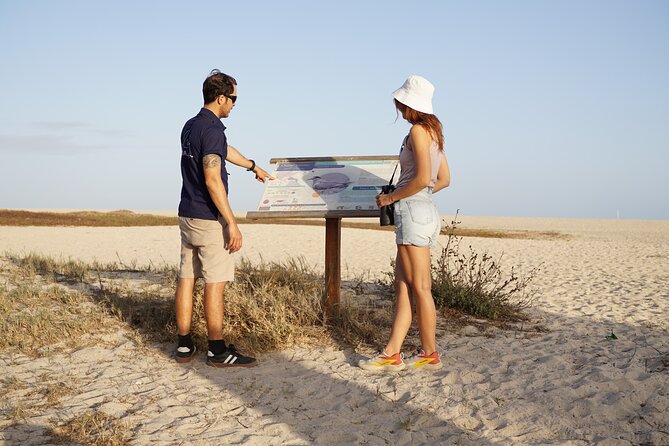
The citizen-science element is more than a side note. You use your binoculars to help collect observations, which gives your sightings a practical purpose. You are not only looking for a pleasant photo or a new name to add to a list. You are also helping document what appears in the sanctuary.
That can change how you pay attention. Instead of rushing toward the next bird, you may notice where it was found, how it moved, or whether you heard it before seeing it. Those small observations are exactly what can make a short outing feel more rewarding.
The information provided does not specify the recording system or explain how observations are submitted, so you should ask Dario about that at the start if the science side interests you. Still, the stated goal is clear: your bird sightings contribute useful observations.
I like this feature because it connects recreation with care for the habitat. You get an outdoor activity, and the sanctuary gains a little more attention from people who might otherwise never notice it.
What is included, and what you still need
The price is $99.99 per person. For a two-and-a-half-hour outing, that is not the cheapest way to take a walk, but the cost includes more than admission. You receive binoculars, a field guide, bottled water, snacks, bug repellent, and professional photos.
The equipment has real value if you are visiting Cabo without your own binoculars. Buying or packing gear for one short activity makes little sense for many people. The field guide and instruction also save you from trying to identify birds alone.
Professional photos are another practical benefit, especially if you want a record of the outing but would rather keep your attention on the birds. The available information does not specify how many photos you receive or when they are delivered, so ask for those details if they matter to your booking decision.
The included snacks and water keep the short outing simple. Bug repellent is useful in a wetland setting, although you may still want to dress for outdoor conditions. Those additions are small, but they mean fewer items to arrange yourself.
Private transportation is not included. You must make your own way to the meeting point and return there when the activity ends. Since the tour is near public transportation, that may help, but the exact route or pickup service is not provided. Confirm your transport plan before booking.
Who will enjoy this experience most
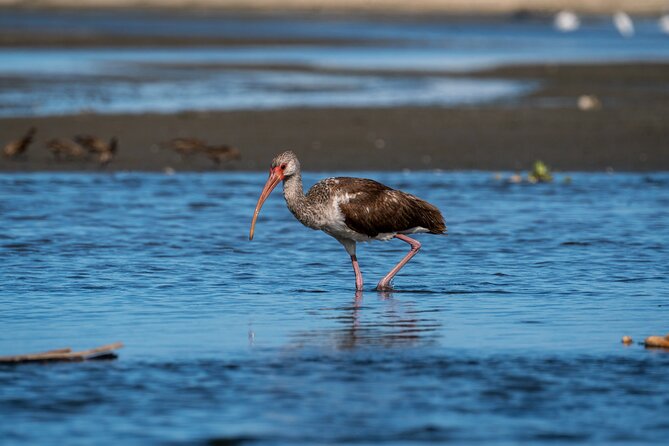
I would recommend this tour to anyone who likes nature but does not want a strenuous outing. Most people can participate, and the activity is framed as fun and relaxed. You do not need to be an experienced birder.
It is especially well suited to:
- First-time birdwatchers who want help with basic identification
- Couples or families who prefer a quiet outdoor activity
- Experienced birders who value a small group and local guidance
- Visitors with limited time in San José del Cabo
- People who like the idea of supporting citizen science
You may want to choose another activity if you need private transport, a full-day expedition, or a guaranteed list of rare birds. The experience also may not satisfy someone who wants a packed schedule with constant movement.
Because the group is small, it may suit solo visitors and pairs who enjoy asking questions. It also works for people who would rather learn at an easy pace than feel tested on bird names.
Booking timing and cancellation terms
This experience is booked an average of 59 days ahead, which suggests you should not leave it until the last moment if your dates are fixed. Confirmation arrives within 48 hours of booking, subject to availability.
You can cancel for a full refund up to 24 hours before the start time. Inside that window, the amount paid is not refunded, and changes are not accepted. The cut-off uses San José del Cabo local time, so check the clock carefully if you are arranging plans from another time zone.
The activity uses a mobile ticket and is offered in English. It begins and ends at the stated meeting point, with no private transportation included.
Is the $99.99 price fair?
The value depends on what you would otherwise need to arrange. If you already own binoculars, know the sanctuary well, and are happy to identify birds on your own, the price may feel high for a short walk.
If you are new to birding, the calculation changes. You are paying for a guide, a small group, binoculars, a field guide, snacks, water, bug repellent, professional photos, and a structured way to learn. You also receive access to a sanctuary setting that may be easy to miss without local direction.
I see the price as reasonable for a guided specialty activity, particularly because the group is limited to six. It is not a bargain sightseeing stop, but it offers more than an unstructured visit. The strongest value comes from the personal guidance and supplied equipment.
Should you book the San José del Cabo bird sanctuary tour?
Book it if you want a calm, focused nature experience close to town, especially if you are new to birdwatching or want to learn from guide Dario. The small group, supplied binoculars, professional photos, and citizen-science work make the outing more useful than a simple stroll.
Think twice if transportation is a problem or if you expect a long safari-style trip with guaranteed rare sightings. For the right visitor, this is a smart way to see a quieter side of San José del Cabo and learn to notice birds that might otherwise remain unseen.
FAQ
Where does the birdwatching tour start?
It starts at Blvd. Antonio Mijares 1092, Campo de Golf Fonatur, 23400 San José del Cabo, B.C.S., Mexico.
Where does the activity end?
The activity ends back at the meeting point.
How long does the experience last?
It lasts approximately 2 hours and 30 minutes.
Is admission to the bird sanctuary included?
Yes, an admission ticket is included.
Is transportation included?
No. Private transportation is not included, so you must reach the meeting point on your own.
Are binoculars provided?
Yes. Binoculars are included, along with a field guide.
What else is included?
The experience includes professional photos, bottled water, snacks, and bug repellent.
How many people can join the tour?
The group has a maximum of six people.
Newest birding reviews around Mexico
- Tulum: Pink Lake, Rio Lagartos, Crocodile Flamingo Adventure★ 4.5 · 2 reviews
- Small-Group Birdwatching Sian Kaan with professional guide★ 5.0 · 3 reviews
- Private Birdwatching Tour in Sian Ka’an Muyil★ 5.0 · 12 reviews
- Birdwatching Sian Ka’an Biosphere Reserve★ 5.0 · 9 reviews
- Birding for beginners★ 5.0 · 2 reviews
- Flamingos Tour in Rio Lagartos Yucatan 2 hours★ 5.0 · 4 reviews
- Xocen Birding★ 5.0 · 20 reviews
- SIerra Madre Highland bird and Tuito★ 5.0 · 26 reviews
Bird Sanctuary & Park Visits, side by side.
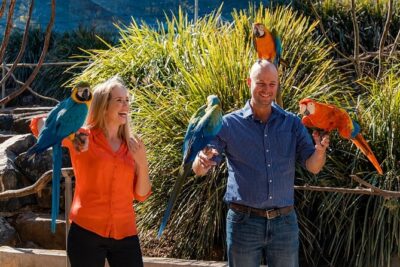
Maleny Botanic Gardens Bird Aviary Experience Ticket
Read our review →
Niagara Falls, Canada: Bird Kingdom Entry Ticket
Read our review →
Tagus Estuary Nature Reserve Birdwatching Boat Tour
Read our review →
Montego Bay: Marijuana Farm and Bird Sanctuary Tour
Read our review →
Lists this trip turns up in