
REVIEW · NEW ZEALAND
Guided Tour at Pukorokoro Shorebird Centre
Thousands of migratory birds gather along the Pukorokoro Shorebird Coast, and this 90-minute guided walk gives you a much better chance of seeing them than a casual stop at the reserve. Telescopes are supplied, and the tour is timed for the tides, when the birds return to feed.
I like the close look at an internationally important wetland, and I like that your fee supports the Pukorokoro Miranda Shorebird Centre’s conservation work. Guides such as Trudy and Chelsea bring useful bird knowledge without making the walk feel stiff or academic.
The main drawback is that this is a specialist nature outing, not a broad sightseeing tour. Bird numbers and viewing quality depend on tides and weather, and the walk is not a good fit for anyone with very limited mobility.
Key points before you book
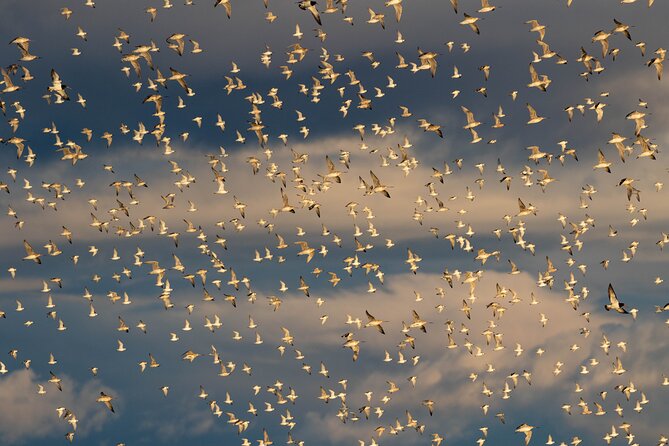
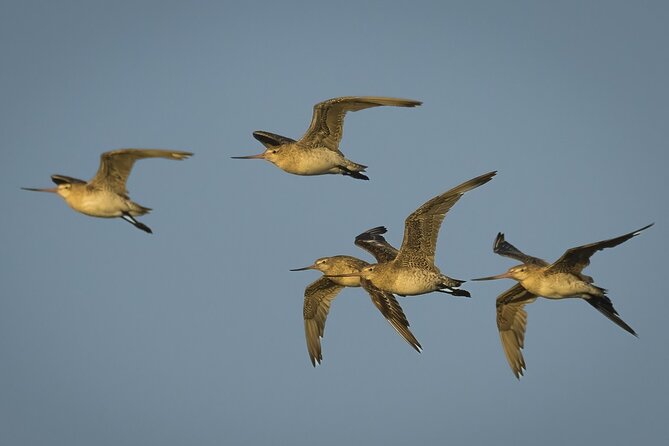
- Thousands of shorebirds: Use the supplied telescopes to search for bar-tailed godwits, red knots, wrybills, and other coastal birds.
- Tide-based timing: The schedule is planned around the tides, when shorebirds come into the reserve to feed.
- A focused 90-minute walk: The entire outing takes place at the Robert Findlay Wildlife Reserve, including the bird hides.
- Guides who know the birds: Trudy and Chelsea are among the guides associated with the experience, and both are praised for clear, friendly explanations.
- A conservation-minded visit: Your payment helps support an organisation working to protect the shorebird habitat.
- Bring your own binoculars if you have them: Telescopes are included, but personal binoculars can help you keep watching between stops.
Why Pukorokoro’s shorebirds are worth your time
The Pukorokoro Shorebird Coast offers a different kind of New Zealand outing. You are not coming for a grand viewpoint, a dramatic building, or a packed schedule of attractions. You are coming to watch a wetland at work and to understand why a flat tidal estuary can matter so much.
The shorebirds here include long-distance migrants such as the bar-tailed godwit and red knot. The scale of their journeys is one of the tour’s strongest subjects. These birds travel extraordinary distances between feeding and breeding areas, then return to the same coastal regions when conditions are right.
That information becomes more meaningful when you are looking across an actual feeding ground. Instead of hearing a general talk about migration, you can connect the story to the birds in front of you, even if they appear small at first.
I also like the use of the Māori word manu, meaning birds. It fits the spirit of the visit. The guide is not simply helping you tick species off a list. You are being introduced to the bird life of a coastal system and the pressures that affect it.
More Bird Sanctuaries and Parks in New Zealand:
- Maleny Botanic Gardens Bird Aviary Experience Ticket
★ 4.5 · 579 reviews - Puerto Iguazu: Iguaza Falls Brazilian Side & Bird Park Tour
★ 4.0 · 260 reviews - Niagara Falls, Canada: Bird Kingdom Entry Ticket
★ 4.3 · 243 reviews
Walking the Robert Findlay Wildlife Reserve
The tour’s only planned stop is the Robert Findlay Wildlife Reserve. That focused format is useful because the 90 minutes are spent looking, listening, and asking questions rather than moving between unrelated sights.
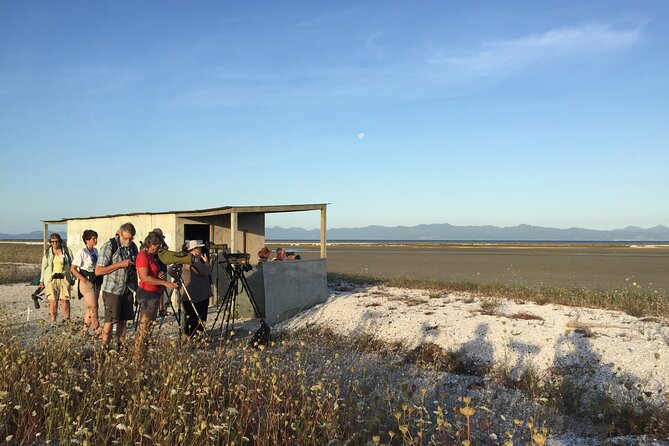
You will walk around the reserve and continue to the bird hides. These viewing points give you a place to pause and scan the wetland, with a guide helping you work out what you are seeing. The supplied telescopes are especially important here. Shorebirds can be difficult to identify at a distance, and a telescope lets you examine shape, size, colour, and feeding behaviour more closely.
You might see bar-tailed godwits, red knots, wrybills, and other shorebirds. The exact mix will change, and no responsible guide can promise one particular species on every departure. That uncertainty is part of birdwatching, but it is also why the tide matters so much.
The walk is not described as a strenuous hike, yet it does involve moving around the reserve and reaching the hides. If you have very limited mobility, consider the walking requirements carefully before booking. The activity is open to most people, but it is not recommended for those who may struggle with a walking tour.
Telescopes, hides, and better bird identification
A supplied telescope can make the difference between seeing a distant cluster of birds and understanding what you are looking at. The guide can set up the view, direct your attention, and help distinguish one shorebird from another.
That help matters for beginners. A wrybill and a godwit are not interchangeable sightings, and the pleasure comes from learning why. The guide can point out field marks and explain what makes each bird unusual. If you already know your birds, you can use the time to ask more detailed questions about migration, feeding, and the wetland.
Bring binoculars if you own a pair. The centre provides telescopes, but binoculars are handy when you want to scan a wider area or keep watching while the telescope is being shared. You do not need specialist equipment to take part, though.
The experience also works if you are simply curious about nature. You do not have to arrive with a life list or know the difference between a red knot and a godwit. A good part of the outing is learning how to look.
The tide controls the rhythm of the visit
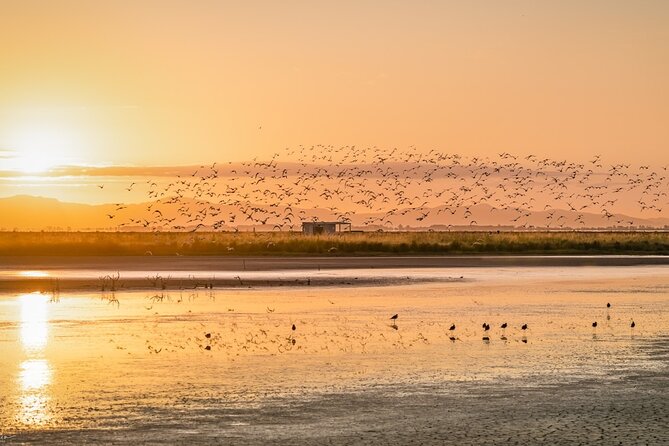
The tour is timed around the tides so the birds should be present in the feeding areas. That is a major practical strength, since shorebird viewing can be disappointing if you arrive when the birds have moved elsewhere.
You should still expect natural variation. Tide timing improves the odds, but it cannot control weather, bird behaviour, or the exact size of a flock. A visit may bring close views of many birds, while another may offer a quieter scene with more time for explanation.
This is why the centre’s approach feels more thoughtful than a simple walk to a lookout. The schedule is shaped by the wetland rather than by a fixed sightseeing timetable. Check the start time carefully and plan around it, since arriving at the wrong point in the tide could affect what you see.
Weather also matters. The experience requires good weather, and a cancellation caused by poor conditions comes with the choice of another date or a full refund.
More Guided Tours in New Zealand:
- Guided Evening Penguin Viewing Otago Peninsula, Dunedin, New Zealand
★ 5.0 · 471 reviews - Dunedin City Highlights, Otago Peninsula Scenery & a Guided Penguin Reserve Tour
★ 4.5 · 77 reviews - Dunedin: Otago Peninsula with Guided Penguin Reserve Tour
★ 4.7 · 66 reviews - Puffin Cruise with Expert Tour Guide from Reykjavik
★ 4.5 · 636 reviews
Guides who make the science approachable
The guide is central to the value of this experience. Without interpretation, a wetland full of distant birds can be hard for a first-time observer to read.
Trudy has been praised for leading a relaxed, informative Saturday walk, while Chelsea is described as friendly, clear, and ready to answer questions. Those details suggest the tone is conversational rather than formal. You can expect facts about the birds, but also the chance to ask about whatever catches your eye.
The strongest praise is directed at the guides’ passion and ability to explain the birds. That matters because migration can sound abstract until you understand the distance, timing, and risks involved. A guide who can connect those facts to the flock in front of you gives the visit real purpose.
I would not book this expecting a scripted performance or a fast procession from one photo stop to another. The value comes from taking time with the reserve. If you enjoy asking questions, you will get more from the experience.
What the $31.03 price buys you
At $31.03 per person, this is a modestly priced specialist outing. You are paying for about an hour and a half with a guide, access to the Robert Findlay Wildlife Reserve, and the use of telescopes.
The price makes sense if you would otherwise visit the shore alone and struggle to identify the birds. It also supports the Pukorokoro Miranda Shorebird Centre, an organisation committed to conservation. Your fee therefore helps fund more than a single guided walk.
The value is less obvious if you want a broad tour of Auckland or a packed attraction with many different stops. This is a narrow subject and a quiet activity. You may spend much of the time standing, scanning, and listening rather than collecting dramatic photographs.
For bird lovers, nature fans, and people interested in conservation, the cost is fair. For someone looking for high-energy entertainment, it may feel slow. I would judge the price by your interest in the subject, not by the number of stops.
A simple visit, with a few practical limits
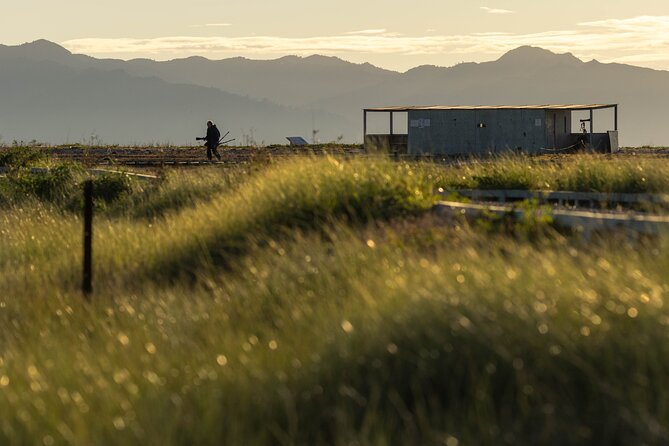
The tour includes the guided walking tour and telescope use. Bottled water and snacks are not included, but you can refill bottles at the centre, and staff can recommend local places to eat.
That makes it easy to prepare. Bring water, a snack if you need one, binoculars if you have them, and clothing suitable for the day’s weather. The supplied information does not specify a required dress code or the exact walking surface, so you should be ready for a normal reserve walk rather than assuming a fully accessible paved route.
The booking is a private activity for your group. That can make the outing feel more personal than a large public tour, especially if you want to ask questions or move at a comfortable pace. The available information does not state the maximum group size, so do not assume the booking means one guide for one individual or household only.
Accommodation is available at the centre for overnight stays. That could be useful if you want to spend more time in the area or join a tour that fits better with an overnight visit. The accommodation details are not provided here, so check what is available before making a separate lodging plan.
Who will enjoy this 90-minute experience
I would recommend this tour most strongly to:
- Birdwatchers: The telescope support and guide interpretation help with species identification.
- Nature lovers: You get a close look at an estuary and its role as a feeding area.
- Conservation-minded visitors: The activity supports a centre focused on protecting shorebirds and their habitat.
- Curious families and first-time birdwatchers: The walk is educational without requiring previous birding experience.
- Photographers with modest expectations: You may find good subjects, but the tour is built around observation rather than guaranteed close-up images.
It is less suitable if you need a fully accessible outing, dislike quiet observation, or want a tour with several different attractions. The experience is also a poor match for anyone who expects guaranteed sightings of a particular bird.
How to get the most from the reserve
Start by accepting that the first view may be a broad one. Thousands of birds can look like a moving patch until you use the telescope and let the guide break the scene into smaller parts.
Ask the guide to compare species. Learning the difference between a wrybill and a godwit will give you more satisfaction than simply hearing a list of names. Ask about migration too, since that is one of the most remarkable parts of the visit.
Keep your own binoculars ready, but do not ignore the telescope. The telescope is the best tool for studying individual birds, while binoculars let you continue scanning the wider wetland.
Give the tide and weather priority. This is not an indoor museum visit where conditions matter very little. The reserve is part of a living coastal system, so the best experience depends on being there at the right time and in workable weather.
Should you book the Pukorokoro Shorebird Centre tour?
Book it if you want a calm, focused encounter with New Zealand’s shorebirds and appreciate having an expert guide explain what you are seeing. The combination of tide-based timing, telescopes, bird hides, and conservation support gives the $31.03 fee solid value for the right audience.
Skip it if you want a fast-paced sightseeing tour, guaranteed close photographs, or an outing with no walking. For everyone else, this is a worthwhile way to spend 90 minutes, especially if the long journeys of godwits and red knots catch your interest.
Free cancellation is available up to 24 hours before the start time for a full refund. Changes or cancellations made less than 24 hours ahead are not refunded, and poor-weather cancellations offer another date or a full refund.
FAQ
How long does the guided shorebird tour last?
The tour lasts approximately 1 hour and 30 minutes.
Where does the walking tour take place?
The walk takes place at the Robert Findlay Wildlife Reserve, including the bird hides.
Are telescopes provided?
Yes. Telescope use is included in the tour price.
What birds might I see?
You might see bar-tailed godwits, red knots, wrybills, and other shorebirds. The exact birds present can vary.
Is the tour timed around the tides?
Yes. Tour times are planned around the tides so the birds should be in the feeding areas.
Is bottled water included?
No. Bottled water is not included, but you can refill bottles at the centre.
Can most people participate?
Most people can participate, but the tour is not recommended for anyone with very limited mobility.
What happens if bad weather cancels the tour?
You will be offered a different date or a full refund if poor weather causes the experience to be canceled.
Newest birding reviews around New Zealand
- Akaroa: Wildlife Cruise with Dolphins and Penguins★ 5.0 · 27 reviews
- Clearwater Private Penguin & Wildlife Tour from Port Otago (5hrs)★ 5.0 · 7 reviews
- Iconic Wildlife Tour with Yellow Eyed Penguins & Royal Albatross★ 4.5 · 33 reviews
- Twilight Wild Kiwi Bird Encounter Private Tour★ 5.0 · 3 reviews
- Private tour from Auckland – Waitomo Glowworm Caves, Zealong Tea & Kiwi Bird★ 5.0 · 20 reviews
- Bird Watching and Dolphin Eco-Tour to Blumine Island★ 5.0 · 55 reviews
- Dunedin: Otago Peninsula with Guided Penguin Reserve Tour★ 4.7 · 66 reviews
- Dunedin City Highlights, Otago Peninsula Scenery & a Guided Penguin Reserve Tour★ 4.5 · 77 reviews
Bird Sanctuary & Park Visits, side by side.

Maleny Botanic Gardens Bird Aviary Experience Ticket
Read our review →
Niagara Falls, Canada: Bird Kingdom Entry Ticket
Read our review →
Tagus Estuary Nature Reserve Birdwatching Boat Tour
Read our review →
Montego Bay: Marijuana Farm and Bird Sanctuary Tour
Read our review →
Lists this trip turns up in