
REVIEW · SOUTH AFRICA
Monkeyland, Birds of Eden, Jukani – Animal Sanctuaries
The unusual appeal here is that you can shape the day around three different kinds of animal experience. At Monkeyland, rescued primates move through a 12-hectare indigenous forest, while Birds of Eden gives birds room to fly instead of displaying them in small cages. Jukani adds lions, tigers, jaguars, and other predators in large enclosures built around their needs.
I like the mix of close-up primate encounters and quiet bird watching, plus the practical choice of doing one sanctuary or spreading all three over as many as three days. The main consideration is that Jukani can feel less natural than Monkeyland and Birds of Eden, especially around its larger animals. You are also walking throughout, so good shoes matter.
Key points to know before you go
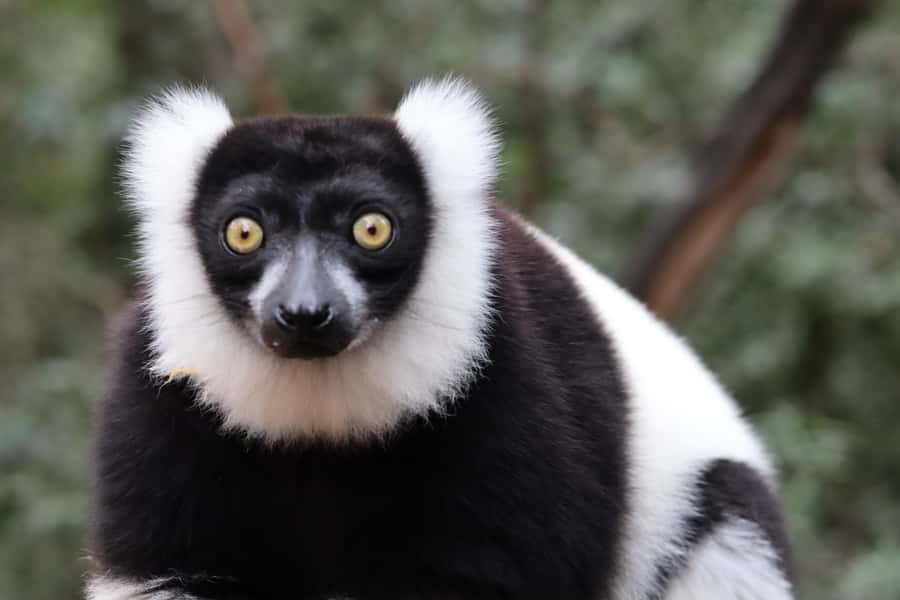
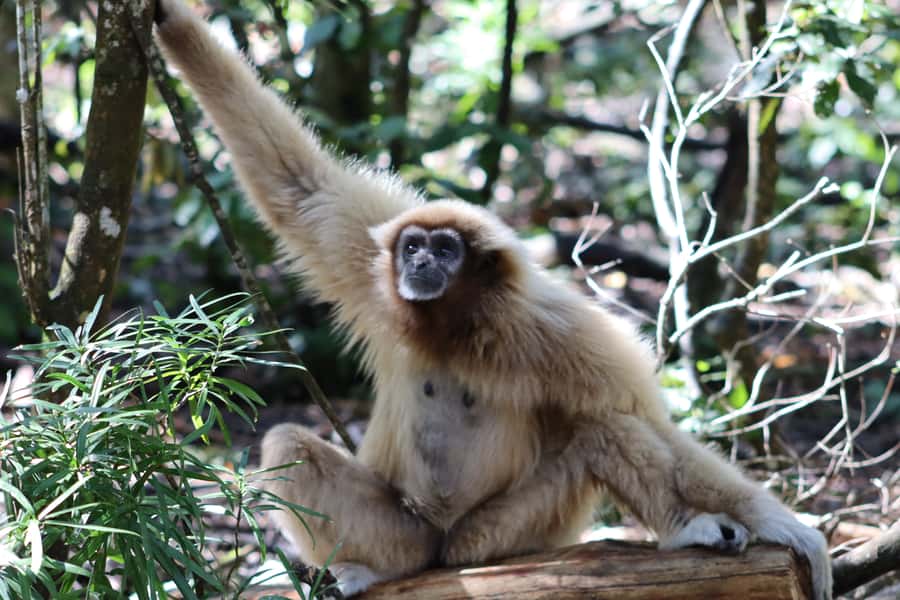
- More than 550 primates live at Monkeyland, including apes, monkeys, and lemurs rescued from captivity.
- A 128-meter suspension bridge crosses the forest canopy at Monkeyland.
- Birds of Eden covers 2.3 hectares beneath a huge mesh enclosure with a 1.2-kilometer walking route.
- More than 210 bird species and subspecies live in the aviary, with the detailed count given as 220 and more than 3,500 birds.
- Jukani’s 90-minute walk focuses on rescued big cats, including lions, tigers, leopards, jaguars, cheetahs, and pumas.
- A combination ticket costs less per sanctuary, making all three a better buy if you have enough time and energy.
Three sanctuaries, three very different days
This is not one standard tour with a fixed route. You choose Monkeyland, Birds of Eden, Jukani Wildlife Sanctuary, or all three. The experience can last one to three days, depending on the option you book and how much time you give each place.
That choice matters. Monkeyland and Jukani have guided walks at set times, while Birds of Eden lets you walk at your own pace. If you are trying to fit all three into one day, plan around the guided tours first and use Birds of Eden as the flexible part of the schedule.
The listed price is about $23 per person, but the exact value depends on how many sanctuaries you visit. One sanctuary gives you a focused half-day style outing. A combination ticket is the smarter buy if you want all three, since the cost per sanctuary is lower. You will need to arrange your own transport, food, and drinks, as hotel pickup and drop-off are not included.
The attraction works best for families, wildlife photographers, bird fans, and anyone who wants an animal outing with a conservation message. It is less suitable if you want a traditional safari with free-ranging African wildlife. These are sanctuaries, not open reserves, and the animals live in carefully managed spaces.
A few more birding trips around South Africa worth a look
- Cape Town: Cape of Good Hope & Penguins Day Tour with Pickup
★ 4.7 · 3,362 reviews - Cape Point and Boulder’s Penguins Full Day Tour
★ 5.0 · 3,118 reviews - Cape of Good Hope & Boulder Penguins Full-Day Tour from Cape Town
★ 5.0 · 2,347 reviews
Monkeyland: 550 primates in a forest setting
Monkeyland is the strongest choice if you want to see primates behaving more naturally than they can in a standard zoo enclosure. More than 550 apes, monkeys, and lemurs live in a 12-hectare indigenous forest. The sanctuary provides a permanent home for animals that were previously kept in captivity.
The one-hour guided walk gives the experience structure. Your guide points out the different species, explains their behavior, and shares stories about individual animals. The tour is conducted in English unless you arrange a French-speaking guide at least 48 hours ahead and provide your arrival time. There is no extra charge for the language-specific guide.
The best part is the setting. Instead of moving from small exhibit to small exhibit, you walk through forest where primates can spend time in the trees and move through a larger shared area. That does not guarantee that every animal will appear on cue, but it makes the encounters feel less staged.
You may also see animals at fairly close range. Keep your camera ready, but do not touch them. The rules are simple for a reason. These are rescued animals living in a place designed to reduce the pressure of constant human handling.
One of Monkeyland’s most memorable features is the 128-meter suspension bridge through the canopy. It gives you a higher view of the forest and adds a little physical excitement without turning the visit into an adventure course. Wear stable shoes, especially if you are traveling with children or anyone uneasy on suspended walkways.
The guides are central to the visit. A good guide helps you notice small behaviors, identify species, and understand why a former pet or captive animal may need a permanent sanctuary. The tour is short enough for younger children, though you should expect a full hour on foot.
Birds of Eden: the place to slow down
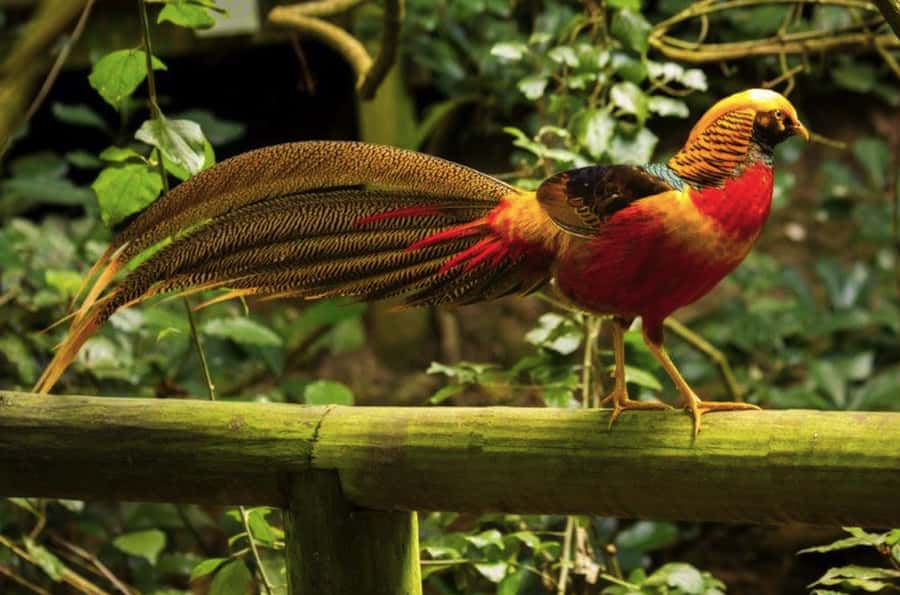
Birds of Eden is the most open-ended of the three sanctuaries. You explore on your own along a 1.2-kilometer walkway, moving through a 2.3-hectare aviary covered by 3.2 hectares of mesh. The structure reaches about 50 meters high, giving birds room to use the treetops and fly above you.
This is the sanctuary to choose if you prefer setting your own pace. You can move quickly if you are combining it with the other two, or spend much longer watching birds near the water, trees, gorge, and waterfall. The route is designed for looking rather than rushing from one marked enclosure to the next.
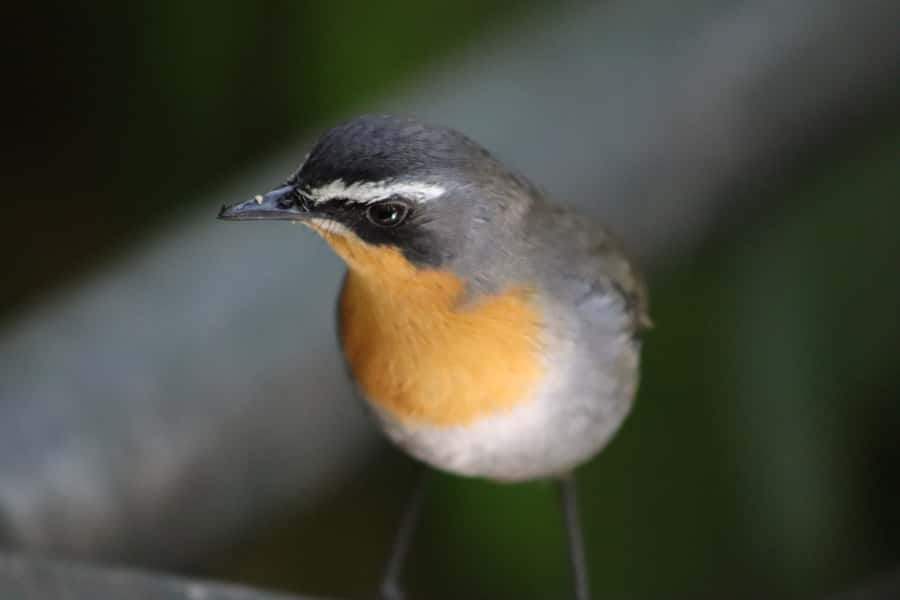
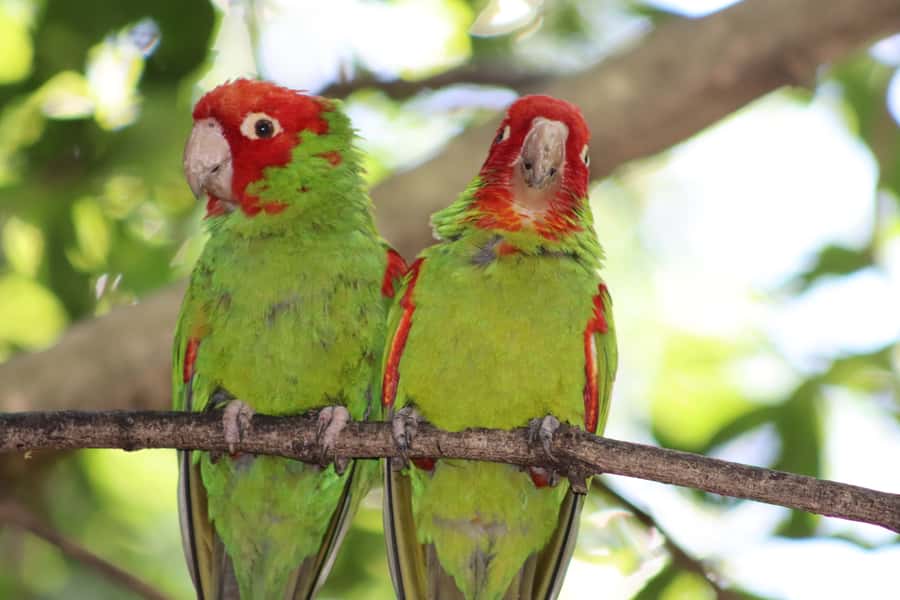
More than 3,500 birds live here, representing about 220 species and subspecies. You might see parrots, parakeets, flamingos, waterfowl, starlings, robins, cranes, and several lourie or turaco species. The Knysna lourie is one of the local highlights, with an unusual call that does not seem to match its graceful appearance.
The aviary also gives previously caged birds the chance to fly and display natural behavior. That is an important difference. You are not simply looking at a large collection of colorful birds. You are seeing the result of giving rescued or rehomed birds more space and freedom of movement.
Bring binoculars if you have them. They are helpful at Birds of Eden, though not essential. A camera with a strong zoom can also help, but the high mesh roof and busy vegetation mean you should not expect every photograph to be clear.
A guided walk can be arranged with 48 hours’ notice and an arrival time, but the standard format is self-guided and in English. I like that arrangement because it lets you pause when something catches your eye. The drawback is that you need to pay closer attention to signs and surroundings if you want help identifying everything you see.
Jukani: rescued predators and a more managed setting
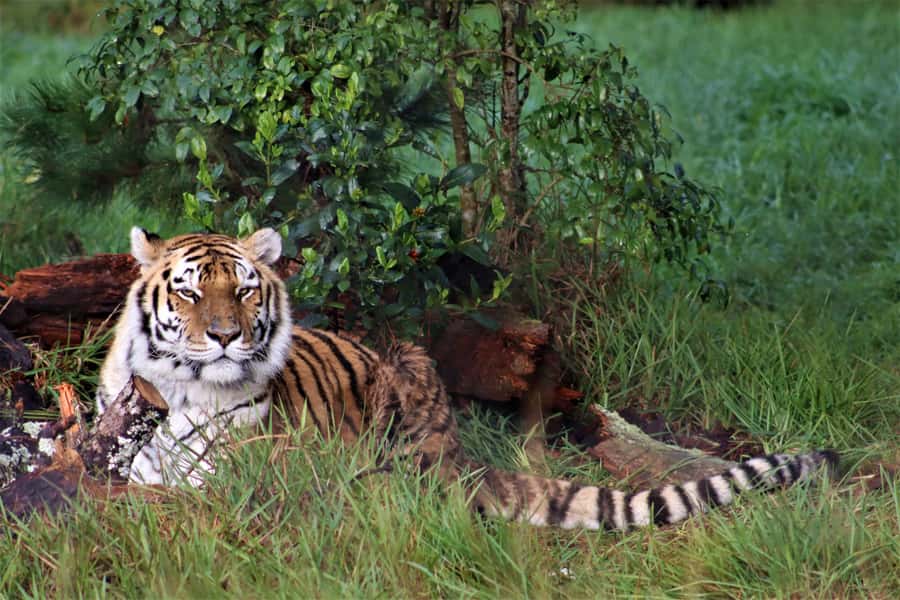
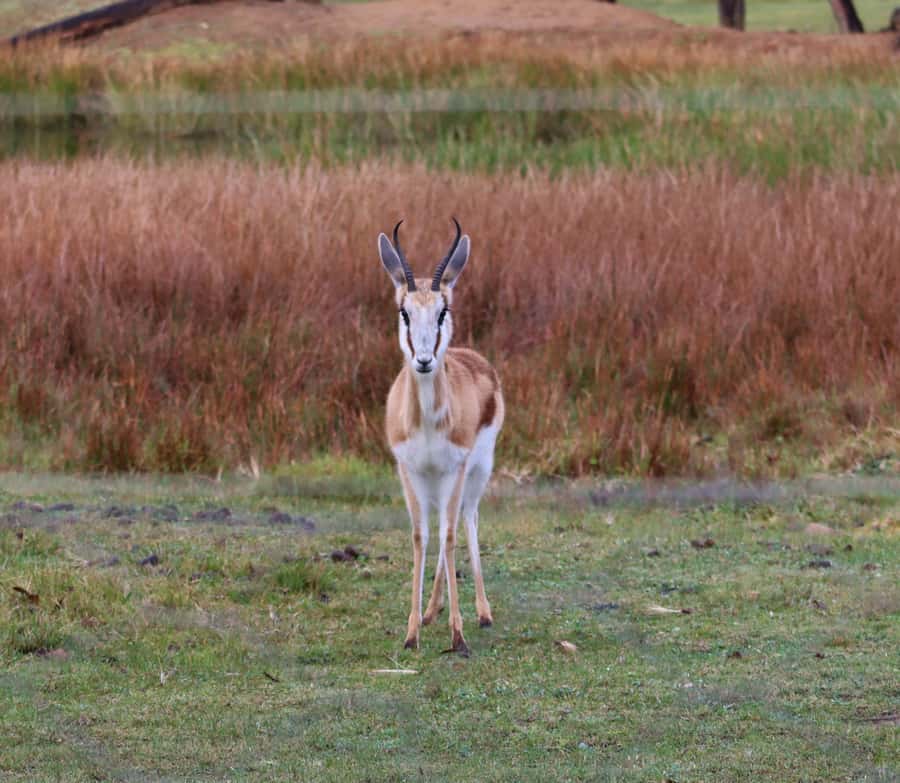
Jukani Wildlife Sanctuary focuses on large carnivores and other rescued animals. The 90-minute guided walk includes lions, tigers, leopards, jaguars, cheetahs, pumas, spotted hyenas, caracals, and a honey badger. You can also find raccoons, zebra, and springbok.
The sanctuary gives each animal a large habitat designed around its individual needs. The animals have been rescued or rehomed from facilities that could no longer care for them. At Jukani, they are free from the direct exploitation and repeated human contact that may have shaped their earlier lives.
This part of the visit offers a clear lesson about private ownership, captive animals, and the consequences of treating wild species as attractions. The message is practical rather than abstract. Your choices as a consumer can support better treatment and reduce demand for harmful animal encounters.
The big cats are the obvious draw. Lions and tigers have the visual impact you expect, while cheetahs and pumas offer a different kind of interest. Cheetahs are built for speed, and pumas are agile climbers. Spotted hyenas bring a very different presence, with their powerful build and reputation as highly effective predators.
Jukani is also the sanctuary where your expectations need the most adjustment. The large-game areas can feel less natural than Monkeyland’s forest or Birds of Eden’s free-flight setting. The animals are still housed in spaces made for them, but the scale and design may read more clearly as managed enclosures.
The guided format helps. Your English-speaking guide explains what you are seeing and keeps the walk moving. A hat is recommended, especially for children, and binoculars can help when an animal stays farther from the path.
Same hide, a different set of birds:
- Table Mountain, Penguins & Cape Point Small Group Tour Cape Town
★ 4.5 · 1,797 reviews - Cape Town Tour: Table Mountain, Penguins & Cape Point+Pickup
★ 4.7 · 1,671 reviews - Cape Town: Table Mountain, Cape Point, & Penguins Group Tour
★ 4.9 · 1,063 reviews - Cape of Good Hope & Penguins Small Group Tour from Cape Town
★ 5.0 · 1,054 reviews
How much time should you allow?
You can visit one sanctuary in a few hours, but the full experience is better spread over more than one day if your schedule allows. Birds of Eden alone can take much of a day if you stop often for birds, views, and the waterfall area.
A one-day plan is possible, but you need to stay aware of tour timing. Monkeyland has a one-hour guided walk, and Jukani has a 90-minute guided walk. Birds of Eden is the easiest to place around those fixed activities because you explore it independently.
If you want the most relaxed visit, consider this approach:
- Choose Monkeyland for its one-hour guided forest walk and canopy bridge.
- Give Birds of Eden the longest unstructured block of time.
- Finish with Jukani’s 90-minute guided walk, or place it first if that suits the available starting times.
The exact meeting point can vary by the option you select. Since transport is not included, check the location and plan your route before setting out. Food and drinks are also your responsibility, so bring what you need or plan a meal stop separately.
What to pack for a comfortable visit
Comfortable walking shoes are the most important item. Sandals may be fine for some people, but the forest paths, suspension bridge, and sanctuary walks are better handled in shoes with solid support.
At Jukani, bring a hat, especially for children. Binoculars are useful at both Jukani and Birds of Eden, but you can enjoy the visit without them. A camera is worthwhile, particularly at Monkeyland, where primates may appear close enough for strong photographs.
Do not plan on feeding or touching the animals. The sanctuaries are designed around respectful observation, and the no-touch rule protects both you and the animals.
The facilities are wheelchair accessible, though the experience includes walking routes and, at Monkeyland, a suspension bridge. If you need a particular arrangement, confirm the details for your chosen sanctuary before arrival.
Languages, flexibility, and booking value
English is the standard language for the guided tours at Monkeyland and Jukani. Monkeyland can arrange French with 48 hours’ advance notice and a specified arrival time. Birds of Eden is normally self-guided, but an English guide can also be arranged ahead of time.
The flexible cancellation policy allows you to cancel up to 24 hours in advance for a full refund. You can also reserve now and pay later, which is useful if your Garden Route plans are still shifting.
One practical point deserves attention: you may be able to buy entry directly at the entrance, and doing so can give you more freedom about when you visit. That can suit an independent schedule, but it also means you should check opening arrangements and availability before relying on a spontaneous stop.
The combination ticket is the clearest value choice. If you only want one animal type, pick the sanctuary that matches your interest. If you want primates, birds, and big cats, paying for all three gives you a much broader day out for the extra time.
Which sanctuary should you choose?
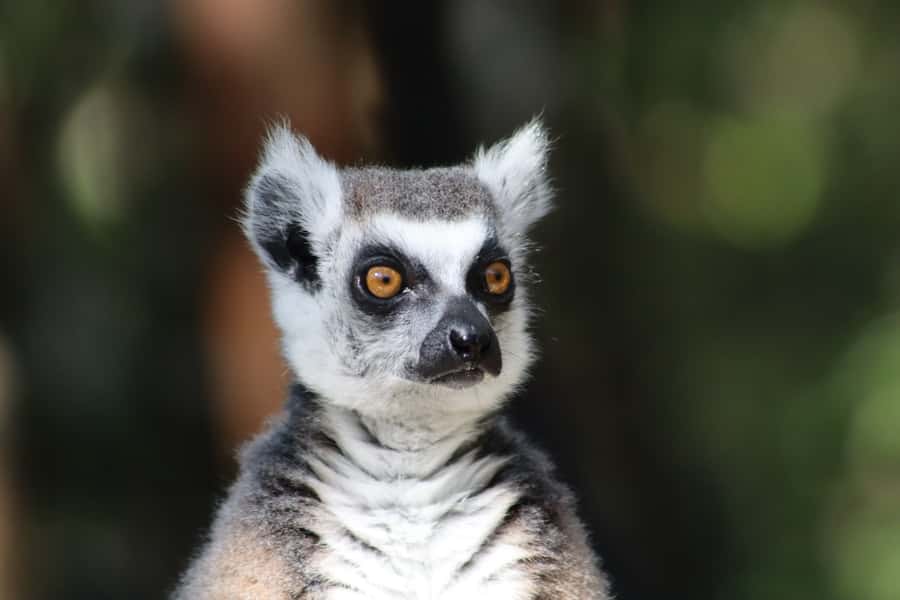
Choose Monkeyland if you want a guided experience, close views of primates, and a forest setting. It is the best all-round pick for families and anyone interested in animal behavior.
Choose Birds of Eden if you like photography, bird watching, or quiet walks with no fixed guide pace. It is also the easiest sanctuary to fit around other plans.
Choose Jukani if lions, tigers, leopards, and other predators are your priority. It offers the broadest range of large animals, though the setting may feel more managed than the other two.
Choose all three if you have the time. The sanctuaries are different enough that the combination does not feel repetitive. Monkeyland focuses on social primates in forest, Birds of Eden on flight and sound, and Jukani on rescued predators and the hard questions around captive wildlife.
Should you book Monkeyland, Birds of Eden, and Jukani?
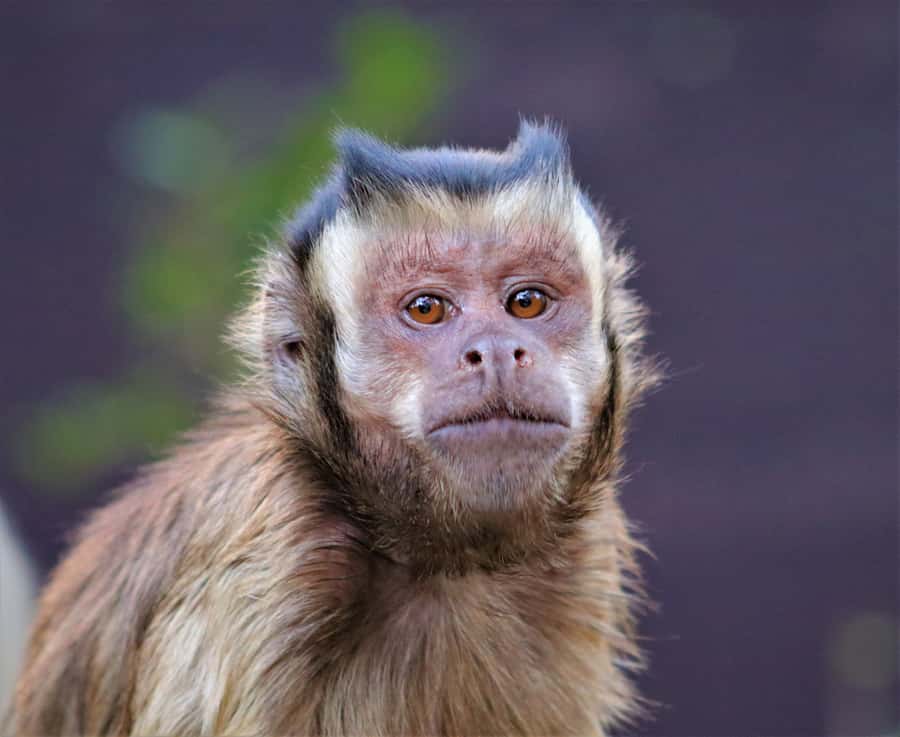
I would book this experience if you want a responsible animal outing with real variety and you are comfortable walking between viewing areas. Monkeyland and Birds of Eden are the strongest matches for natural behavior and spacious settings, while Jukani adds the thrill of seeing big cats and other predators.
I would not choose it as a substitute for a safari. You will not be driving through open bush in search of wild herds. Instead, you are visiting sanctuaries that give rescued animals permanent homes and help you understand why those animals need protection.
For the best value, choose the combination ticket and allow more than one day if possible. If your time is tight, start with Monkeyland or Birds of Eden, then add Jukani only if the predator collection is a priority.
FAQ
How many sanctuaries can I visit?
You can choose one sanctuary or visit all three: Monkeyland, Birds of Eden, and Jukani Wildlife Sanctuary.
How long does the experience last?
The available duration is one to three days, depending on the option you choose and how many sanctuaries you visit.
Is a guide included at Monkeyland?
Yes. Monkeyland includes a guided tour lasting about one hour.
Is a guide included at Jukani Wildlife Sanctuary?
Yes. Jukani includes a guided walking tour lasting about 90 minutes.
Is Birds of Eden guided?
Birds of Eden is normally explored independently. An English-speaking guide can be arranged with at least 48 hours’ notice and an arrival time.
Can I arrange a French-speaking guide?
Yes. A French guide can be arranged for Monkeyland if you book at least 48 hours ahead and provide your arrival time. Jukani tours are conducted in English.
What animals can I see?
Monkeyland is home to more than 550 apes, monkeys, and lemurs. Birds of Eden has about 220 bird species and subspecies, with more than 3,500 birds. Jukani has lions, tigers, leopards, jaguars, cheetahs, pumas, hyenas, caracals, and other animals.
What should I wear?
Wear comfortable walking shoes. A hat is advised at Jukani, especially for children.
Are binoculars necessary?
No. Binoculars are helpful at Birds of Eden and Jukani, but they are not required.
Is hotel transportation included?
No. Hotel pickup and drop-off are not included. The meeting point can vary according to the option booked.
Newest birding reviews around South Africa
- Best of Cape Private Tour Cape Point+Penguins+Table Mountain★ 5.0 · 2 reviews
- Beach Day at Boulder’s Beach & Penguin watching, Half Day★ 4.4 · 15 reviews
- 2-Day Cape Town Safari with Big 5, Penguins & Cape Agulhas★ 5.0 · 2 reviews
- Cape of Good Hope Private Tour to Cape Point & Penguins From Cape Town★ 5.0 · 39 reviews
- Private Tour: Table Mountain, Penguin Colony & Cape of Good Hope incl. Park Fees★ 4.5 · 39 reviews
- Table Mountain, Cape Point & Penguin Beach ENTRANCE INCLUDED★ 4.7 · 39 reviews
- Cape Town: Table Mountain, Penguins & Cape Point Group Tour★ 4.8 · 42 reviews
- Top 10 Super Tour: Table Mountain, Penguins & Cape of Good Hope Small Group Trip★ 4.5 · 43 reviews
South Africa Birdwatching Tours, side by side.
Cape of Good Hope & Penguins Day Tour with Pickup
Read our review →
Cape Point and Boulder’s Penguins Full Day Tour
Read our review →
Cape of Good Hope & Boulder Penguins Full-Day Tour from Cape Town
Read our review →
Table Mountain, Penguins & Cape Point Small Group Tour Cape Town
Read our review →
Cape Town Tour: Table Mountain, Penguins & Cape Point+Pickup
Read our review →
Table Mountain, Cape Point, & Penguins Group Tour
Read our review →
Cape of Good Hope & Penguins Small Group Tour from Cape Town
Read our review →
Lists this trip turns up in