
REVIEW · PORTUGAL
Óbidos: Lagoon Birdwatching Tour with Local Biologist
Óbidos Lagoon gives you a sharp change of scene after the medieval walls: one moment you are among stone lanes, and the next you are watching flamingos feed in shallow Atlantic water. A local biologist helps you read the lagoon by bird shape, sound, flight, and behavior, with binoculars provided.
I like the quiet pace and the chance to learn how the Aberta, the lagoon’s channel to the ocean, has been opened and maintained for centuries. I also like the private format, which gives you more room to ask questions and stop when a kingfisher flashes past.
The main drawback is practical rather than dramatic: this is not suitable for people with mobility impairments, and bird sightings always depend on tide, season, and luck. You will also get more from it if you can walk slowly and stay patient.
At a glance
- A rare coastal lagoon: Óbidos is the only one of three historic lagoons in this area that survived major changes to the coast.
- Birds from several habitats: Reed beds, mudflats, shallow water, fields, and sandy shores attract different species.
- Binoculars are supplied: You can arrive without carrying your own pair, though a camera is worth bringing.
- The ocean connection matters: The guide explains how the Aberta links the lagoon with the Atlantic and why silting must be managed.
- Private and bilingual: You can book a private group with guiding in English or Portuguese.
- Best light comes early or late: Sunrise and sunset offer the strongest conditions for photography.
From Óbidos walls to open water
The meeting point is Porta da Vila, Óbidos’s famous gateway. From there, the activity takes you out to the lagoon for about two hours before returning to the same starting point.
That simple route works well if you are spending part of the day in Óbidos. You do not need to organize a separate full-day outing, and the return to Porta da Vila keeps the plan easy to fit around sightseeing in town. The provided information does not describe a transfer vehicle, so you should confirm the exact transport arrangement and meeting instructions when you book.
The change in mood is the first reward. Óbidos is known for its enclosed medieval streets and old walls. The lagoon feels open and calm, with wind, reeds, shallow water, and bird calls replacing the sounds of town.
I like this contrast because it gives you two very different sides of the area in one outing. You are not simply adding another historic stop to your schedule. You are seeing the coastal setting that helped shape the region.
More Wetland and Lagoon Birding in Portugal
- Faro: Eco-Friendly Ria Formosa Bird Watching in Solar Boat
★ 4.7 · 359 reviews - Faro: Ria Formosa Natural Park Segway Tour & Birdwatching
★ 4.9 · 180 reviews - Ria Formosa Natural Park Birdwatching Segway Tour from Faro
★ 5.0 · 164 reviews
Why Óbidos Lagoon matters
Óbidos Lagoon is described as Portugal’s largest coastal lagoon. Its shallow, nutrient-rich water is protected from the strongest ocean currents, creating useful feeding grounds for many bird species.
The lagoon is also shaped by the Atlantic. Its channel, known locally as the Aberta, connects the inland water with the sea. That link can close as sand and silt build up, so the channel must be opened and maintained.
The story is unusually practical. In medieval times, local people used hoes and ox-drawn carts to reopen the channel when it became blocked. Today, mechanical equipment is used because the silting process requires regular work.
This is the sort of local detail that makes the outing more than a list of bird names. You begin to understand why the lagoon looks and functions as it does. Its survival is not only a matter of nature. Human effort has helped keep the water moving, the farmland drained, and the wetland alive.
Your guide can explain this connection while you look across the water. It gives purpose to the quiet pauses, because you are watching a place shaped by tides, sediment, birds, and people.
Watching birds at the quiet viewpoint
The tour begins at a quiet viewpoint overlooking the lagoon. This is where you start getting your bearings and learning how to scan the water and shore.
A beginner’s mistake is to look only for large, colorful birds. Your guide can show you how to notice movement first, then check the bird’s outline, bill, legs, color, and behavior. A bird that seems small and distant becomes easier to identify once you know what detail to watch.
Binoculars are supplied, which is a useful saving if you do not own a pair. The guide can help you use them and point out where to look. You should still bring a camera if photographs matter to you, though a phone camera may struggle with birds far across the water.
The pace is slow by design. You may spend time watching a bird feed, wait for a bird to reappear, or listen for calls before you see anything. That is good for people who enjoy nature observation, but it may feel too quiet if you want constant action.
The small group format helps here. A private group can ask questions without worrying about holding up a larger party. You can also tell the guide if you are especially interested in photography, bird calls, or the lagoon’s story.
The birds you may see
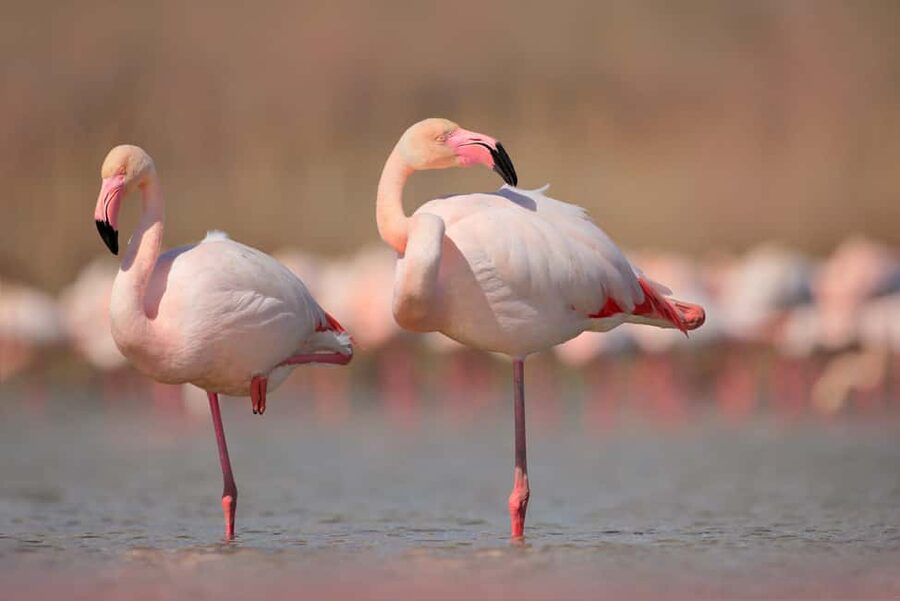
Flamingos are often the first birds to catch your eye. Their pink color makes them easier to spot than many other species, especially when a flock is feeding in still water at low tide.
The exact number of birds and species will change. The tour information emphasizes that every day and season bring different birdlife, so no sighting should be treated as guaranteed. That uncertainty is part of birdwatching, but it is worth keeping in mind if you are booking mainly for one particular species.
Here are some of the birds you might look for:
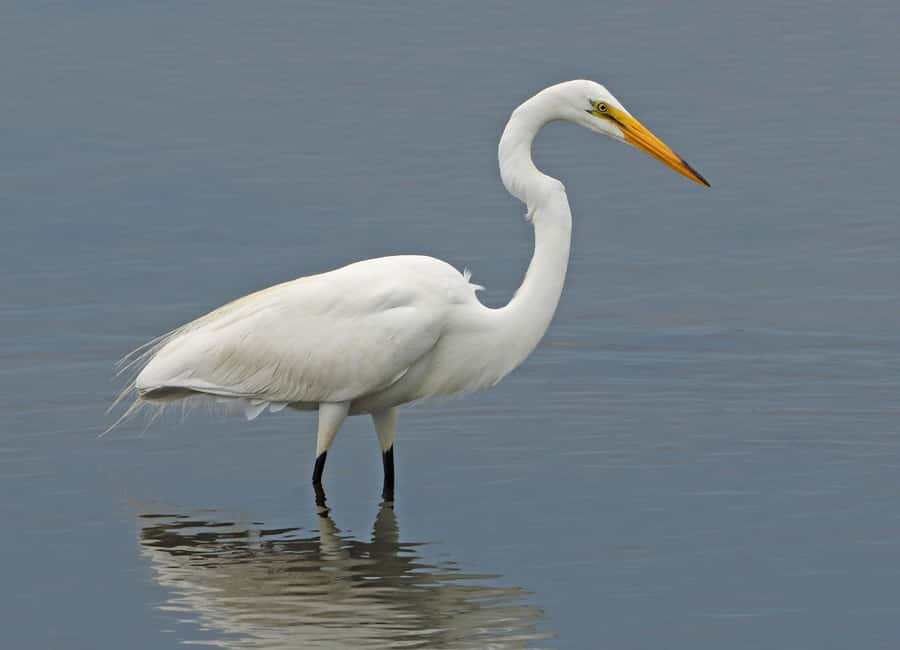
- Great egret: A tall white bird that moves slowly along the shore while hunting.
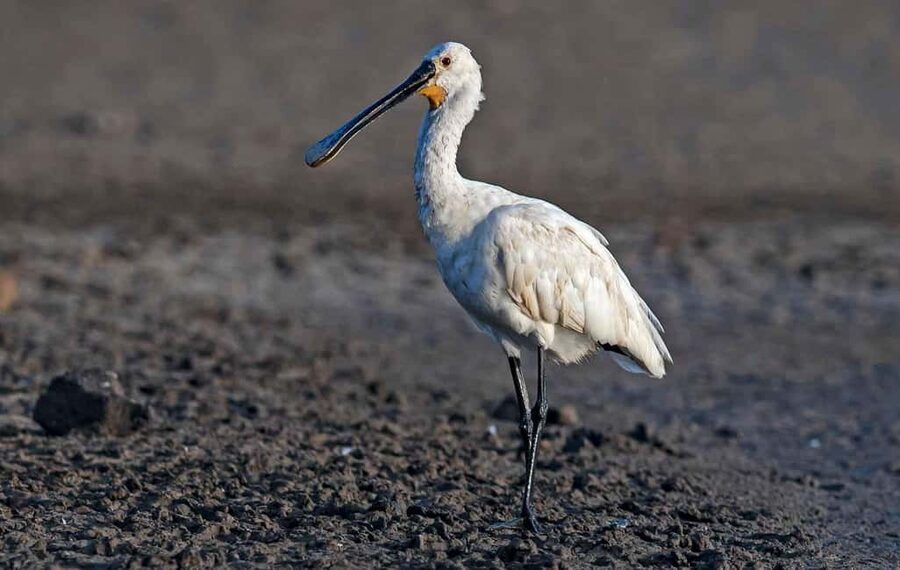
- Eurasian spoonbill: Its broad, spoon-shaped bill sweeps through the water as it feeds.
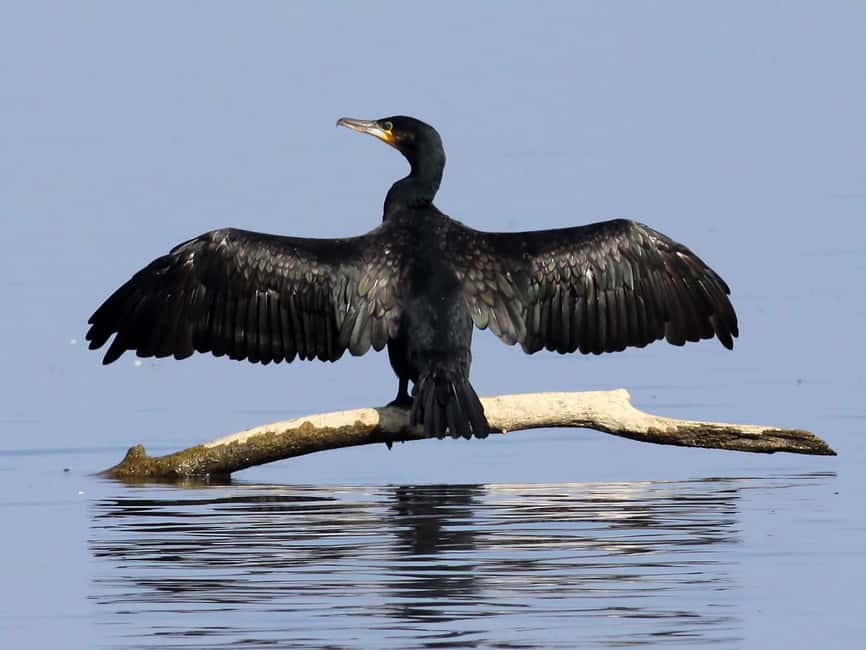
- Cormorant: A dark water bird that catches fish beneath the surface.
- Kingfisher: A quick flash of blue near the water can reveal this small bird.
- Little grebe: This bird repeatedly disappears beneath the surface and then returns.
- Northern shoveler: Its broad bill gives it away among other ducks.
- Common kestrel: You may see one hovering over nearby fields while searching for prey.
- Grey heron: Its still posture and patient wait make it one of the lagoon’s most recognizable birds.
The guide can help you identify birds by silhouette, color, movement, flight pattern, and sound. That last point adds a nice layer to the tour. Birdwatching is not only about looking through glass. Once you start listening, the reeds and water become much more informative.
Same hide, a different set of birds:
- Dolphin – Whale – Turtle – Bird Watching
★ 5.0 · 350 reviews - Lisbon: Tagus Estuary Nature Reserve Birdwatching Boat Tour
★ 4.9 · 117 reviews - 2-hour Bird Watching Guided Boat Trip in Ria Formosa from Faro Algarve
★ 4.5 · 75 reviews - Faro: Ria Formosa Eco Birdwatching Boat Tour
★ 4.6 · 73 reviews
Reed beds, sandy shores, and changing water
The lagoon is not one uniform place. Reed beds offer cover and nesting space. Shallow water gives waders and flamingos feeding areas. Sandy shores and exposed mud can reveal birds that are harder to notice when the tide is higher.
Tides change what you see. At low tide, feeding areas become more visible, and flamingos may gather in shallow water. At another point in the tidal cycle, birds may move to different sections of the lagoon.
That makes the setting feel different from one visit to the next. The waterline shifts, new patches of ground appear, and bird groups change position. Your guide’s help is especially useful because the best place to look is not fixed.
You should wear neutral colors and move slowly. Bright clothing and sudden movement can make wildlife harder to observe. You are also asked not to touch plants or leave litter, sensible rules in a fragile wetland.
The instructions encourage a respectful distance from the birds. That matters for both the animals and your photographs. You are more likely to see natural behavior if you do not crowd the shoreline or chase a better view.
What the two-hour timing gives you
Two hours is a good length for a focused first look at the lagoon. It gives you enough time to learn the basics, scan several habitats, and hear the story of the Aberta without taking up a full day.
I would not treat it as a complete survey of every part of the lagoon. The area is large enough that two hours will give you selected viewpoints rather than an all-day exploration. If you are a serious birdwatcher with a long species list, you may want more time than this outing provides.
For most people, the shorter format is a strength. You can fit it into a visit to Óbidos without giving up the rest of your day. Families with older children, couples, photographers, and first-time birdwatchers can get a clear introduction without committing to a long trek.
The experience is best for people who enjoy pauses. You may spend several minutes waiting for a bird to appear or watching one feed. If you need a packed schedule and constant movement, this may not be your ideal activity.
Is $47 a fair price?
At $47 per person, the cost is reasonable if you value personal guiding and do not have binoculars. You are paying for a two-hour private outing, a local guide, equipment, and help interpreting what you see.
The private format is the key value point. A large group tour can leave you listening from the back or missing a bird while the guide moves on. Here, you should have more opportunity to ask about behavior, local ecology, and the lagoon’s connection with the ocean.
It is less compelling if you already know the area well, own quality binoculars, and prefer to explore independently. The price also cannot guarantee a long species list. Nature sets the schedule.
I think the cost makes the most sense for a first visit, a special interest in birds, or anyone who wants more than a quick view from the shore. The guide’s ability to recognize birds by sound can be especially useful for beginners who want to keep learning after the tour ends.
Photography at sunrise and sunset
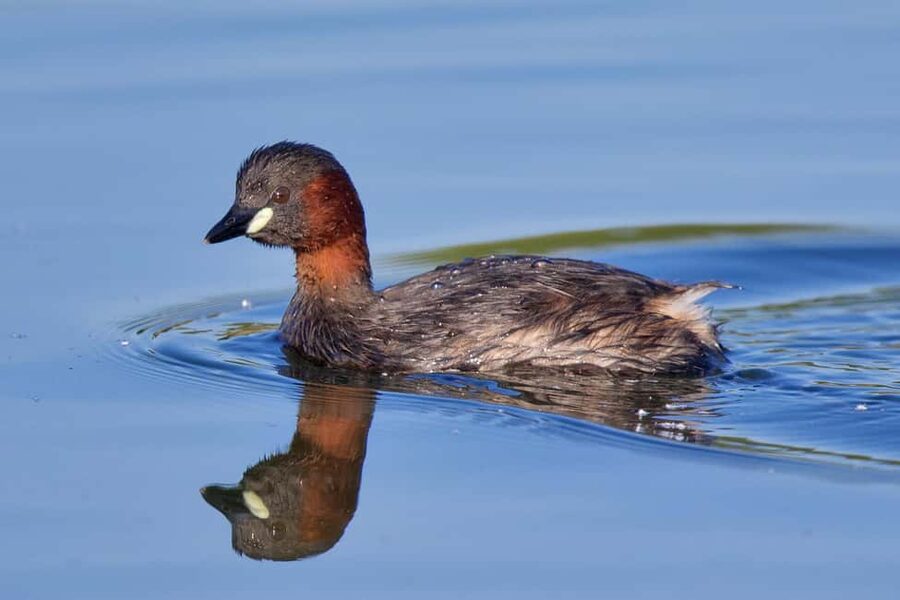
The best moments for photography are sunrise and sunset. Soft light can make white egrets, pink flamingos, and reflective water easier to photograph than harsh midday sun.
You should bring a camera, but keep expectations sensible. Birds can remain far from the viewpoint, and a phone may not capture much detail. Binoculars are provided for viewing, not described as photographic equipment.
A private group can help if you want to pause for a photograph, but wildlife will not pose on command. The strongest approach is to watch first and photograph second. You may get a better image by staying still than by trying to follow every movement.
Neutral clothing also helps you avoid drawing attention. Slow movement and a respectful distance are more important than expensive equipment.
Who will enjoy this most
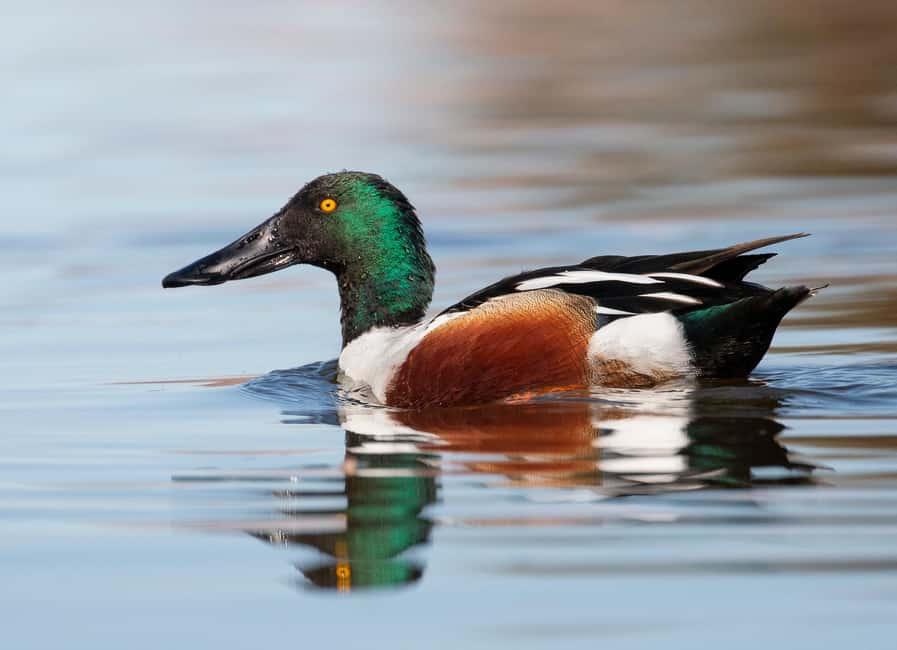
I would recommend this outing to:
- People who want a quiet break from Óbidos’s historic center
- First-time birdwatchers who want help identifying species
- Photographers interested in birds, reeds, water, and changing light
- Nature lovers who enjoy learning how local habitats work
- Couples or small private groups who prefer a calm pace
- Visitors who speak English or Portuguese
I would be cautious about booking it if you have mobility impairments, since the activity is specifically not suitable for people with those needs. You should also reconsider it if you dislike standing or walking slowly while waiting for wildlife.
The tour is not presented as a children’s activity, so the supplied information does not confirm a minimum age or special family arrangements. If you are planning to bring young children, ask the provider about suitability before booking.
Practical details before you go
Wear comfortable shoes and clothing suited to the weather. The lagoon is an outdoor setting, so conditions can affect your comfort even during a short two-hour visit.
Bring a camera if you want photographs. Binoculars are provided, despite the general suggestion to bring them, so confirm this when booking if your own pair is important to you.
The live guiding is available in English and Portuguese. The group type is private, and the activity begins and ends at Porta da Vila according to the stated route.
You can cancel up to 24 hours before the start for a full refund. A reserve-now, pay-later option is also available, which helps if your Óbidos schedule is still changing. Starting times vary, so check availability before you settle your day’s plan.
Should you book the Óbidos Lagoon tour?
Book it if you want a peaceful, well-guided introduction to the lagoon and like the idea of seeing Óbidos beyond its walls. The strongest reasons are the private setting, supplied binoculars, local ecological story, and chance to look for flamingos, spoonbills, kingfishers, and other birds with help from a guide.
Skip it if you need guaranteed sightings, cannot manage the walking requirements, or would rather spend your time inside the town. For everyone else, $47 buys a focused nature outing that adds a quieter and more local side to a visit centered on medieval Óbidos.
FAQ
Where does the Óbidos Lagoon birdwatching tour start?
The tour starts at Porta da Vila in Óbidos.
Where does the tour finish?
The activity returns to Porta da Vila after the visit to Óbidos Lagoon.
How long does the birdwatching tour last?
The experience lasts two hours.
Is the tour private?
Yes. The group type is private.
Which languages are available?
The live tour guide speaks English and Portuguese.
Are binoculars provided?
Yes. Binoculars are provided for the birdwatching activity.
What birds might I see?
Possible sightings include flamingos, great egrets, Eurasian spoonbills, cormorants, kingfishers, little grebes, northern shovelers, common kestrels, and grey herons.
What should I bring?
Bring comfortable shoes, a camera, and clothing suited to the weather. Neutral colors are recommended.
Is the tour suitable for people with mobility impairments?
No. The activity is not suitable for people with mobility impairments.
Can I cancel for a full refund?
Yes. You can cancel up to 24 hours in advance for a full refund. A reserve-now, pay-later option is also available.
Newest birding reviews around Portugal
- Vila Franca do Campo: Marine Life & Bird Watching & Islet Tour★ 4.4 · 9 reviews
- Visit to Madeira Bird Island★ 4.6 · 22 reviews
- Azores Marine Birdwatching Expedition w/ Biologist Guide★ 4.5 · 19 reviews
- Birdwatching Private Tour at Fascinating Salgados Lagoon★ 5.0 · 6 reviews
- Private Birdwatching from Porto★ 5.0 · 33 reviews
- Birdwatching day around Sagres★ 5.0 · 3 reviews
- Bird Watching in Albufeira Lagoon★ 5.0 · 2 reviews
- Birdwatching at Ria de Alvor★ 5.0 · 2 reviews
Wetland & Lagoon Birding, side by side.
Eco-Friendly Ria Formosa Bird Watching in Solar Boat
Read our review →
Ria Formosa Natural Park Segway Tour & Birdwatching
Read our review →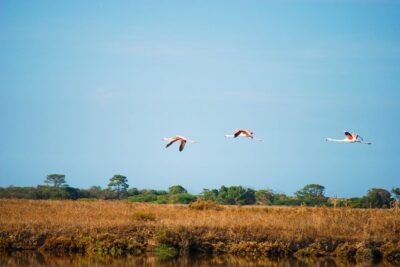
Ria Formosa Natural Park Birdwatching Segway Tour from Faro
Read our review →
Two-Hour Everglades Dolphin, Manatee and Birding Boat Tour
Read our review →
Tagus Estuary Nature Reserve Birdwatching Boat Tour
Read our review →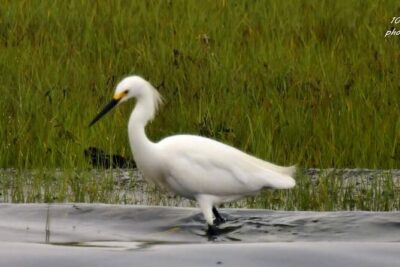
Wetlands Safari Eco-Cruise in Cape May (Osprey Birding By Boat)
Read our review →
Everglades Birding, Dolphin and Wildlife Boat Tour (2 hours)
Read our review →
Desembocada and Ameca River Bird Paradise (Wetland and Tropical birds in PV)
Read our review →Lists this trip turns up in