
REVIEW · ARUBA
Spanish Lagoon Mangrove Trail & Bird Watching
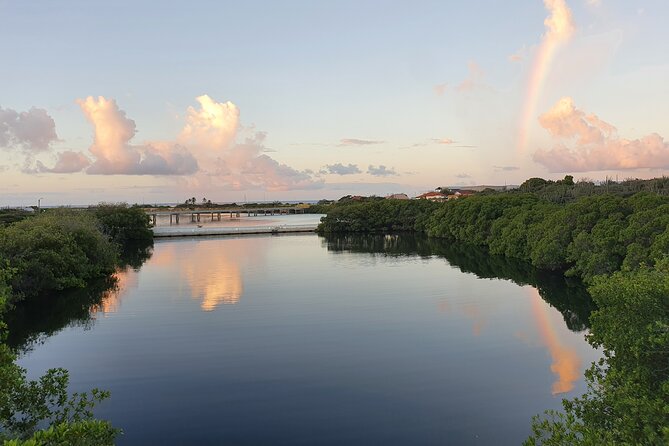
Aruba’s Spanish Lagoon gives you a side of the island that beach time cannot provide. On this morning hike, you follow mangrove trails, look for the burrowing owl at its Shoco nests, and pass shell middens dating to 1465 BC before reaching the old Balashi gold mill ruins. The mix of birds, archaeology, and local stories makes this more than a simple nature walk.
I like the small-group setting, with no more than 10 people and a private-tour format that allows guides such as Jorge or Rambo to adjust the pace. I also like the practical extras: water and fruit are included, and you can add lunch at Ricardo’s Restaurant & Bar overlooking Eagle Beach.
The main caution is the trail itself. This is an intermediate hike, not a flat stroll, and one family found its 6-year-old needed occasional help. Wear comfortable clothing, bring bug spray, and pack binoculars if you have them.
Key points to know before booking
- Ancient shell middens: See evidence of human activity around Spanish Lagoon dating back to 1465 BC.
- Early bird watching: The morning start gives you a good chance to spot birds, including Aruba’s burrowing owl, known locally as the Shoco.
- Mangrove and mine combination: The route pairs a quiet coastal wetland with Balashi’s old gold-smelting ruins.
- Local guides matter: Jorge and Rambo are noted for patient help, trail knowledge, and strong storytelling.
- Moderate physical effort: The walk can tire younger children, and bug spray is a sensible part of your kit.
- Optional beach lunch: Add a meal at Ricardo’s for ocean views over Eagle Beach after the hike.
Why Spanish Lagoon makes a strong morning outing
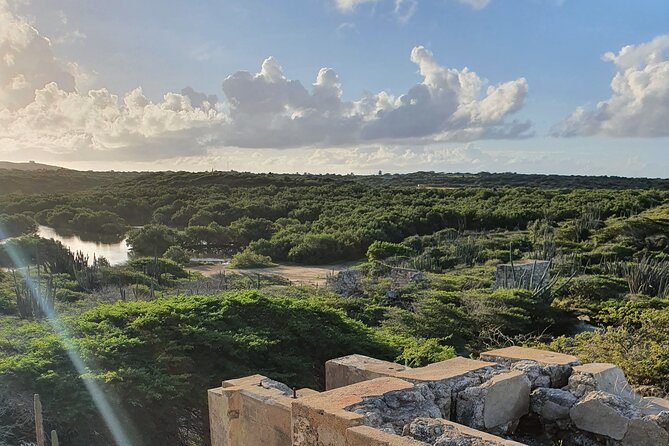
If you picture Aruba only as sun, sand, and resort pools, Spanish Lagoon will reset your expectations. The lagoon’s mangroves create a quieter setting where the focus shifts to bird calls, old paths, archaeological traces, and the changing shape of the waterway.
The 7:30 a.m. start is useful for two reasons. You get out before the strongest heat of the day, and early morning is a sensible time for bird watching. The quiet timing also gives the hike a calmer feel than a busy sightseeing stop later in the day.
This is not a polished attraction with signs at every turn. Your guide supplies much of the meaning. At the shell middens, for example, the important point is not just that shells are scattered on the ground. They show how people used the area long before modern Aruba took shape. Having a guide explain what you are seeing turns an easy-to-miss pile of shells into a real piece of the island’s past.
You can expect a morning lasting about two to three hours. Water and fruit are included, which is helpful in Aruba’s heat, but you should still arrive prepared for outdoor exercise. Pickup is offered, though the stated meeting point is at TeleAruba in Pos Chiquito.
More Wetland and Lagoon Birding in the world:
- Faro: Eco-Friendly Ria Formosa Bird Watching in Solar Boat
★ 4.7 · 359 reviews - Faro: Ria Formosa Natural Park Segway Tour & Birdwatching
★ 4.9 · 180 reviews - Ria Formosa Natural Park Birdwatching Segway Tour from Faro
★ 5.0 · 164 reviews
Starting at Pos Chiquito and the old bridge
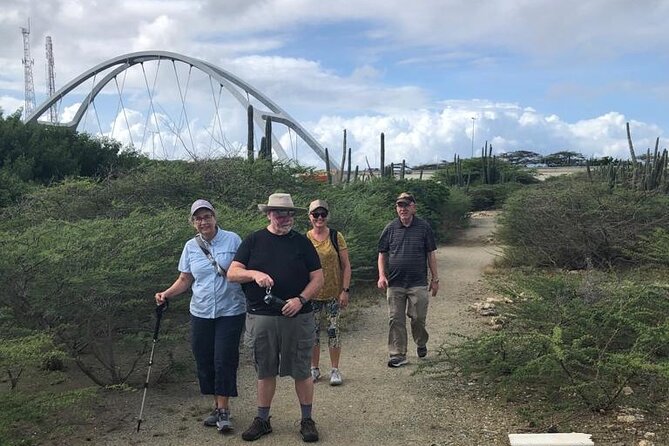
The tour begins at the local television sender, TeleAruba, in Pos Chiquito. From there, you start walking along Spanish Lagoon and go up toward the old bridge.
This first section gives you an early view of where the lagoon begins. The old bridge is useful as a vantage point, letting you look across the waterway before the trail drops closer to the mangroves. It is a short opening section, listed at about 30 minutes, but it helps you understand the area’s layout before the longer walk.
I would pay attention here to the guide’s introduction. This is where you get the basic story of Spanish Lagoon, the route ahead, and the connection between the lagoon, the old roads, and the later gold-mining sites. A good guide can make this first half-hour feel like orientation rather than simply walking to the next stop.
The beginning is also a good test of pace. If you find the early climb or uneven path tiring, tell your guide before continuing. The small group and private format should make it easier to ask for a slower pace or a short pause.
Following the mangrove trail through Spanish Lagoon
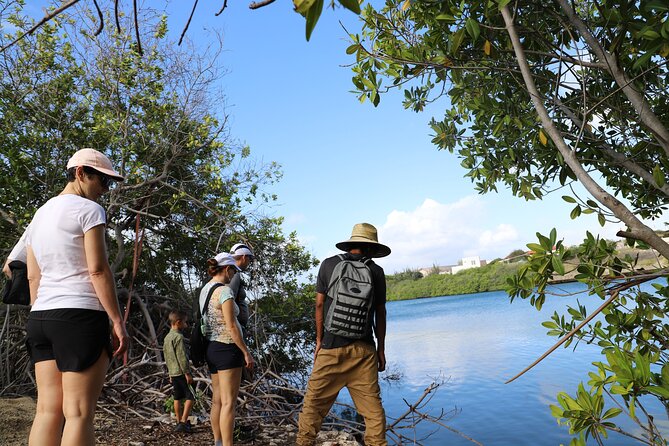
The main portion takes about an hour and a half. After passing under the new bridge, you continue along the Spanish Lagoon mangrove trail.
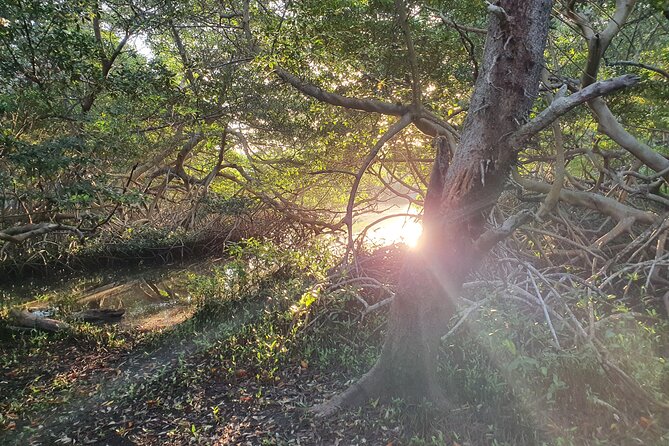
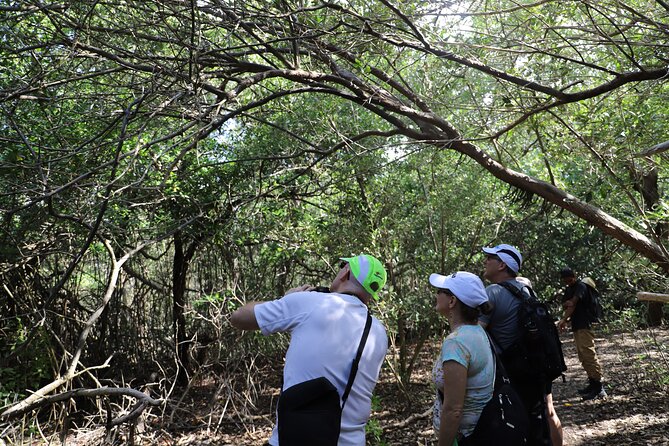
Mangroves are valuable not only because they look different from Aruba’s dry inland areas, but because they form a sheltered wetland for birds and other wildlife. You will have a better chance to notice movement and sound if you keep your pace steady and avoid rushing from one point to the next.
Bird watching here is not a guarantee of a particular list of species. That is part of the nature of the activity. Still, the morning timing and mangrove setting create the right conditions for spotting local birds, and the burrowing owl is the prize many people hope to see.
The Shoco, Aruba’s burrowing owl, is associated with underground nests rather than the high tree nests many people expect from owls. The tour includes a chance to look for the owl at its Shoco nests. Bring binoculars if you have them. They are not listed as included, and they can help you inspect a distant bird without crowding the nest area.
You should also expect the guide to point out more than wildlife. The route passes one of Aruba’s oldest aloe farms at the top of the trail before heading back down to meet the trail again. That detail adds a farming story to the walk. Aloe is strongly associated with Aruba, so seeing an old farm site gives you a useful link between the island’s natural setting and its working past.
The trail has a few practical demands. Comfortable clothes and bug spray are important, and the walk is best treated as an intermediate hike. A family completed it with children aged 8 and 6, but the younger child became tired and needed occasional piggyback rides. That makes the tour possible for families, but not necessarily easy for every child.
Shell middens and the oldest stories on the route
The shell middens are among the most unusual parts of the experience. Dating to 1465 BC, they push your attention far beyond Aruba’s colonial and mining periods.
A midden is an accumulation of discarded shells and other remains from human use. You do not need a background in archaeology to appreciate the point. These traces show that the lagoon was useful to people thousands of years ago, long before bridges, television stations, or organized tourism reached the area.
This is where a guide adds real value. Without explanation, you might walk past the archaeological evidence without recognizing it. With someone like Jorge or Rambo describing the site and its setting, the walk becomes a lesson in how people used the island’s coastal resources over time.
The archaeological sites are not presented as a large museum-style display. Keep that expectation in check. You are seeing outdoor remains in their natural setting, so the experience depends on your guide’s explanation and your willingness to look closely.
A few more birding trips around the world worth a look
- Penguin Parade, & Wildlife Encounters Eco Tour from Melbourne
★ 5.0 · 3,774 reviews - Cape Town: Cape of Good Hope & Penguins Day Tour with Pickup
★ 4.7 · 3,362 reviews - Cape Point and Boulder’s Penguins Full Day Tour
★ 5.0 · 3,118 reviews - Cape of Good Hope & Boulder Penguins Full-Day Tour from Cape Town
★ 5.0 · 2,347 reviews
Balashi Gold Mill Ruins and Frenchman’s Pass
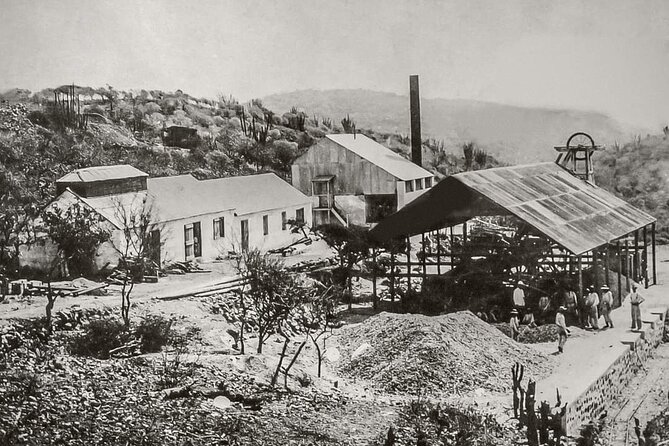
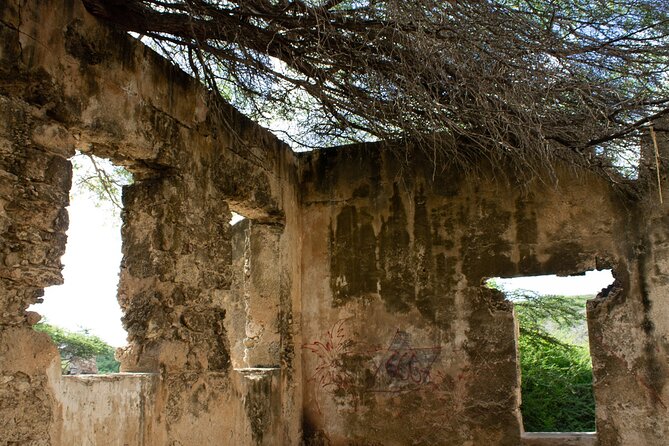
The final listed stop is the old Balashi Gold Smelter Ruins, reached after the lagoon walk. The visit lasts about 30 minutes and provides a sharp change from mangrove trail to industrial ruin.
Balashi’s gold-mining remains help explain another chapter of Aruba’s past. The ruins are tied to the old gold-smelting operation, and the site sits next to Frenchman’s Pass. Your guide also tells the story of the pass, including its haunted reputation.
That local tale adds a lighter, more memorable note to the historical visit. It is not just a pile of old walls. The guide connects the ruins, the pass, the water source, and the people who worked in this part of the island.
Rambo received especially strong praise for helping people through the hike and making the route easier to manage. Jorge is also a useful name to know if you are hoping for a guide who combines outdoor guidance with stories about the places you see. Guide assignments can vary, so you should not assume a particular person is guaranteed unless the operator confirms it.
The ruins are a good reason to choose this tour over a bird-only walk. You get nature, archaeology, local folklore, and industrial history in one compact morning. The tradeoff is that anyone wanting a long, slow birding session may find the route moves on to several different subjects.
What the private format means at $90
The price is $90 per person. That is not the cheapest way to take a walk in Aruba, but the value depends on what you want from the morning.
You are paying for a guided experience rather than simple access to a trail. The route includes several places that can be hard to interpret on your own: the shell middens, the old aloe farm, Frenchman’s Pass, and the gold mill ruins. You also receive water and fruit, and pickup is offered.
The maximum group size is 10 people, and the experience is described as private. That combination points to a more personal outing than a large coach excursion. It should be easier to ask questions, stop for a bird, or discuss the archaeological sites without being lost in a crowd.
The optional lunch can add to the value if you want to keep the morning organized. Ricardo’s Restaurant & Bar overlooks Eagle Beach, giving you a chance to follow the hike with a meal and ocean views. Lunch is not included in the base price, so check the added cost before choosing the upgrade.
I would book this at $90 if you care about local interpretation and want several types of sightseeing in one outing. I would think twice if your main goal is a long, strenuous hike or a dedicated birding expedition with specialist equipment.
Who will enjoy the hike most
This outing fits active visitors who want more than a resort view of Aruba. It is particularly well suited to people who enjoy history but prefer to encounter it outdoors rather than inside a museum.
Families can manage the route, as shown by the experience of one group with children aged 8 and 6, but you should judge your children’s hiking stamina honestly. The younger child in that group tired enough to need extra help. Comfortable shoes, water, and a relaxed attitude will matter more than speed.
Bird watchers will appreciate the early start and the chance to look for the Shoco. Bring binoculars if you own them. You should also accept that wildlife sightings depend on conditions and timing, even with a guide who knows the area.
The tour suits first-time visitors who want context. A guide can connect the lagoon, old farming, archaeological remains, gold processing, and local folklore in a way that a quick independent stop probably will not.
It is less suitable for anyone seeking a fully effortless activity. The route is described as an intermediate hike, and the need for bug spray tells you this is an outdoor trail rather than a paved attraction.
Timing, pickup, and simple preparation
The stated start time is 7:30 a.m. Pickup is offered, while the listed meeting point is TeleAruba in Pos Chiquito. Confirm the exact pickup arrangement when you book so you know if you are meeting the guide there or being collected elsewhere.
Plan on two to three hours for the experience itself. The itinerary gives about 30 minutes at Pos Chiquito, 90 minutes on the Spanish Lagoon trail, and 30 minutes at the Balashi ruins. Add extra time if you choose the optional lunch afterward.
Wear comfortable clothing suited to walking outdoors. Bug spray is specifically worth bringing, and binoculars can improve the bird-watching part. Water and fruit are supplied, but you should still avoid starting the morning unprepared for heat and exertion.
Service animals are allowed, and most people can participate. The activity has a maximum of 10 people. Free cancellation is available if you cancel at least 24 hours before the start time. Changes or cancellations inside that window are not accepted for a refund.
Should you book Spanish Lagoon Mangrove Trail?
Book it if you want a small-scale Aruba outing that combines mangroves, birds, archaeology, old industry, and local stories. The shell middens dating to 1465 BC and the chance to see the Shoco give the morning genuine character, while guides such as Jorge and Rambo can make the uneven trail far easier to understand and manage.
Think twice if you want a flat walk, guaranteed owl sightings, or a long birding session with no historical stops. At $90, the tour earns its price through personal guiding and the number of distinct sites covered, not through luxury.
For most active visitors, this is a worthwhile change of pace from Eagle Beach. Add the optional lunch if you like the idea of ending the morning with an ocean view, and give yourself enough time to enjoy the trail rather than racing through it.
FAQ
Where does the tour begin?
The listed meeting point is the TeleAruba local TV sender in Pos Chiquito.
What time does the tour start?
The start time is 7:30 a.m.
How long does the experience last?
The tour takes approximately two to three hours.
What is the price?
The listed price is $90 per person.
Is pickup available?
Yes, pickup is offered.
What is included in the tour?
Water and fruit are included.
Is lunch included?
No. Lunch is optional and can be added at Ricardo’s Restaurant & Bar overlooking Eagle Beach.
Can I see Aruba’s burrowing owl?
The tour includes a chance to look for the burrowing owl, known locally as the Shoco, at its nests. A sighting is not guaranteed.
How large is the group?
The activity has a maximum of 10 travelers and is described as a private tour.
Is the tour suitable for children?
Most people can participate, and children have completed the hike. However, the trail is considered intermediate, and a 6-year-old on one outing became tired and needed occasional help.
What should I bring?
Wear comfortable clothing, use bug spray, and bring binoculars if available. Water and fruit are provided.
Can I cancel for a full refund?
Yes, you can cancel for a full refund up to 24 hours before the experience starts. Cancellations or changes made less than 24 hours before the start time are not refunded.
Newest birding reviews around the world
- Walvis Bay Shore Excursion: Flamingos, Dune 7, Swakopmund★ 5.0 · 3 reviews
- VIP falconry taster session★ 5.0 · 2 reviews
- Vila Franca do Campo: Marine Life & Bird Watching & Islet Tour★ 4.4 · 9 reviews
- York: Entry to York bird of prey centre★ 5.0 · 7 reviews
- Ushuaia: Gable Island and Penguin Colony with Lunch★ 4.8 · 2 reviews
- Vestmannaeyjar: Puffin, Island, and Volcano Boat Tour★ 4.4 · 7 reviews
- Visit to Madeira Bird Island★ 4.6 · 22 reviews
- USHUAIA | Navigation: Sea Lions, Birds and Lighthouse★ 3.3 · 4 reviews
Wetland & Lagoon Birding, side by side.
Eco-Friendly Ria Formosa Bird Watching in Solar Boat
Read our review →
Ria Formosa Natural Park Segway Tour & Birdwatching
Read our review →
Ria Formosa Natural Park Birdwatching Segway Tour from Faro
Read our review →
Two-Hour Everglades Dolphin, Manatee and Birding Boat Tour
Read our review →
Tagus Estuary Nature Reserve Birdwatching Boat Tour
Read our review →
Wetlands Safari Eco-Cruise in Cape May (Osprey Birding By Boat)
Read our review →
Everglades Birding, Dolphin and Wildlife Boat Tour (2 hours)
Read our review →
Desembocada and Ameca River Bird Paradise (Wetland and Tropical birds in PV)
Read our review →Lists this trip turns up in