
REVIEW · JAPAN
Wild Bird Sanctuary Forest Guided Tour in Nagano
Karuizawa’s Wild Bird Sanctuary is less about ticking birds off a list than learning how a living forest works. On a gentle two-hour walk, you look for birds, Japanese squirrels, montane brown frogs, insects, and the small signs that reveal where animals feed and shelter. Guides such as Ogucchan and Mr. Bug bring warmth and plenty of forest lore.
I like the quiet setting and the way the tour treats the whole forest as the subject, not just the birds. I also like the price: at $16.42, it is an inexpensive way to spend two hours with a naturalist guide. The main consideration is language and pace. Tours run in Japanese with basic English, and a mixed-age group may move slowly.
Key points to know before you book
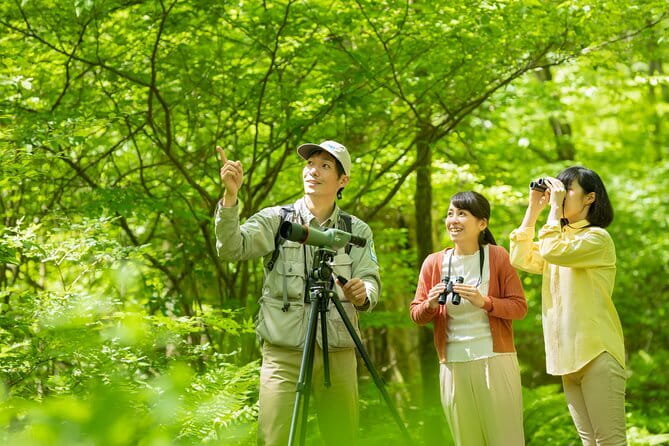
- Look beyond birds: The walk may include Japanese squirrels, montane brown frogs, insects, plants, and lessons about forest ecosystems.
- Two hours on foot: Expect a leisurely nature walk rather than a strenuous hike or fast birding session.
- Japanese with basic English: Guides explain the essentials in English, but the amount of English can vary.
- Binoculars cost 300 yen to rent: You can bring your own or arrange rental equipment for the tour.
- Weather can change the plan: Poor weather may lead to a new date or a full refund, and guides have adjusted routes during heavy rain and snow.
- Small enough to stay personal: The maximum group size is 20 people, with the tour ending where it begins.
What this Karuizawa forest tour is really about
Karuizawa Wild Bird Sanctuary is a good place to slow down. The forest gives you more than a pretty walk. A naturalist guide points out how the woodland functions, how animals use it, and how people in the Karuizawa and Hoshino area try to live alongside nature.
That matters because wildlife watching can be hit or miss. You may see a Japanese squirrel or hear several bird species, but no guide can promise a particular animal. The stronger guarantee is a closer look at the forest itself. You learn to notice movement, calls, insects, vegetation, and the links between them.
I like this approach. It keeps the experience worthwhile even when bird activity is quiet. On one outing, the main reward may be birds. On another, it may be a frog, an insect, or a clear explanation of how vegetation changes over time.
The tour lasts about two hours and follows a leisurely route through the sanctuary. This is not presented as a demanding trek. Most people can take part, and the pace works for a broad range of ages. If you want a fast, serious birding session, the relaxed speed may test your patience. If you want time to look and ask questions, it is a strength.
More Bird Sanctuaries and Parks in the world:
- Maleny Botanic Gardens Bird Aviary Experience Ticket
★ 4.5 · 579 reviews - Puerto Iguazu: Iguaza Falls Brazilian Side & Bird Park Tour
★ 4.0 · 260 reviews - Niagara Falls, Canada: Bird Kingdom Entry Ticket
★ 4.3 · 243 reviews
Starting at the Wild Bird Sanctuary visitor area
You meet at Karuizawa Wild Bird Sanctuary, at 2148 Nagakura in Karuizawa, Nagano. The site is near public transportation, which makes it easier to add to a day in the Karuizawa area without arranging a complicated transfer.
The setting does much of the work from the first minute. The visitor center is in a quiet forested place, and the tour begins with the sense that you are leaving ordinary town life behind. From there, the guide leads you into the sanctuary on foot.
The route itself is part of the lesson. Rather than moving from one formal attraction to another, you follow woodland paths and pause to examine what is around you. A guide may explain the role of insects, the habits of animals, or the way the forest has changed through land use and natural succession.
You should wear shoes suitable for an outdoor path and dress for the weather. The supplied information does not specify a fixed route or trail surface, so it is sensible to prepare for ordinary forest walking rather than city pavement.
A leisurely search for birds, squirrels, frogs, and insects
The best way to approach this tour is with flexible expectations. You may spot several bird species, but the forest is not a zoo and sightings depend on season, weather, and luck.
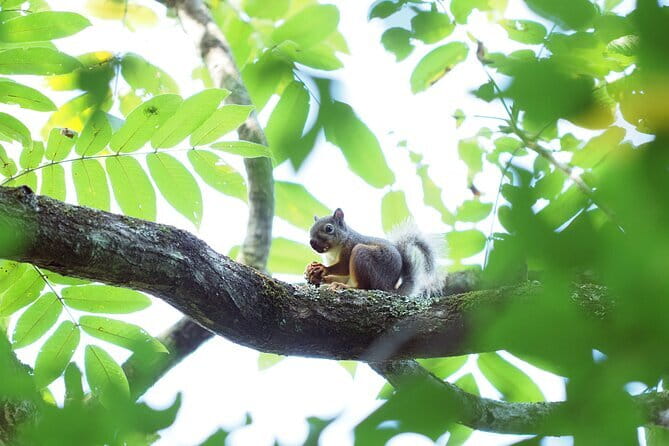
Japanese squirrels are among the wildlife you might find. Montane brown frogs are another possibility. You may also spend time examining insects, plants, and the evidence animals leave behind. This broader focus saves the tour during quieter bird seasons.
If you already enjoy birding, the experience can still work well. You can bring your own binoculars and field guides, or rent binoculars for 300 yen. That small rental fee is useful if you are visiting Japan without carrying optical equipment. It also keeps the activity simple for families and casual nature watchers.
The guide’s job is not only to identify species. You also learn why an animal belongs in a certain part of the forest and how different parts of the ecosystem connect. That turns a sighting into a story with some meaning behind it.
Do not expect constant action. There may be stretches when you hear more than you see. That is normal for a forest walk, and it is one reason the guide’s explanation matters. A quiet period can become interesting when you understand what to listen for and where to look.
How the guides handle language and mixed ages
The tour is guided in Japanese with basic English. English ability can vary depending on the guide, so you should not book this expecting a full English-language lecture on every detail.
That said, the guiding team has shown that it can communicate the essentials and work with international visitors. Ogucchan has been singled out for making the walk fun and informative, while Mr. Bug has made a strong effort to translate explanations for English-speaking participants.
Those details give you a useful sense of the experience. The English may not be polished or continuous, but the tour can still be accessible. You may receive shorter explanations, demonstrations, repeated points, or help with basic identification rather than a long scientific talk in English.
The mixed-age format is another factor. Children and older adults can take part, and the pace may slow when the group includes very young participants. I see that as a fair trade for a tour designed to include more than expert birders.
If your priority is precise species identification and rapid movement between sightings, ask about a private tour. A three-hour private nature tour has also been available through the same wildlife center, but the experience described here is the shared two-hour walk with a maximum of 20 participants.
More Guided Tours in the world:
- Puffin Cruise with Expert Tour Guide from Reykjavik
★ 4.5 · 636 reviews - 2 Hours Guided Whale and Bird Boat Tour in Bay Bulls
★ 5.0 · 557 reviews - Guided Evening Penguin Viewing Otago Peninsula, Dunedin, New Zealand
★ 5.0 · 471 reviews - Húsavík: Whale-Watching Cruise and Puffins Guided Tour
★ 4.6 · 444 reviews
Rain, snow, and changing forest conditions
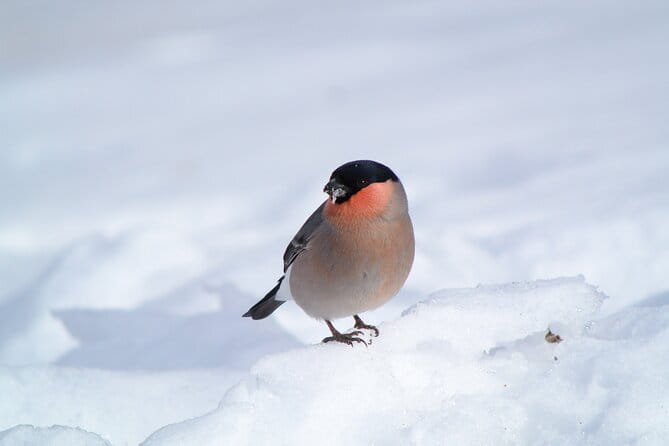
This is an outdoor activity, so weather affects the day. The experience requires good weather, and if poor conditions force cancellation, you can choose another date or receive a full refund.
A little bad weather does not always end the outing. Guides have adjusted the tour during heavy rain, finding ways to keep the forest visit informative and comfortable. Snow has also been part of the experience, with snowshoe gear provided when conditions called for it.
That flexibility is helpful, but you should still arrive prepared for the forecast. The exact gear available can depend on the conditions, so do not treat the tour as a guaranteed snowshoe outing or a rain walk. The main purpose remains nature watching in the sanctuary.
Weather also changes what you see. Rain, snow, and seasonal shifts affect birds, insects, frogs, and vegetation. A quiet day may reveal a different side of the woodland than a bright, active morning.
Why the $16.42 price offers good value

At $16.42 per person, the tour is priced well for a guided outdoor activity in Japan. Admission and taxes are included, and you get about two hours with a naturalist guide in a protected forest setting.
The value is strongest if you want interpretation rather than a self-guided stroll. You could walk through a natural area on your own, but you would miss much of the explanation about the animals, plants, forest structure, and local efforts to live alongside nature.
The price is also low enough to suit a wider range of plans. You can pair the tour with other Karuizawa activities without committing a large share of your sightseeing budget. Since the tour ends back at the meeting point, there is no extra transportation arrangement at the end.
Binocular rental is not included, but 300 yen is a modest extra cost. Coffee and tea are not included either, so plan those separately if you want a drink before or after the walk.
The tour is often reserved well ahead of time, with bookings averaging 58 days in advance. That suggests you should not leave it until the final day of a busy Karuizawa visit, especially if you need a particular date.
Who will enjoy this two-hour walk most
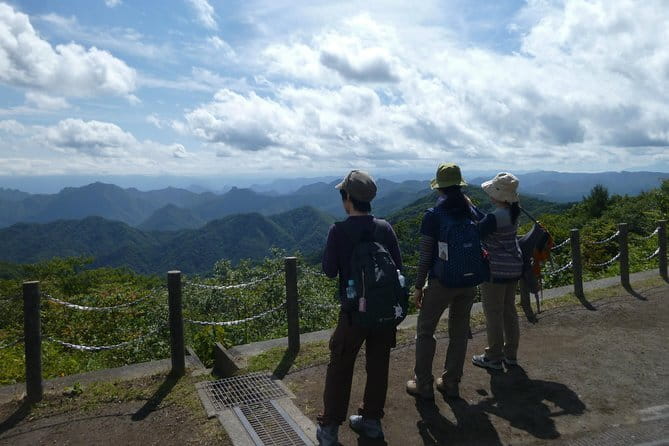
I would choose this tour for you if you like nature but do not need constant wildlife sightings. It suits families, first-time bird watchers, casual walkers, and people who want a calmer break from town sightseeing.
It is also useful for experienced birders who enjoy learning about habitat, not just collecting sightings. Bring your own binoculars and field guide if you want to work independently while still benefiting from the guide’s local knowledge.
The tour may be less suitable if you need a fully English-language program. Basic English is available, but the guide’s ability varies. It may also disappoint anyone expecting a strenuous hike, a private guide, or guaranteed close views of birds.
Photography is possible in the sense that you are walking through a scenic forest, but the information does not promise special photography stops or guaranteed animal encounters. Bring a camera if you enjoy making your own discoveries, but keep the focus on watching and listening.
Practical details that affect your decision
The tour uses a mobile ticket, and confirmation is sent within 48 hours of booking, subject to availability. You meet at the sanctuary and return to that same meeting point.
The maximum group size is 20 people. That is not an intimate private walk, but it is still small enough for a guide to address the group and point out features along the route. The actual feel will depend on how many people book your departure.
Free cancellation is available up to 24 hours before the start time. Changes or cancellations made less than 24 hours ahead are not refunded, and changes are not accepted inside that period. Cut-off times follow local time in Japan.
The flexible cancellation rule is useful when planning around weather, but it does not remove the need to watch the forecast. If the provider cancels because of poor weather, you are offered another date or a full refund.
Should you book the Karuizawa Wild Bird Sanctuary tour?
Book it if you want a low-cost, gentle introduction to Karuizawa’s woodland and are happy to treat wildlife sightings as a bonus rather than a promise. The guide’s explanations, the quiet setting, and the chance to learn about animals beyond birds give the two hours real substance.
I would be more cautious if your English needs are high or if you want a fast-paced birding expedition. In that case, confirm the language situation before booking, bring binoculars, and consider asking about a private option.
For most people spending time in Karuizawa, this is an easy nature outing with a strong price-to-experience ratio. You leave with more than a few possible sightings. You gain a clearer sense of how the forest fits together.
FAQ
How long does the Wild Bird Sanctuary Forest Guided Tour last?
The tour lasts approximately two hours, including the guided walk through Karuizawa Wild Bird Sanctuary.
Where does the tour begin and end?
The tour begins at Karuizawa Wild Bird Sanctuary, 2148 Nagakura, Karuizawa, Nagano 389-0111, Japan. It ends back at the same meeting point.
Is the tour offered in English?
The tour is guided in Japanese with basic English. The amount of English may vary depending on the guide.
Can I rent binoculars?
Yes. Binoculars can be rented for 300 yen for the duration of the tour. Coffee and tea are not included.
How many people can join the tour?
The maximum group size is 20 people.
What happens if bad weather cancels the tour?
If the activity is canceled because of poor weather, you can choose a different date or receive a full refund. You can also cancel up to 24 hours before the start time for a full refund.
Newest birding reviews around the world
- Bird Watching Tours in Samarkand★ 3.6 · 3 reviews
- Birdwatching in Guatapé with Around 400 Bird Species★ 5.0 · 2 reviews
- Cocora Valley: Route of the Hummingbirds + breakfast & lunch★ 4.9 · 6 reviews
- Best of Cape Private Tour Cape Point+Penguins+Table Mountain★ 5.0 · 2 reviews
- Barbados: Bird Watching Experience★ 5.0 · 2 reviews
- Birding Medellin with expert bird-watcher (Private)★ 5.0 · 17 reviews
- Big Island: Native Bird Watching & Hiking Tour★ 5.0 · 5 reviews
- Bird Creek: Chugach State Park ATV Nature Tour & Hike★ 5.0 · 2 reviews
Bird Sanctuary & Park Visits, side by side.

Maleny Botanic Gardens Bird Aviary Experience Ticket
Read our review →
Niagara Falls, Canada: Bird Kingdom Entry Ticket
Read our review →
Tagus Estuary Nature Reserve Birdwatching Boat Tour
Read our review →
Montego Bay: Marijuana Farm and Bird Sanctuary Tour
Read our review →
Lists this trip turns up in