
REVIEW · NEW ZEALAND
Dunedin City Highlights, Otago Peninsula Scenery & a Guided Penguin Reserve Tour
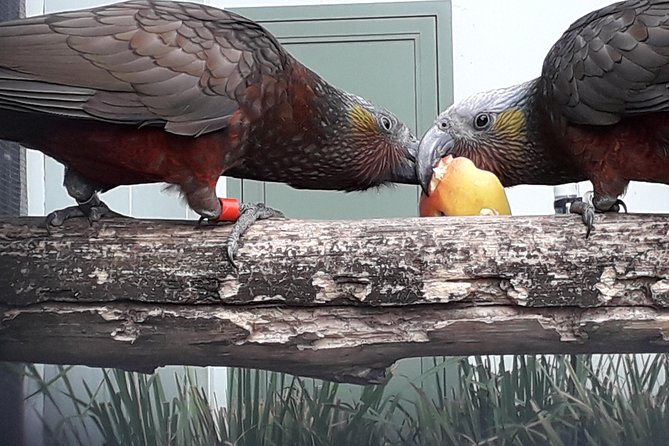
The best part of this tour is the change of scene: one moment you are photographing Dunedin’s grand stone buildings, and soon after you are following the winding roads of the Otago Peninsula toward a private penguin reserve. The reserve supports endangered yellow-eyed penguins, so this is not a guaranteed wildlife show. It is a chance to learn about conservation and perhaps see penguins, seals, or sea lions in a natural setting.
I like the useful mix of city sights and countryside, especially the Botanic Garden and the many photo stops along the peninsula. I also like the small-group format, with a maximum of 18 people and pickup from Port Chalmers or Dunedin. The main drawback is the vehicle: most rides are comfortable, but some departures have used older, tight minibuses with poor legroom or a bumpy ride.
Key points to know before booking

- Penguin sightings are never guaranteed: You may see little blue penguins, yellow-eyed penguins, seals, or sea lions, but wildlife can stay out of sight.
- The day covers a lot of ground: Dunedin landmarks come first, followed by roughly three hours around the Otago Peninsula.
- The Botanic Garden adds welcome variety: You get a short stroll among plants and bird aviaries rather than only roadside photo stops.
- Guides make a major difference: Teresa, Asta, Warren, Murray, Alda, and Steffan have all led departures, with strong praise for their local stories and care.
- Vehicle quality can vary: Ask about the assigned minibus if comfort, legroom, motion sickness, or back support matters to you.
- The price reflects convenience: At $198.58 per person, you are paying for a full half-day, port pickup, guiding, and the reserve admission.
Why this tour works well in a single day
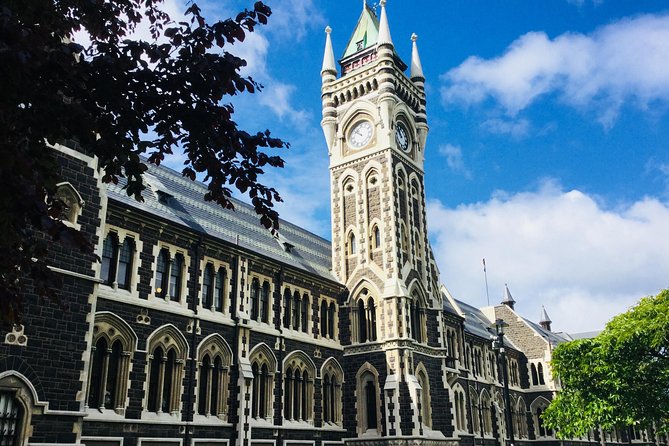
Dunedin and the Otago Peninsula are easy to underestimate. The city has enough architecture and local history for a full morning, while the peninsula requires time on winding roads to reach its best viewpoints and wildlife areas. This tour links both in one outing, which makes sense if you have only one day in port.
The schedule is full rather than leisurely. You get brief city stops, a longer scenic drive, a garden walk, and a guided reserve visit. You will not have hours to browse Dunedin shops or linger at every viewpoint, but you will see a broad slice of the area without arranging several separate rides.
The small-group approach is useful here. A minibus can load and unload faster than a large coach, and it can use narrower roads around the peninsula. The tradeoff is less space and fewer high windows than you would find on a full-size sightseeing bus.
Guides such as Teresa and Asta are particularly important to the experience. Their role is not only to drive but to keep the day moving, explain what you are seeing, and adjust small details when possible. Past departures have included bottled water, sunscreen, tissues, wet wipes, ginger for motion sickness, and other thoughtful touches, though you should not assume every item will be provided on every outing.
More Penguin Tours in New Zealand:
- Oamaru: Penguins Evening Viewing Ticket
★ 4.5 · 682 reviews - Guided Evening Penguin Viewing Otago Peninsula, Dunedin, New Zealand
★ 5.0 · 471 reviews - Dunedin: Wildlife and Penguin Tour
★ 4.6 · 239 reviews
Baldwin Street gives you a quick Dunedin introduction
The first stop is Baldwin Street, known for its extreme slope and short, memorable photo opportunity. You have about 10 minutes here, so think of it as a quick look rather than a long walk.
The point is not to spend half an hour climbing the street. Your guide can help explain why this part of Dunedin is so unusual, and you get a chance to photograph the steep grade and the surrounding houses. Wear shoes with a good grip, since the day includes hills and up to an hour of walking in total.
This stop also sets the tone for Dunedin. The city is often described as having a Scottish feel, with steep streets, stone buildings, and a cool southern climate. Baldwin Street gives you a simple visual reminder that Dunedin is not laid out like a flat coastal town.
The Botanic Garden slows the pace
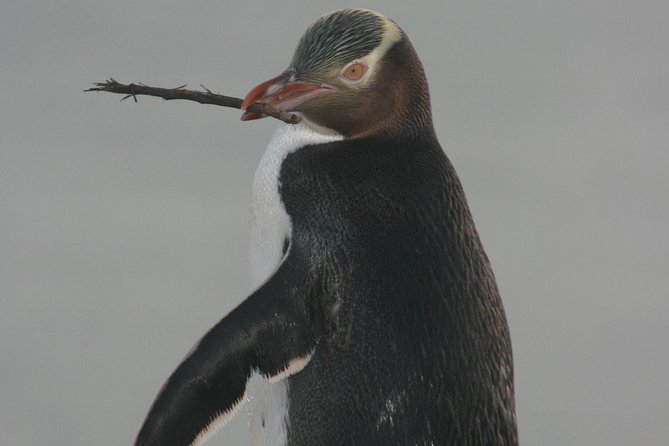
The 20-minute stop at Dunedin Botanic Garden is one of the most useful breaks in the morning. You stroll through the upper garden, see plant collections, and visit bird aviaries. It gives you something to do on foot instead of spending the entire city portion looking through a minibus window.
The garden is especially worthwhile if you enjoy plants and native birdlife. It is not a full garden visit, so you will not cover the whole grounds, but the short walk adds texture to a schedule otherwise built around landmarks and viewpoints.
This is also a practical place to take a breath before the longer peninsula drive. The tour moves quickly, and the garden provides a more relaxed stretch. Comfortable walking shoes are still important because Dunedin’s hills and uneven paths can make a short walk feel more demanding than the distance suggests.
The Otago Peninsula is the main scenic journey
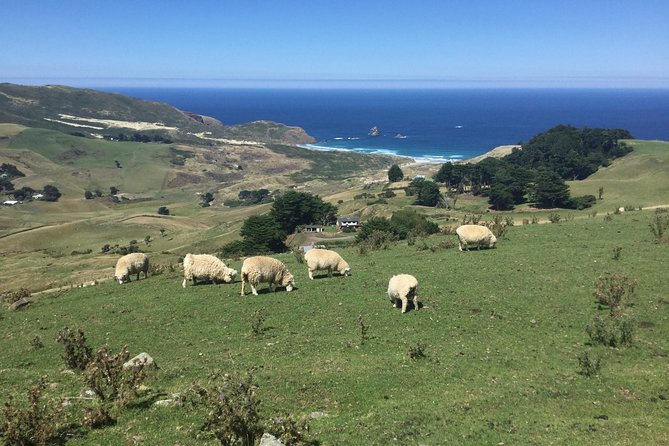
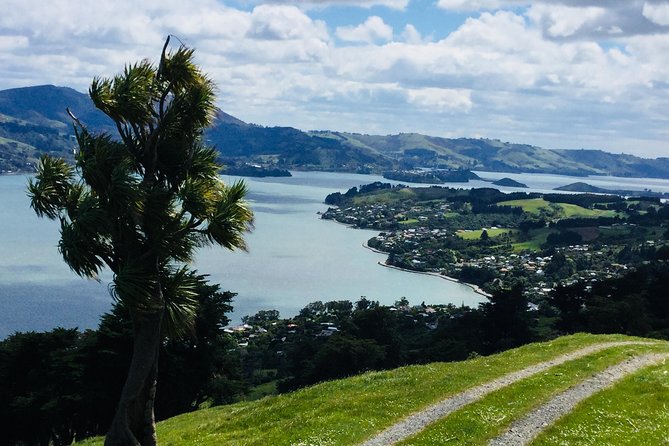
The peninsula receives about three hours, including driving and photo stops. This is where the tour earns much of its appeal. Roads wind through open countryside and coastal settings, with repeated opportunities to stop for views and pictures.
The scenery changes as you leave the city behind. You get broad coastal outlooks, rolling farmland, bays, and roads that rise and fall across the peninsula. Your guide chooses the stops and adds local context, so you are not left guessing what you are looking at.
The long peninsula section is also why this is more than a city tour with a quick wildlife add-on. You spend real time in the surrounding area rather than simply driving to a reserve and back. At the same time, the schedule can feel fast if you want long walks or quiet time at every viewpoint.
Bring a camera with a charged battery and enough storage. You may also want binoculars. The reserve supplies binoculars for the penguin walk, but carrying your own can help at scenic stops and when wildlife is at a distance.
More Guided Tours in New Zealand:
- Dunedin: Otago Peninsula with Guided Penguin Reserve Tour
★ 4.7 · 66 reviews - Guided Tour at Pukorokoro Shorebird Centre
★ 5.0 · 4 reviews - Puffin Cruise with Expert Tour Guide from Reykjavik
★ 4.5 · 636 reviews - 2 Hours Guided Whale and Bird Boat Tour in Bay Bulls
★ 5.0 · 557 reviews
The OPERA reserve is about conservation, not guaranteed sightings
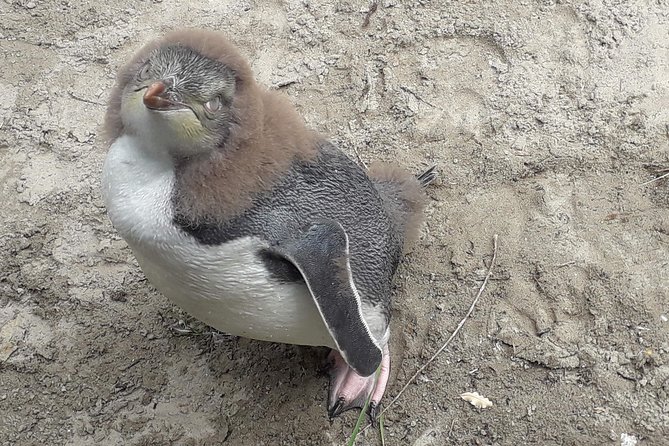
The guided visit to the Otago Peninsula Eco Restoration Alliance, known as OPERA, lasts about 90 minutes and is the emotional center of the day. This is a private reserve connected with efforts to protect endangered wildlife, including yellow-eyed penguins.
You may see yellow-eyed penguins, little blue penguins, seals, and sea lions. Some people have seen little blue penguins in the wild and yellow-eyed penguins at the rehabilitation area. You may also see birds and other wildlife around the wetland and coastal areas.
But you need realistic expectations. Yellow-eyed penguins are rare and shy, and their movements vary by season and time of day. You might see only one at a distance, or none at all. Little blue penguins may be visible in nest areas, while recovering birds in the rehabilitation section can sometimes be seen more closely.
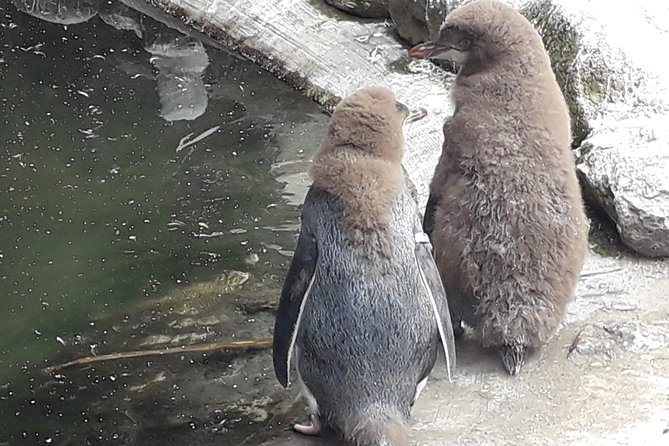
That unpredictability is not a flaw in the reserve. It is the reality of visiting a working conservation area. This is not a zoo filled with animals waiting in predictable viewing spots. Injured or malnourished penguins are cared for until they can return to the wild, and they may leave the rehabilitation area quickly once they recover.
The guided walk also involves uneven ground and some walking up and down hills. The reserve supplies binoculars, which are useful because good views may be distant. Do not plan on taking close-up photographs of every penguin. The value comes from seeing the habitat, learning about the birds’ problems, and supporting the work that protects them.
This portion may disappoint you if your main goal is a guaranteed penguin photograph. If you care about wildlife protection and can accept a quiet, uncertain viewing experience, it is much more rewarding.
Dunedin Railway Station is a final architectural stop
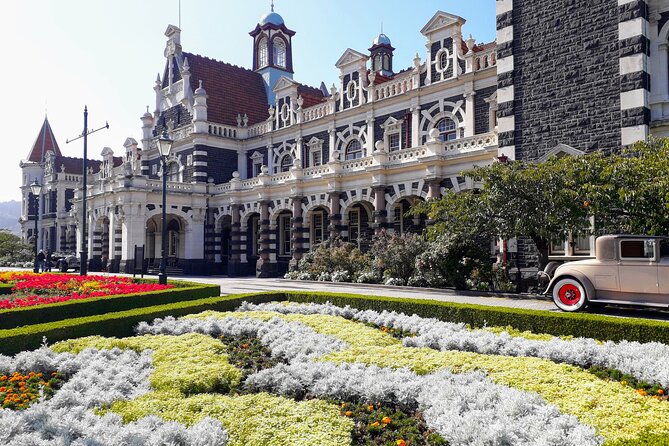
The last listed stop is Dunedin Railway Station, one of New Zealand’s most photographed buildings. You get about 10 minutes to admire the exterior and take pictures.
The station is a strong closing sight because it returns you to the city after the open peninsula roads. Its ornate design fits Dunedin’s old-world character and gives you another chance to photograph the city’s neo-gothic and grand civic architecture.
The stop is short, so do not expect a full station visit or much time inside. It works best as a final snapshot rather than a major museum-style attraction.
Guides add the human side of the day
The strongest part of this experience is often the guiding. Teresa receives especially warm praise for remembering names, explaining timings clearly, and carrying practical supplies such as water, sunscreen, tissues, and ginger. She is also known for explaining both Dunedin’s past and its present life rather than reciting only dates.
Asta has been praised for adapting the day when possible and finding good photo stops. Warren has led informative peninsula drives, and Murray has also been singled out for making a port pickup run smoothly. Alda and Steffan have been described as personable and engaging as well.
That does not mean every guide will have the same style. The common thread is that the guide is central to the experience. A good guide makes the short stops feel worthwhile and helps you understand why the reserve matters.
Flexibility can also help families. Past departures have included stops for coffee, help with a child, and extra drop-offs when timing allowed. These are useful signs of a small operator, but they depend on the day’s schedule and should not be treated as guaranteed services.
The minibus is the main practical concern
The vehicle deserves careful attention before you book. Some departures use Toyota Hiace minibuses seating about 12 or 14 people, while larger Mercedes Sprinter vehicles may also be used. The maximum group size is 18, though the actual number can be smaller.
A smaller vehicle has real advantages. It can use narrower scenic roads, load faster, and make it easier for the group to stop at several viewpoints. One departure had only eight people in a 20-seat bus, which gave everyone plenty of room.
The downside is inconsistency. A few departures used tight or older rental vans with cramped legroom, low windows, little suspension, or a smoky smell. One person found the ride painful and became carsick. Another noted that the back row had less legroom and a rougher ride.
If you are tall, have a bad back, or suffer from motion sickness, contact Fantail Tours before booking and ask what vehicle is expected. Requesting a front or middle seat may also be sensible, though seating arrangements are not specified as guaranteed.
The roads around the peninsula can be winding and uneven. Ginger or other motion-sickness supplies may help, but bring your own medication if you normally need it. A light jacket is also wise, since the weather can change and the tour involves outdoor stops.
Is $198.58 a fair price?
At $198.58 per person, this is not a bargain sightseeing shuttle. It is a full six-hour outing with city guiding, port or city pickup, transportation around the peninsula, multiple photo stops, and admission to a guided wildlife reserve.
I think the price is reasonable if you have one day in Dunedin and want a single organized plan. Booking separate transportation to Baldwin Street, the garden, peninsula viewpoints, and the reserve would take work and could cost more once you add the reserve admission.
The value is weaker if you mainly want a city tour or if you expect a guaranteed close encounter with penguins. The city stops are brief, and wildlife sightings are uncertain. You are paying for access, transport, local commentary, and the chance to visit a conservation project, not for a fixed animal display.
Lunch and snacks are not included. Bring food or buy something before departure if you need more than the supplied water. The start time is 9:30 am, and the tour returns to its meeting point after the outing.
Who should book this experience?
I would choose this tour if you are arriving by cruise ship, have limited time, and want Dunedin plus the peninsula without renting a car. It also suits families who prefer a guide and a varied day rather than a long museum visit.
It is a good match for people who enjoy scenery, photography, local stories, plants, and wildlife conservation. The mix of garden, architecture, coastal views, and reserve time keeps the day from feeling one-note.
I would think twice if you need a spacious coach, dislike bumpy roads, or want a slow pace. I would also avoid booking it with the expectation of seeing many yellow-eyed penguins. The reserve is worthwhile, but nature does not run on a tour timetable.
FAQ
How long does the tour last?
The experience lasts about six hours, with a 9:30 am start time.
Where can I be picked up?
Pickup is available from Port Chalmers or Dunedin city, depending on the arrangement made for your booking.
What is included in the price?
GST and admission to the guided reserve are included. Transportation, guiding, and the scheduled stops are part of the experience.
Are lunch and snacks included?
No. Lunch and snacks are not included, so bring something with you if needed.
Will I definitely see penguins?
No. You might see yellow-eyed penguins, little blue penguins, seals, or sea lions, but wildlife sightings are not guaranteed. Yellow-eyed penguins can be especially difficult to spot.
Is the reserve a zoo?
No. The reserve is a private conservation area and rehabilitation site. Injured or malnourished penguins may be cared for there before release back into the wild.
How much walking is involved?
You should be fit enough to walk up and down hills for up to an hour. The tour includes a garden stroll, outdoor photo stops, and walking at the reserve.
Can I cancel for a full refund?
Yes, if you cancel at least 24 hours before the local start time. Cancellations or changes made less than 24 hours before departure are not refunded. Poor weather or failure to meet the minimum group size may result in another date, another experience, or a full refund.
Should you book it?
Book this tour if you want one well-filled day covering Dunedin, the Otago Peninsula, and a conservation reserve, especially from a cruise port. The guides, scenic driving, garden stop, and variety of photo opportunities give you a useful introduction to the region.
Before paying, make peace with two things: the day can feel rushed, and the minibus may not be luxurious. Most important, book for the chance to learn about endangered penguins and see wildlife in its own setting, not for a guaranteed close-up encounter. That expectation makes the difference between a rewarding day and a disappointing one.
Newest birding reviews around New Zealand
- Akaroa: Wildlife Cruise with Dolphins and Penguins★ 5.0 · 27 reviews
- Clearwater Private Penguin & Wildlife Tour from Port Otago (5hrs)★ 5.0 · 7 reviews
- Iconic Wildlife Tour with Yellow Eyed Penguins & Royal Albatross★ 4.5 · 33 reviews
- Guided Tour at Pukorokoro Shorebird Centre★ 5.0 · 4 reviews
- Private tour from Auckland – Waitomo Glowworm Caves, Zealong Tea & Kiwi Bird★ 5.0 · 20 reviews
- Twilight Wild Kiwi Bird Encounter Private Tour★ 5.0 · 3 reviews
- Bird Watching and Dolphin Eco-Tour to Blumine Island★ 5.0 · 55 reviews
- Dunedin: Otago Peninsula with Guided Penguin Reserve Tour★ 4.7 · 66 reviews
Penguin Tours, side by side.
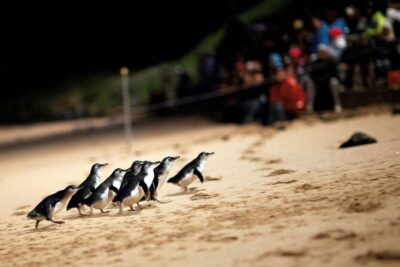
Penguin Parade, & Wildlife Encounters Eco Tour from Melbourne
Read our review →
Cape of Good Hope & Penguins Day Tour with Pickup
Read our review →
Cape Point and Boulder’s Penguins Full Day Tour
Read our review →
Cape of Good Hope & Boulder Penguins Full-Day Tour from Cape Town
Read our review →
Table Mountain, Penguins & Cape Point Small Group Tour Cape Town
Read our review →
Cape Town Tour: Table Mountain, Penguins & Cape Point+Pickup
Read our review →
Lists this trip turns up in