
REVIEW · NEW ZEALAND
Dunedin: Wildlife and Penguin Tour
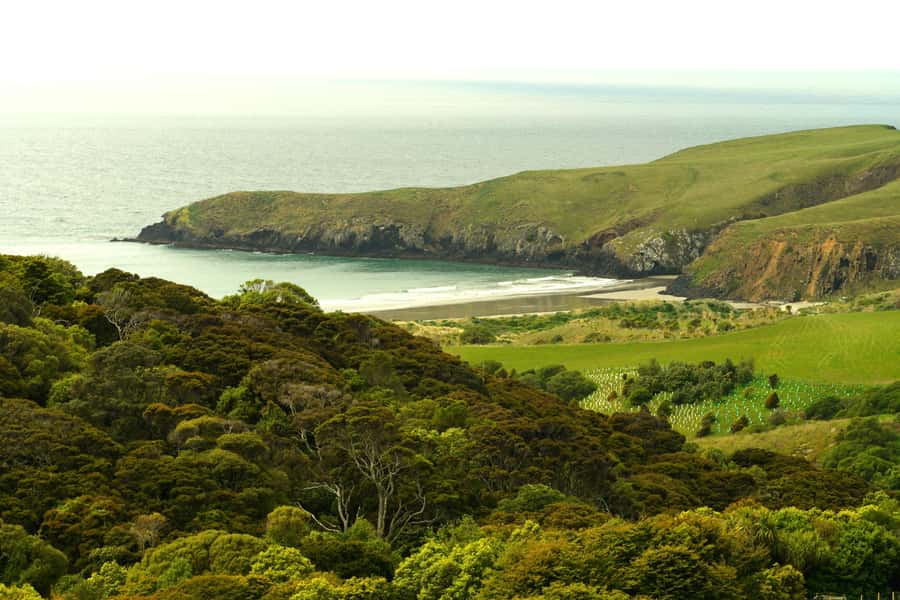
The rarest penguin species in the world is the star here, but this 90-minute eco-reserve tour offers much more than a quick penguin sighting. You’ll learn how The OPERA restores native habitat, visit the rehabilitation centre when penguins are present, then ride by bus into the reserve for a guided walk among seals, sea lions, birds, and coastal plants. I especially like the honest approach: yellow-eyed penguins may not appear, and nobody pretends otherwise.
Two things make this experience appealing. First, your admission supports active conservation rather than simply paying for a wildlife lookout. Second, the guides, including Emma and Eden on some departures, bring real feeling and clear explanations to the work. The main drawback is the same thing that makes the visit responsible: wild penguin sightings are never guaranteed, and the walk is not suited to people with limited mobility or low fitness.
Key points to know before you go
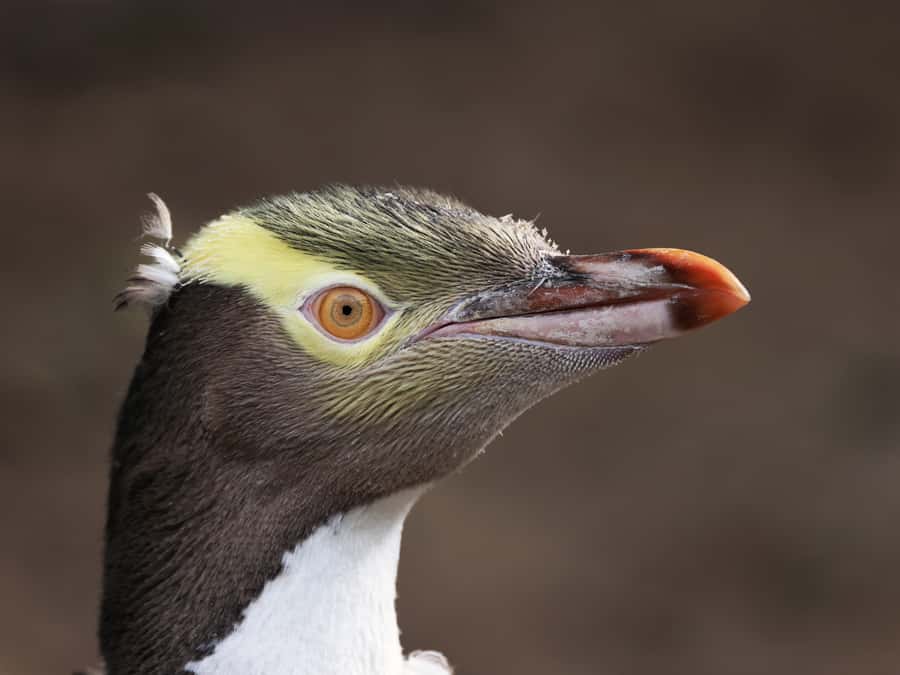
- Yellow-eyed penguins are the main prize: Hoiho numbers are declining, so sightings can change from day to day and season to season.
- The visit has three parts: You’ll watch a conservation presentation, visit the rehabilitation centre when birds are present, then take a bus and walk about 2 kilometres through the reserve.
- The reserve is private: You are visiting protected habitat on the Otago Peninsula, not simply stopping at a public beach lookout.
- Other wildlife can be excellent: Fur seals, New Zealand sea lions, little penguins, and many shore and forest birds may appear.
- Guiding is a strong part of the experience: Guides such as Emma and Eden are praised for their enthusiasm, clear explanations, and willingness to answer questions.
- Come ready for weather and walking: Comfortable shoes, outdoor clothing, binoculars, and a camera are useful. Rain jackets are available.
Why this Otago Peninsula tour is about more than penguins
The OPERA tour gives you a close look at a conservation project built around the Otago Peninsula’s native wildlife. The reserve protects hoiho, also called yellow-eyed penguins, along with kororā, or little penguins, New Zealand fur seals, sea lions, and native birds.
That matters because the yellow-eyed penguin is not an easy animal to see on demand. Numbers are declining, and the birds are sensitive to disturbance. A responsible visit must sometimes mean keeping your distance, accepting a quiet day, or watching a different species instead.
I like that the experience makes this part of the story from the start. You are not promised a staged encounter. Instead, the tour explains why habitat restoration, rehabilitation, and careful visitor behaviour matter. Your ticket also helps support that work, giving the price a purpose beyond transport and guiding.
At $44 per person, the tour is reasonably priced for a 90-minute guided visit that includes a presentation, transport into a private reserve, a nature walk, and access to the rehabilitation centre when penguins are present. It is not the longest wildlife outing on the peninsula, but it offers a focused introduction and a direct connection to conservation.
More Penguin Tours in New Zealand:
- Oamaru: Penguins Evening Viewing Ticket
★ 4.5 · 682 reviews - Guided Evening Penguin Viewing Otago Peninsula, Dunedin, New Zealand
★ 5.0 · 471 reviews - Otago Peninsula In-Depth Tour & Blue Penguins Pukekura Experience
★ 5.0 · 163 reviews
Starting at 45 Pakihau Road
You begin by checking in at reception at 45 Pakihau Road. The visit then starts indoors, which is useful on the Otago Peninsula, where weather can change quickly.
The theatre presentation explains the reserve’s restoration work, the biology and habits of yellow-eyed penguins, and the wider effort to protect every species living on the property. This opening section gives the rest of the visit more meaning. When you later see a penguin nest box, a seal, or a patch of restored habitat, you understand what the team is trying to protect.
The guides are a major part of the experience. Emma and Eden are two names associated with especially warm and informed tours. Their style appears to be conversational rather than rushed, with time for questions and observations along the way. One useful quality is the ongoing commentary during the bus ride, which turns a short transfer into part of the tour instead of dead time.
The rehabilitation centre and its careful limits
The second part is an exclusive visit to the rehabilitation centre, when penguins are present. This can be the best opportunity to see yellow-eyed penguins and other penguin species at close range.
The centre is not a petting area. You cannot touch the animals, and visibility may be limited because the birds’ welfare comes first. That is important to understand before booking. On some visits, the setup may give you only a partial view, and you may wish for a higher or wider viewing point. The tradeoff is less access in exchange for less pressure on the penguins.
The centre can still provide a valuable look at the work behind the reserve. Some visits have included several different penguins, including yellow-eyed penguins, while other experiences have featured birds being released. Those moments are unusual and cannot be scheduled for every group, but they show how rehabilitation fits into the wider conservation effort.
If wild penguins do not appear later in the reserve, the rehabilitation centre may become the main penguin highlight. That does not replace a wild sighting, but it gives you a chance to see the birds and better understand their needs.
Riding into the reserve
After the indoor introduction and rehabilitation visit, you take a short bus ride into the private reserve. The bus makes the tour practical, since you do not need to cover the full distance on foot from the reception area.
The ride also gives your guide time to point out features of the property and explain the animals you may see. A continuous commentary can be especially useful here. Instead of arriving at the walking route with no context, you begin to notice why particular areas matter.
The tour is usually arranged in a small group, which helps the guide respond to questions and manage wildlife viewing. Group size can affect how easily everyone gets a clear look, so the smaller format is welcome. It also supports the quiet behaviour needed around penguins and seals.
A few more birding trips around New Zealand worth a look
- Albatross, seals, and sea birds-Wildlife Cruise
★ 5.0 · 189 reviews - Akaroa: Pohatu Penguins Scenic Nature 2-Hour or 4-Hour Tour
★ 4.9 · 125 reviews - Akaroa: Pohatu Little Penguins 3-Hour Evening Experience
★ 4.8 · 119 reviews - Auckland (Tawharanui): Wild Kiwi Bird Spotting Encounter
★ 4.9 · 78 reviews
The 2-kilometre nature walk
The walk covers approximately 2 kilometres, or 1.25 miles, through the reserve. It is not a long hike for a fit person, but it is still an outdoor walk over natural ground. Comfortable walking shoes and suitable outdoor clothing are essential.
This part gives you the best chance to see the reserve as a living habitat rather than a collection of individual animals. You may encounter native plants, shorebirds, land birds, little penguins, yellow-eyed penguins, fur seals, or New Zealand sea lions.
Guides typically set the pace according to what the group is noticing. If a sea lion is active or birds are visible, you may spend extra time watching. That flexibility is useful for photography and makes the outing feel less like a timed march. Bring a camera, but do not plan on getting a close-up of every species.
The provided binoculars have been especially useful for distant animals. You should bring your own if you have them, but the tour may be able to provide binoculars when needed. Ask at the start rather than assuming every participant will have a pair.
Wildlife you might see
Yellow-eyed penguins are the headline species, but they are not the only reason to visit. They are wild animals, and sightings vary throughout the year and from one day to the next. You might see them approaching the shore, moving through the reserve, or not appear at all.
Little penguins, also called little blue penguins, may be easier to find in nest boxes or other protected spots. Several visits have included little penguins inside their huts, offering a glimpse even when larger penguins stayed out of sight.
New Zealand fur seals and sea lions can provide some of the most reliable excitement. They may be seen close up, and watching their behaviour can be more entertaining than simply ticking a species off a list. Still, these are wild animals. Keep your distance, follow the guide’s directions, and never try to touch or attract them.
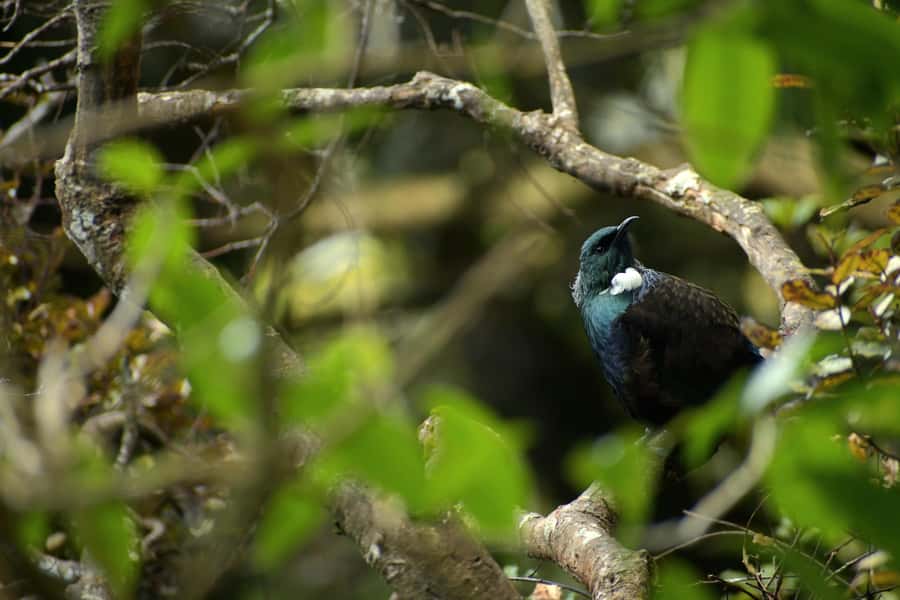
The reserve also supports forest birds, shorebirds, and other native species. A guide who knows the property can point out small details you would likely miss alone, from bird calls to signs of animal activity.
The conservation message is the real value
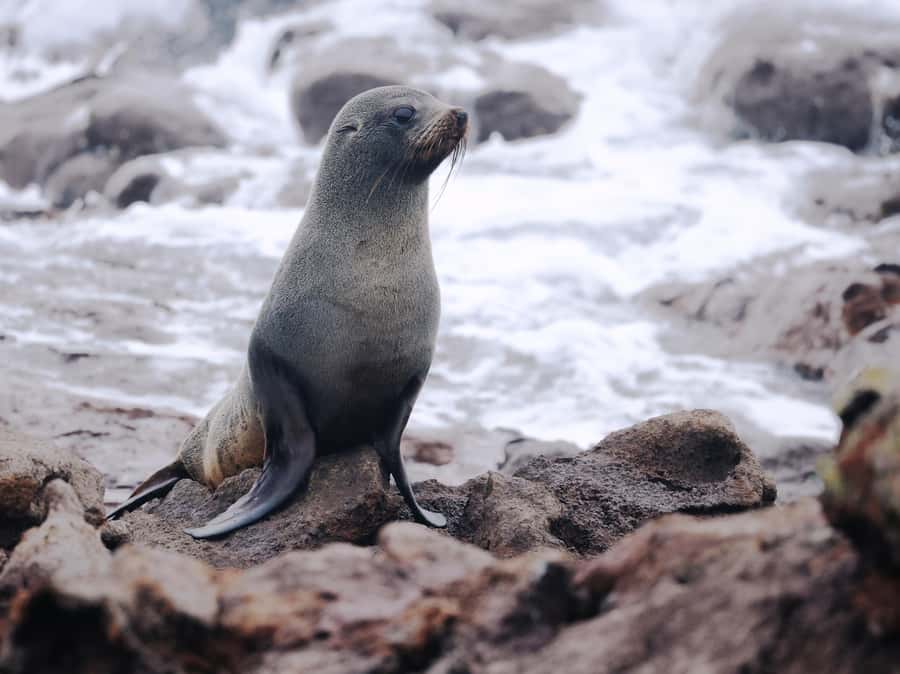
The tour works best if you see it as a conservation visit with wildlife viewing, not as a guaranteed penguin show. The difference is important.
You are learning how a damaged or altered environment can be restored, how penguins are rehabilitated, and why visitors must limit their impact. Yellow-eyed penguins are particularly sensitive to disturbance, so quiet viewing and careful movement are not minor rules. They are part of protecting the animals you came to see.
I also appreciate the connection between admission and the reserve’s future plans. The experience explains ongoing work to restore native habitat and protect the species living there. Your ticket helps keep that work going, even on a day when the penguins stay hidden.
This approach may appeal to you if you prefer wildlife encounters that accept uncertainty. If your main goal is a guaranteed close-up photograph of a yellow-eyed penguin, you should temper your expectations. If you want to understand the setting and support the people working to protect it, the tour offers better value.
Guides who make the short visit count
The guides receive consistent praise for their enthusiasm and ability to explain the animals without making the talk feel dry. Emma and Eden are noted for their passion, and that matters on a short tour. You have limited time, so a guide who keeps the commentary moving while leaving room for questions can make a noticeable difference.
The best guides also know when to stop talking. Wildlife viewing often depends on patience. A group may need a few quiet minutes to watch a sea lion, wait for a bird to move, or look carefully into a nest box. The tour’s pace appears flexible enough to allow that.
You should still be prepared for some variation. A guide can improve your chances and help you understand what you are seeing, but no guide can make a wild penguin appear. That honesty is one of the tour’s strengths.
Weather, fitness, and what to bring
The Otago Peninsula is an exposed outdoor setting, so dress for wind and rain even if the forecast looks friendly. Outdoor clothing and comfortable walking shoes are the basics. Rain jackets are included, which is helpful if conditions turn wet or you arrive without proper waterproof gear.
Bring:
- Comfortable walking shoes
- Outdoor clothing suited to changing weather
- A camera
- Binoculars, if you have them
Smoking is not allowed, and touching animals is strictly off limits. Follow the guide’s instructions around every species, especially seals, sea lions, and penguins.
The experience is not suitable for wheelchair users, people with mobility impairments, people with visual impairments, or people with a low level of fitness. The 2-kilometre nature walk and natural reserve conditions are the key reasons. If you are unsure about the walking demands, contact the operator before booking.
Who will enjoy this tour most
I would recommend this experience to anyone staying in Dunedin who wants a compact introduction to Otago Peninsula wildlife and conservation. It suits couples, families with active older children, photographers, birdwatchers, and anyone who prefers a guided visit over trying to find animals alone.
It is also a good choice if you have limited time. The 90-minute schedule gives you a clear plan without taking up half a day. The bus transfer makes the reserve easy to reach within the visit, and the three-part format keeps the experience varied.
You should think twice if your only goal is to see a yellow-eyed penguin in the wild. The species is declining, and sightings are unpredictable. A visit can include seals, sea lions, little penguins, birds, and rehabilitation animals instead.
The experience is also less suitable if you want a long, strenuous hike or a completely independent wildlife outing. You will be with a live English-speaking guide and must follow the reserve’s rules.
Booking value and practical flexibility
The $44 price is fair for the amount included. You receive a 90-minute guided experience, access to the rehabilitation centre when birds are present, a bus ride into the reserve, the nature walk, and rain jackets. Food and drinks are not included, so plan those separately.
The ability to reserve now and pay later is useful if you are arranging several Dunedin activities. Free cancellation is available up to 24 hours before the start time for a full refund, which gives you some protection if your plans change.
Check the available starting times before booking. The tour returns to 45 Pakihau Road, so allow enough time to reach the meeting point and check in at reception.
Should you book The OPERA wildlife tour?
Book it if you want a well-organized, conservation-focused visit with a real chance to see penguins, seals, sea lions, and native birds. The rehabilitation centre can provide close views, while the reserve walk gives you the wider setting and a better sense of how the animals live.
Go in with the right expectation: this is not a guaranteed yellow-eyed penguin encounter. The strongest reason to book is the combination of wildlife, clear guiding, and direct support for habitat restoration. If you can accept that wild animals set the schedule, this is a worthwhile and fairly priced addition to a Dunedin stay.
FAQ
Where does the Dunedin wildlife tour start?
The tour starts at 45 Pakihau Road on the Otago Peninsula. Check in at reception before the experience begins.
How long does the experience last?
The guided experience lasts 90 minutes, including the presentation, rehabilitation centre visit when penguins are present, bus ride, and nature walk.
Will I definitely see a yellow-eyed penguin?
No. Yellow-eyed penguins are wild, and sightings vary by season and from day to day. The guide will do the best possible to improve your viewing chances.
What animals might I see?
The reserve is home to yellow-eyed penguins, little penguins, New Zealand fur seals, sea lions, forest birds, shorebirds, and other native wildlife.
Is the rehabilitation centre included?
Yes. The tour includes access to the rehabilitation centre when penguins are present.
What should I bring?
Bring comfortable walking shoes, outdoor clothing, a camera, and binoculars if you have them. Rain jackets are provided.
Is the tour suitable for wheelchair users?
No. The experience is not suitable for wheelchair users, people with mobility impairments, people with visual impairments, or people with a low level of fitness.
Newest birding reviews around New Zealand
- Akaroa: Wildlife Cruise with Dolphins and Penguins★ 5.0 · 27 reviews
- Clearwater Private Penguin & Wildlife Tour from Port Otago (5hrs)★ 5.0 · 7 reviews
- Iconic Wildlife Tour with Yellow Eyed Penguins & Royal Albatross★ 4.5 · 33 reviews
- Guided Tour at Pukorokoro Shorebird Centre★ 5.0 · 4 reviews
- Private tour from Auckland – Waitomo Glowworm Caves, Zealong Tea & Kiwi Bird★ 5.0 · 20 reviews
- Twilight Wild Kiwi Bird Encounter Private Tour★ 5.0 · 3 reviews
- Bird Watching and Dolphin Eco-Tour to Blumine Island★ 5.0 · 55 reviews
- Dunedin: Otago Peninsula with Guided Penguin Reserve Tour★ 4.7 · 66 reviews
Penguin Tours, side by side.
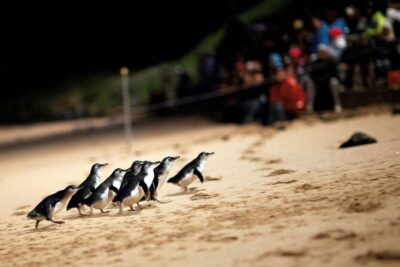
Penguin Parade, & Wildlife Encounters Eco Tour from Melbourne
Read our review →
Cape of Good Hope & Penguins Day Tour with Pickup
Read our review →
Cape Point and Boulder’s Penguins Full Day Tour
Read our review →
Cape of Good Hope & Boulder Penguins Full-Day Tour from Cape Town
Read our review →
Table Mountain, Penguins & Cape Point Small Group Tour Cape Town
Read our review →
Cape Town Tour: Table Mountain, Penguins & Cape Point+Pickup
Read our review →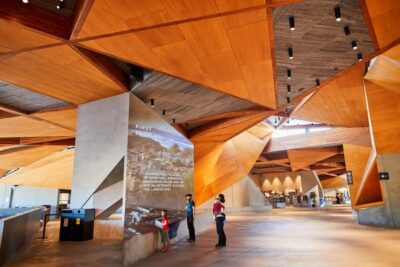
Lists this trip turns up in