
REVIEW · ITALY
Discover the fantastic world of birds of prey in the Pollino National Park.
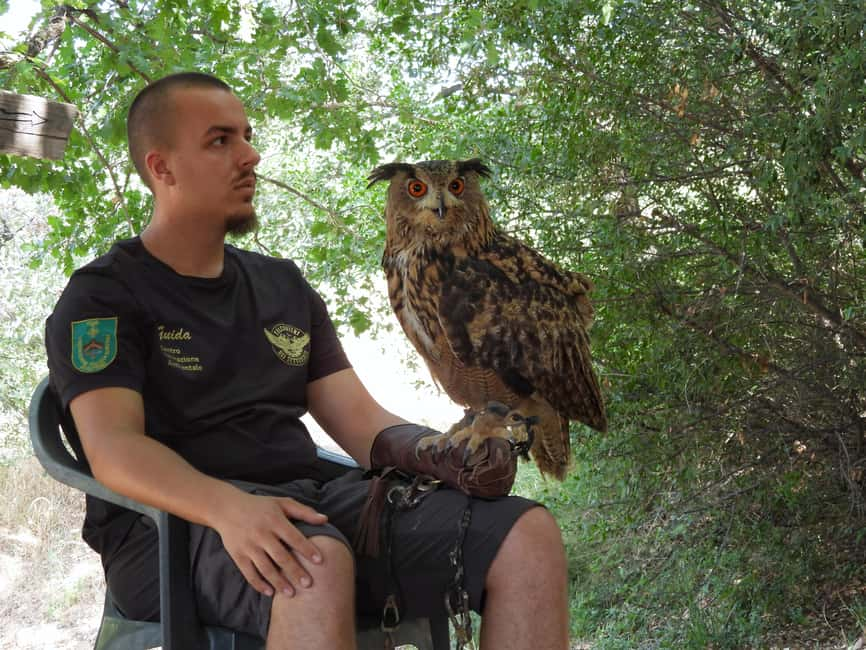
The first thing to understand about this experience is what it is not. You will not watch a staged circus act or pass rows of animals in a zoo. At the Falconieri dei Setteventi center, you are invited into an educational meeting with birds of prey, with the birds close enough for the encounter to feel personal and direct.
I like two things right away: the serious respect for the animals, and the effort to connect falconry with environmental education. The project also earns credit for its clear purpose. Cesario, who visited in November 2025, specifically praised the staff’s competence and the owner’s commitment to the project. The main consideration is that the tour is conducted in Italian, so you may need patience or translation help if you do not speak the language.
Key points to know before booking
- No circus performance: The focus is education, respect, and a real connection with birds of prey.
- Three hours in nature: This is a substantial visit, not a quick photo stop.
- Close contact: The birds are presented near you, creating a strong sensory experience.
- Italian-speaking guide: Some material is presented in its original language, so language may affect how much you take in.
- Easy-to-miss entrance: Look for the small dirt-road entry from Provincial Road 263.
- Practical rules matter: No smoking, flash photography, professional cameras, loud noise, littering, or unaccompanied minors.
Meeting birds of prey without a circus show
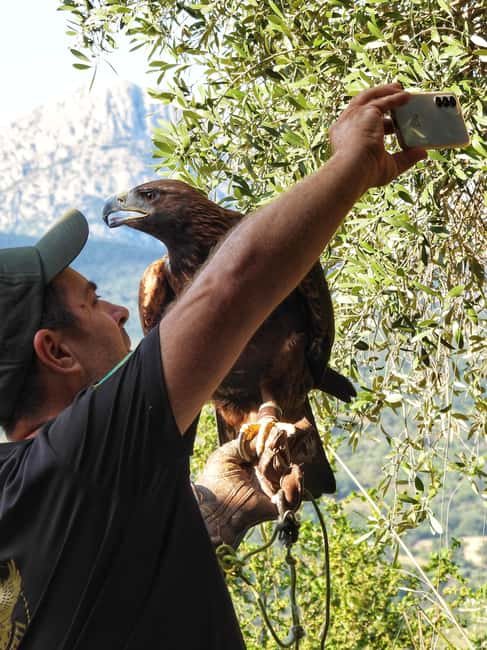
Many bird-of-prey attractions are built around spectacle. This one takes a different road. The center describes its work as an interactive educational journey into the lives of raptors, with the aim of helping you understand the animals rather than simply reacting to a dramatic flight or staged trick.
That distinction matters. You are not buying a short burst of entertainment followed by a souvenir photo. You are signing up for a three-hour program built around environmental education and respectful contact. The tone is meant to be calm and attentive, with the birds treated as living animals rather than props.
The birds are brought close enough that you can hear and sense their presence. That can be more powerful than watching from a distant seat. You are asked to approach the experience with humility, quiet, and care. The rules against noise, flash photography, and professional cameras are not random restrictions. They support the center’s aim of keeping the setting controlled for both people and birds.
If you are looking for a loud performance with repeated tricks, this is the wrong choice. If you want to learn why birds of prey matter and how people can work with them respectfully, the format makes much more sense.
More Birds of Prey and Falconry in Italy:
- Interactive Educational Course on Birds of Prey
★ 5.0 · 230 reviews - Falconry experience in Tuscany
★ 5.0 · 24 reviews - Experience with birds of prey in Tuscany
★ 5.0 · 4 reviews
What the three-hour visit is likely to feel like
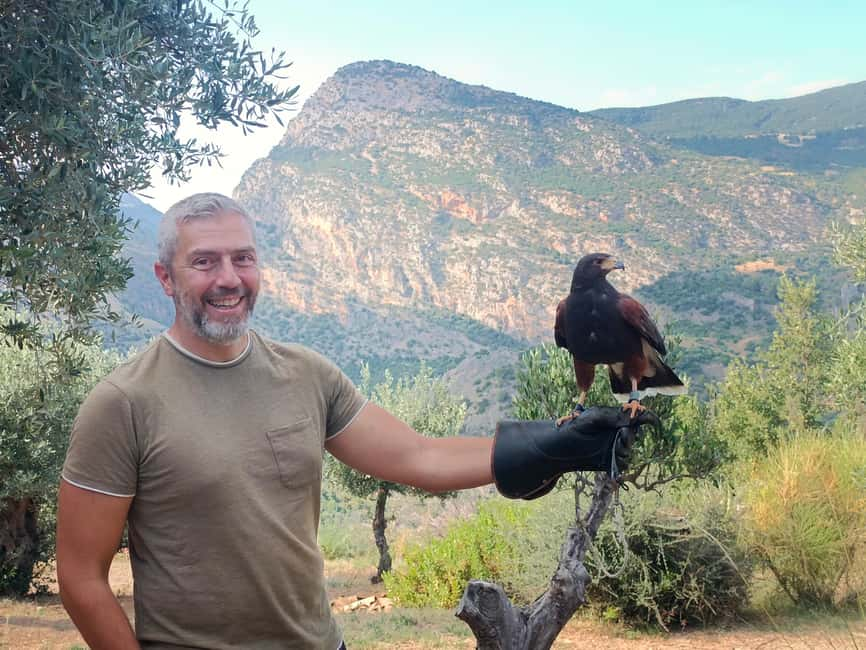
The supplied information does not give a minute-by-minute schedule, named birds, or a fixed sequence of demonstrations. That is useful to remember when booking. You should expect a guided educational visit rather than a rigid theater-style program.
The opening part will likely set the tone for the center. You are introduced to the purpose of the project and to its view of falconry as a relationship based on mutual respect. The center links this tradition to what it calls true UNESCO falconry, referring to the long-standing cultural bond between people and birds of prey.
The value here is context. A bird of prey is not just a striking animal with sharp talons and wide wings. The visit asks you to think about the animal’s behavior, needs, and place in the natural world. Since the guide speaks Italian, the depth of this part will depend on your language ability.
The central part of the visit brings you close to the birds. This is the moment that gives the experience its emotional force. You may hear the birds’ movements, notice their physical presence, and see them at a distance far closer than you would in an ordinary wildlife setting.
Do not expect this closeness to mean unlimited touching or handling. The information stresses respect, quiet, and controlled contact. That is good for the animals and helps keep the meeting genuine. You are there to observe and learn, not to treat the birds as tame pets.
The final part continues the educational approach and ties the experience back to nature. The center presents the visit as a chance to build a lasting emotional connection with birds of prey and the surrounding natural setting. It is less about collecting dramatic images and more about leaving with a stronger sense of responsibility toward wildlife.
Because the exact program can vary, I would avoid arriving with a checklist of specific species or tricks. The experience is better suited to an open mind than to a hunt for one perfect photograph.
Why the no-cage, no-circus policy matters
The center makes a firm point that there are no cages and no circus demonstrations. That does not mean the animals are wandering freely among a crowd. It means the visit is framed around respectful presentation rather than a zoo display or a show built for applause.
For you, the result should be a more thoughtful kind of encounter. You can pay attention to the birds as animals with their own behavior and dignity. The absence of flash photography and loud noise reinforces that goal.
There is also a practical benefit. A quiet setting helps you notice details that a fast show can bury: how the birds respond to movement, how carefully people handle them, and how much control is needed to work around powerful wild animals.
The center’s strongest idea is that education can create emotion without turning animals into entertainment. That is a worthwhile standard, especially if you are traveling with children or teenagers and want the visit to teach something beyond basic identification.
Still, families should note the rule about unaccompanied minors. Children cannot attend alone. An adult must be responsible for them, and the restrictions on noise and movement mean this is not a free-running activity for young children.
The Pollino National Park setting
The experience is in Basilicata, within the Pollino National Park area. The setting is part of the appeal, since the center presents its work as a way to connect with nature rather than as an indoor animal attraction.
The location also means you should pay close attention to directions. The meeting point is reached by a small dirt road directly from Provincial Road 263. If you come from the SS106, the entrance is about 1.4 kilometers before the Civita junction. If you arrive from the motorway, it is about 1.4 kilometers after the Civita junction.
That detail is easy to miss. Do not rely only on the town name or assume the entrance will look like a large visitor center. The dirt-road turn is the key landmark. Give yourself enough time to find it without rushing, especially if your schedule includes other stops in the park.
The provided details do not state whether transport from another town is included. It is safest to treat the meeting point as your responsibility and plan your route before setting out.
A few more birding trips around Italy worth a look
- Trapani: Salt Pans Sunset Tour and Flamingo Way
★ 4.4 · 252 reviews - Cagliari: Bike Tour in the Flamingo Oasis
★ 4.7 · 141 reviews - Cagliari E-Bike Tour: Gulf, Canals & Flamingos at Molentargius
★ 5.0 · 79 reviews - Cagliari E-Bike Tour: Canals & Flamingos at Molentargius
★ 4.8 · 60 reviews
Is $47 a fair price?
At $47 per person, the experience is not a bargain-bin attraction, but the price can make sense for a full three-hour visit with a guide and close educational access to birds of prey.
You are paying for more than a quick look. The activity offers a dedicated nature-center visit, an Italian-speaking guide, structured interpretation, and an encounter designed around animal welfare. If you value small-scale, purpose-driven experiences, that is a reasonable use of your budget.
The price may feel less attractive if you mainly want photographs or a short demonstration. Professional cameras are not allowed, and flash photography is prohibited. The center is clearly not designed for commercial image-making or a fast social-media stop.
I would also factor in the language. If you understand Italian, you are likely to get more from the explanations. If you do not, you may still enjoy the physical presence of the birds and the setting, but the educational side could be harder to follow.
The booking terms add flexibility. You can reserve now and pay later, and cancellation is free up to 24 hours before the activity for a full refund. Those policies reduce the risk of committing too early to a fixed travel plan.
Who will enjoy this experience most?
I would recommend this visit to anyone interested in wildlife, conservation, falconry, or nature-based education. It is also a strong choice if you prefer a calm, personal encounter to a polished performance.
Families can enjoy it if the children can follow instructions and remain quiet. Since unaccompanied minors are not allowed, children must attend with an adult. The prohibition on noise is worth explaining before you arrive.
Photographers should think twice. Ordinary personal photography may be restricted by the no-flash rule, and professional cameras are not allowed. If taking photographs is your main reason for booking, the limits may disappoint you.
The tour is wheelchair accessible, which broadens its appeal. However, the meeting point includes a small dirt-road entrance, and the available information does not describe every surface or access detail. If you need specific mobility arrangements, confirm them before booking.
Italian speakers will have the clearest advantage. The live guide speaks Italian, and some content remains in its original language. You can still attend without Italian, but you should not expect a full English-language interpretation.
Useful rules for a respectful visit
Wear comfortable shoes and comfortable clothing. The visit takes three hours, and the center’s nature-focused setting is better suited to practical clothes than to formal outfits.
Do not bring a professional camera, and do not use flash photography. Leave smoking materials at home or wait until you are outside any restricted area. Keep noise low, do not litter, and follow staff instructions around the birds.
These rules are part of the experience rather than annoying extras. A bird of prey is sensitive to sudden movement and sound. By following the limits, you help protect the calm atmosphere that makes the close encounter possible.
The center also asks you to approach the visit with humility. That may sound lofty, but the practical meaning is simple: watch carefully, listen to the guide, and remember that the birds are not there to perform on demand.
The strongest reason to go
The best part of this experience is its clear sense of purpose. The staff are not simply presenting impressive animals. They are trying to explain a human and animal relationship that reaches back many centuries, while encouraging respect for nature today.
That purpose appears to be taken seriously. The positive feedback from Cesario in Italy specifically highlights the competence of the staff and admiration for the owner’s project. Those are the qualities I would want in an experience like this: people who know how to handle the subject and who are committed to more than a quick commercial show.
You should also expect an emotional element. The center promises a close encounter in which you can hear the birds’ hearts beating. Even allowing for the promotional language, the idea points to a direct and memorable meeting rather than a distant observation.
Should you book the Falconieri dei Setteventi visit?
Book it if you want a respectful, educational encounter with birds of prey and you are comfortable spending three hours in an Italian-language program. The center’s commitment to avoiding cages, circus acts, flash photography, and noisy behavior gives the experience a clear identity.
Skip it if you want a short English-language show, a guaranteed list of species, or professional wildlife photography. The exact sequence is not provided, and the Italian guide may limit the educational value for non-Italian speakers.
For the right audience, $47 is a fair price for a focused nature experience in Pollino National Park. Plan carefully for the dirt-road entrance, wear sensible clothes, and arrive ready to watch rather than demand a performance.
FAQ
Where is the birds of prey experience located?
It is in Basilicata, Italy, in the Pollino National Park area. The entry is a small dirt road directly from Provincial Road 263.
How do I find the meeting point?
If you come from the SS106, the entrance is about 1.4 kilometers before the Civita junction. If you come from the motorway, it is about 1.4 kilometers after the Civita junction.
How long does the activity last?
The tour lasts three hours. Starting times depend on availability when you book.
What language is the tour in?
The live tour guide speaks Italian. Some content is shown in its original language.
Is the experience wheelchair accessible?
Yes, the activity is listed as wheelchair accessible.
What should I bring?
Bring comfortable shoes and comfortable clothes.
What is not allowed during the visit?
Smoking, professional cameras, flash photography, littering, loud noise, and unaccompanied minors are not allowed.
Newest birding reviews around Italy
- Lio Piccolo: Flamingos & Birdwatching Bike Tour in the Lagoon★ 5.0 · 7 reviews
- Falconry experience in Tuscany★ 5.0 · 24 reviews
- Vendicari – Sicily’s best coast nature reserve ( Birdwatching & Archeology )★ 5.0 · 8 reviews
- Birdwatching at Saline Maria Stella in Trapani★ 5.0 · 3 reviews
- Vendicari private visit 3 hours The Bird Hotel.★ 5.0 · 2 reviews
- Combo: Cagliari Old Town and the Oasis of Flamingos★ 5.0 · 22 reviews
- Matera: Handmade Clay Bird Workshop★ 5.0 · 4 reviews
- Experience with birds of prey in Tuscany★ 5.0 · 4 reviews
Birds of Prey & Falconry, side by side.
Colorado Springs Hands-On Falconry Class and Demonstration
Read our review →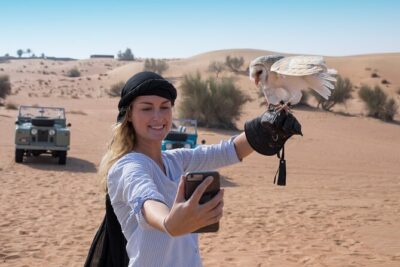
Morning Falconry & Nature Desert Safari with Transfers from Dubai
Read our review →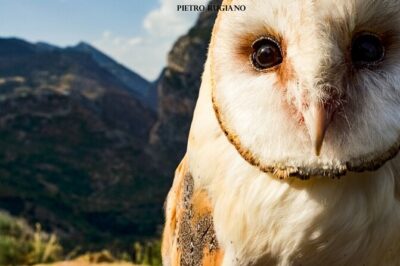
Interactive Educational Course on Birds of Prey
Read our review →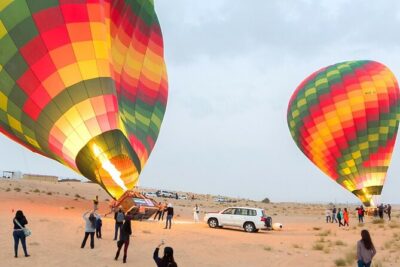
Dubai Hot Air Balloon Ride with Breakfast, Falconry & Camel Ride
Read our review →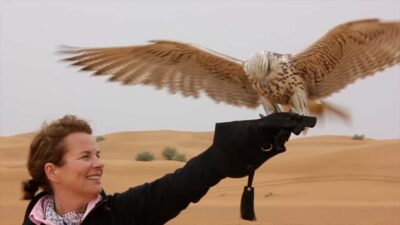
Margaret River: Birds of Prey Encounter and Forest Walk
Read our review →Lists this trip turns up in