
REVIEW · UNITED STATES
Everglades: Birding, Wildlife, and Photography Expedition
The best part of this Everglades trip is its small, steady boat. You travel through the park’s shallow coastal waters with up to five other people, looking for roseate spoonbills, osprey, dolphins, manatees, and sea turtles. Guides including Don and Dan add useful context without turning the ride into a classroom lecture.
I like the stable photography platform, which can handle a tripod and large telephoto lens. I also like the two-part plan: a slow boat ride followed by a walk on an uninhabited barrier island, where you see mangroves, shells, shorebirds, and other details at water level.
The main consideration is weather. Wind can affect what you see, and June through October can bring difficult conditions, so a morning departure is the wiser choice. At $172 per person, this is not a cheap sightseeing cruise, but the six-person limit and specialist guide make it good value for serious birders, photographers, and nature lovers.
Key points to know before you book
- The boat carries only six people, giving you more room for cameras and more chances to ask questions.
- Tripods and large telephoto lenses are welcome, a useful advantage over crowded sightseeing boats.
- The trip combines water and land, with a boat ride through the 10,000-island ecosystem and a walk on an uninhabited barrier island.
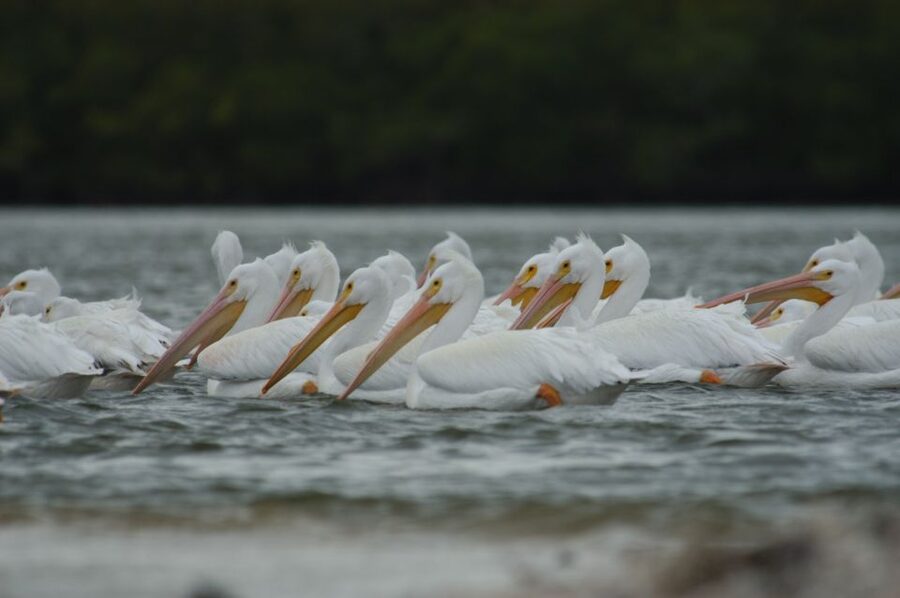
- Birds are the main photographic prize, including spoonbills, herons, ibis, osprey, egrets, pelicans, and shorebirds.
- Marine wildlife is part of the hunt, with possible sightings of dolphins, manatees, sea turtles, and other saltwater creatures.
- Morning departures are better from June through October, when weather can become less reliable later in the day.
A small boat into the Everglades’ 10,000 islands
This is not the classic Everglades ride through sawgrass marshes. From Parkway Marina in Chokoloskee, you head into the coastal part of Everglades National Park, a maze of shallow waterways, mangrove islands, mud flats, and open Gulf water.
The setting feels remote quickly. The 10,000 islands are not a neat chain of marked attractions. They form a broad, shifting coastal world where water, trees, shell beaches, and small islands blend together. Your guide reads the channels and watches the edges for movement, then slows the boat when a bird or animal gives you a reason to stop.
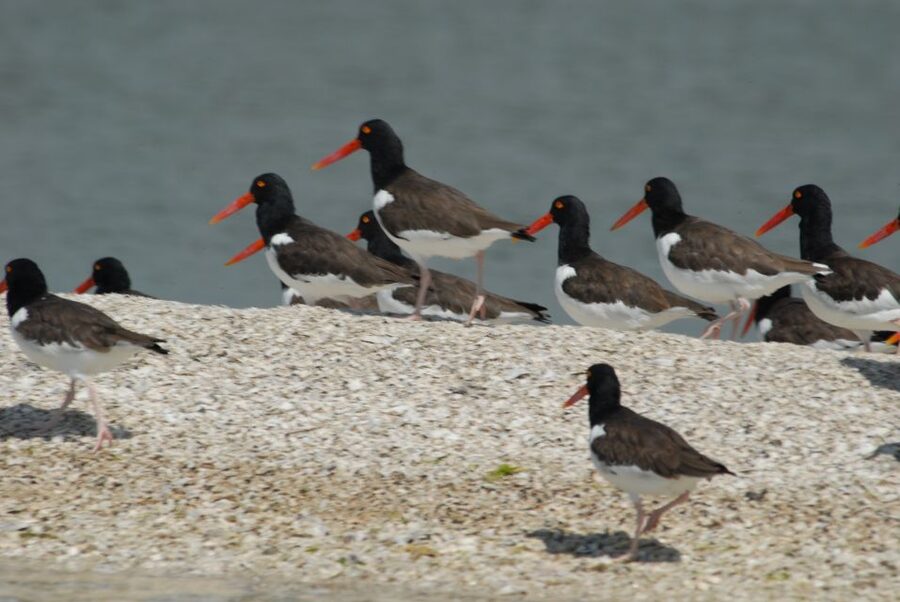
That slower pace matters. You are not simply passing through the park while someone points at scenery. The guide is looking for useful angles, good light, and signs of wildlife. If you want to photograph a bird, say so early. One earlier group asked to move slowly and had time to work on nesting cormorants, a great egret, royal terns, spoonbills, an American oystercatcher, osprey, and a little blue heron.
Sightings are never promised, of course. Wildlife follows its own schedule. Still, the boat gives you a much better chance to reach places that are not accessible by car or ordinary walking trails.
More Wetland and Lagoon Birding in the USA
- Two-Hour Everglades Dolphin, Manatee and Birding Boat Tour
★ 4.5 · 151 reviews - Wetlands Safari Eco-Cruise in Cape May (Osprey Birding By Boat)
★ 5.0 · 113 reviews - Everglades Birding, Dolphin and Wildlife Boat Tour (2 hours)
★ 4.5 · 99 reviews
Why the six-person boat matters for photographers
The boat is one of the strongest reasons to choose this outing. It is described as large and stable, with comfortable seating and room for a tripod. That combination is unusual on a wildlife trip, where cramped benches and constant engine movement can make serious photography frustrating.
You can bring a long telephoto lens, and you should if bird photography is a priority. One practical piece of advice is especially important: a long lens helps. Wildlife may sit on distant islands, sandbars, or mangrove branches, and the boat cannot always move close without disturbing it.
The small group also changes the feel of the trip. With six people or fewer, you have a reasonable chance of getting a clear view over the side and time to ask the captain to pause. You are not trying to spot a heron through a crowd of heads. If the boat is not full, the guide can also adjust the outing to suit your interests, as happened for a couple who received a more personal route on a windy day.
There are limits. Even a stable boat is still on the water. Wind, glare, and boat movement can make a sharp photograph difficult. You should bring sun protection and dress for the weather rather than assuming the day will stay cool and calm.
Birds, dolphins, and the art of looking slowly
Birds are the main attraction here, and the list is impressive without being a promise. You might see roseate spoonbills with their unusual bills, white ibises working the shallows, great blue herons, tricolored herons, snowy egrets, osprey, cormorants, terns, plovers, pelicans, and bald eagles.
The variety comes from the mix of habitats. Wading birds use shallow water and mud flats. Osprey and eagles look for fish. Shorebirds gather around exposed edges. Cormorants and pelicans may be seen near island colonies. Your guide helps you understand why a certain bird is in a certain place, rather than treating every sighting as a quick name-and-point exercise.
The water can be just as interesting. Dolphins may appear near the boat, sometimes jumping or playing in the wake. Manatees and sea turtles are possible, along with other saltwater animals. One outing included dolphins, sea turtles, and white pelicans, while another found dolphins swimming around the boat.
Give yourself permission to watch without a camera for a moment. A dolphin surfacing beside the boat is a better memory than a blurry frame taken in a panic. The guide’s job is to search, but your job is to enjoy the surprises.
You may also see less obvious details. A stop on an island can reveal shells, traces of earlier human use, and small creatures along the shore. The Everglades is not only about large animals. Its character is in the connections between mangroves, tidal water, birds, fish, and people who have used these islands over time.
The barrier island walk adds a needed change of pace
After exploring by boat, the captain beaches the vessel on one of the park’s uninhabited barrier islands. You then walk with the guide and examine the place from ground level.
This second part keeps the trip from becoming three and a half hours of sitting. On foot, you can look closely at shells, plants, shorelines, and signs of wildlife. You may find better subjects for close-up photographs than you would from the boat, especially if you enjoy textures and small natural details as much as birds.
The walk is also where the guide can explain the coastal ecosystem in a more direct way. You learn how the mangroves shape the shoreline and how the islands support birds and marine life. Local history and culture are part of the conversation too, giving you a clearer sense of why this remote corner of Florida matters.
Do not expect a long hike or a developed island attraction. This is an uninhabited place, not a boardwalk with signs, shops, or facilities. The appeal is its quiet and lack of construction. Wear shoes and clothing suited to the weather, and bring sun protection. Food and drinks are not included, so plan ahead before boarding.
Same hide, a different set of birds:
- Birding By Boat on the Osprey
★ 5.0 · 787 reviews - Marco Island 2 hour Dolphin, Birding and Shelling tour
★ 5.0 · 503 reviews - Colorado Springs Hands-On Falconry Class and Demonstration
★ 5.0 · 293 reviews - 2 Hour Dolphin, Birding and Shelling Tour
★ 5.0 · 247 reviews
The guide can make or break the outing
The boat and setting provide the raw material, but the guide shapes the day. The tour uses a Florida-certified Master Naturalist who is also licensed by the US Coast Guard. That combination is useful: you get someone who can explain plants and animals while also handling a small boat in shallow coastal water.
Don is repeatedly singled out for his information, passion, and care for the surroundings. Dan is also praised for combining clear explanations with a friendly manner, and for tailoring the route when weather or group interests called for it. Seth and Eddie have also led trips, with Eddie guiding an outing that included dolphins, sea turtles, and white pelicans.
The strongest guide style here seems to be personal rather than theatrical. You can expect discussion of the Everglades ecosystem, local history, mangroves, wildlife behavior, and the people connected to the area. The guide is also actively searching for animals, not merely steering from one point to another.
That is especially valuable if you are new to birding. A good naturalist helps you notice a bird before it flies, understand where to look, and recognize the difference between a common sighting and an unusual one. If you already know your birds, you can use the trip more as a photography session and ask for help finding particular species.
Timing, weather, and the practical side of the day
The tour lasts 210 minutes, or about three and a half hours. That is enough time for a proper boat route, wildlife stops, and the island walk without taking up your entire day in southwest Florida.
The meeting point is Parkway Marina at 1180 Chokoloskee Drive in Chokoloskee. Arrive 10 to 15 minutes early so you can park, use the restroom, and reach the docks without rushing. Boarding takes place five minutes before departure, and refunds are not provided if you miss the tour.
At the marina, park on the right-hand side in the designated spaces. Restrooms are across from the Marina Store. Meet the captain down by the docks, not inside the store.
The area is remote, and Chokoloskee has limited facilities. That is part of the appeal, but it also means you should handle basic needs before boarding. Bring water and any food you will want, since neither is included. Sun protection is essential, and clothing should match the forecast.
From June through October, choose a morning departure if possible. The operator specifically recommends mornings during those months because weather can worsen later in the day. Wind may also change the route or reduce the number of good photography stops, so keep your expectations flexible.
Is $172 a fair price?
At $172 per person, this costs more than a large-group wildlife cruise. The comparison is not quite fair, though. You are paying for a three-and-a-half-hour outing with a maximum of six passengers, a certified naturalist, a Coast Guard licensed captain, access to remote islands, and a boat designed for photography.
For a casual visitor who simply wants to see the Everglades from the water, the price may feel high. A larger boat or shorter sightseeing ride could offer a cheaper introduction. You also need to remember that wildlife sightings are never guaranteed, and weather can affect the day.
For a birder, photographer, or anyone who values quiet and personal attention, the calculation looks better. The ability to carry a tripod and large lens has real value. So does the chance to ask the guide to slow down, stop, or explain what you are seeing. If the boat fills all six places, you are still sharing the experience, but the group remains small enough to avoid the usual crowding.
The trip also reaches a part of Everglades National Park that is hard to appreciate from the roadside. You are paying for access, interpretation, and time in the field, not just transportation.
Who will enjoy this most?
I would choose this outing for anyone who wants the Everglades at a patient pace. It fits birders, wildlife photographers, amateur naturalists, and couples or families who prefer a small group to a busy cruise.
It also suits people who enjoy both broad views and small discoveries. The boat gives you open water and distant birds, while the island stop lets you inspect shells, mangroves, and shoreline life more closely.
The tour is less suitable if you need a guaranteed list of animals, dislike sun and wind, or want a fully land-based park visit. It is also not the best choice for someone who wants a fast, attraction-packed excursion. The value comes from waiting, watching, and letting the guide respond to what the Everglades offers that day.
For photographers, I would bring the longest practical lens you own, plus protection for bright sun and changing weather. For everyone else, binoculars and patience may be more useful than expensive equipment.
Should you book the Everglades Birding, Wildlife, and Photography Expedition?
Book it if you want a small, informed boat trip into the coastal Everglades, especially if birds and photography are high on your list. The stable boat, tripod space, barrier island walk, and active naturalist guide give this outing more substance than a simple ride around the bay.
Choose a morning departure from June through October, arrive early at Parkway Marina, and bring food, water, sun protection, and the camera gear you really plan to use. If your schedule is flexible, the free cancellation available up to 24 hours before departure makes planning easier.
Skip it if $172 feels too steep for a trip with no guaranteed sightings, or if you would rather explore paved trails and marked viewpoints. For everyone else, this is a strong way to see the Everglades’ coastal side, with enough room to slow down and pay attention.
FAQ
How long is the Everglades Birding, Wildlife, and Photography Expedition?
The experience lasts 210 minutes, or about three and a half hours.
How many people can join the boat trip?
The group is limited to six participants.
What wildlife might I see?
Possible sightings include roseate spoonbills, osprey, ibises, great blue herons, tricolored herons, snowy egrets, shorebirds, bald eagles, dolphins, sea turtles, manatees, pelicans, cormorants, plovers, and terns.
Can I bring a tripod and a large telephoto lens?
Yes. The boat is described as a stable photography platform with room for a tripod and large telephoto lenses. A long telephoto lens is recommended if photographing distant wildlife is important to you.
Is the tour only a boat ride?
No. The trip has two parts. You first explore the 10,000-island ecosystem by boat, then stop at an uninhabited barrier island for a guided walk and more photography opportunities.
Where does the tour meet?
Meet at Parkway Marina, 1180 Chokoloskee Drive, Chokoloskee, Florida 34138. Park on the right-hand side, use the restrooms across from the Marina Store if needed, and meet the captain at the docks.
What should I bring?
Dress for the weather and bring sun protection. Food and beverages are not included. Photography equipment is recommended, particularly if you want to photograph birds and other wildlife.
More Bird Photography Tours in the USA
- Jaco Birdwatching and Photography with Sergio
★ 5.0 · 65 reviews - Birding & Photography Day Trip to Doñana from Seville
★ 5.0 · 61 reviews - Guided Birding Photography Experience
★ 5.0 · 47 reviews - Skadar Lake National Park: Birdwatching & Photography Tour
★ 4.8 · 39 reviews
Newest birding reviews around the USA
- Chincoteague and Assateague Birdwatching Boat Tour★ 5.0 · 16 reviews
- Half-Day Private Bird Tour of Fort De Soto Park in St. Petersburg – 2 person max★ 5.0 · 2 reviews
- Kayak/SUP Tour: Birds, Beavers, Turtles, maybe even Cliff Jumping★ 5.0 · 26 reviews
- Skagit Valley Birding + Deception Pass Day Tour From Seattle★ 5.0 · 3 reviews
- Sunset, Dolphin/Birding On A Private Guided Savannah Cruise★ 5.0 · 3 reviews
- Great Salt Lake Birding and Nature Adventure★ 5.0 · 3 reviews
- Pittsburgh Penguins Ice Hockey Game Ticket at PPG Paints Arena★ 4.0 · 3 reviews
- Central Florida Half-Day Private Birding Activity – 2 person max★ 5.0 · 30 reviews
Wetland & Lagoon Birding, side by side.
Eco-Friendly Ria Formosa Bird Watching in Solar Boat
Read our review →
Ria Formosa Natural Park Segway Tour & Birdwatching
Read our review →
Ria Formosa Natural Park Birdwatching Segway Tour from Faro
Read our review →
Two-Hour Everglades Dolphin, Manatee and Birding Boat Tour
Read our review →
Tagus Estuary Nature Reserve Birdwatching Boat Tour
Read our review →
Wetlands Safari Eco-Cruise in Cape May (Osprey Birding By Boat)
Read our review →
Everglades Birding, Dolphin and Wildlife Boat Tour (2 hours)
Read our review →
Desembocada and Ameca River Bird Paradise (Wetland and Tropical birds in PV)
Read our review →Lists this trip turns up in