
REVIEW · NEW ZEALAND
Otago Peninsula Scenery & Little Blue Penguin tour
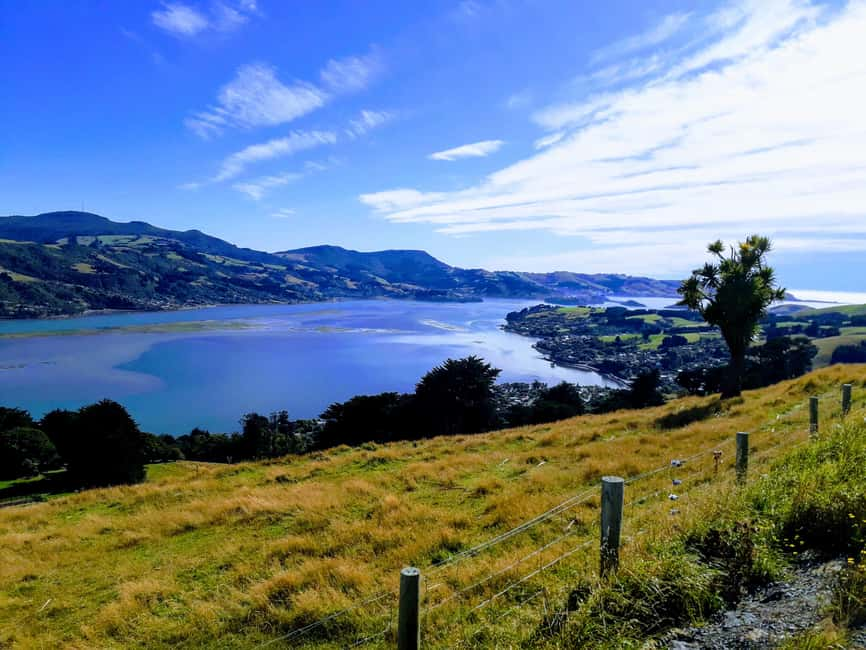
The real prize here comes at dusk, when Little Blue Penguins emerge from the sea and waddle up the beach in small groups. Before that, you get a scenic run through the Otago Peninsula, with bird-filled inlets, high coastal roads, and time near the albatross colony.
I like the mix of scenery and wildlife, and I like having a small-group guide who can point out birds you would likely miss on your own. Guide Asta has earned especially warm praise for her local nature knowledge, good humor, and help finding the best viewing spots. The main drawback is practical: you must walk down a hill to the viewing deck, then climb back up, and the evening can be very cold.
Key points to know before booking
- Penguins arrive after sunset: The 1.5-hour viewing session is built around watching Little Blue Penguins return from the sea to their nests.
- The drive is part of the attraction: Highcliff Road, Portobello, and Hooper’s Inlet provide a strong introduction to Otago Peninsula scenery and birdlife.
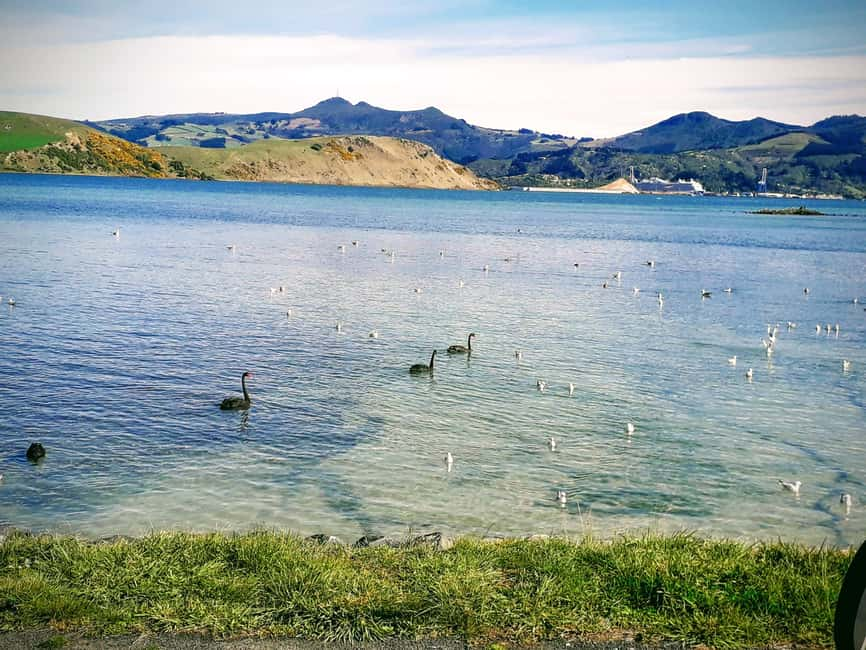
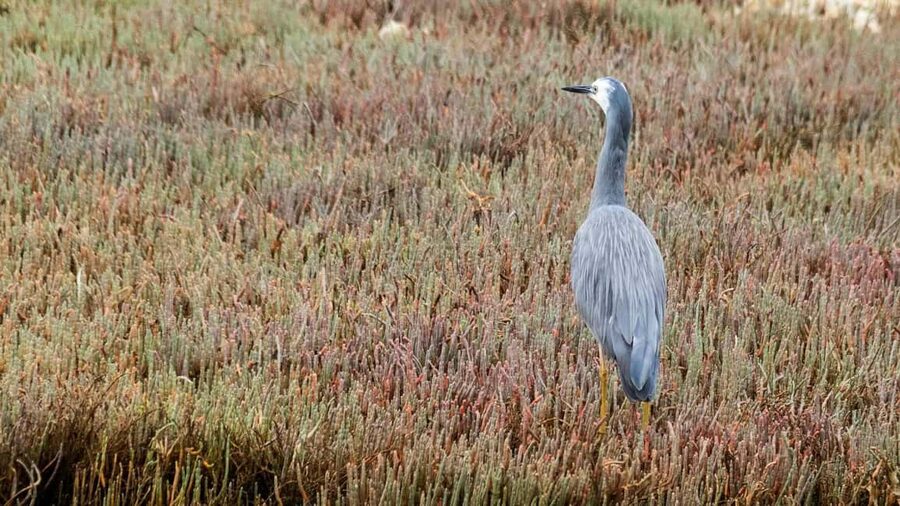
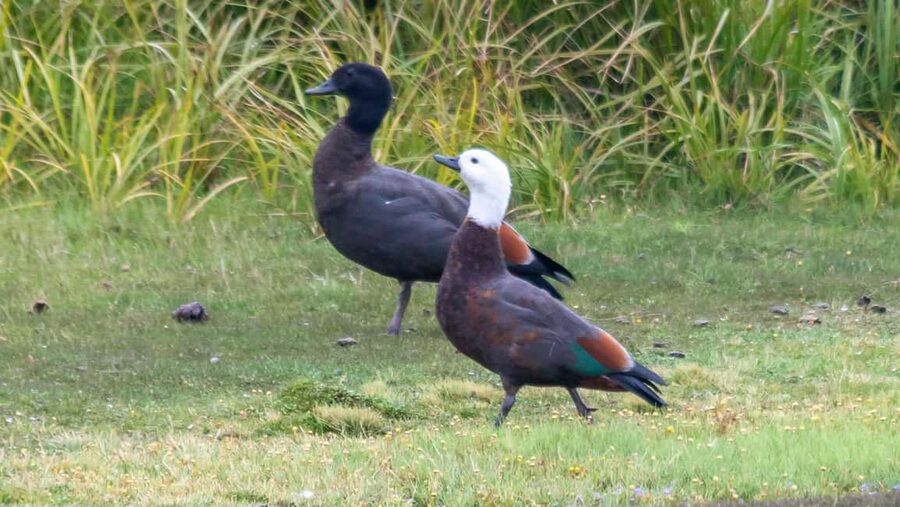
- Hooper’s Inlet rewards low tide: You might see Black Swans, pukekos, stilts, Paradise Shelducks, oystercatchers, and White-faced Herons.
- Albatross time is independent: You get free time at the Albatross Centre, but a formal guided albatross tour is not included.
- Warm clothing matters: Dunedin’s evening wind can make the beach viewing surprisingly cold, even after a pleasant afternoon.
- Walking ability is required: This tour is not suitable for wheelchair users, people with mobility impairments, or people with a low level of fitness.
Why the penguin return is the evening’s main event
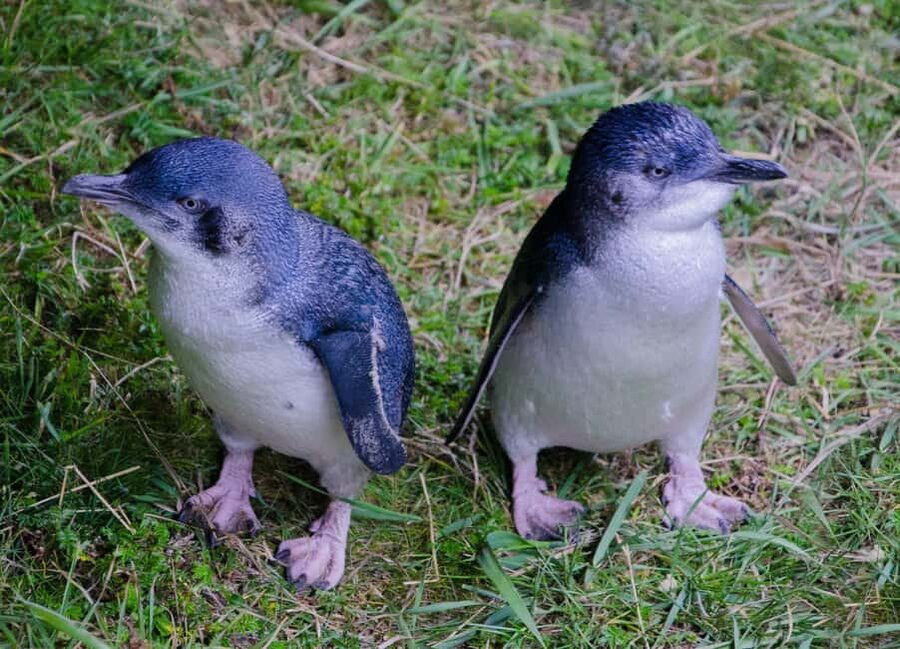
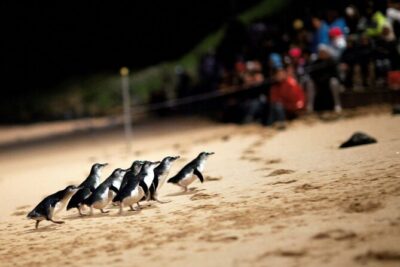
Little Blue Penguins are the world’s smallest penguins, and their return from the water is a quiet, patient sort of wildlife experience. You walk down to a viewing deck on the beach, settle in, and wait for small groups to appear from the shore.
This is not a quick photo stop. The guided penguin experience lasts about 1.5 hours, so you have time to watch the beach and follow the action as different groups come in. The best moments can be simple: a few small shapes at the waterline, then a determined waddle toward the nests.
The timing matters. The penguins return around sunset, which gives the experience a changing sky and a cooler, darker setting as the evening goes on. One especially good possibility is a clear sunset before the penguins arrive. You cannot count on that exact combination, but it adds a memorable visual beginning to the wait.
You should also set your expectations correctly. Wildlife does not follow a timetable made for tour buses. The penguins return in small groups, rather than arriving as one large crowd, so patience is part of the experience. That slower pace is a good fit if you enjoy watching animal behavior rather than simply ticking off a sighting.
More Penguin Tours in New Zealand:
- Oamaru: Penguins Evening Viewing Ticket
★ 4.5 · 682 reviews - Guided Evening Penguin Viewing Otago Peninsula, Dunedin, New Zealand
★ 5.0 · 471 reviews - Dunedin: Wildlife and Penguin Tour
★ 4.6 · 239 reviews
Highcliff Road gives you the best start
Your guide picks you up outside the Dunedin Visitor Centre at 50 The Octagon. From there, you travel by minibus toward the Otago Peninsula, taking the scenic route via Highcliff Road and Portobello.
Highcliff Road is important because the journey itself is a major part of the outing. You get broad views across the peninsula and the water, with the road carrying you through one of Dunedin’s most attractive scenic areas. Since you are not driving, you can keep your attention on the views and listen to the guide’s explanation of the area.
The road also helps you understand the shape of the peninsula. Instead of treating the penguin stop as an isolated wildlife visit, you see the coastal setting first. That context makes the evening feel like a complete Otago Peninsula outing, not simply a transfer to a beach.
The minibus format suits this route well. A small group is easier to manage on narrow scenic roads, and you can ask questions without trying to catch a guide’s attention across a large coach. The vehicle also provides a welcome break from the cold later in the evening.
Hooper’s Inlet is a quiet bird stop
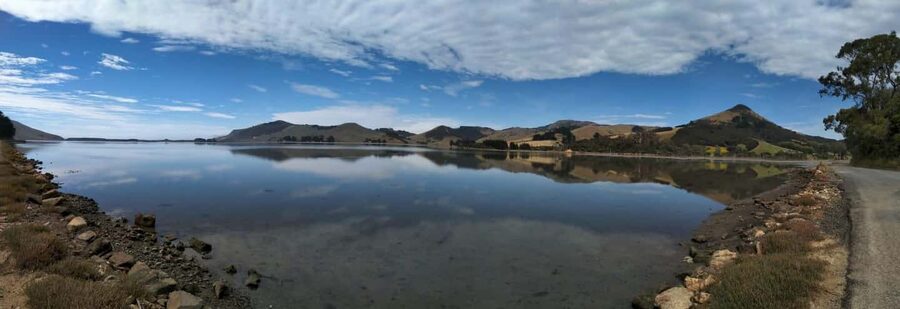
The route includes Hooper’s Inlet, which becomes especially attractive to wading birds at low tide. This is where the guide’s local knowledge earns its keep. Many visitors can spot a large bird, but a good guide helps you notice smaller details and understand why certain places attract wildlife.
Possible sightings include:
- Black Swans
- Pukekos
- Stilts
- Paradise Shelducks
- Oystercatchers
- White-faced Herons
You may not see every bird on that list. The exact mix depends on conditions, tide, and the animals themselves. Still, the inlet gives you a worthwhile chance to see several kinds of New Zealand birdlife before the evening’s main penguin activity.
I like this part because it adds variety. You are not spending four and a half hours waiting for one species. You begin with open scenery and coastal birds, then move toward larger seabirds and finally Little Blue Penguins. For anyone interested in nature, that sequence gives the tour more substance.
The bird viewing also makes the trip useful for people who have already seen penguins elsewhere. The peninsula scenery and inlet stops provide their own reason to go, even if the penguins are the headline attraction.
A break at the albatross centre
The tour includes free time at the Albatross Centre, where you can stop for a drink or snack. This is a useful pause before the later penguin viewing, especially because food is not included in the tour price.
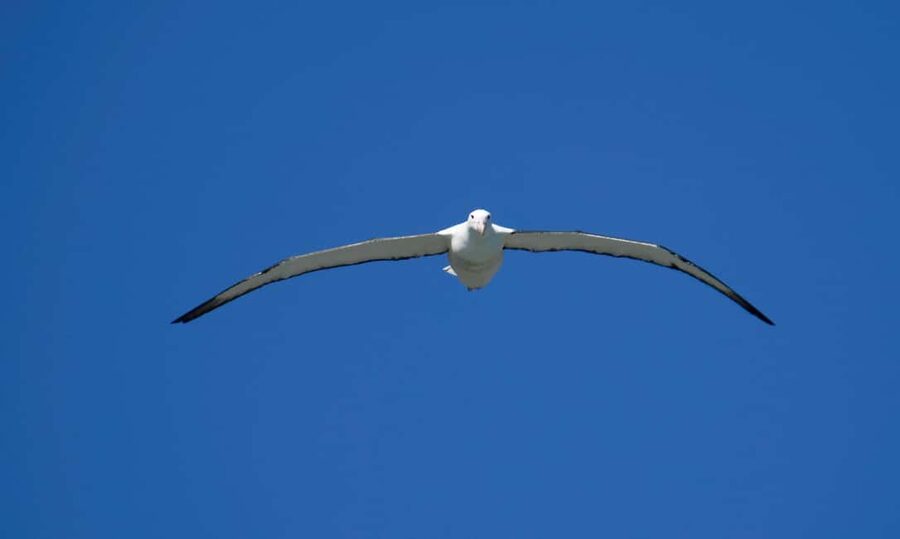
You might see huge albatrosses gliding in the sky if the wind is strong enough. That condition is worth noting. The tour does not promise an albatross sighting, and the formal albatross guided tour is not included. You are mainly getting a break at the centre and a chance to watch the sky from the area.
That arrangement keeps the cost lower than a tour that includes every paid activity at the centre. It also gives you some choice. You can use the time for a snack, a drink, or casual wildlife watching rather than joining another scheduled presentation.
Bring some money or food if you know you will need a proper meal. Bottled water is included, but food is not. Since the tour lasts 4.5 hours and runs from afternoon into evening, a small snack can make the later cold-weather wait more comfortable.
A few more birding trips around New Zealand worth a look
- Albatross, seals, and sea birds-Wildlife Cruise
★ 5.0 · 189 reviews - Otago Peninsula In-Depth Tour & Blue Penguins Pukekura Experience
★ 5.0 · 163 reviews - Akaroa: Pohatu Penguins Scenic Nature 2-Hour or 4-Hour Tour
★ 4.9 · 125 reviews - Akaroa: Pohatu Little Penguins 3-Hour Evening Experience
★ 4.8 · 119 reviews
What the guide adds to the drive
The guide is also the driver, so the quality of the commentary matters. This is not a tour where transport simply gets you from central Dunedin to a viewing platform. The guide explains the peninsula’s past, wildlife, local plants, and birdlife along the route.
Asta is the guide name most closely associated with the strongest feedback for this experience. She is described as fun, well informed about the area and wildlife, and attentive at the Albatross Centre and penguin viewing area. She also helped direct people toward good places to watch.
You should not assume Asta will lead every departure, but the tour is designed around a live English-speaking guide. That makes it a better choice than self-driving if you want context along the way. You can enjoy the views without navigating Highcliff Road, and you can ask about birds or local scenery as you go.
The small-group setting is another advantage. It tends to feel more personal than a large bus outing, and the guide can respond to the group’s interests. If the people in your minibus are keen on birds, you can spend more time discussing them. If the focus is scenery, the drive still works well.
The walk to the penguin deck
The physical demands are easy to underestimate. You walk down a hill to the beach viewing deck, then walk back up after the penguin experience. The tour clearly warns that this is not suitable for wheelchair users, people with mobility impairments, or people with a low level of fitness.
You do not need to treat it as a strenuous hike, but you should be comfortable walking downhill and uphill in the evening. Wear comfortable walking shoes with a secure sole. Sandals or smooth-soled casual shoes are a poor match for a dark, cool walk near the beach.
The return climb is the part most likely to catch you out. After sitting and watching penguins for 1.5 hours, you still have to walk back up the hill. If your knees, balance, or stamina are limited, choose a different activity.
The viewing deck arrangement is a positive feature for wildlife watching. You are not wandering around the beach trying to get close to the animals. You wait from the designated area while the penguins make their way up from the shore. Follow the guide’s instructions and keep your movements quiet and controlled.
Why warm clothing is more than a suggestion
Bring more warmth than you think you need. The tour takes place late in the day, and Dunedin’s wind can become very cold at night. A pleasant afternoon in central Dunedin does not guarantee a mild evening on the peninsula.
Wear layers, a warm outer jacket, and something to protect your neck and hands. Comfortable shoes matter just as much as insulation. The information for this experience notes that extra warm coats may be available to borrow, and Asta has provided coats for people who needed them, but I would still arrive prepared rather than depend on borrowed gear.
Cold affects your enjoyment more than people expect. The penguins may be wonderful, but it is hard to stay focused when you are shivering. Warm clothing lets you wait patiently, which is exactly what the viewing experience requires.
A warm layer also helps during the albatross stop and the drive between locations. This is an exposed coastal outing, not a sheltered city attraction.
Is $146 a fair price?
At $146 per person, this is not the cheapest way to see Otago Peninsula. The value comes from combining several services in one half-day outing: central pickup, minibus transport, a scenic route, wildlife commentary, time around the Albatross Centre, and the 1.5-hour Little Blue Penguin experience.
I think the price makes sense if you do not want to rent a car or plan the peninsula yourself. You avoid driving, parking, route planning, and trying to work out where to stop for birds. You also get a guide who can explain what you are seeing rather than leaving you to identify birds from a distance.
The value is weaker if your only goal is a short penguin sighting or if you already have transport and intend to visit the peninsula independently. The Albatross Centre’s guided tour is not included, food is extra, and the tour does not promise every bird species or an albatross in flight.
For a first Otago Peninsula visit, I see the price as reasonable because the tour gives you more than one attraction. You get scenery, local wildlife, a coastal stop, and a structured penguin experience in a single afternoon and evening.
Timing, pickup, and the ride back
The experience usually runs in the afternoon and evening and lasts 4.5 hours. That schedule is shaped by the penguins, since they return around sunset. You should expect the day to finish after dark.
Pickup is at the Octagon, outside the Dunedin Visitor Centre. After the tour, the guide drops you at your accommodation, which is helpful after the evening walk and the cold ride back.
Transport, the guide-driver, bottled water, free time at the Albatross Centre, and the Little Blue Penguin experience are included. Food and the formal albatross guided tour are not.
The activity is offered in English. If you need a specific pickup arrangement or have questions about the walking route, check the booking details before paying. Cancellation is flexible enough for most plans: you can cancel up to 24 hours ahead for a full refund.
Who will enjoy this outing most
I would choose this tour if you want a guided introduction to the peninsula rather than a single-purpose wildlife stop. It suits you especially well if you enjoy coastal scenery, birdwatching, and patient animal viewing.
It is also a good option for visitors without a car. The route includes several places that are awkward to connect independently in one afternoon, and the guide handles the driving while adding local context.
You should think twice if you dislike waiting outdoors, feel the cold easily, or have difficulty walking uphill. The penguins are the reason to book, but the viewing conditions are part of the deal. This is not an indoor attraction with guaranteed comfort.
Families and couples who enjoy nature may find the mix appealing, but everyone in the group needs to manage the walk. The tour is also a strong match for photographers who care more about a memorable wildlife setting than guaranteed close-up photos. Low light, distance, and moving animals mean you should not expect perfect pictures.
My verdict on the Otago Peninsula penguin tour
I would book this if I wanted one well-planned evening covering the peninsula’s main natural appeal without driving. The penguins provide the emotional payoff, while Highcliff Road, Hooper’s Inlet, local birds, and the Albatross Centre keep the outing varied.
The strongest reason to choose it is the guide-led experience. Asta’s warm coats, local explanations, and help at viewing points show the kind of practical care that can make a cold wildlife evening much easier. The main caution is equally clear: bring warm clothes and be ready for the downhill and uphill walk.
Book it if you value transport, interpretation, and a broad introduction to Otago Peninsula. Skip it if you need step-free access, want a full albatross tour included, or prefer to organize every stop independently.
FAQ
How long does the Otago Peninsula Scenery and Little Blue Penguin tour last?
The tour lasts 4.5 hours and usually takes place in the afternoon and evening.
Where does the tour meet?
Pickup is at 50 The Octagon, outside the Dunedin Visitor Centre.
Are Little Blue Penguins guaranteed to be seen?
The tour is designed for viewing Little Blue Penguins returning to shore at sunset, but wildlife sightings can vary. The guided experience lasts 1.5 hours.
Is food included?
No. Food is not included, although you have free time at the Albatross Centre to buy a drink or snack. Bottled water is included.
Is the Albatross Centre guided tour included?
No. The formal albatross guided tour is not included, but you might see albatrosses gliding overhead if the wind is strong enough.
Is the tour suitable for people with mobility limitations?
No. You must walk down a hill to the beach viewing deck and back up afterward. The tour is not suitable for wheelchair users, people with mobility impairments, or people with a low level of fitness.
Newest birding reviews around New Zealand
- One Day Birding Adventure★ 5.0 · 7 reviews
- Motuara Island Bird Sanctuary and Ship Cove Cruise from Picton★ 4.0 · 36 reviews
- Wildlife and Penguin Tour★ 5.0 · 27 reviews
- Akaroa: Wildlife Cruise with Dolphins and Penguins★ 5.0 · 27 reviews
- Clearwater Private Penguin & Wildlife Tour from Port Otago (5hrs)★ 5.0 · 7 reviews
- Iconic Wildlife Tour with Yellow Eyed Penguins & Royal Albatross★ 4.5 · 33 reviews
- Guided Tour at Pukorokoro Shorebird Centre★ 5.0 · 4 reviews
- Private tour from Auckland – Waitomo Glowworm Caves, Zealong Tea & Kiwi Bird★ 5.0 · 20 reviews
Penguin Tours, side by side.
Penguin Parade, & Wildlife Encounters Eco Tour from Melbourne
Read our review →
Cape of Good Hope & Penguins Day Tour with Pickup
Read our review →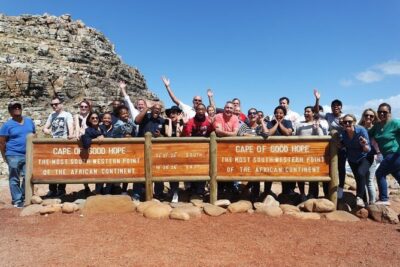
Cape Point and Boulder’s Penguins Full Day Tour
Read our review →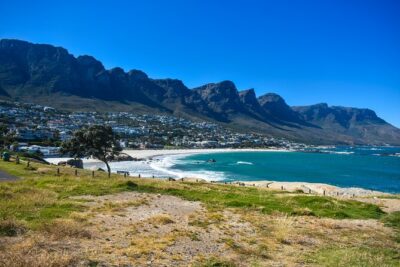
Cape of Good Hope & Boulder Penguins Full-Day Tour from Cape Town
Read our review →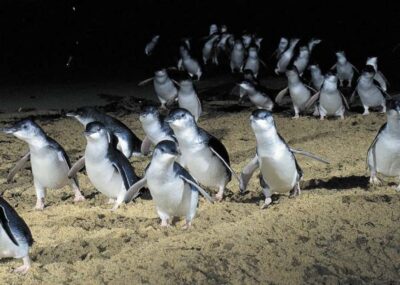
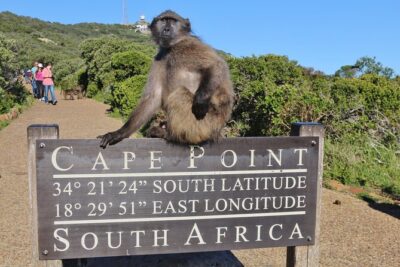
Table Mountain, Penguins & Cape Point Small Group Tour Cape Town
Read our review →
Cape Town Tour: Table Mountain, Penguins & Cape Point+Pickup
Read our review →
Lists this trip turns up in