
REVIEW · NEW ZEALAND
Oamaru: Penguins Evening Viewing Ticket
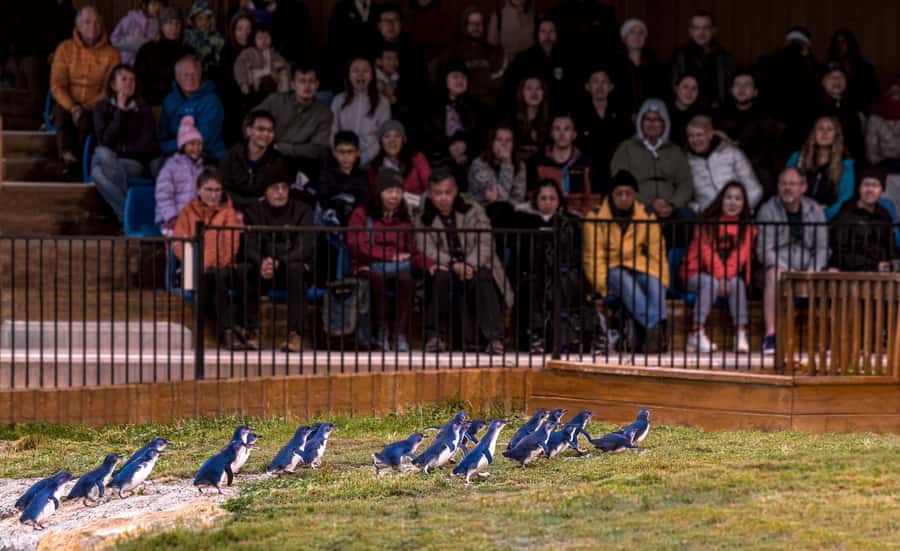
The best part of this Oamaru evening is the moment the first tiny heads appear above the beach. Then the penguins gather, hurry up the rocky ramp, and make for their nesting boxes, sometimes in groups of hundreds. I like the close viewing distance of 10 to 15 metres and the fact that your ticket helps fund penguin protection and research.
I also like the calm rules. You sit still, stay quiet, and let the birds pass without flashes or phone screens. That makes the experience feel more respectful than a simple wildlife show. The trade-off is the cold and the waiting. Penguins arrive after sunset, and their numbers can vary widely, from fewer than 30 in winter to more than 400 at busy times.
Key points to know before you book
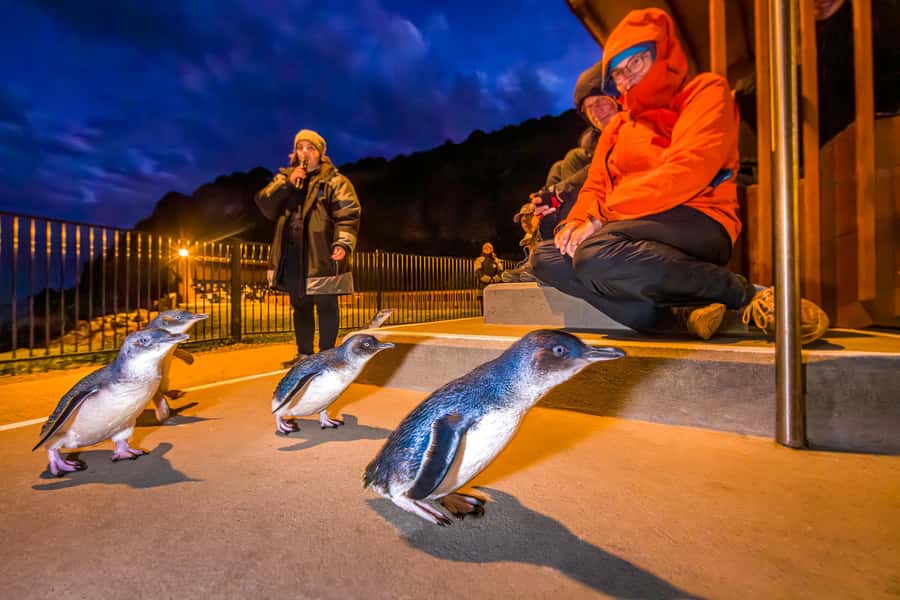
- Penguins arrive after fishing: Watch little blue penguins come from the sea and cross the beach to their nests.
- The view is close: General admission places you about 10 to 15 metres from the nesting route.
- Expect a chilly evening: Bring warm layers, long trousers, enclosed shoes, a jacket, and a hat.
- No cameras or phones: Photography and video are strictly banned to protect the penguins from light and disturbance.
- Numbers change with the season: Summer can bring more than 200 penguins, while winter arrivals may be below 30.
- Your ticket supports conservation: The admission fee contributes to research and work protecting the colony.
Watching Oamaru’s smallest penguins come ashore
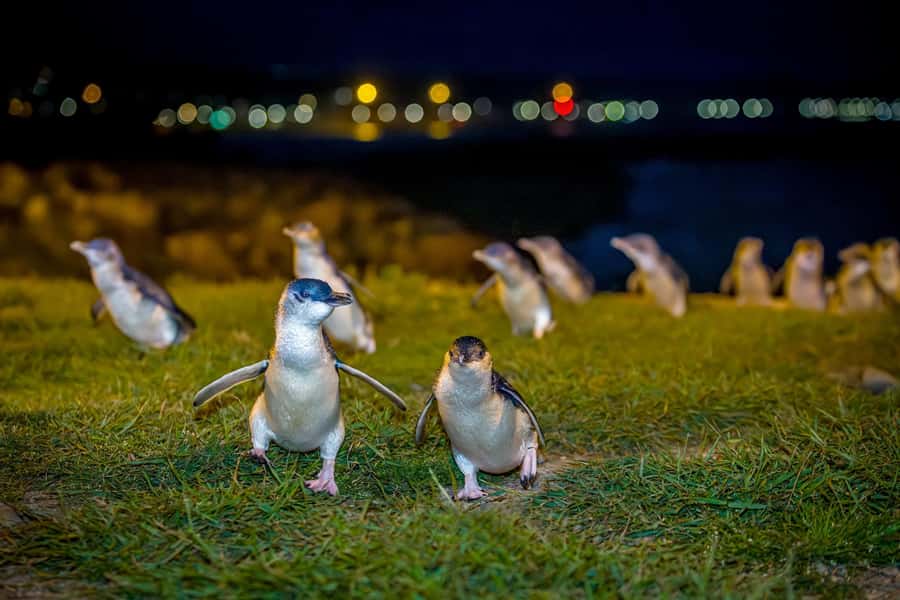
The little blue penguin, also called the kororā, is the world’s smallest penguin. At Oamaru, you watch these compact birds return from a day at sea and make their way into the colony.
The return is not a grand march. It is more like a nervous, funny rush. A few penguins may appear first, pause at the edge of the beach, and look around. Then others gather behind them. Once one bird takes the lead, the group often follows up the stony ramp and toward the nesting area.
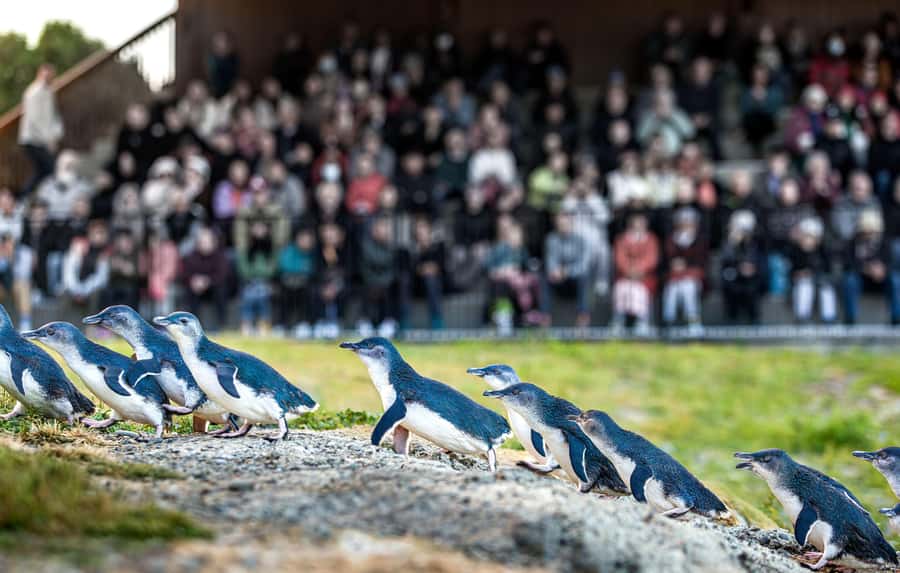
From your seat, you may see the penguins climb over the beach and rocks, then hurry across the colony to their specially made nesting boxes. They may stop to preen, bunch together, or hesitate if a seal is resting near the route. That unpredictability is part of the charm. You are watching wild animals make their own choices, not following a timed performance.
The general viewing area is around 10 to 15 metres from the route. The birds are small, so you will not get a giant close-up view from every seat. Still, the number of penguins and the way they move in groups make the scene easy to follow.
More Penguin Tours in New Zealand:
- Guided Evening Penguin Viewing Otago Peninsula, Dunedin, New Zealand
★ 5.0 · 471 reviews - Dunedin: Wildlife and Penguin Tour
★ 4.6 · 239 reviews - Otago Peninsula In-Depth Tour & Blue Penguins Pukekura Experience
★ 5.0 · 163 reviews
What happens during the 90-minute evening visit
Arrive at the Oamaru Blue Penguin Colony on Waterfront Road about 10 minutes before your scheduled time. Check in with the team, then follow staff to your seating area.
If you arrive early, allow time to look around the Discovery Centre and its displays before heading outside. The exhibition gives useful background on the penguins, their habitat, breeding habits, and the colony’s conservation work. That context helps you understand what you are watching once the birds arrive.
The main viewing period lasts about 90 minutes. The guides explain penguin biology and ecology, describe their breeding patterns, and explain why quiet behaviour and darkness matter. Commentary is available in English and Chinese.
The talk is most useful before the penguins appear. Once the birds begin climbing from the beach, the guides reduce or stop their commentary so you can watch in silence. This is the right choice for the animals, though it means you should listen closely at the start.
The number of penguins is never fixed. In summer, arrivals can exceed 200, and some evenings have brought more than 300 or even 400 birds. Winter can be much quieter, with fewer than 30. If your main goal is to see a huge group, summer gives you the better chance, but the later sunset can push viewing toward 9 PM.
In winter, the penguins may arrive as early as 5:30 PM. That earlier timing can suit families and people with an early start the next day, but you should still expect cold conditions while sitting outside.
Why the no-photo rule matters
You cannot take photographs or video during this experience. Phones and cameras must remain away in the seating area, and flash or screen light is not permitted.
This may frustrate you if you are used to recording every stop. Here, it is a sensible rule. The penguins are returning after a long day at sea, and bright light can disturb them. Noise and movement can also make them hesitate before entering the colony.
The no-phone rule has another benefit. You are less likely to spend the evening looking through a screen. You can watch the birds directly, listen for their calls, and notice the stop-and-start rhythm of the group.
Staff enforce the rule, and they also ask you to remain seated and quiet once the penguins arrive. Follow those instructions closely. A single person standing, shouting, or using a phone can affect the view and the animals.
You will have to keep the memories in your head rather than on your camera roll. For this particular wildlife visit, that is a fair exchange.
General seating, premium views, and what you can see
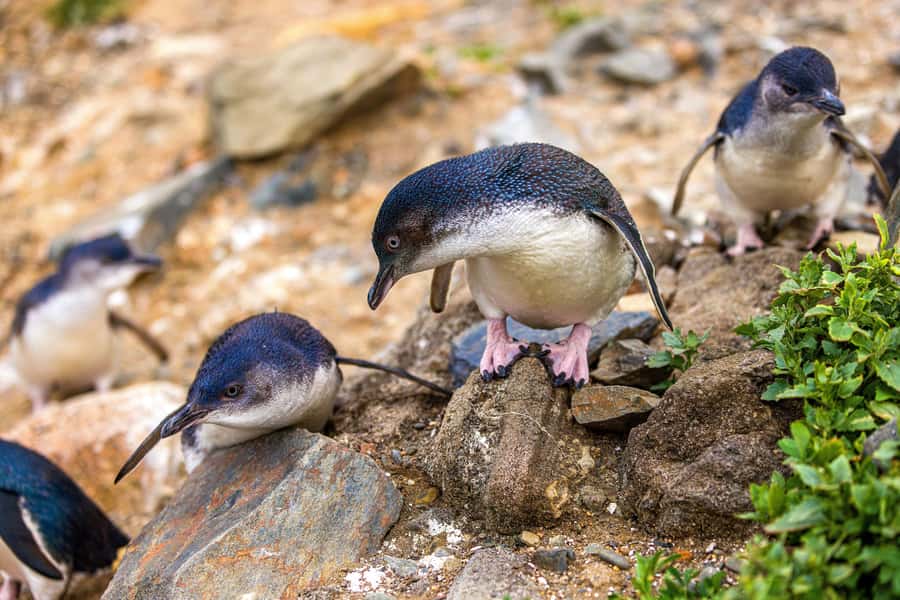
The $28 ticket is for general admission. From this area, you watch the penguins come up the beach and move toward the nesting zone from roughly 10 to 15 metres away.
Your exact view depends on where you sit and which route the penguins choose. They do not always use one neat line. Some groups may pass through the central seating area or appear close to one section before heading into the colony.
A premium seating option is also mentioned by the venue, though its price is not included here. If it is available when you book, check what it includes and compare the extra cost. The strongest reason to pay more is the improved angle and the chance to be closer to the penguin route.
Some premium ticket holders also get access to a walkway through the nesting area after the main viewing. This can provide a closer look at birds around their boxes and better seating, but the exact access depends on the ticket type you purchase.
There is one point to keep in mind: closer does not always mean a perfect view of the climb from the beach. One seating angle may show the penguins near the nesting area well, while another may give you a clearer look at their approach. General admission can still work well, especially if birds pass through the central section.
For many people, the standard ticket offers good value at $28. Consider premium seating if this is a major reason for your Oamaru stop, you want the closest practical view, or you are keen to walk through the nesting area afterward.
More Evening Experiences in New Zealand:
- Akaroa: Pohatu Little Penguins 3-Hour Evening Experience
★ 4.8 · 119 reviews - Cape Town: Penguins and Cape of Good Hope Sunset Tour
★ 4.2 · 303 reviews - Trapani: Salt Pans Sunset Tour and Flamingo Way
★ 4.4 · 252 reviews - Night Walk Experience at Natura Eco Park, (frogs snakes mammals insects birds)
★ 4.5 · 57 reviews
The cold is part of the plan
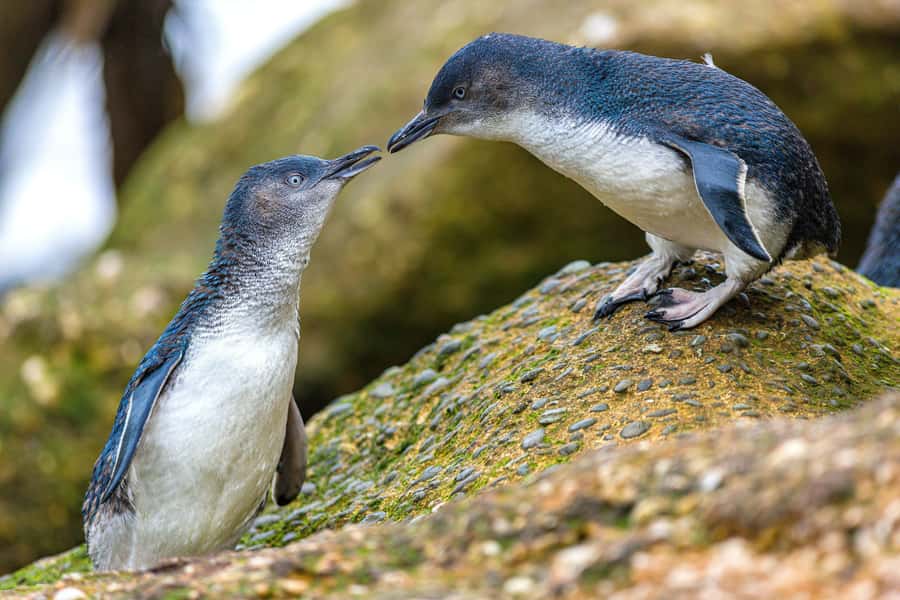
Oamaru evenings can be cold, and you sit still for much of the experience. Even in warmer months, sea air and darkness can make the wait feel sharper than expected.
Wear a warm jacket, long trousers, enclosed footwear, and several layers. A woolly hat and scarf are useful, especially for late summer viewings when the penguins may not arrive until around 9 PM. Bring clothing that handles damp or wet conditions, since the experience takes place outdoors even though the viewing area offers shelter from rain.
Cold affects children most. Younger children may become bored during the wait, then find it hard to remain quiet once the penguins arrive. Families should think carefully about the late timing, the need to stay seated, and the no-talking rule.
Wheelchair access is available, which makes this a practical option for visitors with mobility needs. One visitor with an elderly parent who had mobility issues found the viewing manageable, and staff can help guide you to the seating area.
Seals, seabirds, and extra wildlife around the colony
The penguins are the main event, but keep your eyes on the wider area. New Zealand fur seals may rest on the rocks near the entrance, sometimes creating a minor obstacle for the penguins.
A seal lying near the route can produce an amusing stand-off. The penguins may stop, watch it carefully, and wait for one brave bird to pass before the rest follow. The seal may barely react, but its presence changes the penguins’ usual route.
You might also see seabirds around the nearby wharf, including Otago shags. Wildlife sightings vary, so treat them as a bonus rather than part of the guaranteed program.
The setting also gives you a useful reminder that this is not an indoor animal display. You are watching wildlife at the edge of the sea, with natural delays, changing numbers, and occasional interruptions.
The conservation value of your admission
The ticket is not only payment for a seat. Each visitor helps support the colony’s conservation and research work.
That matters because the viewing setup depends on protecting the birds while allowing people to observe them. The nesting boxes, controlled seating, quiet rules, and staff supervision all help reduce disturbance during a sensitive part of the penguins’ day.
The guides explain the colony’s efforts, including penguin biology, breeding habits, and habitat protection. If you want more background, spend time with the Discovery Centre displays before the viewing begins.
The conservation message is strongest when you follow the rules. Staying seated, keeping quiet, and avoiding cameras are simple actions, but they protect the quality of the birds’ return and help preserve the site for future visitors.
How good is the guide commentary?
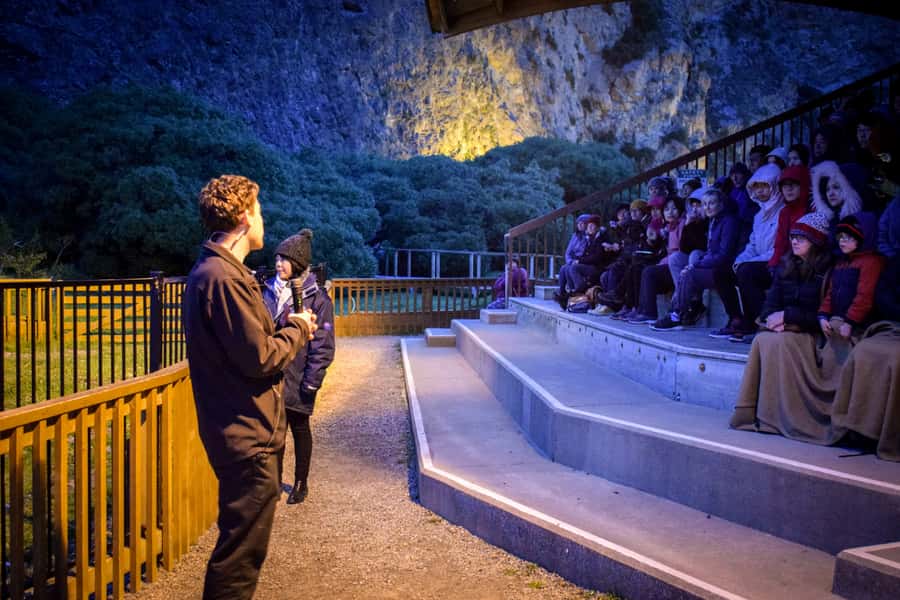
The staff provide live commentary in English and Chinese. Their main job is to explain what you are seeing and manage the crowd so the penguins can reach the colony without being disturbed.
The information covers the birds’ biology, ecology, breeding, daily routine, and the importance of conservation in New Zealand. The guides also explain what to expect before the penguins arrive, which is useful if this is your first penguin viewing.
Guide Jude has been singled out for taking time after the viewing to answer questions and explain the nesting area while people walked through. That kind of extra conversation can be especially helpful once the main viewing is over.
The quality of the commentary may depend on your position and the sound system. Some people have found the microphone difficult to hear or wanted more facts. Sit where you can hear clearly, and pay attention during the opening talk, since the guides become quiet once the birds begin to appear.
The team also adapts when needed. One deaf visitor received a written version of the guide’s explanation, which made the introduction more useful.
Is $28 good value?
At $28 per person, this is a reasonable price for a 90-minute wildlife experience, particularly if you care about conservation. You are paying for a managed viewing area, local guides, interpretation, and support for the colony’s research and protection work.
The value depends on what you expect. If you want a guaranteed close-up photograph, this is not for you, since cameras and phones are banned. If you want to watch wild penguins return from sea without disturbing them, the cost is easier to justify.
Penguin numbers are also unpredictable. You could see fewer than 30 in winter, or hundreds in summer. A quiet night is still a real look at the birds in their natural routine, but it may feel less dramatic than a large summer arrival.
The optional premium seating can improve the view, especially if you want to be close to the nesting route or have access to the walkway afterward. Check the price and exact inclusions before paying extra.
Free cancellation up to 24 hours before the scheduled time and reserve-now, pay-later booking add flexibility. The meeting point is the Oamaru Blue Penguin Colony on Waterfront Road in South Hill.
Who will enjoy this most?
I would recommend this to wildlife lovers, photographers who can accept leaving their camera behind, couples, and families with older children who can manage a quiet evening outdoors.
It suits you if you enjoy watching animal behaviour rather than ticking off a quick sighting. The penguins may pause, bunch up, or choose a slightly different route, and the guides cannot control those details.
It is less suitable for very young children who struggle with cold, darkness, waiting, or silence. It may also disappoint you if you need a guaranteed high-volume arrival or a perfectly close view from every seat.
Arrive early for the displays, dress more warmly than you think necessary, and put your phone away before staff need to remind you. Those small choices will make the evening easier and more respectful.
Should you book the Oamaru penguin viewing?
Book it if seeing little blue penguins return from sea is a priority during your South Island trip. The close viewing distance, thoughtful rules, strong conservation purpose, and chance of seeing hundreds of birds make this one of Oamaru’s most distinctive evening activities.
Choose summer if large numbers matter most, but prepare for a late finish. Choose winter if an earlier viewing time suits you, while accepting that the colony may have fewer arrivals.
The $28 general ticket is a fair buy for most people. Consider premium seating if the viewing angle and possible walk through the nesting area matter to you. Either way, bring warm clothes, leave your camera behind, and treat the evening as quiet wildlife watching rather than a photo opportunity.
FAQ
Where does the penguin viewing take place?
It takes place at the Oamaru Blue Penguin Colony on Waterfront Road, South Hill, Oamaru 9400, New Zealand.
How long does the experience last?
The evening viewing lasts 90 minutes. Check the available start times when booking.
How close can I get to the penguins?
General admission seating is about 10 to 15 metres from the area where the penguins come up the beach and enter the nesting zone.
What time do the penguins arrive?
Arrival times change with the season. In summer, viewing can finish as late as 9 PM. In winter, penguins may arrive as early as 5:30 PM.
How many penguins will I see?
Numbers vary. Summer arrivals can exceed 200, while winter numbers can be fewer than 30. Some evenings have recorded more than 300 or 400 penguins.
Can I take photos or videos?
No. Photography and video are strictly prohibited, including using cameras or phones in the seating area. Flash and screen light can disturb the penguins.
What should I wear?
Bring warm clothing, including a jacket, long trousers, enclosed footwear, and ideally a hat and scarf. Evening conditions can be very cold.
Is the viewing wheelchair accessible?
Yes, the experience is wheelchair accessible.
What languages are available?
Live guide commentary is available in English and Chinese.
Newest birding reviews around New Zealand
- Akaroa: Wildlife Cruise with Dolphins and Penguins★ 5.0 · 27 reviews
- Clearwater Private Penguin & Wildlife Tour from Port Otago (5hrs)★ 5.0 · 7 reviews
- Iconic Wildlife Tour with Yellow Eyed Penguins & Royal Albatross★ 4.5 · 33 reviews
- Guided Tour at Pukorokoro Shorebird Centre★ 5.0 · 4 reviews
- Private tour from Auckland – Waitomo Glowworm Caves, Zealong Tea & Kiwi Bird★ 5.0 · 20 reviews
- Twilight Wild Kiwi Bird Encounter Private Tour★ 5.0 · 3 reviews
- Bird Watching and Dolphin Eco-Tour to Blumine Island★ 5.0 · 55 reviews
- Dunedin: Otago Peninsula with Guided Penguin Reserve Tour★ 4.7 · 66 reviews
Penguin Tours, side by side.
Penguin Parade, & Wildlife Encounters Eco Tour from Melbourne
Read our review →
Cape of Good Hope & Penguins Day Tour with Pickup
Read our review →
Cape Point and Boulder’s Penguins Full Day Tour
Read our review →
Cape of Good Hope & Boulder Penguins Full-Day Tour from Cape Town
Read our review →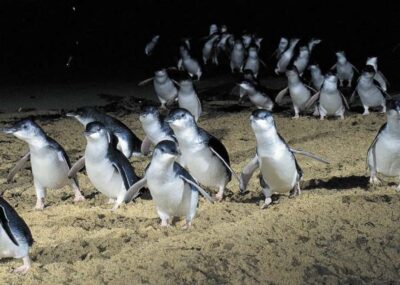
Table Mountain, Penguins & Cape Point Small Group Tour Cape Town
Read our review →
Cape Town Tour: Table Mountain, Penguins & Cape Point+Pickup
Read our review →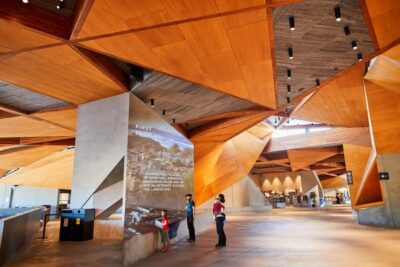
Lists this trip turns up in