
REVIEW · NEW ZEALAND
Auckland (Tawharanui): Wild Kiwi Bird Spotting Encounter
A wild kiwi encounter is never a quick photo stop. At Tāwharanui Regional Park, you move slowly through native bush after dark, listening for calls and watching the edges of the track for a fast, low-slung bird. Guides such as Legend, Chris, Lucas, and Millie know how to read the signs, but the kiwi still decides when to appear.
I like two things here: you see kiwi in a protected natural setting rather than a display enclosure, and the night sky gives the outing a second act. On a clear night, telescopes and binoculars may bring planets, stars, and the Moon into view. The catch is simple: wildlife is unpredictable, so you need patience and must accept that a sighting is never promised.
Key points
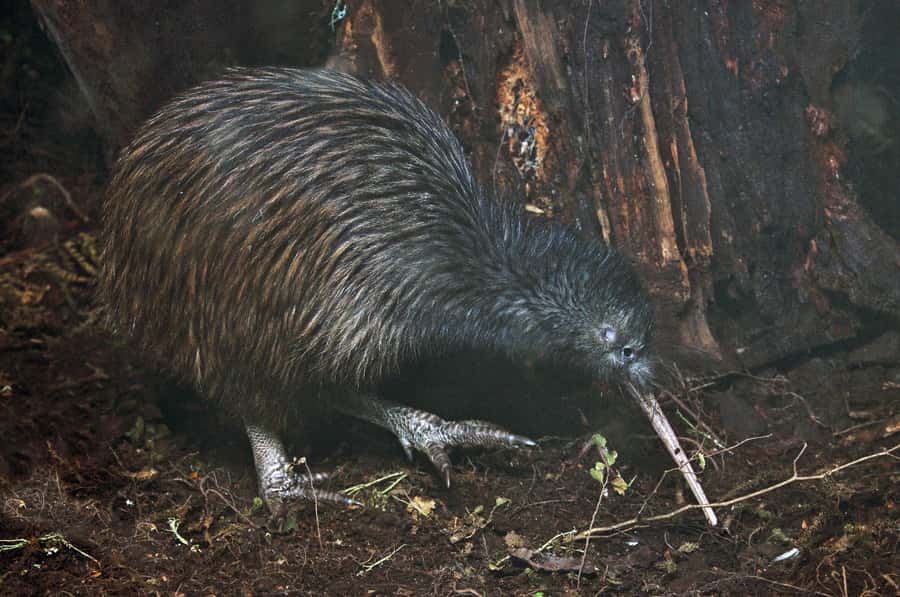
- Wild kiwi in a protected park: Search for North Island brown kiwi in their natural habitat.
- A strong guide team: Guides including Legend, Chris, Lucas, Sean, and Millie add local stories, wildlife facts, and practical tracking skills.
- Stargazing after dark: See stars, planets, constellations, and sometimes the Moon through supplied equipment.
- A quiet, patient walk: Expect slow movement, careful listening, and periods of waiting.
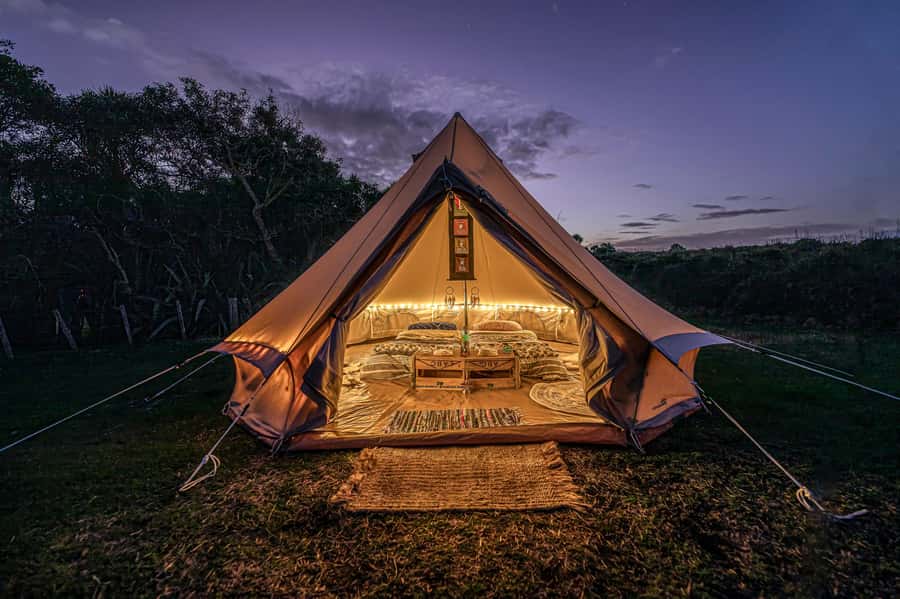
- Optional transport and glamping: Transport from Auckland and an overnight setup can be added, making this easier without a car.
- Good value for a special sighting: At $89 per person, the price is fair if you value expert guiding and a real chance to see kiwi in the wild.
Why Tawharanui is a fine place to look for kiwi
Tāwharanui Regional Park sits north of Auckland at the end of Takatu Road. The drive takes you away from city lights and into a protected coastal area where native bush, open ground, and shoreline meet.
That setting matters after sunset. Kiwi are nocturnal, and the dark makes their habits easier to notice. You are not simply walking around with a torch hoping for luck. Your guide helps you listen for calls, watch likely areas, and spot small movements that are easy to miss on your own.
The park is also an important conservation area. Native forest restoration and wildlife protection have helped create a place where kiwi can move through the bush. Your guide explains the work behind that success, along with the threats kiwi face and the habitat they need.
I like that the outing connects a single bird sighting to the wider work of conservation. Seeing a kiwi is thrilling, but understanding why it can live here makes the experience more meaningful.
More Kiwi and Native Bird Tours in New Zealand:
- Iconic Wildlife Tour with Yellow Eyed Penguins & Royal Albatross
★ 4.5 · 33 reviews - Private tour from Auckland – Waitomo Glowworm Caves, Zealong Tea & Kiwi Bird
★ 5.0 · 20 reviews - Twilight Wild Kiwi Bird Encounter Private Tour
★ 5.0 · 3 reviews
Meeting at the Takatu Road toilets
The meeting point is near the public toilets at the end of Takatu Road, inside Tāwharanui Regional Park. This is a practical spot, but you should plan your arrival carefully. If you are driving, allow enough time to reach the far end of the park before the start time.
At the beginning, the guide explains the plan, safety points, and expected conduct around wildlife. This briefing is not filler. A quiet pace and controlled use of lights give you a better chance of seeing kiwi without disturbing them.
Transport is not included in the $89 base price, though it can be added when booking. Some departures offer pickup from Auckland city, which is useful if you do not have a car. One evening ended with a return around 2 a.m., so confirm the transport option and return arrangements before booking.
The two-hour kiwi search
The core activity lasts about two hours. You walk through native bush and open habitats in darkness, stopping often to listen and scan the ground.
This is the part that rewards a calm mood. Kiwi are not large, noisy birds waiting beside the track. They can move quickly, and you may see only a shape, a beak, or a pair of legs before they disappear. One night began slowly, then produced six or seven birds. Another group saw a kiwi sit still long enough for several photographs.
Your guide may use torches, headlamps, and other spotting equipment. One account also mentions a thermal device used to help locate the birds. The exact equipment can vary, but the important point is that you are not left to search alone.
The guides have different styles. Legend is often described as lively and full of stories, while Lucas has shared information about kiwi, plants, medicine, and the stars. Sean is especially focused on kiwi facts, and Chris and Millie have led groups that included children and older adults. The guide on your night may be different, but the activity is conducted in English.
Expect a walk rather than a sit-down viewing session. Comfortable shoes are essential, and warm clothing matters even in summer because you will be outside after dark. Bring water, and keep your clothing quiet if possible. Rustling layers and loud conversation work against the kind of stillness this outing needs.
How likely are you to see a kiwi?
There is no fixed number of birds. Recent outings have produced anything from a couple of clear sightings to more than 10 or 15 kiwi. Some people saw two, three, six, seven, eight, nine, or more. That range tells you two things: Tawharanui can be highly productive, and wildlife still follows its own schedule.
The guides can improve your odds, but they cannot control the birds. You may spend much of the first part searching before the group finds one. Then several may appear in a short stretch, as happened when three kiwi were seen within 10 minutes.
You should also know that group sightings are not always equal. A guide may spot eight birds while some people see three or four. Kiwi move quickly, and your position on the track, eyesight, and reaction time all matter.
That is not a flaw in the tour. It is the honest trade-off for seeing a wild animal. If you require a guaranteed sighting, choose a captive or controlled wildlife setting instead. If you want a genuine encounter, this is the more memorable option.
A few more birding trips around New Zealand worth a look
- Oamaru: Penguins Evening Viewing Ticket
★ 4.5 · 682 reviews - Guided Evening Penguin Viewing Otago Peninsula, Dunedin, New Zealand
★ 5.0 · 471 reviews - Dunedin: Wildlife and Penguin Tour
★ 4.6 · 239 reviews - Albatross, seals, and sea birds-Wildlife Cruise
★ 5.0 · 189 reviews
Stargazing beneath a coastal dark sky
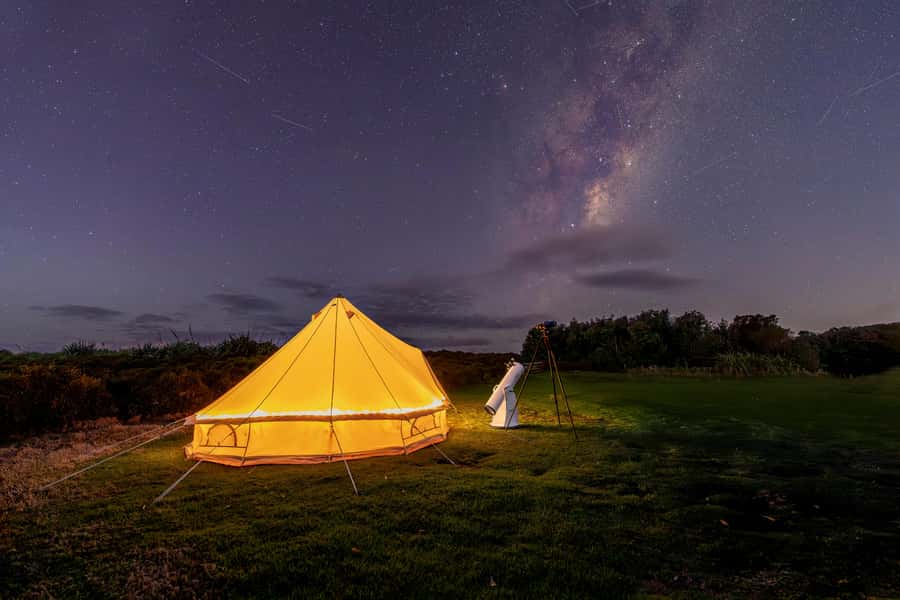
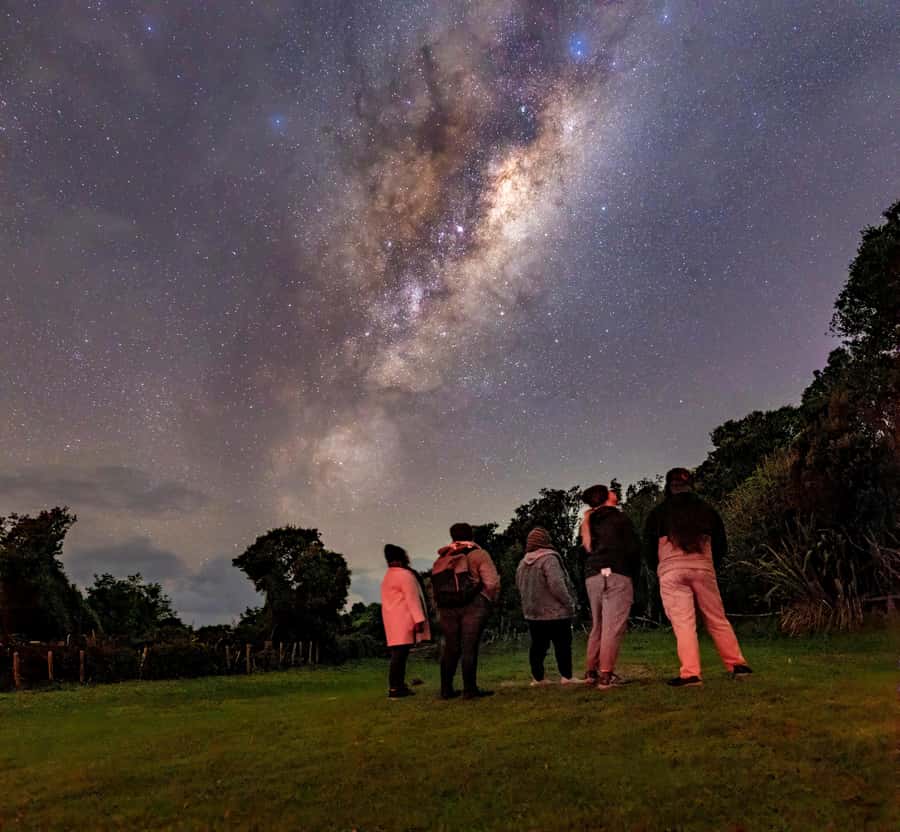
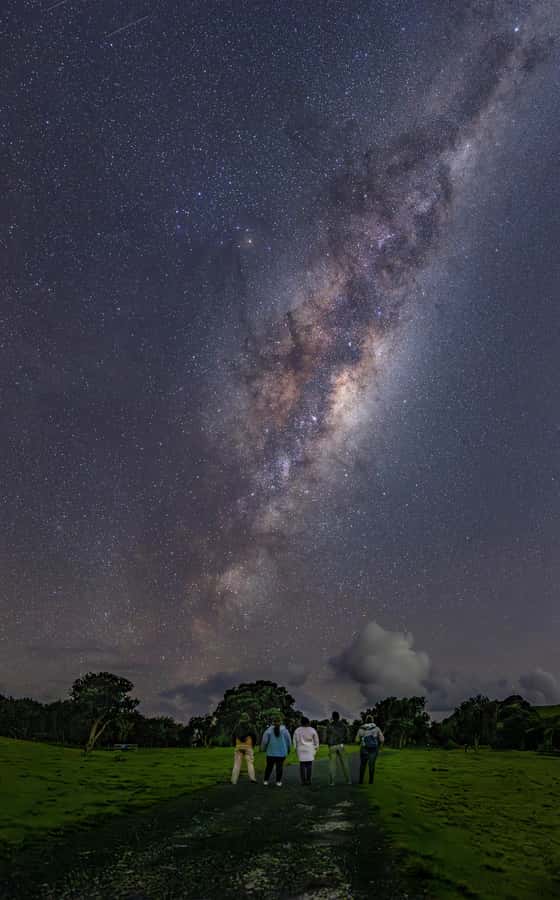
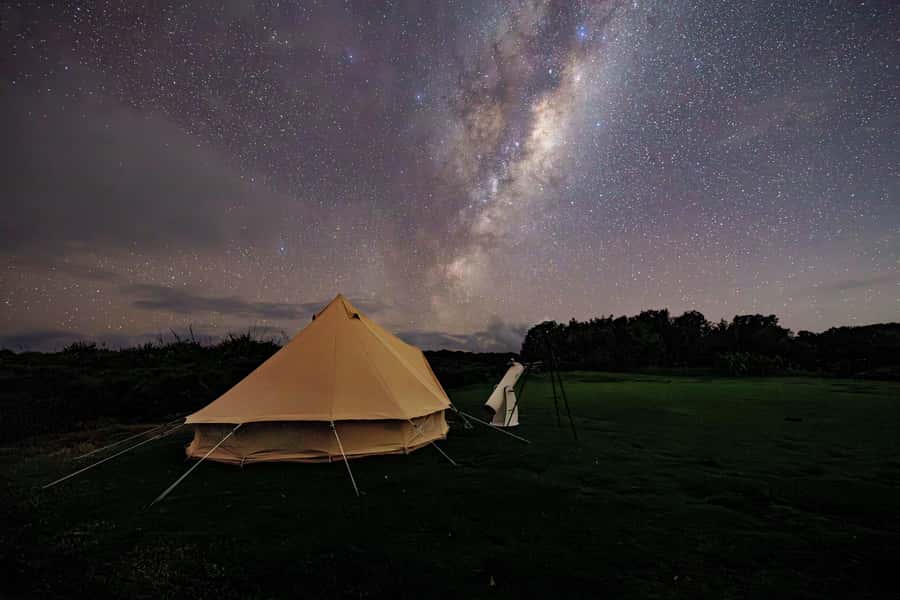
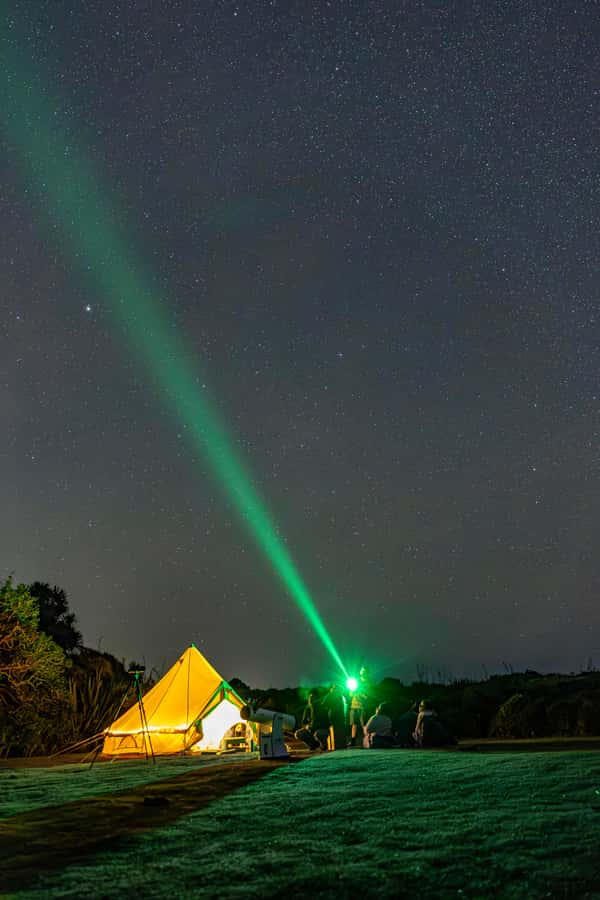
Once full darkness arrives, Tawharanui’s low light pollution becomes part of the experience. The guide may point out planets, constellations, and Southern Hemisphere stars using binoculars or a telescope.
Clear nights can be excellent. People have viewed Venus, Jupiter, Saturn, the Moon’s craters, and dense fields of stars. The guides also explain Māori stories and star knowledge, adding cultural context to the science.
Cloud can change the plan. One cloudy night brought no useful stargazing, so the group spent its time looking for kiwi instead. That flexibility is a strength. The outing is not built around a single fragile attraction, although the sky portion can be limited by weather.
If stargazing matters most to you, check the forecast and keep expectations sensible. The Moon, cloud cover, and seasonal position of planets all affect what you see. If kiwi are your priority, cloudy conditions may not spoil the night at all.
Bioluminescence and the shoreline
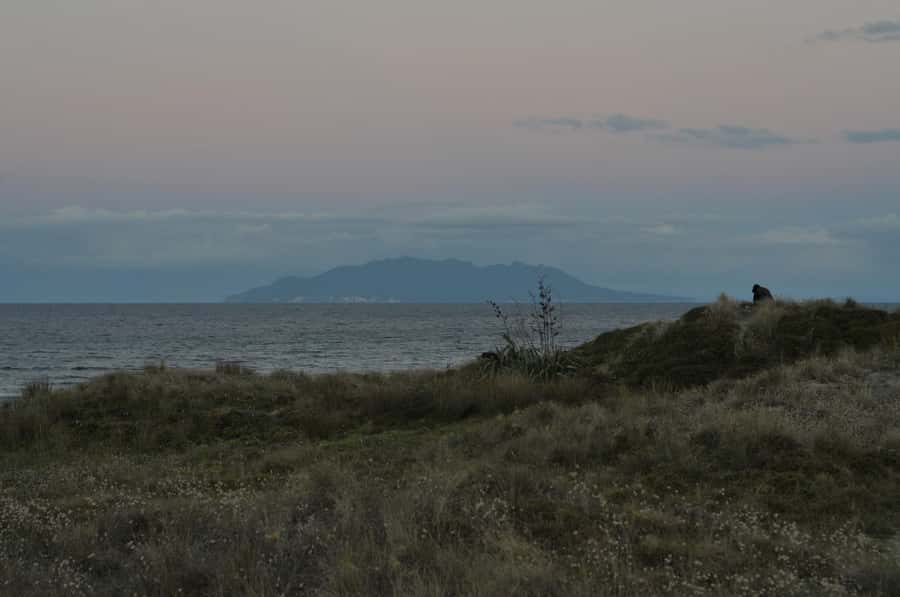
Some outings may include bioluminescence along the shore or in shallow water. Movement in the sand or water can trigger a soft blue glow from microscopic organisms.
This is an occasional bonus, not a scheduled show. Conditions must be right, and the guide cannot promise it will appear. Still, it fits the character of the park well: the night may reveal birds, stars, and living light in the same outing.
Your guide explains the basic science behind the glow and how tiny organisms create it. You should treat this as an extra possibility rather than part of the core value calculation.
What the overnight option adds
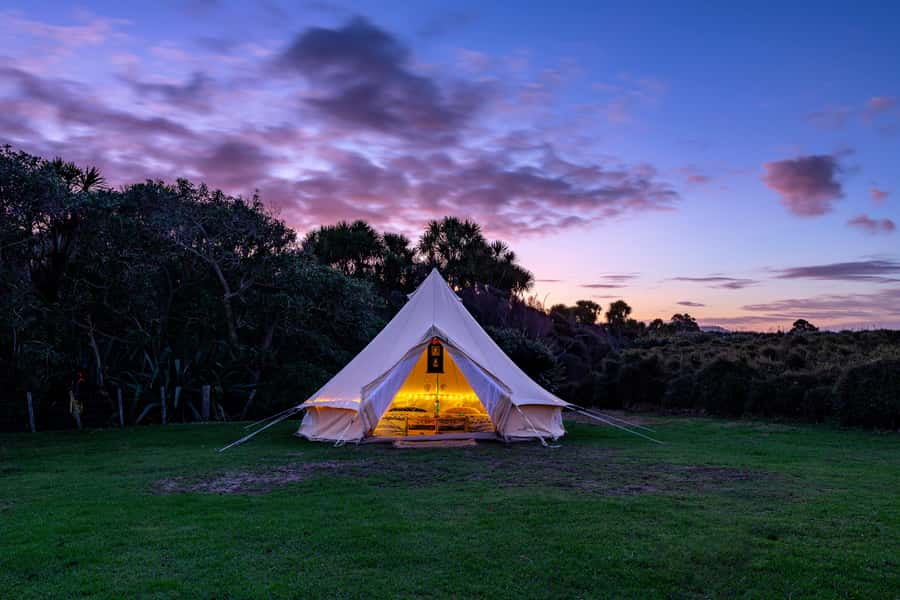
The main activity is a two-hour walk, but an overnight or glamping option may be selected. The campsite booking and fees are not included in the standard price, so check exactly what is being added.
When the overnight setup is selected, the tent may be prepared before the walk. One stay included blankets, foam mattresses, small snacks, and basic necessities. This can make sense if you want to avoid a late drive back to Auckland or prefer to keep the park experience quiet and self-contained.
Do not assume the overnight option is part of every booking. It is listed as an optional inclusion, and campsite fees remain separate. If you want only the wildlife walk, the $89 rate is the simpler choice.
Is $89 a fair price?
At $89 per person, this is not a cheap evening stroll, but it offers more than access to a park. You are paying for a guide who knows how to find kiwi, equipment for spotting and stargazing, conservation interpretation, and a carefully managed night walk.
The value is strongest for first-time visitors to New Zealand, bird lovers, families, and people without the confidence to search for a nocturnal species alone. A nine-year-old enjoyed the outing, and groups with seniors, adults, and an 11-year-old managed it as a shared family experience.
The price is less convincing if you expect a guaranteed close-up photograph, a fast-paced tour, or a polished indoor attraction. Wildlife may stay hidden, the sky may cloud over, and the walk involves waiting. You are buying a well-guided chance, not a result.
Transport costs extra, and food and drinks are not included. Keep those additions in mind when comparing the total price with other Auckland activities.
Who will enjoy this most?

I would choose this experience if you care about native wildlife and prefer real habitat to a staged encounter. It also suits anyone who enjoys night skies, Māori astronomy, and learning how conservation works on the ground.
Families can enjoy it, but children need to manage quiet periods and a slow walk. The outing is not ideal for someone who wants constant action. It also requires warm clothing and comfortable footwear, with no promise that every person will see the same birds.
Couples and solo visitors may like the small-group or private format. A private group gives you more control over the pace and questions, while a shared outing can be sociable. One group found that the people walking together added to the fun, but that will depend on the mix on your night.
Practical details before you book
The experience is conducted in English. Small groups and private tours are available, and starting times vary, so check the date and time that suit you.
Wear warm layers and comfortable shoes. Bring water. Even when the day has been mild, the temperature can drop after dark, especially if you are standing still while searching.
Book transport if you are not driving, and confirm whether pickup and return to Auckland are included in your selected option. If you are staying overnight, check the glamping details and campsite charges before paying.
Free cancellation is available up to 24 hours before the activity for a full refund. You can also reserve now and pay later, which helps if your Auckland plans are still changing.
Should you book the Tawharanui kiwi encounter?
Yes, if seeing a kiwi in the wild matters more to you than getting a guaranteed view. The strongest part is the combination of skilled guides, a protected park, and a night that may include stars, Māori astronomy, and bioluminescence.
Go with patience. You may see two birds or more than 10, and you may wait before the first one appears. That uncertainty is the point, but you should accept it before booking.
For the best chance of enjoying the evening, choose warm clothing, allow time for the drive, add transport if needed, and treat stargazing and glowing water as welcome extras. At $89, it is a worthwhile Auckland-area outing for anyone who wants a quiet, authentic encounter with New Zealand’s nocturnal world.
FAQ
Where does the kiwi spotting tour meet?
Meet near the public bathrooms at the end of Takatu Road in Tāwharanui Regional Park.
How long does the main experience last?
The guided kiwi-spotting experience lasts about two hours. The full timing can vary depending on the selected start time and any added overnight option.
How much does the experience cost?
The listed price is $89 per person.
Is transport from Auckland included?
Transport is not included in the standard price, but it can be added at checkout. Some options provide pickup from Auckland city.
What should I bring?
Bring comfortable shoes, warm clothing, and water.
Is seeing a kiwi guaranteed?
No. Kiwi are wild animals, so sightings depend on weather, conditions, and animal activity. Some outings see only a few birds, while others see many more.
Is stargazing included?
Yes. Stargazing equipment is included, and the guide may show you stars, planets, constellations, or the Moon when conditions allow.
Can I stay overnight?
An optional glamping stay is available with selected bookings. Campsite booking and fees are not included in the standard activity price, so check the selected option carefully.
Newest birding reviews around New Zealand
- Akaroa: Wildlife Cruise with Dolphins and Penguins★ 5.0 · 27 reviews
- Clearwater Private Penguin & Wildlife Tour from Port Otago (5hrs)★ 5.0 · 7 reviews
- Iconic Wildlife Tour with Yellow Eyed Penguins & Royal Albatross★ 4.5 · 33 reviews
- Guided Tour at Pukorokoro Shorebird Centre★ 5.0 · 4 reviews
- Private tour from Auckland – Waitomo Glowworm Caves, Zealong Tea & Kiwi Bird★ 5.0 · 20 reviews
- Twilight Wild Kiwi Bird Encounter Private Tour★ 5.0 · 3 reviews
- Bird Watching and Dolphin Eco-Tour to Blumine Island★ 5.0 · 55 reviews
- Dunedin: Otago Peninsula with Guided Penguin Reserve Tour★ 4.7 · 66 reviews
New Zealand Birdwatching Tours, side by side.
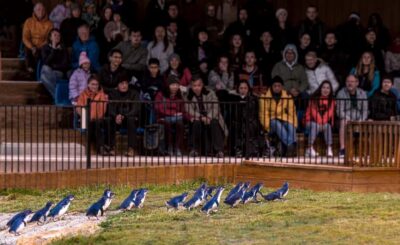
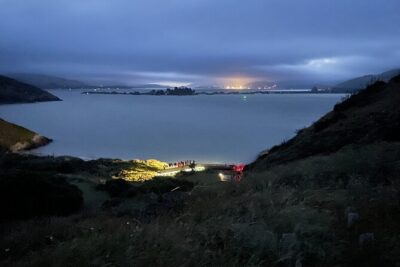
Guided Evening Penguin Viewing Otago Peninsula, Dunedin, New Zealand
Read our review →
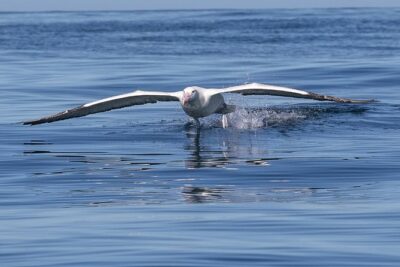
Albatross, seals, and sea birds-Wildlife Cruise
Read our review →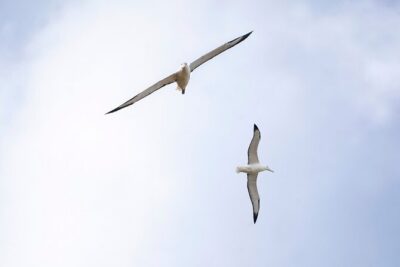
Otago Peninsula In-Depth Tour & Blue Penguins Pukekura Experience
Read our review →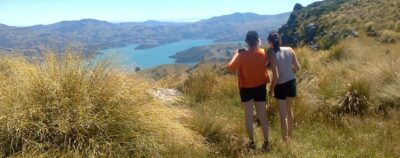
Akaroa: Pohatu Penguins Scenic Nature 2-Hour or 4-Hour Tour
Read our review →
Akaroa: Pohatu Little Penguins 3-Hour Evening Experience
Read our review →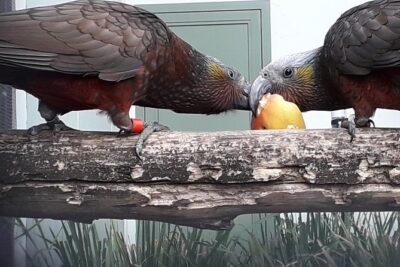
Dunedin City Highlights, Otago Peninsula Scenery & a Guided Penguin Reserve Tour
Read our review →Lists this trip turns up in